
The Swahili Coast: A 2,000-Year Civilisation at the Crossroads of Africa and the Indian Ocean
Introduction: The Shore That Shaped a Civilisation
Stretching approximately 3,000 kilometres from the ancient ports of Mogadishu in Somalia to the trading towns of Inhambane in Mozambique, the Swahili Coast represents one of Africa’s most remarkable and enduring civilisations. For over two millennia, this coastline has been a vibrant crossroads of cultures, a meeting point where the African continent engaged with the wider Indian Ocean world through trade, faith, and cultural exchange.
The Swahili people, far from being passive recipients of foreign influence, developed a sophisticated maritime civilisation characterised by monumental coral stone architecture, extensive trade networks spanning the Indian Ocean, and a rich cultural heritage expressed through poetry, music, and the Swahili language. The archaeological evidence of the past thirty years has fundamentally revised our understanding of Swahili origins, demonstrating that coastal settlement predates significant Arabic influence and that the Swahili are primarily an indigenous African people who developed complex urban societies on their own terms.
From the 7th-century settlements of Pemba Island to the magnificent stone towns of the Lamu Archipelago, from the gold-trading empire of Kilwa Kisiwani to the defiant resistance of the Witu Sultanate, the Swahili story is one of remarkable achievement, resilience, and adaptation. The seasonal reversal of the monsoon winds enabled Swahili merchants to traverse the Indian Ocean within a single year, facilitating trade connections that persisted for over two millennia. The adoption of Islam from the 8th century onward provided a common faith that strengthened trust between trading partners and integrated the Swahili into the broader Islamic world.
The 13th to 15th centuries represented the golden age of Swahili civilisation, marked by the expansion of stone towns, the intensification of maritime trade, and the emergence of Kilwa as an international entrepôt that controlled much of the gold trade from the Zimbabwe plateau. The Great Mosque of Kilwa and the Husuni Kubwa palace complex stand as enduring testaments to the wealth and architectural ambition of the Swahili elite. Yet, this golden age was followed by centuries of Portuguese and Omani colonial rule that drew a line marking major changes in Swahili civilisation, limiting political autonomy and reorienting economic life.
Despite these challenges—Portuguese military attacks, the disruption of trade, environmental changes, and the shifting dynamics of regional power—the Swahili people demonstrated remarkable resilience. Some towns, particularly in the Lamu Archipelago, maintained their independence and continued to thrive through trade with the Red Sea and connections with the Ottoman Empire. The 19th century witnessed a cultural renaissance, with a revival of building activities, the expansion of the ivory trade, and the emergence of new caravan routes that linked the coast to the interior.
The colonial era brought new challenges, with German rule in Tanganyika and British rule in Kenya and Zanzibar further eroding Swahili autonomy. The Maji Maji rebellion of 1905-1907 and the resistance of the Witu Sultanate under Sultan Ahmad Simba stand as powerful symbols of Swahili defiance. The Heligoland-Zanzibar Treaty of 1890, which transferred Witu to the British sphere, demonstrated how African autonomy could be bargained away in European chancelleries—a betrayal that continues to resonate in contemporary coastal politics.
The 1964 Zanzibar Revolution forced many Swahili-speaking Omani to return to Oman, creating a diaspora community with a distinct identity. These returnees played a key role in the modernisation of Oman after Sultan Qaboos’s accession in 1970, yet they faced prejudices and were forced to give guarantees of their full belonging to the Omani nation. Today, the Swahili-speaking Omani have developed a new collective identity based on their shared vernacular language and experiences, forming a modern ‘asabiyya within the framework of the Omani state.
 The cultural richness of the Swahili world continues to thrive. Swahili poetry, in the forms of utenzi and shairi, reflects the maritime, mercantile, and Muslim character of coastal culture, with classical poets such as Seyyid Ali bin Nassir, Mwana Kupona, and Muyaka bin Haji composing works that explored themes of love, loss, identity, and politics. Indian taarab music, featuring Swahili words set to melodies from Hindi film songs, represents a distinctive Swahili cultural form that explores the intimate connections between coastal Africans and South Asians. Performers like Juma Bhalo and clowns like Musa Maruf and Mzee Mombasa cultivated “Indian” voices that enabled Swahili audiences to reflect on the enigmatic status of Indian identity in coastal society.
Archaeological research continues to reveal the complexity and diversity of Swahili civilisation, challenging static models and highlighting the importance of understanding towns in relation to their countrysides. The “Swahili space” (uswahili) continues to be a site of cultural intimacy and identity formation, where complex relationships with Arabs, Indians, and other groups are explored and negotiated. Contemporary debates about Swahili identity in Kenya and Tanzania reflect the enduring legacies of colonialism, including the categorisation of coastal Muslims as “deracinated Arabs” or “Arabized Africans.” The growth of Islamism and coastal separatism in Kenya is, in part, a response to the stereotyping and marginalisation of Swahili-speaking coastal Muslims by the state.
The Swahili civilisation is not merely a historical relic or a footnote in the annals of world history. It is a living tradition, a testament to African creativity, resilience, and cosmopolitan engagement with the wider world. The ruins of the stone towns may stand as monuments to a past golden age, but the true heart of Swahili civilisation lies in the living traditions—the poetry, the music, the cuisine, the rituals, and the memories—that continue to shape coastal life today. As Kenya and Tanzania confront the legacies of colonialism and the challenges of nation-building, the Swahili story offers both warnings and inspiration. It warns of the dangers of marginalisation and stereotyping, and it inspires with its example of cultural synthesis, resilience, and resistance.
The “Swahili world” is not a lost kingdom or a forgotten civilisation; it is a vibrant and evolving tradition, a living archive of African achievement, and a reminder that the past is never truly past. The overgrown paths to Sultan Ahmad Simba’s grave, still cleared by local youths; the evocative verses of Swahili epic poetry, still recited and sung; and the voices of Indian taarab singers, still echoing through the narrow streets of Stone Town, all testify that the Swahili civilisation, in all its complexity and contradiction, continues to speak to us across the centuries. The story is unfinished, and the roots of Witu’s memory are flowering anew.
The Swahili Civilisation: A Thousand-Year Panorama of Cultural Achievement and Resilience
The Foundations of a Maritime Civilisation
-
The Swahili Coast: A Thirty-Thousand-Year Tapestry of Human Habitation and Cultural Evolution
Introduction: The Ancient Shore That Remembers
“Mchumia jua hujua wakati wa kupanda na kushuka” — The one who watches the sun knows the time of its rising and setting.
This ancient Swahili adage speaks to a profound truth about the coastal peoples of eastern Africa: their civilisation did not emerge overnight, nor did it arrive on foreign ships. Rather, it evolved over tens of thousands of years of intimate engagement with the land, the sea, and the sky. The Swahili Coast, that three-thousand-kilometre ribbon of coral-fringed shoreline stretching from the ancient ports of Mogadishu in the north to the trading towns of Inhambane in the south, represents one of humanity’s longest and most continuous experiments in coastal habitation, cultural adaptation, and maritime civilisation.
To understand the Swahili world is to recognise that its foundations lie not in the eighth or ninth century CE, when the first stone towns emerged, but in the deep time of human prehistory. The same monsoon winds that would later carry dhows laden with ivory, gold, and textiles to the shores of India and China were already known to the hunter-gatherers who followed the coastlines, harvesting the bounties of the sea and the land. The same coral limestone that would later be carved into the magnificent mosques of Kilwa and the pillar tombs of Malindi had long been a source of material culture for communities who understood the properties of the stone and the rhythms of the reefs. The Swahili civilisation, in its fullest sense, is the product of this extraordinary temporal depth—a thirty-thousand-year dialogue between human ingenuity and a uniquely productive environment.
The Deep Chronology of Coastal Settlement
The archaeological evidence for Neolithic habitation along the Swahili Coast is not merely academic curiosity; it fundamentally challenges prevailing narratives about African civilisations. For generations, colonial historiography presented the East African coast as a region of passive receptivity, a place where civilisation arrived from elsewhere—from Arabia, from Persia, from India. The discovery of stone tools and other evidence of human activity dating back to the Late Pleistocene and Early Holocene periods has decisively refuted this perspective. The Swahili Coast was not an empty land awaiting foreign colonisation but a landscape already shaped by human presence, cultural practices, and social organisation.
Consider the significance of the cave sites at Kuumbi and Mwanampambe on Unguja Island, or the coastal sites at Tung’ande and Kisima Kissongo to the south of Kilwa. These locations have yielded evidence of systematic exploitation of marine resources, the manufacture of stone tools, and the exchange of raw materials across substantial distances. The importation of volcanic stone from either Mount Kilimanjaro or the Comoro Islands for artifact production at Kuumbi cave—a journey of hundreds of kilometres across open water or along complex terrestrial routes—demonstrates that even in the Stone Age, coastal communities were engaged in sophisticated networks of exchange and interaction. The importation of faience and carnelian beads, alongside cowry shells from the Indian Ocean coast, indicates the existence of regional or inter-regional exchange systems that predate the so-called Indian Ocean trade by tens of millennia. If sea level rise after the last Ice Age had made Unguja Island a separate landmass, as the evidence suggests, then these interactions reflect not only an understanding of maritime navigation but also the existence of social relationships and economic partnerships that bound island and mainland communities together.
These Stone Age communities did not simply endure in a static condition of simple subsistence; they adapted and innovated, developing specialised knowledge of coastal environments that would later provide the foundation for more complex urban societies. The exploitation of intertidal lagoons and reef flats, the management of mangrove resources, the understanding of fish trap construction, and the knowledge of monsoon patterns—these were not innovations of the Iron Age or the Islamic period but the accumulated wisdom of millennia of coastal habitation. The adage “Mchumia jua hujua wakati wa kupanda na kushuka” captures this precisely: the one who watches the sun over the ocean learns the seasons, the tides, and the times for action. This empirical knowledge, gained through generations of observation, was the true foundation of Swahili civilisation.
The Political Economy of Coastal Adaptation
The environmental endowments of the Swahili Coast shaped not only subsistence strategies but also the forms of social and political organisation that would emerge over the longue durée. The Pleistocene and Holocene sea level changes that created the drowned estuaries or rias—such as the great harbours of Lamu, Mombasa, and Kilwa—provided natural advantages for navigation, trade, and settlement. The raised coral terraces and limestone formations offered building materials that, when combined with lime mortar, produced durable and monumental architecture. The sand deposition around river mouths enabled the growth of beach ridges and vegetated spits that later provided sites for Swahili towns situated inland from the sea, such as the medieval complex at Kaole.
These environmental features were not passive backdrops to human activity but active agents in shaping social and political development. The monsoon winds that brought merchant ships to the coast also brought new ideas, new technologies, and new forms of social organisation. Yet the Swahili did not passively receive these imports; they selected, adapted, and transformed them in accordance with their own cultural logics and material conditions. The adoption of Islam, for example, was not a simple process of cultural submission but a strategic incorporation of a universalising religious framework that offered advantages in trade, education, and political alliance while maintaining the distinctive character of Swahili identity. The conversion to Islam, which began in the eighth century and accelerated in the subsequent centuries, was a rational choice made by rational actors seeking to enhance their economic and political positions within a complex regional system.
 This political economy perspective illuminates the relationship between environment, social organisation, and cultural change. The mangrove forests that provided timber for dhow construction and building materials also supplied tannin for dyeing, fuel for salt production, and habitat for fish and shellfish. The exploitation of these resources was not simply economic extraction but a form of social practice embedded in relations of property, labour, and community. The saltpans located in or behind mangrove forests, where seawater was evaporated to produce salt for preserving fish and adding flavour to cuisine, represent a form of production that required collective labour, technical knowledge, and coordination with the rhythms of tides and seasons. The intertidal lagoons and reef flats, with their abundance of fish, shellfish, echinoderms, and crustaceans, were not just sources of food but arenas of social interaction where knowledge was transmitted, skills were learned, and social relationships were forged.
“Mchumia jua hujua wakati wa kupanda na kushuka” reminds us that this knowledge was not static but accumulative—the product of intergenerational transmission and practical engagement with the environment. The one who watches the sun knows not only the physical times but also the social and political times: when to plant, when to fish, when to trade, when to build, and when to resist.
The Social Organisation of Stone Age Communities
While the archaeological evidence for Stone Age habitation along the Swahili Coast is fragmentary, it permits certain inferences about social organisation. The importation of raw materials from distant sources suggests the existence of exchange relationships that may have served not only economic but also social functions. The exchange of goods and materials is often a form of social reproduction, establishing and maintaining relationships of alliance, obligation, and reciprocity. The communities that inhabited the coast were thus embedded in social networks that connected them not only to their immediate neighbours but also to communities across coastal and inland regions.
The diversity of raw materials—volcanic stone from the interior or offshore islands, faience, and carnelian beads from distant sources, cowry shells from the Indian Ocean coast—also suggests a society with multiple axes of social difference and social connection. The control over certain resources may have conferred status and prestige, while the possession of exotic goods may have signified participation in wider social and economic networks. These patterns of social differentiation, while not as pronounced as those of the later urban period, provided the foundations for the emergence of more complex hierarchies and the eventual development of Swahili urbanism.
 It is also worth considering the role of kinship, descent, and lineage in these early coastal communities. The Swahili patrilineal system, so prominent in later centuries, may have had deep roots in the social organisation of these Stone Age and early Iron Age communities. The waungwana—the freeborn, the nobly born, the urban patricians—traced their descent through the male line, and this system of descent provided the basis for claims to status, property, and political office. While the extreme forms of hierarchy and inequality characteristic of later plantation society—with its massive enslaved population and rigid social boundaries—were products of particular historical conditions, the underlying principles of kinship and descent likely had considerable antiquity.
The Iron Age Transition and Social Transformation
The Early Iron Age, associated with the spread of Bantu languages, crop cultivation, herding of domestic animals, and metallurgy, represented a fundamental transformation of coastal society. The introduction of ironworking technology revolutionised production, enabling the manufacture of tools indispensable to clearing and farming African soils. This technological change had profound social implications. The knowledge of the chemical process for transforming base materials into durable metal tools was a form of esoteric knowledge that could confer high status on smiths, potentially creating new forms of social differentiation and hierarchy. The production of iron tools and weapons could serve both practical and symbolic functions, marking the emergence of specialised crafts and the social positions of those who controlled them.
The spread of Bantu languages along the coast and into the interior was not merely a linguistic event but a social and political one. Language is a marker of identity, a means of communication, and a vehicle for the transmission of cultural values and practices. The development of Kiswahili as a common language, spoken not only along the coast but also in the interior regions connected to coastal trade networks, was the product of centuries of social and economic interaction. The linguistic evidence that Kiswahili forms part of the North-East coastal Bantu language cluster, sharing many features with Mijikenda and Pokomo languages of the immediate coastal hinterland, confirms the indigenous African roots of the Swahili people.
The settlement of the offshore islands—Pemba, Zanzibar, Mafia, and the Comoros—during the Iron Age represented another dimension of social and political transformation. The ability to cross open water, navigate the currents, and establish permanent settlements on islands demonstrates not only maritime skill but also social organisation capable of supporting such ventures. The settlements on these islands were not mere extensions of mainland communities but developed their own distinctive characteristics, shaped by their particular environmental conditions and social relationships.
The Emergence of Social Hierarchy and Urban Complexity
The transition from the Stone Age and Early Iron Age communities to the urban civilisation of the Swahili Coast was neither sudden nor straightforward. It involved the gradual accumulation of social, economic, and political changes over centuries, with local variations and regional specificities. The evidence from Pemba Island, where the early settlement of Tumbe (seventh to tenth centuries CE) was a sprawling village of earth-and-thatch structures, is instructive. Tumbe was not an urban centre in the sense of having stone architecture or centralised political institutions, but it was nevertheless a remarkable settlement, perhaps the largest on the Swahili Coast at the time, with evidence of intensive production of shell beads and involvement in long-distance trade. The residents of Tumbe were not passive recipients of foreign influence but active participants in complex networks of exchange, producing goods that were in demand in the wider Indian Ocean world.
The process of synoecism—the union of smaller settlements into larger, more cohesive urban centres—is evident in the transformation of the settlement system on Pemba around the eleventh century CE. The old village of Tumbe was abandoned, and in its place a new town, Chwaka, was founded just a few hundred metres away. Over the following centuries, Chwaka grew into a substantial urban centre, with monumental mosques, impressive tombs, and a densely packed settlement of earthen houses. The surrounding countryside, once dotted with villages, became sparsely populated as people moved into the towns. This process suggests a fundamental reorganisation of social and political life, with power, prestige, and economic opportunity becoming concentrated in the towns.
The emergence of Swahili towns was not solely driven by external trade, though Indian Ocean commerce was undoubtedly important. It was also a matter of internal social dynamics—the construction of community, the assertion of status, and the negotiation of relationships between different groups. The monumental mosques that were built in towns such as Chwaka were not simply places of worship but symbols of community cohesion and political authority. The investment of substantial labour and material resources in religious architecture suggests that religious and political power were closely intertwined. The mosque was not separate from the state but an integral part of it, serving as a site for the display of piety, the enactment of authority, and the integration of diverse populations.
The Political Economy of Swahili Urbanism
The political economy of Swahili urbanism is best understood through a framework that integrates environmental, economic, and political factors. The Swahili towns were not simply trading posts but complex polities with distinct social structures, economic systems, and forms of governance. The concept of the city-state, while often used to describe these polities, requires careful qualification. The Swahili towns were small by global standards—few exceeded ten or fifteen hectares at their peak—and their populations were probably no more than a few thousand. Yet, these towns were the centres of political and economic life, exercising control over their immediate hinterlands and participating in regional and international trade networks.
The relationship between the Swahili towns and their hinterlands varied considerably. On the Kenyan coast, there was a pattern of increasing settlement and integration, with towns emerging as central places managing economic relationships with surrounding villages and agricultural communities. On Pemba Island, by contrast, the settlement pattern was one of concentration, with populations moving from the countryside into the towns, leaving a sparsely populated hinterland. These differences are not merely academic curiosities but reflect real variations in political economy—different ways of organising production, trade, and social relations.
The Swahili towns were stratified societies, with a merchant and religious elite (waungwana) occupying the apex of social hierarchy, supported by artisans, farmers, fishers, and soldiers of intermediate status, and a large population of enslaved people. This stratification was not static but dynamic, shaped by changing economic conditions and political events. The expansion of the plantation economy, the growth of the slave trade, and the establishment of Omani rule from the seventeenth century onwards all contributed to the transformation of Swahili social structure. The increased importation of slaves from the mainland led to the growth of the slave population and the emergence of new social categories—freeborn, manumitted, enslaved, and foreign—each with its own rights, obligations, and status.
“Mchumia jua hujua wakati wa kupanda na kushuka” reminds us that even in the context of rigid hierarchy and colonial domination, there were moments of resistance, adaptation, and transformation. The Swahili people were not simply victims of history but active agents, shaping their own destinies within the constraints of their circumstances.
The Role of Indian Ocean Trade in Political Transformation
The Indian Ocean trade was not merely an economic phenomenon but a political one. The participation in trade networks conferred wealth, status, and power on those who controlled it, and the competition for trade generated political conflict and change. The Portuguese intervention, beginning in 1498, was a watershed moment, fundamentally disrupting the existing political economy of the Swahili Coast. The Portuguese imposed monopolies, pass systems, and customs duties that limited Swahili commercial freedom and transferred wealth and control to European hands. The sack of towns such as Kilwa, Mombasa, and Barawa caused widespread destruction and loss of life, undermining the economic and political power of local elites.
The Swahili response to Portuguese aggression was not simply resistance but also adaptation and negotiation. Some towns allied with the Portuguese, hoping to gain advantage over their rivals; others resisted, appealing to the Ottomans or developing guerrilla tactics. The alliance between Malindi and the Portuguese, for example, was a strategic move by Malindian elites to wrest control of trade from Mombasa, their traditional competitor. The Portuguese, for their part, were happy to exploit these divisions, using Swahili allies to extend their control and collect tribute. This was not a straightforward story of coloniser and colonised but a complex interplay of interests, alliances, and power struggles in which Swahili actors played a significant role.
The Ottoman intervention in the 1580s and later periods illustrates the geopolitics of the Indian Ocean at this time. The Ottomans, seeking to challenge Portuguese domination, sent fleets to the Swahili Coast, gaining the allegiance of many towns and mounting an attack on Mombasa. This intervention was not successful in the long term, but it demonstrated that the Swahili world was not isolated from wider geopolitical currents but an integral part of them. The capture of Mombasa by Swahili and Omani forces in 1698, ending Portuguese rule, was the culmination of a long process of resistance, negotiation, and changing alliances.
The Omani presence on the coast, which intensified in the eighteenth and nineteenth centuries, represented another phase of political transformation. The Omani sultans established garrisons in major towns, installed governors, and gradually extended their control over the entire coast. This was not simply a matter of military conquest but also of economic and political integration. The sultans encouraged Omani merchants to settle on the coast, promoted trade, and developed plantations based on clove cultivation and slave labour. The result was a reorientation of the Swahili political economy, with Zanzibar emerging as the centre of power and the Swahili towns becoming increasingly subordinate to Omani rule.
Social Stratification and Identity Formation
The political and economic transformations of the Swahili Coast were accompanied by changes in social structure and identity. The concept of ustaarabu—literally “Arabness” or “civilisation”—became an increasingly important marker of prestige and status in the nineteenth century. This was not a simple adoption of Arab identity but a complex process of cultural assertion, in which Swahili elites adopted some elements of Arab culture—language, dress, architecture, and religious practice—while maintaining their distinct African identity. The wearing of “Arab clothes,” the adoption of “Arab” architectural styles, and the use of Arabic in writing and education all signified status and prestige, distinguishing the urban patricians from their rural and enslaved neighbours.
 The process of Islamisation was closely linked to this cultural assertion. Islam provided a universalising framework that could unite diverse populations, a set of practices that marked piety and status, and a legal tradition that could underpin property and trade relationships. The conversion to Islam was not a single event but a gradual process, occurring over centuries and varying in its depth and significance. Some Swahili towns were Islamic from an early date, with substantial mosques and scholarly communities; others retained non-Islamic practices alongside Islamic ones, adopting the faith without necessarily abandoning older traditions.
The social hierarchy of Swahili towns was expressed in spatial terms. The stone towns, with their coral houses and elaborate mosques, were the domains of the waungwana, the freeborn patricians. The earthen houses that surrounded the stone towns, or that dominated the rural countryside, were the domains of lower-status groups—freed slaves, immigrants, and commoners. This spatial segregation was not merely a matter of architecture but a reflection of social relations, status, and power. The waungwana asserted their superiority not only through their wealth and their buildings but also through their control over religious and political institutions, their access to education and literacy, and their participation in the networks of trade and diplomacy.
The Legacy of Colonialism and the Continuity of Swahili Identity
The colonial period, under both Omani and European rule, drew a line marking major changes in Swahili civilisation. The loss of political autonomy, the disruption of traditional economies, the imposition of new forms of governance, and the social upheavals of colonialism all had profound effects on Swahili society. Yet, the Swahili people survived, adapting and innovating in response to changing circumstances. The language, the poetry, the music, the cuisine, the rituals, and the memories all persisted, providing continuity in the face of change.
The Witu Sultanate (1862-1890) is an illustration of this resilience. Established by the Nabahani dynasty of Pate after their defeat by Omani forces, Witu became a haven for runaway slaves from Zanzibar’s plantations and a symbol of Swahili resistance to Omani and European domination. The sultanate developed a distinctive form of multi-ethnic governance, integrating Pokomo farmers, Orma pastoralists, Aweer hunters, and runaway slaves into a single political framework. It cultivated alliances with German traders, who saw in Witu an opportunity to undermine British-Omani influence, and developed innovative strategies of warfare in the mangrove forests and river deltas of the Tana Basin. The sultanate’s defeat in 1890, following the Heligoland-Zanzibar Treaty, was not the end of its legacy but rather the beginning of its transformation into a powerful symbol of coastal resistance, cultural preservation, and political autonomy.
The Swahili diaspora—the Omani and others who returned to Oman after the 1964 Zanzibar Revolution, and the Swahili-speaking communities that continue to exist across the Indian Ocean—is a testament to the enduring power of Swahili identity. These communities maintain their language, their cultural practices, and their memories of the coast, even as they adapt to new social and political contexts. The Swahili language, which was once the common language of the East African coast, now serves as a language of connection, bridging the Indian Ocean and linking communities across continents.
“Mchumia jua hujua wakati wa kupanda na kushuka” is an adage that applies not only to the sun and the seasons but to history and identity. The one who watches the sun knows that empires rise and fall, that power shifts, and that the times for action are not always the same. Yet through it all, the Swahili people have persisted, adapting to change, preserving their culture, and watching the sun as it rises and sets over the Indian Ocean. The Swahili world is not a lost kingdom or a forgotten civilisation; it is a vibrant and evolving tradition, a living archive of African achievement, and a reminder that the past is never truly past.
Conclusion: The Thirty-Thousand-Year Horizon
The thirty-thousand-year history of the Swahili Coast challenges the dominant narratives of African history, which often present the continent as a passive recipient of foreign influence or a static landscape of simple, unchanging societies. The Swahili Coast was a dynamic arena of human activity, where communities adapted to a rich and complex environment, developed distinctive forms of social and political organisation, and participated in networks of exchange and interaction that spanned the Indian Ocean and beyond. The Stone Age communities that inhabited the coast were not the primitive precursors of a later civilisation but the founders of a tradition that has persisted, in various forms, for millennia.
The Swahili civilisation is not a singular, monolithic entity but a diverse and dynamic field of cultural production, shaped by environmental conditions, political economic forces, and social relations. The Swahili people have always been engaged in a process of becoming, negotiating their identity in relation to multiple Others—Arabs, Indians, Europeans, Africans from the interior, and other groups on the coast. The adage “Mchumia jua hujua wakati wa kupanda na kushuka” captures the importance of temporal awareness, of understanding the times and the seasons, of knowing when to act and when to wait. This wisdom, gained through millennia of coastal habitation, is the true foundation of Swahili civilisation—a heritage that continues to inspire and inform the present.
The Swahili story is not a narrative of decline and fall but of transformation and resilience. The ruins of the stone towns, the broken mosques, and the crumbling tombs bear witness to the vicissitudes of history, but they also attest to a civilisation that was, in its time, one of Africa’s most remarkable. The Swahili people, their language, their culture, and their history, are a testament to the power of human creativity, the possibilities of cultural synthesis, and the enduring significance of place. The coast, with its monsoon winds, coral reefs, and mangrove forests, has shaped and been shaped by the people who have lived there for thirty thousand years, and it will continue to do so for generations to come.
-
The Environmental Matrix of Swahili Civilisation: Monsoon Winds, Coral Reefs, and the Making of a Maritime Culture
Introduction: The Dialogue Between Land and Sea
“Bahari ni ya mwenye kuijua” — The sea belongs to the one who knows it.
This Swahili adage encapsulates a fundamental truth about the relationship between the coastal peoples of eastern Africa and their environment. The sea was not merely a resource to be exploited but a domain to be understood, navigated, and respected—a living entity with its own rhythms, moods, and demands. The one who truly knew the sea possessed not only practical knowledge of tides, currents, and fishing grounds but also a deeper wisdom about the interconnectedness of all things: the monsoon winds that filled the sails with trading dhows, the coral reefs that sheltered fish and shaped coastlines, the mangrove forests that provided timber and protection, and the fertile river deltas that sustained agriculture and urban life.
The Swahili Coast, stretching approximately three thousand kilometres from the Horn of Africa to the shores of Mozambique, is not a uniform landscape but a mosaic of diverse environments, each with its own opportunities and constraints. The monsoon winds, the coral reefs, the mangrove forests, and the fertile river deltas are not merely physical features but active agents in the creation and maintenance of Swahili civilisation. They have shaped settlement patterns, economic activities, social relations, political structures, and cultural values over millennia. To understand the Swahili world is to understand this environmental matrix—the complex web of relationships between human communities and the natural world that has sustained urban life and maritime trade for nearly two thousand years.
The Monsoon Winds: The Breath of the Indian Ocean
The monsoon winds are the most fundamental environmental factor shaping Swahili civilisation. The seasonal reversal of the northeast and southeast monsoons, which has operated for thousands of years, provided the foundation for maritime navigation and long-distance trade. From November to March, the northeast monsoon brings steady and light winds, enabling ships to sail southward along the African coast. From May to October, the southeast monsoon brings stronger winds, facilitating the return journey northward. This predictable pattern allowed merchants and sailors to plan their voyages with confidence, knowing that they could complete the round trip within a single year.
The monsoon winds were not merely a convenience but a necessity for the development of Indian Ocean trade. Without the predictable winds, the maritime connections that linked the Swahili Coast to Arabia, Persia, India, and China would have been much more difficult and risky. The monsoon winds enabled the growth of stable settlements along the coast, as merchants could establish trading posts and warehouses, secure in the knowledge that ships would arrive regularly with goods and depart with exports. The winds also enabled the accumulation of wealth, as merchants could invest in permanent residences, civic buildings, and religious structures, confident that their investments would be secure.
The monsoon winds shaped not only the economic life of the Swahili Coast but also its cultural and social life. The arrival of the monsoon winds was a time of excitement and opportunity, as ships from distant ports arrived with exotic goods, news, and visitors. The departure of the winds was a time of anticipation and anxiety, as merchants sent their goods to distant markets and waited for news of their success. The monsoon winds thus created a rhythm of life that was both predictable and exciting, connecting the Swahili Coast to the wider Indian Ocean world and making it a dynamic and cosmopolitan region.
“Bahari ni ya mwenye kuijua” — The sea belongs to the one who knows it. This adage speaks to the in-depth knowledge required to navigate the monsoon winds and the sea routes that connected the Swahili Coast to the wider world. The Swahili were not passive recipients of the monsoon winds but active agents who developed sophisticated knowledge of their patterns, enabling them to participate fully in the Indian Ocean trading system.
The Coral Reefs: The Foundation of Coastal Life
The coral reefs that line the Swahili Coast are another fundamental environmental factor shaping Swahili civilisation. The reefs provide protection from storms, shelter for fish and marine life, and a source of building materials for settlements and monuments. The living shallow water corals and the limestone from raised Pleistocene reefs provided the raw materials for the stone towns that are the hallmark of Swahili civilisation. The fine-grained Porites coral, cut from living reefs, could be carved and shaped before it hardened, allowing for the creation of elaborate architectural details that distinguish Swahili mosques, palaces, and tombs.
The coral reefs also provided the foundation for the Swahili maritime economy. The intertidal lagoons and reef flats are rich in fish, shellfish, echinoderms, and crustaceans, providing a diverse and abundant food source for coastal communities. The fish trap fences and baskets, the baited hook and line fishing from dugout canoes and small dhows, and the gathering of shellfish from the reefs all represent forms of knowledge that have been developed and transmitted over generations. This knowledge was not merely practical but also social and cultural, embedded in the rhythms of daily life and the relationships between communities and the sea.
The coral reefs also shaped the political and social landscape of the Swahili Coast. The location of settlements was often determined by the presence of suitable reef systems that provided protection, resources, and access to the sea. The major towns—Kilwa, Mombasa, Lamu, and others—were situated in locations where the reefs offered natural harbours and where the fishing and shellfish gathering were most productive. The control of these locations provided advantages in trade, defence, and resource extraction, contributing to the emergence of the city-states that characterise Swahili civilisation.
The Mangrove Forests: The Green Infrastructure of the Coast
The mangrove forests that fringe the estuaries, deltas, and sheltered bays of the Swahili Coast are another critical environmental feature. The mangroves provide timber for building and boat construction, fuel for cooking and salt production, and protection from storms and erosion. The largest expanses of mangrove forest are found in the major river systems, such as the Tana River delta, the Rufiji River delta, and the Zambezi River delta, where the fresh water from the rivers meets the salt water of the sea, creating a brackish environment that is ideal for mangrove growth.
The mangrove forests were essential to the Swahili maritime economy. The timber from the mangroves was used for the construction of dhows, the sailing vessels that were the mainstay of Indian Ocean trade. The mangroves also provided timber for building houses, mosques, and other structures, and for fuel for cooking and salt production. The saltpans, often located in or behind the mangrove forests, were important for the production of sea salt, which was essential for preserving fish and for adding flavour to food. The mangroves also provided habitat for fish and shellfish, supporting the coastal fisheries that were a mainstay of the Swahili diet.
The mangrove forests also had social and political significance. The management of mangrove resources was often regulated by customary laws and practices, defining who could harvest which resources and under what conditions. These rules were embedded in the social and political structures of coastal communities, reflecting the importance of the mangroves to the economic and social life of the coast. The control of mangrove resources could be a source of wealth and power, and conflicts over access to the mangroves were not uncommon.
“Bahari ni ya mwenye kuijua” extends to the mangrove forests as well—the one who knows the sea knows the mangroves, the tides, the fish, and the resources that sustain coastal life. This holistic knowledge of the environment is a hallmark of Swahili culture.
The Fertile River Deltas: The Agricultural Heartland
The fertile river deltas of the Swahili Coast provided the agricultural foundation for urban life and maritime trade. The rivers—the Tana, the Pangani, the Rufiji, the Zambezi, and others—carried nutrient-rich alluvial soil from the interior, depositing it in the deltas and creating fertile agricultural land. The floodplains of the rivers were ideal for the cultivation of grains, vegetables, and other crops, providing the surplus food that sustained the urban populations of the coast.
The agricultural systems of the Swahili Coast were diverse and sophisticated. The farmers cultivated a range of crops, including sorghum, millet, rice, and later, maize, cassava, and other crops introduced from the Americas. They also cultivated fruits, vegetables, and spices, and raised livestock, including cattle, goats, sheep, and chickens. The agricultural production was not merely for subsistence but also for trade, with surplus food being exported to the towns and to other regions of the coast.
The agricultural systems were closely linked to the environmental conditions of the coast. The monsoon winds determined the rainy seasons, with the southeast monsoon bringing the long, heavy rains and the northeast monsoon bringing shorter rains. The farmers adapted their cultivation practices to these seasonal patterns, planting and harvesting in accordance with the rhythms of the monsoon. The river deltas provided water for irrigation, and the farmers developed techniques for managing the water resources, including the construction of canals and dikes.
The agricultural surplus that the river deltas provided was essential to the development of urban civilisation on the coast. The towns could not have emerged without a stable food supply, and the agricultural production of the hinterland was the foundation upon which the towns were built. The towns, in turn, provided markets for agricultural produce, creating a symbiotic relationship between the urban centres and the rural hinterland.
Environmental Adaptation and Cultural Development
The adaptation to the coastal environment was not merely a matter of survival but of cultural development. The Swahili developed a distinctive culture that was deeply rooted in the environment, reflecting their intimate knowledge of the sea, the land, and the resources they provided. The language, the poetry, the music, the cuisine, the architecture, and the social practices of the Swahili are all shaped by the environment in which they lived.
The Swahili language, for example, contains a rich vocabulary of terms related to the sea, the monsoon winds, the coral reefs, and the mangrove forests. This vocabulary reflects the importance of the marine environment to Swahili life and the deep knowledge that the Swahili have of the sea. The poetry of the Swahili, in the forms of utenzi and shairi, often includes references to the sea, the ships, and the maritime life, celebrating the beauty and the challenges of the coastal environment.
The cuisine of the Swahili reflects the abundant resources of the coast and the hinterland. The fish, shellfish, and other marine resources, combined with the grains, vegetables, and spices from the agricultural hinterland, created a distinctive cuisine that is celebrated to this day. The use of coconut milk, spices, and other ingredients, many of them imported from across the Indian Ocean, reflects the cosmopolitan nature of Swahili culture and its openness to external influences.
The architecture of the Swahili reflects the materials and techniques that the environment provided. The coral stone, the limestone, and the mangrove timber were all used in the construction of the stone towns, creating a distinctive architectural style that is both functional and aesthetic. The mosques, the palaces, and the tombs of the Swahili are remarkable for their beauty and sophistication, reflecting the wealth and the cultural achievements of the Swahili civilisation.
The Political Economy of Environmental Resources
The environment of the Swahili Coast was not merely a backdrop to human activity but an active force in the political economy of the region. The resources that the environment provided—the fish, the shellfish, the timber, the building materials, and the agricultural produce—were the basis of economic activity and social reproduction. The control over these resources was often a source of wealth and power, and the competition for resources was a driver of political change and social differentiation.
The political economy of the Swahili Coast was characterised by a complex interplay between local resource control and participation in the wider Indian Ocean trading system. The towns that emerged along the coast were able to control access to resources—the fish, the timber, the salt, and the agricultural produce—that were in demand in the wider trading system. The control over these resources provided the basis for the accumulation of wealth and the establishment of political power.
The control over resources was not merely economic but also political. The leaders of the Swahili towns, the sultans and the councils of elders, were able to exercise authority over the resources and to allocate them in ways that served their interests and those of their supporters. The leaders could also use resources to build alliances, to reward followers, and to maintain social order. The control over resources was thus central to the exercise of political power and the maintenance of social order.
The competition for resources was also a source of conflict, both within and between communities. The towns competed for access to trade routes and markets, and the elites within the towns competed for access to resources and political power. These competitions could be resolved through negotiation and alliance-building, but they could also escalate into conflict and violence, leading to the decline and fall of towns and the rise of new powers.
The Social Organisation of Resource Use
The use of environmental resources was not merely a matter of individual choice but was regulated by social norms and institutions. The communities of the Swahili Coast developed customary laws and practices that defined who could access which resources and under what conditions. These rules were embedded in the social and political structures of the communities, reflecting the importance of resources to economic and social life.
The customary laws governing resource use often reflected the kinship and descent systems of the communities. The access to land, for example, was often regulated by kinship and descent, with the members of a lineage or clan having rights to the land that their ancestors had cultivated. The access to fishing grounds and other marine resources was also often regulated by kinship and descent, with the members of a community having rights to the fishing grounds that their ancestors had used.
The social organisation of resource use was also influenced by the economic and political systems of the communities. The merchants who controlled trade had access to resources that were beyond the reach of ordinary community members, and they could use their wealth to acquire land, property, and political influence. The enslaved people who were brought to the coast from the interior had no rights to resources and were entirely dependent on their masters for their subsistence.
The Monsoon Winds and the Global Economy
The monsoon winds were not only a regional phenomenon but also a global one, connecting the Swahili Coast to the wider Indian Ocean world and beyond. The winds enabled the flow of goods, ideas, and people across the Indian Ocean, creating a network of connections that spanned from East Africa to the Far East. The Swahili Coast was not an isolated backwater but an integral part of this global system, a node in a network that connected Africa to the rest of the world.
The global connections that the monsoon winds facilitated had profound implications for Swahili civilisation. The goods that arrived on the coast—the textiles from India, the porcelain from China, the spices from the islands—were not merely economic commodities but also cultural symbols, marking the status and the cosmopolitanism of their owners. The ideas that arrived—the religious beliefs, the political concepts, the artistic styles—were not merely imported but were adapted and transformed, creating a distinctive Swahili culture that was both local and global.
The global connections also had political implications. The Swahili towns were not isolated polities but participants in a wider political economy, shaped by the flows of goods and the actions of distant powers. The Portuguese intervention in the sixteenth century, the Ottoman intervention in the late sixteenth century, and the Omani intervention in the seventeenth and eighteenth centuries all had profound effects on the Swahili Coast, shaping its political development and economic fortunes.
“Bahari ni ya mwenye kuijua” — The sea belongs to the one who knows it. This adage speaks to the global implications of Swahili environmental knowledge. The Swahili who knew the sea could navigate the monsoon winds, participate in global trade, and connect their communities to the wider Indian Ocean world. The sea was not a barrier but a highway, enabling the flow of goods, ideas, and people across thousands of miles.
Environmental Change and Historical Transformation
The environment of the Swahili Coast was not static but dynamic, subject to change over time. The Pleistocene and Holocene sea level changes that created the drowned estuaries and raised coral terraces had profound effects on the coastal landscape, shaping the opportunities and constraints for human settlement. The monsoon winds have also varied over time, with changes in their intensity and timing affecting the patterns of navigation and trade.
The environmental changes also had political and social implications. The shifts in the monsoon winds could affect the patterns of trade, making some ports more accessible and others less so, affecting the fortunes of the towns and the elites who controlled them. The changes in sea level could affect the availability of resources and the suitability of sites for settlement, leading to the rise and fall of towns.
The environmental changes also had implications for the relationship between the coast and the interior. The changes in the river deltas, the patterns of rainfall, and the availability of water could affect the agricultural production of the hinterland, affecting the food supply of the towns and the economic relationships between the coast and the interior.
The Environmental Legacy of Swahili Civilisation
The environmental legacy of Swahili civilisation is complex and multifaceted. On one hand, the Swahili developed sustainable systems of resource use that enabled them to thrive in the coastal environment for millennia. The management of the mangroves, the fisheries, and the agricultural land reflected a deep knowledge of the environment and a commitment to its sustainable use.
On the other hand, the Swahili also contributed to environmental change, through the clearing of forests, the overexploitation of resources, and the introduction of new species. The pressure of urban populations, the demands of trade, and the growth of the plantation economy all contributed to environmental degradation, with consequences that are still being felt today.
The environmental legacy of Swahili civilisation is also a cultural one. The deep knowledge of the environment that the Swahili developed—the knowledge of the monsoon winds, the coral reefs, the mangrove forests, and the fertile river deltas—is a valuable heritage that has been transmitted across generations. This knowledge is not merely historical but also practical, providing insights that are relevant to the contemporary challenges of climate change, resource management, and sustainable development.
Conclusion: The Sea That Remembers
“Bahari ni ya mwenye kuijua” — The sea belongs to the one who knows it. This adage, in its full meaning, suggests that knowledge is not merely possession but responsibility. The one who knows the sea has a duty to protect it, to use it wisely, and to pass on that knowledge to future generations. The Swahili people have fulfilled this duty for millennia, developing a profound understanding of the coastal environment that has sustained their civilisation and connected them to the wider world.
The environment of the Swahili Coast—the monsoon winds, the coral reefs, the mangrove forests, and the fertile river deltas—has profoundly shaped Swahili culture, providing the resources that sustained urban life and maritime trade. The relationship between the Swahili and their environment is not a matter of passive adaptation but of active engagement, of shaping and being shaped by the forces of nature. The Swahili have not merely survived in the coastal environment but have thrived in it, developing a distinctive civilisation that is both local and global, both traditional and modern, both African and cosmopolitan.
As the challenges of climate change, resource scarcity, and environmental degradation mount, the environmental wisdom of the Swahili has renewed relevance. The knowledge of the monsoon winds, the coral reefs, the mangrove forests, and the fertile river deltas is not merely historical but practical, providing insights into sustainable resource management, adaptation to environmental change, and the building of resilient communities. The Swahili adage reminds us that the sea, the land, and all the resources they provide belong to those who know them—and that knowledge is the foundation of sustainable, just, and prosperous societies.
-
The Monsoon Winds and the Making of an Oceanic World: Two Millennia of Maritime Connection
Introduction: The Winds That Bind Continents
“Upepo ni mwenyewe, lakini meli ni ya nahodha” — The wind belongs to itself, but the ship belongs to the captain.
This Swahili adage captures the profound relationship between human agency and natural forces that has defined Indian Ocean maritime civilisation for over two thousand years. The monsoon winds, with their predictable seasonal reversal, provided the natural infrastructure for an oceanic world of trade, cultural exchange, and political connection. Yet the winds alone were insufficient; it required the skill, knowledge, and courage of the captains who understood them, the merchants who financed the voyages, and the communities who built the ships and provisioned the crews. The wind belongs to itself, but the ship belongs to the captain—and the captain, in turn, belongs to a social and economic system that made maritime navigation possible and profitable.
The monsoon system of the Indian Ocean is one of the most remarkable natural phenomena on Earth. Twice each year, the great air masses of the Asian continent and the Indian Ocean shift, creating winds that blow from the northeast from November to March and from the southeast from May to October. These winds, driven by the differential heating of land and sea, are remarkably consistent and predictable, enabling sailors to plan voyages with confidence and merchants to arrange the shipping of cargoes with assurance. This predictability, combined with the relatively short duration of the voyages—often completed within a single year—created the conditions for the emergence of a sustained and integrated trading system that connected the Swahili Coast to Arabia, Persia, India, Southeast Asia, and China.
The monsoon winds were not merely a convenience but a necessity for the development of Indian Ocean commerce. Without the predictable winds, the maritime connections that linked the Swahili Coast to the wider world would have been much more difficult and risky. The winds enabled the growth of stable settlements along the coast, as merchants could establish trading posts and warehouses, secure in the knowledge that ships would arrive regularly with goods and depart with exports. The winds also enabled the accumulation of wealth, as merchants could invest in permanent residences, civic buildings, and religious structures, confident that their investments would be secure. The seasonal reversal of the monsoon winds thus provided the foundation for a maritime civilisation that has persisted for at least two millennia, linking the peoples of the Indian Ocean in a web of economic, social, and cultural relationships.
The Wind Systems of the Indian Ocean
The Indian Ocean monsoon system is a product of the differential heating of the Asian landmass and the surrounding ocean. During the summer months, the land heats more rapidly than the sea, creating a low-pressure system over the Asian continent that draws in moist air from the ocean. This air, laden with moisture, rises and condenses, creating the heavy rains that characterise the summer monsoon. During the winter months, the process reverses, with the land cooling more rapidly than the sea, creating a high-pressure system that sends dry air out over the ocean.
This seasonal reversal of wind patterns has operated for millennia, creating a predictable rhythm of winds that enabled maritime navigation. The northeast monsoon, which blows from November to March, is characterised by steady and light winds, making it ideal for sailing southward along the African coast and across the Arabian Sea. The southeast monsoon, which blows from May to October, brings stronger winds, facilitating the return journey northward. This pattern enabled sailors to complete the round trip within a single year, knowing that they would have favourable winds for both the outward and return voyages.
The predictability of the monsoon winds was essential for the development of Indian Ocean trade. Merchants could plan their voyages with confidence, knowing that they would have favourable winds for both legs of the journey. They could also arrange the shipment of cargoes with assurance, knowing that the ships would arrive at their destinations within a predictable timeframe. The ability to anticipate the monsoon winds permitted the organisation of marketing and finance, enabling the growth of complex economic systems that spanned the Indian Ocean.
“Upepo ni mwenyewe, lakini meli ni ya nahodha” — The wind belongs to itself, but the ship belongs to the captain. This adage captures the interdependence of natural forces and human action. The wind provides the opportunity, but the captain provides the skill, the knowledge, and the courage to seize that opportunity. The merchant provides the capital, the goods, and the networks of trust and obligation that make trade possible. The ship is not merely a vessel but a social artefact, embodying the relationships and institutions that sustain maritime commerce.
The Maritime Technologies of the Swahili Coast
The Swahili developed a range of maritime technologies that enabled them to participate fully in the Indian Ocean trading system. The dhow, the sailing vessel that was the mainstay of Indian Ocean commerce, was a product of centuries of evolution, reflecting the accumulated knowledge of generations of shipbuilders and sailors. The dhows were constructed from mangrove timber, which was durable and resistant to the marine organisms that could destroy other types of wood. The planks were sewn together with coconut fibre, a technique that was both flexible and strong, enabling the vessels to withstand the stresses of the open ocean.
The dhows were equipped with lateen sails, which enabled them to sail effectively against the wind. This was essential for navigating the monsoon winds, which could require sailing at angles to the wind direction. The lateen sail, which originated in the Indian Ocean region, was a remarkably efficient design that enabled vessels to make headway even in challenging wind conditions. The dhows were also equipped with rudders, which provided precise control over the vessel’s direction, and anchors, which enabled them to stop in safe harbours.
The Swahili also developed sophisticated navigational techniques that enabled them to find their way across the open ocean. The navigators used the stars, the sun, and the moon to determine their position, and they used the patterns of the waves and the behaviour of marine life to detect the presence of land. They also used the monsoon winds and the currents to their advantage, knowing the routes that would enable them to make the fastest and safest passages.
The navigational knowledge of the Swahili was not merely technical but also cultural. The knowledge of the stars, the winds, and the currents was embedded in the oral traditions of the coastal communities, transmitted from generation to generation through stories, songs, and practical instruction. The knowledge of navigation was also embedded in the social structure of the communities, with certain families or lineages having a reputation for navigational expertise and passing this knowledge on to their descendants.
The Two-Thousand-Year Continuity of Trade
The archaeological and historical evidence for Indian Ocean trade stretches back at least two thousand years. The classical documents from the first and second centuries CE, including the Periplus of the Erythraean Sea and Ptolemy’s Geographia, describe flourishing ports along the East African coast, including Rhapta, whose location remains debated but attests to early international trade connections. The evidence for trade is not merely textual but also archaeological, with imported ceramics, glass, and beads found at coastal sites dating to the early centuries CE.
The continuity of trade over two millennia is remarkable, given the political, economic, and environmental changes that have occurred during that time. The trade has persisted through the rise and fall of empires, the arrival of new religions, the introduction of new technologies, and the shifting patterns of demand and supply. The trade has also persisted through periods of conflict and disruption, including the Portuguese intervention in the sixteenth century, the Omani intervention in the seventeenth and eighteenth centuries, and the European colonial period in the nineteenth and twentieth centuries.
The continuity of trade is a testament to the resilience of the Indian Ocean trading system and the communities that participated in it. The traders, the sailors, the shipbuilders, and the merchants have adapted to changing circumstances, finding new routes, new products, and new partners when old ones were disrupted. The continuity of trade is also a testament to the deep connections between the Swahili Coast and the wider Indian Ocean world, connections that have been sustained by the monsoon winds and the maritime technologies that have enabled navigation across the ocean.
The Social Relations of Maritime Trade
The maritime trade of the Indian Ocean was not merely an economic activity but a social one, embedded in relationships of trust, obligation, and reciprocity. The merchants who engaged in trade relied on networks of personal connections that spanned the Indian Ocean, connecting them to partners in distant ports who could be trusted to handle their goods and represent their interests. These networks were often based on kinship, ethnicity, or religion, creating bonds of solidarity that transcended political boundaries.
The role of kinship in maritime trade was particularly important. The Swahili merchants often operated through family networks, with members of the same lineage or clan trading with each other and sharing information, capital, and risk. These family networks provided a basis for trust and cooperation that was essential for long-distance trade, where the parties could not rely on legal systems that were distant and unreliable.
The role of religion in maritime trade was also important. The conversion to Islam, which began in the eighth century and accelerated in subsequent centuries, provided a common faith that could unite merchants from different regions and cultures. The Islamic legal tradition provided a framework for commercial transactions, including contracts, partnerships, and credit arrangements. The Islamic institutions, including the mosques and the charitable foundations, provided a basis for social solidarity and mutual support.
The role of the state in maritime trade was variable. Some states, such as the Omani sultanate of Zanzibar, actively promoted trade, providing security, infrastructure, and legal frameworks that facilitated commerce. Other states were less engaged, leaving trade to private merchants who operated with little state support or interference. The relationship between the state and trade was often a matter of negotiation, with merchants seeking the protection and support of the state while preserving their autonomy and flexibility.
“Upepo ni mwenyewe, lakini meli ni ya nahodha” — The wind belongs to itself, but the ship belongs to the captain. This adage, in a social context, suggests that while natural forces and social structures provide the context for action, it is the individual actors—the captains, the merchants, the sailors—who make the decisions and take the risks that drive maritime trade. The captain’s skill, the merchant’s capital, and the sailor’s courage are all essential for the success of the voyage.
The Political Economy of Indian Ocean Trade
The political economy of Indian Ocean trade was shaped by the interaction of natural forces, social structures, and political institutions. The monsoon winds provided the natural infrastructure for trade, enabling the movement of goods, people, and ideas across the ocean. The social structures of the coastal communities, including the kinship systems, the religious institutions, and the customary laws, provided the social infrastructure for trade, enabling the formation of networks of trust and cooperation. The political institutions, including the states and the empires, provided the political infrastructure for trade, enabling the negotiation of agreements and the resolution of disputes.
The economic organisation of Indian Ocean trade was characterised by a division of labour and a specialisation of function. The traders from different regions specialised in different goods and different routes, creating a network of exchange that connected the entire Indian Ocean world. The Swahili merchants, for example, were known for their trade in ivory, gold, and slaves from the African interior, while the merchants from Gujarat were known for their trade in textiles and other manufactured goods. The merchants from the Persian Gulf were known for their trade in pearls and dates, while the merchants from the Far East were known for their trade in spices and porcelain.
The economic organisation of Indian Ocean trade was also characterised by the use of credit and finance. The merchants often operated on credit, buying goods on account and paying for them after they had been sold. The use of credit enabled the expansion of trade, as merchants could finance larger and more ambitious ventures than their own capital would allow. The use of credit also created risks, as merchants could be left with debts that they could not repay.
The economic organisation of Indian Ocean trade was also characterised by the use of intermediaries and agents. The merchants often relied on agents in distant ports who could handle their goods, negotiate with local merchants, and provide information about market conditions. The agents were often members of the same merchant networks, bound by ties of kinship, ethnicity, or religion. The use of agents enabled the expansion of trade, as merchants could operate in distant markets without having to travel there themselves.
The Cultural Exchange of Indian Ocean Trade
The Indian Ocean trade was not merely an economic exchange but also a cultural one. The movement of goods was accompanied by the movement of ideas, beliefs, and practices, creating a cosmopolitan culture that spanned the Indian Ocean world. The Swahili Coast, at the western edge of this world, was a site of cultural exchange, where the influences of Arabia, Persia, India, and Southeast Asia mingled with the indigenous cultures of Africa.
The cultural exchange was particularly evident in religion. The conversion to Islam, which began in the eighth century and accelerated in subsequent centuries, was a product of the cultural exchange of the Indian Ocean world. The Islamic faith and practice, which originated in the Arabian Peninsula, spread along the trade routes to the Swahili Coast and beyond, transforming the religious landscape of the region. The Swahili adopted Islam not as a foreign imposition but as a meaningful and relevant faith, integrating it with their own cultural traditions and creating a distinctive Swahili Islam.
The cultural exchange was also evident in language. The Kiswahili language, which evolved on the Swahili Coast, reflects the cultural exchange of the Indian Ocean world. The language incorporates loanwords from Arabic, Persian, Hindi, and other languages, reflecting the influences of the traders and settlers who came to the coast from across the ocean. The language is not a mixture of languages but a coherent and expressive Bantu language, with a rich vocabulary and a sophisticated grammar.The cultural exchange was also evident in art and architecture. The Swahili stone towns, with their coral houses, mosques, and tombs, reflect a synthesis of African, Islamic, and Indian Ocean influences. The architecture of the Swahili towns is not a copy of foreign styles but a distinctive creation, reflecting the cultural values and the environmental conditions of the Swahili Coast.
The Transformation of the Indian Ocean Trading System
The Indian Ocean trading system has undergone profound transformations over the past two millennia. The arrival of the Portuguese in the sixteenth century disrupted the existing patterns of trade, imposing new forms of control and extraction that fundamentally altered the political economy of the region. The Portuguese established colonies, monopolies, and customs houses, seeking to capture the wealth of the Indian Ocean trade for themselves.
The Omani intervention in the seventeenth and eighteenth centuries was another transformative period. The Omani sultans, seeking to challenge Portuguese dominance, established their own network of control, installing governors in Swahili towns and promoting Omani trade. The Omani sultans also developed the plantation economy of Zanzibar and Pemba, based on clove cultivation and slave labour, creating a new economic structure that transformed the region.
The European colonial period in the nineteenth and twentieth centuries was another transformative period. The British, Germans, and other European powers carved up the Indian Ocean world, establishing colonies and protectorates that further subordinated the Swahili and other coastal peoples. The colonial period was marked by the imposition of new forms of governance, the exploitation of resources, and the marginalisation of local populations.
Despite these transformations, the Indian Ocean trading system has persisted, adapting to changing circumstances and continuing to connect the peoples of the region. The monsoon winds, the maritime technologies, and the social networks that sustained the trade for two millennia have proven remarkably resilient, surviving the disruptions of colonialism and the challenges of the modern era.
The Social Memory of Maritime History
The social memory of the Swahili people preserves the history of maritime connection and exchange. The oral traditions, the poetry, and the songs of the Swahili often refer to the sea, the ships, and the voyages that connected them to the wider world. These traditions are not merely nostalgic reminiscences but active engagements with the past, preserving the knowledge and the values that sustained Swahili civilisation.
The poetry of the Swahili is particularly rich in references to the maritime world. The utenzi and shairi forms often include vivid descriptions of ships, storms, and voyages, celebrating the skill and the courage of the sailors. The poetry also often includes references to the merchants, the goods, and the markets that sustained maritime trade, providing insights into the economic and social life of the coast.
The oral traditions also preserve the history of specific voyages and events, such as the arrival of the Portuguese, the Omani intervention, and the establishment of the Witu Sultanate. These traditions are not always accurate in their details, but they provide valuable insights into how the Swahili have understood and interpreted their history.
“Upepo ni mwenyewe, lakini meli ni ya nahodha” — The wind belongs to itself, but the ship belongs to the captain. This adage, in the context of social memory, suggests that the Swahili have not merely been passive recipients of natural forces and historical events but active agents who have shaped their own destiny. The captain’s skill, the merchant’s capital, and the sailor’s courage are all remembered and celebrated in the traditions of the Swahili.
Conclusion: The Winds That Still Connect
The monsoon winds of the Indian Ocean are not a thing of the past but a living reality that still shapes the lives of coastal communities. The seasonal reversal of the winds still enables maritime navigation, even as the technologies and the patterns of trade have changed. The winds still connect the Swahili Coast to the wider Indian Ocean world, even as the political and economic structures of that world have been transformed.
“Upepo ni mwenyewe, lakini meli ni ya nahodha” — The wind belongs to itself, but the ship belongs to the captain. This adage reminds us that the natural forces that shape our world are beyond our control, but the ways we respond to them are within our power. The Swahili have understood this for two millennia, adapting to the monsoon winds and using them to build a maritime civilisation that has connected their coast to the wider world. The wind belongs to itself, but the ship, the knowledge, and the skill belong to the captain—and it is the captain who navigates the ocean, carries the cargo, and returns with the news of distant lands.
The two-thousand-year continuity of Indian Ocean trade is a remarkable achievement, a testament to the resilience of the human spirit and the power of human connection. The trade has survived the rise and fall of empires, the arrival of new religions, the introduction of new technologies, and the shifting patterns of demand and supply. The trade has also survived periods of conflict and disruption, adapting to changing circumstances and finding new routes, new products, and new partners when old ones were disrupted.
The monsoon winds, the maritime technologies, and the social networks of the Swahili Coast are a living heritage that has been passed down through generations. They are not merely historical curiosities but practical resources that can help us address the challenges of the present and the future. The knowledge of the monsoon winds, the skills of navigation, and the social networks of trust and cooperation are all assets that can be mobilised to build a more sustainable, more just, and more prosperous world. The wind belongs to itself, but the ship and its captain belong to the communities and traditions that have sustained them for two thousand years.
-
The Maritime Knowledge of the Swahili: Navigating the Indian Ocean World
Introduction: The Sea as Teacher and Companion
“Aliyezaliwa baharini haogopi mawimbi” — The one born at sea does not fear the waves.
This Swahili adage speaks to the profound relationship between the Swahili people and the Indian Ocean—a relationship forged over centuries of intimate engagement with the sea’s rhythms, moods, and resources. The one born at sea does not fear the waves because they have learned, from the earliest age, to read the sea’s language, to anticipate its changes, and to move with its flows rather than against them. This knowledge is not merely technical but existential, shaping the very identity and worldview of coastal communities.
The maritime knowledge of the Swahili people represents one of the most remarkable achievements of African civilisation. Over the course of two millennia, the Swahili developed sophisticated navigational techniques, distinctive boat-building traditions, and an intimate understanding of the sea’s rhythms and resources that enabled them to participate fully in the Indian Ocean trading system. This knowledge was not static but dynamic, evolving over time in response to changing circumstances and new challenges. It was also not merely practical but cultural, embedded in the social structures, the religious beliefs, and the artistic traditions of the Swahili people.
The development of maritime knowledge was not an individual achievement but a collective one, the product of generations of experience transmitted through apprenticeship, oral tradition, and practical engagement with the sea. The knowledge was held in communities, not merely in individuals, and it was passed down through families, lineages, and guilds that specialised in different aspects of maritime life. The boat-builders, the navigators, the fishermen, and the merchants each contributed to the accumulation of knowledge, creating a rich and diverse maritime tradition that sustained Swahili civilisation for millennia.
The Foundations of Maritime Knowledge
The maritime knowledge of the Swahili was rooted in a deep understanding of the natural world. The monsoon winds, the ocean currents, the stars, the tides, and the behaviour of marine life all provided information that could be used for navigation, fishing, and maritime trade. The Swahili studied these phenomena with exceptional care, recording their observations in oral traditions and practical techniques that were passed down through generations.
The understanding of the monsoon winds was particularly important. The seasonal reversal of the northeast and southeast monsoons, which has operated for millennia, provided a predictable rhythm that enabled maritime navigation. The Swahili knew the timing of the monsoons, their typical intensity, and their variations from year to year. They could predict when the winds would shift, enabling them to plan voyages and to prepare their vessels for the coming season.
The understanding of the ocean currents was also important. The currents of the Indian Ocean, driven by the monsoon winds and the rotation of the Earth, flow in predictable patterns that can be used for navigation. The Swahili knew the currents of the coastal waters, the open ocean, and the major shipping routes, and they used this knowledge to plan their voyages and to navigate safely.
The understanding of the stars was essential for navigation. The Swahili navigators used the stars to determine their position, their direction, and their distance from land. They knew the constellations that were visible in the night sky, and they used them to guide their vessels across the open ocean. The knowledge of the stars was not merely practical but also cultural, embedded in the oral traditions and the cosmological beliefs of the Swahili people.
“Aliyezaliwa baharini haogopi mawimbi” — The one born at sea does not fear the waves. This adage captures the deep, embodied knowledge that the Swahili developed through their intimate engagement with the sea. The knowledge of the sea is not merely intellectual but experiential, learned through practice and through the shared experience of generations.
Navigational Techniques and Practices
The navigational techniques of the Swahili were sophisticated and effective, enabling them to navigate across the Indian Ocean with remarkable accuracy. The Swahili used a variety of techniques, including celestial navigation, dead reckoning, and the observation of natural phenomena, to determine their position and their course.
Celestial navigation was the most important technique for long-distance voyages. The Swahili navigators used the stars, the sun, and the moon to determine their position and their direction. They knew the latitude of their home ports and the latitude of their destinations, and they used the stars to navigate along specific lines of latitude. They also used the stars to determine the time of night and the progress of their voyage.
Dead reckoning was also important, particularly for coastal navigation and for voyages where celestial navigation was difficult. The Swahili navigators estimated their position based on the time elapsed, the speed of the vessel, and the direction of travel. They used the wind and the currents to estimate their progress, and they adjusted their course based on their observations of the sea and the land.
The observation of natural phenomena provided additional information for navigation. The Swahili navigators observed the behaviour of birds, the patterns of the waves, and the presence of marine life to detect the presence of land. They also observed the colour of the water, the smell of the air, and the appearance of clouds to anticipate changes in the weather.
The navigational techniques were not merely technical but also social and cultural. The knowledge was held in communities, not merely in individuals, and it was transmitted through apprenticeship, oral tradition, and practical engagement with the sea. The navigators were often members of specific families or lineages that had a reputation for navigational expertise, and they passed this knowledge on to their descendants.
Boat-Building Traditions and Technologies
The boat-building traditions of the Swahili were another remarkable achievement of maritime knowledge. The Swahili constructed a variety of vessels, from small fishing canoes to large trading dhows, using materials and techniques that were adapted to the conditions of the Indian Ocean.
The dhow, the sailing vessel that was the mainstay of Indian Ocean trade, was a product of centuries of evolution. The Swahili dhows were constructed from mangrove timber, which was durable and resistant to the marine organisms that could destroy other types of wood. The planks were sewn together with coconut fibre, a technique that was both flexible and strong, enabling the vessels to withstand the stresses of the open ocean.
The lateen sail, which was used on the Swahili dhows, was a remarkably efficient design that enabled vessels to sail effectively against the wind. The lateen sail originated in the Indian Ocean region and was widely used by the Swahili and other Indian Ocean mariners. The sail was triangular in shape, attached to a long yard that could be pivoted to catch the wind at different angles.
The construction of the dhows was not merely a technical process but also a social one, embedded in the relationships and institutions of the coastal communities. The boat-builders were often members of specific guilds or families that had specialised knowledge and skills. The construction of a dhow was a significant event, involving the coordination of labour, the procurement of materials, and the celebration of the launch.
The boat-building traditions also reflected the cultural values and the artistic sensibilities of the Swahili people. The dhows were often decorated with elaborate carvings and paintings, reflecting the aesthetic traditions of the coast. The names of the dhows, the stories associated with them, and the rituals of their construction all reflected the cultural significance of maritime life.
The Intimate Understanding of the Sea’s Rhythms
The intimate understanding of the sea’s rhythms was perhaps the most fundamental aspect of Swahili maritime knowledge. The Swahili understood the tides, the currents, the waves, and the marine life of the Indian Ocean with exceptional depth and sophistication.
The understanding of the tides was particularly important for fishing, navigation, and coastal activities. The Swahili knew the patterns of the tides, their timing, and their intensity, and they used this knowledge to plan their activities on the sea and along the coast. The tides affected the availability of fish, the access to shellfish, and the movement of vessels, and the Swahili adjusted their activities accordingly.
The understanding of the marine life was also important. The Swahili knew the habitats, the behaviour, and the seasonal patterns of the fish, shellfish, and other marine organisms that they exploited. They knew where to find fish, when to fish, and how to catch them effectively. They also knew the ecological relationships of the marine environment, understanding the connections between the different species and their habitats.
 The understanding of the sea was not merely practical but also cultural, embedded in the beliefs, the rituals, and the artistic traditions of the Swahili people. The sea was a source of food, a highway for trade, a source of spiritual power, and a symbol of the interconnectedness of all things. The Swahili developed rituals and practices that expressed their relationship with the sea, including ceremonies for the launch of a new dhow, the beginning of the fishing season, and the arrival of the monsoon winds.
“Aliyezaliwa baharini haogopi mawimbi” — The one born at sea does not fear the waves. This adage captures the intimate, experiential knowledge that the Swahili developed through their engagement with the sea. The knowledge of the sea is not merely intellectual but embodied, learned through practice and through the shared experience of generations.
The Social Organisation of Maritime Knowledge
The maritime knowledge of the Swahili was not merely an individual possession but a social one, embedded in the structures and institutions of the coastal communities. The knowledge was held in families, lineages, and guilds, and it was transmitted through apprenticeship, oral tradition, and practical engagement with the sea.
The family and lineage were the primary units of maritime knowledge transmission. The knowledge of navigation, boat-building, and fishing was often passed down from father to son, with the younger generation learning through observation, instruction, and practice. The families and lineages that had a reputation for maritime expertise were often the leaders of the coastal communities, exercising influence over maritime activities and trade.
The guilds and associations were also important for the transmission of maritime knowledge. The boat-builders, the navigators, and the fishermen often formed associations that regulated their activities, maintained their standards, and protected their interests. These associations provided a framework for the transmission of knowledge, the resolution of disputes, and the coordination of activities.
The apprenticeship system was the primary method of transmitting practical maritime knowledge. The apprentice would work with a master, learning the skills and the knowledge through observation, instruction, and practice. The apprenticeship system was a form of social reproduction, ensuring that the knowledge of the previous generation was passed on to the next.
The oral tradition was another important method of transmitting maritime knowledge. The stories, the songs, and the proverbs of the Swahili often contained practical information about the sea, the winds, and the navigation. The oral tradition provided a framework for remembering and transmitting knowledge that was not written down, and it ensured that the knowledge was accessible to the broader community.
The Political Economy of Maritime Knowledge
The maritime knowledge of the Swahili was not merely a cultural achievement but also a political and economic resource. The knowledge of navigation, boat-building, and the sea enabled the Swahili to participate in the Indian Ocean trading system, to control maritime resources, and to exercise influence over coastal and inland communities.
The participation in the Indian Ocean trading system was the most important economic implication of maritime knowledge. The Swahili used their maritime knowledge to engage in trade with Arabia, Persia, India, Southeast Asia, and China, exporting ivory, gold, slaves, and other goods, and importing textiles, porcelain, spices, and other products. The trade generated wealth that supported urban life, the construction of stone towns, and the development of Swahili civilisation.
The control over maritime resources was another important economic implication. The Swahili used their maritime knowledge to exploit the fish, shellfish, and other marine resources of the coast, and to control the trade in these resources. The control over maritime resources provided a basis for economic power and social status, and it enabled the Swahili to exercise influence over the broader region.
The political implications of maritime knowledge were also significant. The Swahili used their maritime knowledge to build alliances, to negotiate with other powers, and to defend their interests. The knowledge of navigation and maritime warfare enabled the Swahili to resist foreign intervention and to assert their autonomy.
The control over maritime knowledge was also a source of social differentiation. The families and lineages that had access to maritime knowledge could exercise influence over maritime activities and trade, and they could accumulate wealth and status. The control over maritime knowledge was thus a basis for social hierarchy and political power.
The Cultural Significance of Maritime Knowledge
The maritime knowledge of the Swahili was not merely practical but also cultural, reflecting and shaping the values, beliefs, and identity of the Swahili people. The knowledge of the sea was embedded in the religious beliefs, the artistic traditions, and the social practices of the Swahili.
The religious beliefs of the Swahili reflected their intimate relationship with the sea. The sea was associated with spiritual power, and the Swahili developed rituals and practices that expressed their relationship with the sea. The rituals for the launch of a new dhow, the beginning of the fishing season, and the arrival of the monsoon winds were all expressions of this relationship.
The artistic traditions of the Swahili also reflected their relationship with the sea. The poetry, the songs, and the stories of the Swahili often contained references to the sea, the ships, and the maritime life, celebrating the beauty and the challenges of the sea. The art of the Swahili, including the carvings and the paintings on the dhows and the houses, also reflected the maritime themes.The social practices of the Swahili reflected their relationship with the sea. The fishing, the navigation, and the trade were all social activities, involving the coordination of labour, the sharing of knowledge, and the negotiation of relationships. The maritime activities were embedded in the social structure of the communities, reflecting the kinship, the hierarchy, and the solidarity of the Swahili people.
The Historical Evolution of Maritime Knowledge
The maritime knowledge of the Swahili was not static but dynamic, evolving over time in response to changing circumstances and new challenges. The knowledge of navigation, boat-building, and the sea adapted to the introduction of new technologies, the arrival of new peoples, and the shifts in the patterns of trade and politics.
The introduction of the lateen sail, for example, was a significant innovation that transformed Swahili maritime technology. The lateen sail enabled the Swahili to sail more effectively against the wind, opening up new possibilities for navigation and trade. The adoption of the lateen sail was a response to the conditions of the Indian Ocean, and it reflected the Swahili’s ability to adapt and innovate.
The arrival of the Portuguese in the sixteenth century was another significant challenge. The Portuguese attempted to control the Indian Ocean trade, imposing monopolies, passes, and customs duties that restricted Swahili maritime activities. The Swahili responded by adapting their strategies, developing new trade routes, and seeking new allies.
The arrival of the Omani in the seventeenth and eighteenth centuries was another significant challenge. The Omani sought to control the Swahili Coast, imposing governors and taxes and promoting Omani trade. The Swahili responded by adapting their strategies, seeking alliances with other powers, and developing new forms of resistance.
“Aliyezaliwa baharini haogopi mawimbi” — The one born at sea does not fear the waves. This adage, in the context of historical change, suggests that the Swahili were not daunted by the challenges they faced but drew on their deep knowledge and experience to navigate through them. The one born at sea has learned to read the waves, to anticipate the changes, and to move with the currents rather than against them.
The Contemporary Significance of Maritime Knowledge
The maritime knowledge of the Swahili is not merely a historical artefact but a living tradition that continues to shape the lives of coastal communities. The knowledge of navigation, boat-building, and the sea is still held by many Swahili, and it is still transmitted through families, lineages, and guilds.
The maritime knowledge is still used for fishing, navigation, and maritime trade. The Swahili fishermen still use the traditional methods of fishing, including fish traps, nets, and hooks, and they still use the traditional knowledge of the sea to find fish and to navigate the coastal waters. The Swahili sailors still use the traditional knowledge of the monsoon winds to plan their voyages and to navigate the Indian Ocean.
The maritime knowledge is also a resource for cultural identity and tourism. The Swahili are proud of their maritime heritage, and they are increasingly using it to attract visitors and to generate income. The traditional dhows, the fishing techniques, and the navigation methods are all part of the cultural heritage that the Swahili are seeking to preserve and to promote.
The maritime knowledge also has implications for environmental management and sustainable development. The Swahili have a deep understanding of the marine environment, and this understanding can be used to manage marine resources and to promote sustainable development. The traditional knowledge of the sea, the fish, and the ecology can be combined with scientific knowledge to develop effective conservation strategies.
Conclusion: The Sea That Still Teaches
“Aliyezaliwa baharini haogopi mawimbi” — The one born at sea does not fear the waves. This adage, in its full meaning, suggests that the sea is not merely a source of fear or a threat but a teacher, a companion, and a source of wisdom. The one born at sea has learned from the waves, the tides, the winds, and the currents, and this learning has shaped their identity, their values, and their way of life.
The maritime knowledge of the Swahili people is a remarkable achievement, a testament to the power of human ingenuity, adaptation, and resilience. Over two millennia, the Swahili developed sophisticated navigational techniques, distinctive boat-building traditions, and an intimate understanding of the sea’s rhythms and resources that enabled them to participate in the Indian Ocean trading system and to build a flourishing civilisation.
This knowledge is not merely historical but contemporary, still held by Swahili communities and still used for fishing, navigation, and trade. The maritime knowledge is also a cultural heritage, a source of pride and identity for the Swahili people. It is a resource for environmental management and sustainable development, and it is a source of inspiration for those who seek to understand the relationship between human communities and the natural world.
The one born at sea does not fear the waves because they know that the waves are not enemies but companions, not threats but teachers. The waves, like the winds, the currents, and the tides, are part of a larger system that has sustained the Swahili people for millennia. The sea still teaches, and the Swahili still learn, adapting their knowledge to the changing conditions of the modern world while preserving the wisdom of their ancestors.
-
The Classical Witness: East Africa in the Ancient World’s Maritime Imagination
Introduction: The Distant Shore That Beckoned
“Habari za mbali ni kama maji ya bahari, hazikauki kamwe” — News from afar is like the waters of the sea; it never dries up.
This Swahili adage captures the enduring human fascination with distant lands and the stories that travel across the oceans. The news from afar—the tales of exotic peoples, strange customs, and valuable goods—has always circulated along the trade routes of the Indian Ocean, carried by merchants, sailors, and travellers who ventured across the sea in search of profit and adventure. These stories, like the waters of the sea, never dry up; they persist through generations, shaping the perceptions and the aspirations of the peoples who hear them.
The classical writings of the first and second centuries CE, including the Periplus of the Erythraean Sea and Ptolemy’s Geographia, provide some of the earliest surviving accounts of the East African coast and its connections to the wider Indian Ocean world. These texts, composed by merchants, geographers, and scholars from the Mediterranean world, describe a coastline dotted with flourishing ports, engaged in trade with Arabia, India, and the Roman Empire. The texts are not merely historical curiosities but windows into a world of maritime connection, economic exchange, and cultural encounter that has persisted for over two millennia.
The Port of Rhapta, whose location remains debated to this day, is the most famous of the East African ports mentioned in these classical sources. Described in the Periplus as the southernmost port of the Azanian coast, Rhapta was a centre of trade in ivory, tortoiseshell, and other African products. The uncertainty about its location is not a sign of the poverty of the sources but rather a reflection of the dynamism of the East African coast, where ports rose and fell with the shifting currents of trade and the changing fortunes of their rulers. The mention of Rhapta, whatever its exact location, attests to the existence of a maritime trade network that connected East Africa to the Mediterranean world over two thousand years ago.
The Periplus of the Erythraean Sea: A Merchant’s Guide to the Indian Ocean
The Periplus of the Erythraean Sea, composed in the first century CE by an anonymous Egyptian Greek merchant, is the most important classical source for the East African coast. The Periplus is a guide to the ports and the trading opportunities of the Indian Ocean, providing information on the goods, the rulers, and the customs of the peoples along the coast. The author, a practical merchant rather than a scholar, provides a wealth of detail that reflects his own experience and the knowledge of the merchant community.
The Periplus describes the East African coast, which it calls the Azanian coast, as stretching from the Horn of Africa to Rhapta, the southernmost port known to the author. The ports along the coast, including Opone, Sarapion, and Rhapta, are described as centres of trade, where merchants could obtain ivory, tortoiseshell, rhinoceros horn, and other products in exchange for cloth, glass, and other manufactured goods.
The description of the trade is remarkably detailed, reflecting the author’s practical concern with the economic opportunities of the coast. The author notes the best times to sail, the favourable winds, and the hazards to be avoided. The author also notes the political conditions of the coast, describing the rulers of the ports and their relationships with each other and with the merchants.
The Periplus is not merely a practical guide but also a cultural document, reflecting the perspective of the Mediterranean merchant on the peoples and customs of the East African coast. The author describes the inhabitants of the coast as “great eaters of meat and drinkers of milk,” noting their physical appearance, their dress, and their customs. The author also notes the presence of Arab and Indian merchants on the coast, reflecting the multi-ethnic character of the Indian Ocean trading system.
“Habari za mbali ni kama maji ya bahari, hazikauki kamwe” — News from afar is like the waters of the sea; it never dries up. The Periplus is a testament to this adage, carrying the news of the East African coast to the Mediterranean world and preserving it for future generations.
Ptolemy’s Geographia: Mapping the Known World
Ptolemy’s Geographia, composed in the second century CE, represents another important classical source for the East African coast. Ptolemy, a Greek geographer who lived in Alexandria, compiled a comprehensive description of the known world, synthesising the knowledge of earlier geographers and the reports of merchants and travellers.
Ptolemy’s description of the East African coast is more systematic than that of the Periplus, reflecting his scholarly approach to geography. Ptolemy provides coordinates for the ports and the features of the coast, enabling them to be located on a map. Ptolemy also provides information on the peoples, the products, and the political conditions of the coast, drawing on a wider range of sources than the Periplus.
Ptolemy’s description of Rhapta is of particular interest. Ptolemy places Rhapta near the mouth of a river, which he calls the Rhaptus River, and describes it as a centre of trade in ivory and tortoiseshell. Ptolemy’s description of Rhapta is more detailed than that of the Periplus, reflecting the accumulation of knowledge over the intervening century.
Ptolemy’s Geographia is not merely a geographical description but also a cultural document, reflecting the knowledge and the assumptions of the Greco-Roman world. Ptolemy’s description of the East African coast is shaped by his own perspective and by the limitations of his sources, but it provides valuable evidence for the existence of a maritime trade network connecting East Africa to the Mediterranean world.
The Evidence for Early International Trade
The classical descriptions of the East African coast are supported by archaeological evidence for early international trade. The archaeological record from the East African coast reveals the presence of imported goods from the Mediterranean, Arabia, India, and Southeast Asia, attesting to the existence of a maritime trade network over two thousand years ago.
The imported goods include ceramics, glass, beads, and metal objects, which have been found at coastal sites from Somalia to Mozambique. The imported ceramics, including Roman amphorae and Persian Gulf pottery, provide evidence for the routes and the volume of the trade. The imported glass, including beads and vessels, provides evidence for the cultural exchanges that accompanied the economic interactions.
The archaeological evidence is not evenly distributed along the coast, reflecting the shifting patterns of trade and the changing fortunes of the ports. Some sites, such as the ancient port of Hafun near the Horn of Africa, have yielded a wealth of imported goods, suggesting that they were major centres of trade. Other sites have yielded fewer imports, suggesting that they were smaller or less integrated into the trading system.
The archaeological evidence is also supported by the linguistic evidence. The Kiswahili language contains a number of loanwords from Arabic, Persian, and Indian languages, reflecting the linguistic exchanges that accompanied the trade. The loanwords are particularly abundant in the vocabulary of trade, navigation, and religion, suggesting that these were the areas of most intensive contact.
“Habari za mbali ni kama maji ya bahari, hazikauki kamwe” — News from afar is like the waters of the sea; it never dries up. The news of the East African coast, carried by merchants and travellers, persisted through the centuries, shaping the perceptions and the aspirations of the peoples who heard it.
The Political Economy of Early Trade
The early international trade of the East African coast was not merely an economic activity but a political and social one, embedded in the structures and institutions of the coastal communities. The trade generated wealth and power for the rulers and the merchants who controlled it, and it created new forms of social differentiation and political organisation.
The political economy of the early trade was shaped by the geography of the coast and the resources that it provided. The ports that controlled access to the ivory, the tortoiseshell, and the other products of the interior were the most prosperous, and they were able to exercise influence over the surrounding region. The ports that were located on the major trade routes were also prosperous, benefiting from the transit trade and the customs duties that they could collect.
The political economy of the early trade was also shaped by the relationships between the coast and the interior. The merchants who controlled the trade had to negotiate with the rulers of the interior, who controlled access to the ivory and the other products. The relationships were often mediated by kinship, alliance, and exchange, creating a complex web of political and economic relationships.
The political economy of the early trade was also shaped by the relationships between the coast and the wider Indian Ocean world. The merchants who participated in the trade had to negotiate with the rulers of the ports, the other merchants, and the representatives of the major trading powers. The relationships were often mediated by religion, ethnicity, and kinship, creating a cosmopolitan world of exchange and interaction.
The Social Organisation of the Early Trade
The early international trade of the East African coast was not merely an economic activity but a social one, organised through relationships of kinship, trust, and obligation. The merchants who participated in the trade relied on networks of personal relationships that spanned the Indian Ocean, connecting them to partners in distant ports who could be trusted to handle their goods and represent their interests.
The role of kinship in the early trade was particularly important. The merchants often operated through family networks, with members of the same lineage or clan trading with each other and sharing information, capital, and risk. These family networks provided a basis for trust and cooperation that was essential for long-distance trade, where the parties could not rely on legal systems that were distant and unreliable.
The role of ethnicity in the early trade was also important. The merchants often traded with people of the same or similar ethnic backgrounds, creating bonds of solidarity that transcended political boundaries. The ethnic networks provided a basis for trust and cooperation, and they provided a framework for the transmission of knowledge and the negotiation of relationships.
The role of religion in the early trade was also significant. The merchants often shared a common religion, which provided a basis for trust and cooperation. The religious institutions, including the temples and the clergy, provided a framework for the enforcement of contracts and the resolution of disputes. The religious networks provided a basis for the transmission of knowledge and the negotiation of relationships.
The Geography of Rhapta: Debates and Implications
The location of Rhapta remains one of the most debated questions in East African historical geography. The debates are not merely academic but have implications for our understanding of the early trade and the political economy of the coast.
The Periplus describes Rhapta as the southernmost port of the Azanian coast, located near the mouth of a river that the author calls the Rhaptus River. The author describes Rhapta as a centre of trade in ivory and tortoiseshell, and notes that the port was controlled by the ruler of the Sabaeans, an Arabian kingdom.
The identification of Rhapta with a specific modern site has proved elusive. Some scholars have suggested that Rhapta was located near the mouth of the Rufiji River in Tanzania, while others have suggested that it was located near the mouth of the Pangani River. The debate is complicated by the fact that the coastline has changed over the centuries, with the rivers shifting their courses and the ports rising and falling.
The debates about the location of Rhapta are not merely academic but have implications for our understanding of the early trade and the political economy of the coast. The location of Rhapta can tell us about the routes of the trade, the resources that were being exported, and the relationships between the coast and the interior. The location of Rhapta can also tell us about the political organisation of the coast, the relationships between the ports, and the influence of the Arabian kingdoms.
The Cultural Significance of the Classical Sources
The classical sources on the East African coast are not merely historical records but also cultural artefacts, reflecting the perspectives and the values of the Mediterranean world. The texts are shaped by the assumptions and the prejudices of their authors, and they provide insights into the ways that the Mediterranean world perceived the peoples and the cultures of the African coast.
The Periplus, for example, is a product of the Roman commercial expansion, reflecting the interest of Roman merchants in the resources and the markets of the Indian Ocean. The author’s description of the East African coast is shaped by his own practical concerns, but it also reflects the cultural assumptions of his time. The author describes the inhabitants of the coast as “great eaters of meat and drinkers of milk,” reflecting the Greco-Roman stereotypes of the barbarian peoples.
Ptolemy’s Geographia reflects the scholarly tradition of the Greco-Roman world, with its interest in the systematic description of the known world. Ptolemy’s description of the East African coast is shaped by his own perspective and by the limitations of his sources, but it also reflects the cultural assumptions of his time. Ptolemy’s description of Rhapta, for example, is shaped by his own understanding of the geography and the politics of the coast.
 The classical sources also reflect the encounter between the Mediterranean and the African worlds, and the processes of cultural exchange and transformation that accompanied the trade. The texts provide evidence for the movement of peoples, goods, and ideas across the Indian Ocean, and they provide insights into the ways that the coastal communities were shaped by their participation in the trading system.
The Enduring Legacy of the Early Trade
The early international trade of the East African coast has left a lasting legacy that continues to shape the lives of the coastal communities. The trade created a pattern of economic, political, and cultural connections that has persisted for over two millennia, connecting the East African coast to the wider Indian Ocean world.
The economic legacy of the early trade is evident in the patterns of production and exchange that continue to characterise the coast. The ivory, the tortoiseshell, and the other products that were exported in the classical period are still traded, even though the demand and the prices have changed. The trade routes that were established in the classical period are still used, even though the technologies and the vessels have been transformed.
The political legacy of the early trade is evident in the patterns of power and authority that continue to characterise the coast. The ports that were important in the classical period are still important, even though their relative importance has shifted. The relationships between the coast and the interior, and between the coast and the wider Indian Ocean world, are still shaped by the patterns that were established in the early trade.
The cultural legacy of the early trade is evident in the language, the religion, and the customs of the coastal communities. The Kiswahili language, with its loanwords from Arabic, Persian, and Indian languages, reflects the linguistic exchanges that accompanied the trade. The Islamic faith, with its origins in the Arabian Peninsula, was spread along the trade routes, transforming the religious landscape of the coast. The customs, the arts, and the social practices of the coastal communities reflect the cultural exchanges that accompanied the trade.
“Habari za mbali ni kama maji ya bahari, hazikauki kamwe” — News from afar is like the waters of the sea; it never dries up. The news of the East African coast, carried by the merchants and the travellers of the classical period, has persisted through the centuries, shaping the perceptions and the aspirations of the peoples who have encountered it. The news has also shaped the identity of the Swahili people, who have always looked to the sea and the distant lands that it connects.
Conclusion: The Distant Shore That Still Beckons
“Habari za mbali ni kama maji ya bahari, hazikauki kamwe” — News from afar is like the waters of the sea; it never dries up. This adage, in its full meaning, suggests that the connections between distant lands are not merely temporary or superficial but enduring and profound. The news that travels across the sea, the goods that are exchanged, and the people who move along the trade routes all contribute to a web of connection that persists through generations.
The classical descriptions of the East African coast, including the Periplus of the Erythraean Sea and Ptolemy’s Geographia, provide a remarkable witness to this enduring connection. The texts describe a coastline of flourishing ports, engaged in trade with Arabia, India, and the Mediterranean world. The texts attest to the existence of a maritime trade network that has persisted for over two millennia, connecting the peoples of the Indian Ocean in a web of economic, political, and cultural relationships.
The Port of Rhapta, whose location remains debated, is a symbol of this enduring connection. The debates about its location are not merely academic but reflect the dynamism of the East African coast, where ports rose and fell with the shifting currents of trade and the changing fortunes of their rulers. The mention of Rhapta, whatever its exact location, attests to the existence of a maritime trade network that connected East Africa to the Mediterranean world over two thousand years ago.
The news from afar, the waters of the sea, and the connections between distant lands are all part of the Swahili heritage, a heritage that continues to shape the lives of the coastal communities today. The trade, the knowledge, and the cultural exchanges that began in the classical period have persisted and evolved, creating a rich and diverse civilisation that is both African and cosmopolitan, both traditional and modern. The news from afar never dries up, and the connections between distant lands continue to enrich and inspire the peoples of the Swahili Coast.
-
The Foundations of Swahili Civilisation: Iron, Agriculture, and the Emergence of Coastal Society
Introduction: The Anvil and the Harvest
“Kulima kwa mkono ni kujenga mji kwa mawe” — To cultivate with the hands is to build a city with stones.
This Swahili adage captures the fundamental relationship between agricultural labour and urban civilisation that has characterised the East African coast for over two millennia. The cultivation of the soil, the herding of livestock, and the working of iron were not merely subsistence activities but the foundations upon which the stone towns, the maritime trade, and the sophisticated culture of the Swahili people were built. The hands that tilled the soil, the arms that swung the hoe, and the backs that carried the harvest were the same hands, arms, and backs that built the mosques, carved the dhows, and wove the cloth that defined Swahili civilisation.
The earliest Swahili communities, emerging in the first millennium CE, were farmers, fishers, and traders who cultivated sorghum and millet, herded livestock, and engaged in regional exchange networks. These communities were not the primitive precursors of a later civilisation but the founders of a tradition that would persist and evolve for over a thousand years. The iron-working technology that they possessed, the agricultural systems that they developed, and the trade networks that they established provided the foundations for the urban centres, the maritime commerce, and the cultural achievements that would later characterise the Swahili Coast.
The transition to iron-working technology was a transformative moment in the history of the East African coast. The iron tools and weapons that the smiths produced were superior to the stone tools that had preceded them, enabling more efficient cultivation, more effective hunting, and more powerful warfare. The knowledge of iron-working was a form of esoteric knowledge that could confer status and power on the smiths, creating new forms of social differentiation and hierarchy. The iron-working technology was also a connection to the wider African world, linking the coastal communities to the iron-producing regions of the interior and to the trade networks that spanned the continent.
The Iron Age Transition: Technology and Transformation
The Iron Age transition on the East African coast, occurring in the first millennium CE, represented a fundamental transformation of the technological, economic, and social foundations of coastal society. The introduction of iron-working technology, associated with the spread of Bantu languages and the expansion of farming communities, revolutionised production, enabling more efficient cultivation, more effective hunting, and more powerful warfare.
The iron tools and weapons that the smiths produced were superior to the stone tools that had preceded them. The iron hoes and axes enabled more efficient cultivation of the soil, increasing the productivity of agriculture and supporting larger populations. The iron knives and spears enabled more effective hunting and more powerful warfare, changing the balance of power between communities. The iron tools also enabled more efficient production of crafts, including woodworking, boat-building, and construction.
The iron-working technology was not merely a practical innovation but also a social and cultural one. The knowledge of the chemical process for transforming base materials into durable metal tools was a form of esoteric knowledge that could confer status and power on the smiths. The smiths were often members of specialised lineages or guilds, and they were sometimes associated with spiritual power and ritual authority. The iron-working technology was also a source of wealth and trade, as the iron tools and weapons could be exchanged for other goods.
The Iron Age transition was also associated with the spread of Bantu languages, which became the dominant languages of the East African coast. The Bantu languages, including the proto-Swahili that would later evolve into Kiswahili, provided a common means of communication that facilitated trade, exchange, and cultural interaction. The spread of Bantu languages was also associated with the expansion of farming communities, which cultivated sorghum, millet, and other crops, and herded cattle, goats, and sheep.
“Kulima kwa mkono ni kujenga mji kwa mawe” — To cultivate with the hands is to build a city with stones. This adage captures the relationship between agricultural labour and the emergence of urban civilisation. The cultivation of the soil provided the surplus that supported the towns, and the hands that tilled the soil were the same hands that built the stone structures that defined Swahili urbanism.
Agricultural Systems: Sorghum, Millet, and the Sustenance of Coastal Life
The agricultural systems of the earliest Swahili communities were based on the cultivation of sorghum and millet, which were the staple crops of the East African coast. Sorghum and millet are drought-resistant and resilient crops, well-suited to the variable rainfall and the seasonal patterns of the coast. The cultivation of these crops provided a stable source of food that could support growing populations and sustain urban centres.
The cultivation of sorghum and millet was not merely a subsistence activity but a social and cultural one, embedded in the relationships and institutions of the coastal communities. The agricultural labour was often organised through kinship, with the members of a lineage or clan working together to cultivate the fields. The agricultural knowledge was transmitted through generations, with the elders teaching the younger members the techniques of cultivation, the timing of planting and harvesting, and the management of the soil and the water.
The agricultural systems of the coast were also connected to the trade networks that linked the coast to the interior. The farmers often traded their surplus grain for other goods, including iron, salt, and cloth. The grain was also traded along the coast, with the surplus of one region supplying the deficits of another. The agricultural trade created a network of economic relationships that connected the coastal communities to each other and to the wider world.
The agricultural systems of the coast were also adapted to the environmental conditions of the region. The farmers used the seasonal patterns of the monsoon winds and the river floods to guide their cultivation practices. They also used the fertility of the river deltas and the coastal plains to their advantage, cultivating the land that was most productive. The adaptation of the agricultural systems to the environment was a testament to the deep knowledge that the coastal communities had of their surroundings.
Livestock Herding: Cattle, Goats, and the Wealth of the Coast
The herding of livestock was another important component of the economic systems of the earliest Swahili communities. The cattle, goats, and sheep that the herders raised provided meat, milk, hides, and other products that were essential for subsistence and trade. The livestock were also a form of wealth, a store of value that could be used for exchange, for payment, and for the accumulation of status and influence.
The herding of livestock was not merely an economic activity but a social and cultural one, embedded in the relationships and institutions of the coastal communities. The livestock were often owned by families or lineages, and they were managed through the collective labour of the group. The livestock were also used in social and religious ceremonies, including weddings, funerals, and sacrifices.
The herding of livestock was also connected to the trade networks that linked the coast to the interior. The cattle, goats, and sheep were often traded for other goods, including iron, salt, and cloth. The livestock trade created a network of economic relationships that connected the coastal communities to the pastoralists of the interior and to the wider African world.
The herding of livestock was also adapted to the environmental conditions of the coast. The herders used the seasonal patterns of the monsoon winds and the river floods to guide their movements, moving their livestock to the areas where the pasture and water were most abundant. The adaptation of the pastoral systems to the environment was a testament to the deep knowledge that the coastal communities had of their surroundings.
Fishing and Maritime Resources: The Bounty of the Sea
Fishing and the exploitation of maritime resources were another essential component of the economic systems of the earliest Swahili communities. The fish, shellfish, and other marine resources of the coast provided a rich and varied source of food that complemented the agricultural produce and the livestock products.
The fishing and the exploitation of maritime resources were not merely subsistence activities but social and cultural ones, embedded in the relationships and institutions of the coastal communities. The fishing was often organised through kinship, with the members of a lineage or clan working together to fish the reefs, the lagoons, and the open sea. The fishing knowledge was transmitted through generations, with the elders teaching the younger members the techniques of fishing, the timing of the seasons, and the management of the resources.
The fishing and the exploitation of maritime resources were also connected to the trade networks that linked the coast to the interior and to the wider Indian Ocean world. The fish, the shellfish, and the other marine resources were often traded for other goods, including grain, iron, and cloth. The maritime trade created a network of economic relationships that connected the coastal communities to each other and to the wider world.
The fishing and the exploitation of maritime resources were also adapted to the environmental conditions of the coast. The fishers used the seasonal patterns of the monsoon winds and the tides to guide their activities, fishing at the times and in the places where the fish were most abundant. The adaptation of the fishing systems to the environment was a testament to the deep knowledge that the coastal communities had of the sea.
Regional Exchange Networks: The Connections of the Coast
The regional exchange networks that linked the coastal communities to each other and to the interior were another essential component of the economic systems of the earliest Swahili communities. The networks facilitated the exchange of goods, information, and people across the coast and into the interior, creating a web of economic and social relationships that connected the communities of the region.
The regional exchange networks were based on a variety of goods, including iron, salt, grain, livestock, fish, and cloth. The iron tools and weapons that the smiths produced were exchanged for the grain and the livestock of the farmers and herders. The salt that was produced along the coast was exchanged for the fish and the shellfish of the fishers. The cloth that was woven in the towns was exchanged for the ivory and the other products of the interior.
The regional exchange networks were also based on relationships of kinship, trust, and obligation. The merchants who participated in the trade relied on networks of personal relationships that spanned the coast and the interior. The relationships were often based on kinship, ethnicity, or religion, creating bonds of solidarity that transcended political boundaries.
The regional exchange networks were also shaped by the geography of the coast and the resources that it provided. The ports that controlled access to the trade routes were the most prosperous, and they were able to exercise influence over the surrounding region. The relationships between the coast and the interior were often mediated by kinship, alliance, and exchange, creating a complex web of political and economic relationships.“Kulima kwa mkono ni kujenga mji kwa mawe” — To cultivate with the hands is to build a city with stones. This adage, in the context of regional exchange, suggests that the connections between communities were built through the labour of the farmers, the fishers, and the traders. The hands that cultivated the soil, the nets that caught the fish, and the ships that carried the goods were all part of a system that connected the coast to the interior and to the wider world.
The Social Organisation of the Earliest Swahili Communities
The social organisation of the earliest Swahili communities was based on kinship, descent, and lineage, which provided the framework for economic activities, social relationships, and political authority. The lineage, defined by descent through the male line, was the primary unit of social organisation, and it provided the basis for the allocation of resources, the resolution of disputes, and the exercise of power.
The lineage system was not merely a kinship system but also an economic and political one. The lineage controlled access to land, livestock, and other resources, and it provided a framework for the organisation of labour, the distribution of surplus, and the accumulation of wealth. The lineage also provided a framework for the exercise of political authority, with the elders of the lineage holding power over its members.
The lineage system was also connected to the trade networks that linked the coast to the interior and to the wider world. The lineage provided a basis for trust and cooperation in trade, with the members of the lineage trading with each other and sharing information, capital, and risk. The lineage also provided a basis for the formation of alliances with other lineages, creating networks of relationships that transcended local boundaries.
The lineage system was also connected to the religious and cultural practices of the coastal communities. The ancestors of the lineage were venerated and consulted, and they were believed to play a role in the affairs of the living. The lineage provided a framework for the transmission of religious knowledge, the performance of rituals, and the maintenance of cultural traditions.
The Political Economy of the Earliest Swahili Communities
The political economy of the earliest Swahili communities was based on a combination of agriculture, fishing, herding, trade, and craft production, with the surplus generated by these activities supporting the emergence of social differentiation and political hierarchy.
The surplus generated by agriculture, fishing, and herding was the foundation of the political economy. The farmers, the fishers, and the herders produced more than they needed for subsistence, and the surplus was used to support the non-producing members of the community, including the craftsmen, the merchants, and the political leaders. The surplus was also used to finance trade, to accumulate wealth, and to fund the construction of public works.
The trade was a source of wealth and power for the coastal communities. The merchants who controlled the trade accumulated wealth that could be used to acquire land, livestock, and other resources, and to exercise influence over the political process. The trade also created new forms of social differentiation, with the merchants and the political leaders at the top of the hierarchy and the farmers, fishers, and herders at the bottom.
The craft production was another source of wealth and power. The smiths, the potters, the weavers, and the other craftsmen produced goods that were in demand in the trade networks, and they accumulated wealth that could be used to acquire resources and to exercise influence. The craft production also created new forms of social differentiation, with the craftsmen occupying a position between the farmers and the merchants.
The Cultural Significance of Iron, Agriculture, and Trade
The iron-working, the agriculture, the herding, the fishing, and the trade of the earliest Swahili communities were not merely economic activities but cultural ones, reflecting and shaping the values, beliefs, and identity of the coastal peoples. The iron-working was associated with power and status, with the smiths often holding a special position in the community. The agriculture was associated with fertility and abundance, with the farmers often holding a respected position in the community. The trade was associated with knowledge and adventure, with the merchants often holding a cosmopolitan outlook.
The iron-working, the agriculture, the herding, the fishing, and the trade were also connected to the religious beliefs and practices of the coastal communities. The iron was associated with spiritual power, with the smiths often performing rituals to ensure the success of their work. The agriculture was associated with the ancestors, with the farmers often performing rituals to ensure the fertility of the soil. The trade was associated with the sea and the winds, with the merchants often performing rituals to ensure the success of their voyages.
The iron-working, the agriculture, the herding, the fishing, and the trade were also connected to the artistic traditions of the coastal communities. The iron tools and weapons were often decorated with elaborate carvings and designs, reflecting the aesthetic sensibilities of the smiths. The pottery, the textiles, and the other crafts were also decorated, reflecting the artistic traditions of the coast.
The Historical Evolution of Swahili Communities
The earliest Swahili communities were not static but dynamic, evolving over time in response to changing circumstances and new challenges. The communities adapted to the shifts in trade, the changes in the environment, and the arrival of new peoples, developing new technologies, new crops, and new forms of social organisation.
The evolution of the communities was shaped by the relationships between the coast and the interior. The trade with the interior provided access to ivory, gold, and other products, and it also provided access to iron, salt, and other goods that were not available on the coast. The relationships with the interior were mediated by kinship, alliance, and exchange, creating a complex web of political and economic relationships.
The evolution of the communities was also shaped by the relationships between the coast and the wider Indian Ocean world. The trade with Arabia, India, and other regions provided access to new goods, new technologies, and new ideas. The relationships with the wider world were mediated by kinship, religion, and trade, creating a cosmopolitan culture that was both African and global.
“Kulima kwa mkono ni kujenga mji kwa mawe” — To cultivate with the hands is to build a city with stones. This adage, in the context of historical evolution, suggests that the Swahili civilisation was built by the hands of the farmers, the fishers, and the traders, who provided the foundation for the urban centres, the maritime trade, and the cultural achievements that would define the Swahili Coast.
Conclusion: The Hands That Built the Cities
“Kulima kwa mkono ni kujenga mji kwa mawe” — To cultivate with the hands is to build a city with stones. This adage, in its full meaning, suggests that the urban civilisation of the Swahili Coast was built on the labour of the farmers, the fishers, and the traders who provided the foundation for the stone towns, the maritime trade, and the cultural achievements that defined the region.
The earliest Swahili communities, emerging in the first millennium CE, were iron-using farmers, fishers, and traders who cultivated sorghum and millet, herded livestock, and engaged in regional exchange networks. These communities were not the primitive precursors of a later civilisation but the founders of a tradition that would persist and evolve for over a thousand years. The iron-working technology, the agricultural systems, and the trade networks that they developed provided the foundations for the urban centres, the maritime commerce, and the cultural achievements that would later characterise the Swahili Coast.
The hands that tilled the soil, the arms that swung the hoe, the nets that caught the fish, and the ships that carried the goods were all part of a system that connected the coast to the interior and to the wider Indian Ocean world. The system was not merely economic but also social and cultural, embedded in the relationships and institutions of the coastal communities. The system was also dynamic, evolving over time in response to changing circumstances and new challenges.
The legacy of these earliest communities is still evident today in the agriculture, the fishing, the herding, and the trade that continue to characterise the Swahili Coast. The sorghum and millet are still cultivated, the cattle, goats, and sheep are still herded, and the fish and shellfish are still caught. The trade networks, although transformed, still connect the coast to the interior and to the wider world. The hands that built the cities are still cultivating, fishing, and trading, continuing the tradition that has sustained Swahili civilisation for over two millennia.
-
The Revision of Swahili Origins: Archaeology and the Reclaiming of African Heritage
Introduction: The Stones That Speak
“Mti uliootoka mizizi yake haujawahi kuwa mgeni” — A tree that has grown from its roots has never been a stranger.
This Swahili adage speaks to the deep, indigenous roots of Swahili civilisation—roots that have been obscured by centuries of colonial historiography and foreign narratives, but which archaeology has now brought to light. The tree that grows from its own roots is not a stranger to the soil in which it stands; it belongs to that soil, and that soil belongs to it. The Swahili people, like the tree, have grown from the soil of the East African coast, developing their distinctive civilisation through millennia of engagement with the land, the sea, and the peoples of the region.
The revision of Swahili origins represents one of the most significant developments in African historical scholarship over the past fifty years. For generations, the prevailing narrative of Swahili history presented the coastal civilisation as a product of foreign colonisation—a story of Arab and Persian merchants who brought civilisation to a passive and primitive African population. This narrative, rooted in colonial ideology and reinforced by selective readings of oral traditions and written accounts, served to deny the agency and creativity of African peoples and to justify the subordination of the Swahili to foreign rule.
Archaeological research, conducted over the past half-century, has fundamentally revised these earlier assumptions. The excavations of coastal sites, the systematic surveys of settlement patterns, and the analysis of material culture have demonstrated that coastal settlement predates significant Arabic influence and that the Swahili are primarily an indigenous African people. The evidence is now overwhelming: the Swahili civilisation was not a transplant from Arabia or Persia but an autochthonous development, rooted in the African soil and shaped by the African experience.
The Colonial Narrative and Its Legacy
The colonial narrative of Swahili origins, which dominated scholarship for much of the twentieth century, presented the Swahili as the products of Arab and Persian colonisation. According to this narrative, the East African coast was a passive and primitive region, awaiting the civilising influence of foreign merchants who brought Islam, literacy, and urban culture. The Swahili, in this view, were not an indigenous African people but a hybrid population, the descendants of Arab and Persian settlers who had intermarried with the local population.
This narrative was not merely an academic hypothesis but a political project, serving to justify colonial rule and to deny the rights and aspirations of African peoples. The narrative provided a justification for the subordination of the Swahili to Omani and European rule, and it provided a justification for the marginalisation of African cultures and the privileging of foreign ones. The narrative also served to divide the Swahili from other African peoples, creating a distinction between the “civilised” coastal population and the “barbarian” interior that could be exploited for political purposes.
The colonial narrative was not based on a careful reading of the evidence but on the assumptions and prejudices of the scholars who constructed it. The narrative relied on selective readings of oral traditions, such as the Kilwa Chronicle and the Shirazi traditions, which were interpreted as evidence of foreign colonisation. The narrative also relied on the presence of Arabic loanwords in the Swahili language, which were interpreted as evidence of Arab dominance. The narrative ignored the abundant evidence of indigenous African agency and creativity, and it ignored the evidence of African participation in the Indian Ocean trading system that predated the Arab and Persian presence.
“Mti uliootoka mizizi yake haujawahi kuwa mgeni” — A tree that has grown from its roots has never been a stranger. This adage challenges the colonial narrative, asserting that the Swahili, like the tree, have grown from the soil of the East African coast and are not strangers to the region.
The Archaeological Revolution: New Evidence, New Interpretations
The archaeological revolution in Swahili studies began in the 1960s and 1970s, with the work of scholars who sought to understand the coastal civilisation on its own terms, rather than through the lens of colonial ideology. The excavations of sites such as Kilwa Kisiwani, Manda, and Shanga provided a wealth of new evidence that challenged the colonial narrative and demonstrated the indigenous roots of Swahili civilisation.
The evidence for early coastal settlement was particularly significant. The excavations of sites such as Kuumbi Cave on Unguja Island and the coastal sites of the Rufiji Delta revealed evidence of human occupation dating back to the Neolithic period, over thirty thousand years ago. The evidence for early settlement demonstrated that the East African coast was not an empty land awaiting foreign colonisation but a region with a long and complex history of human habitation.
The evidence for the Iron Age transition was also significant. The excavations of sites such as Tumbe on Pemba Island and Kivinja on the mainland revealed evidence of iron-using farming communities dating to the first millennium CE. The evidence for these communities demonstrated that the Swahili civilisation was rooted in the indigenous African farming and iron-working traditions, and that the transition to iron-working was a local development, not a foreign introduction.
The evidence for the development of Swahili urbanism was also significant. The excavations of the stone towns, including Kilwa, Mombasa, and Lamu, revealed the gradual development of urban centres over the course of the first millennium CE. The evidence demonstrated that the stone towns were not foreign creations but indigenous developments, shaped by the local environment and the local social and political dynamics.
The Linguistic Evidence: The Indigenous Roots of Kiswahili
The linguistic evidence provides additional support for the indigenous origins of the Swahili. The Kiswahili language, which is the language of the Swahili people, is a Bantu language, belonging to the North-East coastal Bantu language cluster. The language shares many features with the languages of the immediate coastal hinterland, including Mijikenda and Pokomo, and it has a grammar and a vocabulary that are fundamentally Bantu in structure.
The presence of Arabic loanwords in Kiswahili is often cited as evidence of Arab influence, but the loanwords are primarily in the vocabulary of trade, religion, and administration, reflecting the cultural exchange that accompanied the Indian Ocean trade. The loanwords do not indicate that the language is a mixture of Bantu and Arabic, but rather that the Swahili have engaged in extensive cultural exchange with the Arabic-speaking peoples of the Indian Ocean world.
The linguistic evidence is also supported by the oral traditions of the Swahili. The traditions, including the Kilwa Chronicle and the Shirazi traditions, are often cited as evidence of foreign colonisation, but a careful reading of the traditions reveals that they are more about the legitimisation of power and the negotiation of identity than about historical fact. The traditions are not a simple record of the past but a complex and contested field of cultural production, shaped by the political and social dynamics of the communities that produced them.The Archaeological Evidence for Pre-Arab Settlement
The archaeological evidence for pre-Arab settlement along the East African coast is now overwhelming. The excavations of sites such as Kuumbi Cave, Mwanampambe Cave, and the coastal sites of the Rufiji Delta have revealed evidence of human occupation dating back to the Neolithic period, over thirty thousand years ago. The evidence for early settlement demonstrates that the East African coast was inhabited long before the arrival of the Arabs and the Persians, and that the Swahili civilisation is rooted in this deep history of human habitation.
The evidence for pre-Arab settlement includes stone tools, pottery, and other artefacts that attest to the presence of hunter-gatherer and farming communities along the coast. The stone tools, including scrapers, blades, and points, reflect the adaptation of the early inhabitants to the coastal environment. The pottery, including the Tana Tradition and Triangular Incised Ware, reflects the development of distinctive ceramic traditions over the course of the first millennium CE.
The evidence for pre-Arab settlement also includes the remains of iron-working, agriculture, and fishing, reflecting the development of a diverse and productive economy. The iron-working, including the slag and the furnaces, reflects the presence of a metallurgical tradition that predates the Arab presence. The agriculture, including the remains of sorghum, millet, and other crops, reflects the development of farming systems that were adapted to the coastal environment. The fishing, including the remains of fish bones and fishing gear, reflects the exploitation of the marine resources of the coast.
The Political Economy of Swahili Urbanism: Indigenous Agency and Global Connections
The political economy of Swahili urbanism reflects the indigenous agency and the global connections that characterise the Swahili civilisation. The stone towns that emerged along the coast in the first millennium CE were not foreign creations but indigenous developments, shaped by the local environment and the local social and political dynamics. The towns were centres of trade, production, and administration, and they were connected to the wider Indian Ocean world through the maritime trade networks.
The political economy of the towns was based on a combination of agriculture, fishing, herding, craft production, and trade. The farmers, fishers, and herders of the coastal hinterland provided the surplus that sustained the urban populations, and the craftsmen produced the goods that were in demand in the trade networks. The merchants who controlled the trade accumulated wealth and power, and they used this wealth and power to build the stone houses, the mosques, and the other structures that characterise the Swahili towns.
The political economy of the towns was also shaped by the relationships between the coast and the interior. The trade with the interior provided access to ivory, gold, and other products, and it also provided access to iron, salt, and other goods that were not available on the coast. The relationships with the interior were mediated by kinship, alliance, and exchange, creating a complex web of political and economic relationships.
The political economy of the towns was also shaped by the relationships between the coast and the wider Indian Ocean world. The trade with Arabia, India, and other regions provided access to new goods, new technologies, and new ideas. The relationships with the wider world were mediated by kinship, religion, and trade, creating a cosmopolitan culture that was both African and global.
“Mti uliootoka mizizi yake haujawahi kuwa mgeni” — A tree that has grown from its roots has never been a stranger. This adage, in the context of the political economy, suggests that the Swahili civilisation, like the tree, has grown from its own roots and is not a stranger to the coast. The global connections of the Swahili are not a sign of foreign dependence but a reflection of the agency and creativity of the Swahili people, who have engaged with the wider world on their own terms.
The Social Organisation of Swahili Communities: Kinship, Hierarchy, and Identity
The social organisation of Swahili communities reflects the indigenous roots and the historical development of the Swahili civilisation. The kinship system, based on descent through the male line, provided the framework for economic activities, social relationships, and political authority. The lineage, defined by common descent from a male ancestor, was the primary unit of social organisation, and it provided the basis for the allocation of resources, the resolution of disputes, and the exercise of power.
The kinship system was not static but dynamic, evolving over time in response to changing circumstances and new challenges. The system was shaped by the relationships between the coast and the interior, and by the relationships between the coast and the wider Indian Ocean world. The system was also shaped by the adoption of Islam, which introduced new forms of kinship, marriage, and inheritance.
The social hierarchy of Swahili communities was based on a combination of descent, wealth, and status. The waungwana, the free-born, were at the top of the hierarchy, and they controlled the political and economic institutions of the towns. The wazalia, the descendants of freed slaves, occupied a middle position, and the watumwa, the enslaved, were at the bottom of the hierarchy. The hierarchy was not static but dynamic, with individuals and families rising and falling in status over time.
The identity of the Swahili people was complex and contested, shaped by the relationships between the coast and the interior, and by the relationships between the coast and the wider Indian Ocean world. The identity was also shaped by the adoption of Islam, which provided a common framework for religious belief and practice. The identity was not fixed but fluid, with individuals and communities negotiating their identity in relation to multiple Others.
The Cultural Significance of the Archaeological Revision
The archaeological revision of Swahili origins has profound cultural and political significance. The revision challenges the colonial narrative that denied the agency and creativity of African peoples, and it affirms the indigenous roots of Swahili civilisation. The revision also affirms the connections between the Swahili and the other peoples of the East African coast and hinterland, and it affirms the African character of the Swahili civilisation.
The archaeological revision has implications for the identity and the aspirations of the Swahili people. The revision provides a basis for a more confident and more assertive Swahili identity, rooted in the deep history of the coast and the indigenous achievements of the Swahili people. The revision also provides a basis for a more inclusive and more connected identity, recognising the connections between the Swahili and the other peoples of the region.
The archaeological revision also has implications for the study of African history more broadly. The revision demonstrates the importance of archaeology for understanding African history, and it demonstrates the potential of archaeology to challenge colonial narratives and to recover the agency and creativity of African peoples. The revision also demonstrates the importance of a critical and reflexive approach to the study of history, recognising that the past is not a simple record of events but a contested field of cultural production.
The Enduring Legacy of the Archaeological Revolution
The archaeological revolution in Swahili studies has had a lasting impact on the understanding of Swahili origins and the character of Swahili civilisation. The evidence for early coastal settlement, the evidence for indigenous iron-working and farming communities, and the evidence for the gradual development of urban centres have fundamentally revised earlier assumptions and have established the indigenous roots of Swahili civilisation.
The archaeological revolution has also had a lasting impact on the practice of archaeology in Africa. The revolution has demonstrated the importance of a contextual and interdisciplinary approach, integrating archaeological, linguistic, and oral historical evidence. The revolution has also demonstrated the importance of a critical and reflexive approach, recognising the political and social implications of archaeological research.
The archaeological revolution has also had a lasting impact on the identity and the aspirations of the Swahili people. The revolution has provided a basis for a more confident and more assertive Swahili identity, rooted in the deep history of the coast and the indigenous achievements of the Swahili people. The revolution has also provided a basis for a more inclusive and more connected identity, recognising the connections between the Swahili and the other peoples of the region.
Conclusion: The Tree That Has Grown from Its Own Roots
“Mti uliootoka mizizi yake haujawahi kuwa mgeni” — A tree that has grown from its roots has never been a stranger. This adage, in its full meaning, asserts the indigenous roots of the Swahili civilisation and the belonging of the Swahili people to the East African coast. The Swahili, like the tree, have grown from the soil of the coast, developing their distinctive civilisation through millennia of engagement with the land, the sea, and the peoples of the region.
The archaeological revision of Swahili origins has been a process of reclaiming that soil, of clearing away the colonial narratives that obscured the indigenous roots of Swahili civilisation. The revision has demonstrated that the Swahili are not strangers to the coast but its native inhabitants, with a history that stretches back over thirty thousand years. The revision has also demonstrated that the Swahili civilisation is not a foreign transplant but an indigenous development, rooted in the African soil and shaped by the African experience.
The tree that has grown from its roots is a powerful symbol of the Swahili people—a people who have survived colonialism, racism, and marginalisation, and who continue to flourish in the coastal environment that has sustained them for millennia. The tree is a symbol of resilience, of adaptation, and of continuity, and it is a reminder that the Swahili, like the tree, are not strangers to the coast but its native inhabitants. The roots of the Swahili civilisation run deep, and they will continue to nourish the Swahili people for generations to come.
-
The Linguistic Foundations of Swahili Identity: Language, Belonging, and the Bantu Heritage
Introduction: The Voice of the Ancestors
“Lugha ni ufunguo wa moyo wa mtu” — Language is the key to a person’s heart.
This Swahili adage captures the profound relationship between language and identity—the way that language opens the heart, revealing the deepest thoughts, feelings, and experiences of a people. The language is not merely a means of communication but a vessel of culture, a repository of history, and a marker of belonging. The language carries the voice of the ancestors, the wisdom of the elders, and the hopes of the future generations.
The linguistic evidence for the origins of the Swahili people is compelling and unambiguous. Kiswahili, the language of the Swahili, belongs to the North-East coastal Bantu language family, sharing many features with the Mijikenda and Pokomo languages of the coastal hinterland. This linguistic relationship is not a matter of superficial similarity but of deep structural affinity, reflecting a common ancestry and a shared history of development. The language is fundamentally Bantu in its grammar, its vocabulary, and its phonology, and it is connected to the other Bantu languages of the region through a network of shared features and historical relationships.
The linguistic evidence is supported by the archaeological and historical evidence, which together provide a coherent picture of the indigenous origins of the Swahili people. The language, like the people, has grown from the soil of the East African coast, developing over millennia through the interactions of the coastal communities with each other and with the peoples of the interior. The language is not a mixture of Bantu and Arabic but a Bantu language with a significant number of loanwords from Arabic and other languages, reflecting the cultural exchanges that accompanied the Indian Ocean trade.The Bantu Language Family: A Framework for Understanding
The Bantu language family is one of the largest and most widely distributed language families in Africa, encompassing hundreds of languages spoken across central, eastern, and southern Africa. The Bantu languages share a common ancestry, and they are characterised by a number of structural features, including a system of noun classes, a system of verbal prefixes, and a vocabulary that reflects the common origins and the shared history of the Bantu-speaking peoples.
The Bantu languages are not a single language but a family of languages, with the relationships between the languages reflecting their historical development. The Bantu languages are classified into a number of subgroups, with the subgroups reflecting the migration and settlement patterns of the Bantu-speaking peoples. The North-East coastal Bantu subgroup, to which Kiswahili belongs, is one of the most important subgroups, encompassing the languages of the East African coast and the coastal hinterland.
The Bantu languages are also characterised by a common vocabulary, with many of the words for basic concepts, such as body parts, kinship terms, and natural phenomena, being shared across the family. The common vocabulary reflects the common origins of the Bantu-speaking peoples, and it provides a basis for the reconstruction of their history and culture. The vocabulary also reflects the cultural exchanges and the historical developments that have shaped the Bantu languages over the centuries.
“Lugha ni ufunguo wa moyo wa mtu” — Language is the key to a person’s heart. This adage suggests that language is not merely a means of communication but a key to understanding the identity, the culture, and the history of a people. The Bantu languages, including Kiswahili, are keys to the hearts of the peoples who speak them, revealing their common origins, their shared experiences, and their distinctive identities.
Kiswahili and the North-East Coastal Bantu Subgroup
Kiswahili, the language of the Swahili people, belongs to the North-East coastal Bantu subgroup, which encompasses the languages of the East African coast and the coastal hinterland. The North-East coastal Bantu subgroup is one of the most important subgroups within the Bantu language family, and it includes languages such as Mijikenda, Pokomo, Comorian, and a number of other languages spoken along the coast and the hinterland.
The classification of Kiswahili within the North-East coastal Bantu subgroup is based on a number of linguistic features, including phonological, morphological, and lexical features. The phonological features, including the system of vowels and consonants, reflect the common ancestry of the languages in the subgroup. The morphological features, including the system of noun classes and verbal prefixes, also reflect the common ancestry of the languages. The lexical features, including the shared vocabulary for basic concepts, also reflect the common ancestry of the languages.
The classification of Kiswahili within the North-East coastal Bantu subgroup is also supported by the historical evidence, which indicates that the Swahili people have been in contact with the other peoples of the coastal hinterland for millennia. The linguistic relationships reflect the social and economic relationships between the coastal communities and the hinterland communities, and they reflect the movements of peoples and the exchanges of goods and ideas that have shaped the history of the region.
The classification of Kiswahili within the North-East coastal Bantu subgroup is also supported by the archaeological evidence, which indicates that the coastal communities and the hinterland communities shared a common material culture and a common way of life. The pottery, the iron tools, and the other artefacts that have been found at coastal and hinterland sites reflect a common cultural tradition, and they provide evidence for the relationships between the communities.The Shared Features with Mijikenda and Pokomo
Kiswahili shares many features with the Mijikenda and Pokomo languages, which are spoken in the coastal hinterland of Kenya and Tanzania. The shared features reflect the close historical and cultural relationships between the Swahili and the other peoples of the coastal hinterland, and they provide evidence for the indigenous origins of the Swahili.
The shared features include phonological features, such as the system of vowels and consonants, morphological features, such as the system of noun classes and verbal prefixes, and lexical features, such as the shared vocabulary for basic concepts. The shared features also include syntactic features, such as the word order and the sentence structure, and pragmatic features, such as the use of proverbs and other forms of oral literature.
The shared features are not a matter of superficial similarity but of deep structural affinity, reflecting a common ancestry and a shared history of development. The shared features also reflect the ongoing interactions between the Swahili and the other peoples of the coastal hinterland, including trade, intermarriage, and cultural exchange.
The shared features are also reflected in the oral traditions of the Swahili and the other peoples of the coastal hinterland. The traditions, including the proverbs, the stories, and the songs, often share common themes, common characters, and common motifs. The traditions reflect the common cultural heritage of the peoples of the region, and they provide evidence for the relationships between the communities.
The Loanwords and the Cultural Exchanges
The presence of loanwords from Arabic, Persian, and Indian languages in Kiswahili is often cited as evidence of foreign influence, but the loanwords are primarily in the vocabulary of trade, religion, and administration, reflecting the cultural exchanges that accompanied the Indian Ocean trade. The loanwords do not indicate that the language is a mixture of Bantu and Arabic but rather that the Swahili have engaged in extensive cultural exchange with the peoples of the Indian Ocean world.
The loanwords are not evenly distributed across the vocabulary but are concentrated in specific domains. The loanwords in the vocabulary of religion, for example, include words for prayer, fasting, pilgrimage, and other Islamic practices. The loanwords in the vocabulary of trade include words for goods, markets, and commercial transactions. The loanwords in the vocabulary of administration include words for governance, justice, and taxation.
The loanwords are also adapted to the phonological and morphological system of Kiswahili, reflecting the integration of the loanwords into the language. The loanwords are often pronounced according to the rules of Kiswahili phonology, and they are often inflected according to the rules of Kiswahili morphology. The adaptation of the loanwords reflects the agency of the Swahili people, who have selectively borrowed and adapted foreign words to suit their own needs and purposes.
The loanwords are not a sign of dependence or subordination but a sign of the cosmopolitanism and the openness of the Swahili culture. The Swahili have engaged with the wider world on their own terms, borrowing and adapting foreign words and ideas while maintaining the fundamental structure and character of their language and culture.
The Linguistic Evidence and the Question of Identity
The linguistic evidence has profound implications for the question of Swahili identity. The evidence demonstrates that Kiswahili is fundamentally a Bantu language, sharing many features with the languages of the coastal hinterland. The evidence also demonstrates that the Swahili are primarily an indigenous African people, with a language and a culture that have grown from the soil of the East African coast.
The linguistic evidence challenges the colonial narrative that presented the Swahili as the products of Arab and Persian colonisation. The narrative, which served to justify colonial rule and to deny the agency and creativity of African peoples, is not supported by the linguistic evidence. The evidence demonstrates that the Swahili are not a hybrid population but a Bantu-speaking people with a long and complex history of engagement with the wider world.
 The linguistic evidence also challenges the essentialist and static notions of identity that have often been applied to the Swahili. The evidence demonstrates that identity is not fixed but fluid, shaped by the interactions between communities and the exchanges of goods, ideas, and people. The evidence also demonstrates that identity is not a simple matter of descent but a complex negotiation of belonging, shaped by language, culture, and history.
“Lugha ni ufunguo wa moyo wa mtu” — Language is the key to a person’s heart. This adage suggests that the linguistic evidence is not merely a matter of academic interest but a key to understanding the identity, the culture, and the history of the Swahili people. The language opens the heart of the Swahili, revealing their common origins, their shared experiences, and their distinctive identity.
The Political Economy of Language: Power, Status, and Cultural Capital
The linguistic relationships between Kiswahili and the languages of the coastal hinterland have political and economic implications. The relationships reflect the power dynamics between the coastal communities and the hinterland communities, and they reflect the status and the cultural capital that are associated with different languages.
The Kiswahili language has historically been associated with status and prestige, reflecting the wealth and the power of the coastal communities. The language has been the language of trade, of administration, and of religion, and it has been the language of the educated and the powerful. The status and the prestige of Kiswahili have made it a valuable cultural capital, enabling its speakers to access resources, opportunities, and influence.
The Mijikenda and Pokomo languages have historically been associated with lower status, reflecting the marginalisation of the hinterland communities. The languages have been the languages of the rural, the poor, and the uneducated, and they have been excluded from the domains of power and prestige. The marginalisation of the languages has had political and economic consequences, limiting the opportunities and the influence of the hinterland communities.
The political economy of language has been shaped by the colonial and postcolonial policies, which have promoted Kiswahili as a national language while marginalising the other languages of the region. The promotion of Kiswahili has been a double-edged sword, providing a common means of communication and a basis for national unity while also contributing to the erosion of the other languages and cultures.
The Cultural Significance of the Linguistic Relationships
The linguistic relationships between Kiswahili and the languages of the coastal hinterland have profound cultural significance. The relationships reflect the common cultural heritage of the Swahili and the other peoples of the region, and they provide a basis for cultural continuity and cultural revival.
The common heritage is reflected in the proverbs, the stories, and the songs that are shared across the languages. The proverbs, in particular, are a rich source of wisdom and insight, reflecting the values, the beliefs, and the experiences of the peoples of the region. The proverbs are often shared across the languages, with similar themes and similar expressions appearing in Kiswahili, Mijikenda, and Pokomo.
The common heritage is also reflected in the ritual and the ceremonial practices that are shared across the communities. The practices, including the rites of passage, the ceremonies for the ancestors, and the celebrations of the harvest, are often similar across the communities, reflecting the common cultural traditions of the region.
The common heritage is a basis for cultural continuity and cultural revival, enabling the Swahili and the other peoples of the region to maintain their traditions and to adapt them to changing circumstances. The common heritage is also a basis for cultural solidarity, enabling the Swahili and the other peoples to work together to preserve their cultures and to promote their interests.
The Historical Evolution of Kiswahili
Kiswahili has evolved over the centuries, adapting to changing circumstances and new challenges. The language has been shaped by the interactions between the coastal communities and the hinterland communities, and by the interactions between the coastal communities and the wider Indian Ocean world. The language has also been shaped by the political and economic transformations of the region, including the advent of colonialism, the rise of nationalism, and the challenges of globalisation.
The evolution of Kiswahili is reflected in the vocabulary, the grammar, and the pronunciation of the language. The vocabulary has expanded to include new words for new concepts, new technologies, and new experiences. The grammar has evolved to accommodate new forms of expression, new registers, and new genres. The pronunciation has also evolved, reflecting the changing patterns of speech and the influence of other languages.
The evolution of Kiswahili is also reflected in the social and cultural functions of the language. The language has been used for a variety of purposes, including trade, administration, education, religion, and the arts. The language has also been used for political mobilisation, for cultural expression, and for the negotiation of identity. The functions of the language have evolved over time, reflecting the changing needs and aspirations of the Swahili people.The evolution of Kiswahili is a testament to the vitality and the resilience of the language and the people who speak it. The language has survived colonialism, marginalisation, and the challenges of the modern world, and it continues to be a vibrant and dynamic language, spoken by millions of people across East Africa and the Indian Ocean world.
Conclusion: The Key That Opens the Heart
“Lugha ni ufunguo wa moyo wa mtu” — Language is the key to a person’s heart. This adage, in its full meaning, suggests that the linguistic evidence for the origins of the Swahili people is not merely a matter of academic interest but a key to understanding the identity, the culture, and the history of the Swahili people.
The linguistic evidence is compelling and unambiguous. Kiswahili belongs to the North-East coastal Bantu language family and shares many features with the Mijikenda and Pokomo languages of the coastal hinterland. The evidence demonstrates that the Swahili are primarily an indigenous African people, with a language and a culture that have grown from the soil of the East African coast.
The key that opens the heart also opens the door to a deeper understanding of the Swahili people, their achievements, and their aspirations. The language reveals the common origins, the shared experiences, and the distinctive identity of the Swahili. The language also reveals the connections between the Swahili and the other peoples of the region, and the connections between the Swahili and the wider Indian Ocean world.
The language, like the heart, is a source of vitality and creativity, a vessel of culture and history, and a marker of belonging and identity. The Swahili people, like their language, have grown from the soil of the East African coast, developing their distinctive civilisation through millennia of engagement with the land, the sea, and the peoples of the region. The language is the key that opens the heart, and the heart is the source of the Swahili civilisation.
-
The Language of the Coast: Kiswahili, Cultural Exchange, and the Making of a Civilisation
Introduction: The River That Receives the Rain
“Mto hupokea maji ya mvua, lakini bado ni mto” — A river receives rainwater, but it remains a river.
This Swahili adage captures the essence of the Kiswahili language and its relationship to cultural exchange. A river that receives rainwater does not become the rain; it remains a river, with its own course, its own banks, and its own identity. The water that flows into it may come from many sources, but it is the river that gives the water its direction, its purpose, and its character. Similarly, Kiswahili has received words, concepts, and influences from Arabic, Persian, and other languages, but it remains fundamentally a Bantu language, with a Bantu grammar, a Bantu structure, and a Bantu soul.
The language is not a “mixture” of Bantu and Arabic, as colonial scholars once claimed, but a Bantu language with significant lexical borrowing. The borrowing reflects the cultural exchanges that accompanied the Indian Ocean trade, the spread of Islam, and the interactions between the Swahili and the peoples of the Arabian Peninsula, Persia, India, and beyond. The borrowing does not indicate that the Swahili are a hybrid people or that their civilisation is a foreign transplant. Rather, it reflects the cosmopolitanism, the openness, and the agency of the Swahili people, who have engaged with the wider world on their own terms, selectively borrowing and adapting foreign words and concepts while maintaining the fundamental structure and character of their language and culture.
The Structure of Kiswahili: A Bantu Foundation
The structure of Kiswahili is fundamentally Bantu, reflecting its origins in the Bantu language family. The grammar, the phonology, and the syntax of Kiswahili are all Bantu in character, and they are shared with the other Bantu languages of the region, including Mijikenda, Pokomo, and Comorian. The Bantu structure of Kiswahili is not a matter of superficial similarity but of deep structural affinity, reflecting a common ancestry and a shared history of development.
The noun class system is one of the most distinctive features of the Bantu languages, and Kiswahili shares this feature with the other Bantu languages. The noun class system is a system of classifying nouns according to their grammatical and semantic features, and it is reflected in the agreement patterns of the language. The noun class system is not a borrowing from Arabic or any other language but a fundamental feature of the Bantu language family.
The verbal system of Kiswahili is also Bantu in character. The verbs are inflected for tense, aspect, and mood, and they agree with the subject and the object in person and number. The verbal system is also characterised by a system of verbal prefixes and suffixes that are shared with the other Bantu languages. The verbal system is not a borrowing from Arabic or any other language but a fundamental feature of the Bantu language family.
The phonology of Kiswahili is also Bantu in character. The language has a system of vowels and consonants that is typical of the Bantu languages, and it has a system of tone and stress that is also typical of the Bantu languages. The phonology is not a borrowing from Arabic or any other language but a fundamental feature of the Bantu language family.
“Mto hupokea maji ya mvua, lakini bado ni mto” — A river receives rainwater, but it remains a river. This adage suggests that Kiswahili, like the river, receives influences from many sources but remains fundamentally a Bantu language, with a Bantu structure and a Bantu character.
The Vocabulary of Kiswahili: Bantu Roots and Arabic Loanwords
The vocabulary of Kiswahili is predominantly Bantu in origin, with the majority of the words deriving from the common Bantu lexicon. The Bantu vocabulary includes the words for basic concepts, such as body parts, kinship terms, natural phenomena, and everyday objects. The Bantu vocabulary also includes the words for agriculture, fishing, herding, and other subsistence activities, reflecting the economic foundations of the Swahili civilisation.
The Arabic loanwords in Kiswahili are primarily in the vocabulary of trade, religion, and administration, reflecting the cultural exchanges that accompanied the Indian Ocean trade and the spread of Islam. The loanwords include words for Islamic religious practices, such as prayer, fasting, and pilgrimage; words for commercial transactions, such as trade, markets, and currency; and words for governance and administration, such as law, justice, and taxation.
The Arabic loanwords are not evenly distributed across the vocabulary but are concentrated in specific domains. The concentration reflects the nature of the cultural exchanges between the Swahili and the Arabic-speaking peoples of the Indian Ocean world. The exchanges were primarily in the domains of trade, religion, and administration, and the loanwords reflect these domains.
The Arabic loanwords are also adapted to the phonological and morphological system of Kiswahili. The loanwords are pronounced according to the rules of Kiswahili phonology, and they are inflected according to the rules of Kiswahili morphology. The adaptation reflects the agency of the Swahili people, who have selectively borrowed and adapted foreign words to suit their own needs and purposes.The Loanwords and the Question of Origin
The presence of Arabic loanwords in Kiswahili is often cited as evidence of Arab influence or even Arab origin, but the loanwords do not indicate that the language is a mixture of Bantu and Arabic. The loanwords are a minority of the vocabulary, and they are concentrated in specific domains. The loanwords do not affect the fundamental structure of the language, which is Bantu in character.
The loanwords also do not indicate that the Swahili people are of Arab origin. The Swahili are a Bantu-speaking people, and their language reflects their Bantu heritage. The loanwords reflect the cultural exchanges that accompanied the Indian Ocean trade and the spread of Islam, but they do not reflect a foreign origin or a foreign identity.
The loanwords also do not indicate that the Swahili civilisation is a foreign transplant. The Swahili civilisation is an indigenous African civilisation, rooted in the soil of the East African coast and shaped by the African experience. The loanwords reflect the cosmopolitanism and the openness of the Swahili culture, but they do not reflect a foreign origin or a foreign character.
The loanwords are a testament to the agency and the creativity of the Swahili people. The Swahili have engaged with the wider world on their own terms, selectively borrowing and adapting foreign words and concepts while maintaining the fundamental structure and character of their language and culture. The loanwords are not a sign of dependence or subordination but a sign of the cosmopolitanism and the openness of the Swahili culture.
The Literary Tradition of Kiswahili
The literary tradition of Kiswahili is one of the richest and most diverse in Africa, encompassing poetry, prose, and drama in a variety of genres and styles. The literary tradition reflects the sophistication and the creativity of the Swahili people, and it provides a window into their history, their culture, and their identity.
The poetry of Kiswahili is particularly rich, with a long tradition of epic poetry, lyric poetry, and religious poetry. The poetry is characterised by its use of metaphor, its attention to form, and its engagement with themes of love, loss, faith, and politics. The poetry is often performed, with the poets reciting their works in public gatherings, at weddings, and at religious ceremonies.
The prose of Kiswahili includes a variety of genres, including historical chronicles, legal treatises, and religious texts. The prose is often didactic, with the authors seeking to instruct their readers in matters of faith, law, and morality. The prose is also often historical, with the authors recording the events of their time and preserving the memory of their ancestors.
The literary tradition of Kiswahili is not a borrowing from Arabic or any other language but an indigenous development, rooted in the oral traditions of the Swahili people and shaped by the cultural exchanges of the Indian Ocean world. The literary tradition reflects the cosmopolitanism and the openness of the Swahili culture, but it also reflects the agency and the creativity of the Swahili people.
The Cultural Exchange and the Making of Kiswahili
The cultural exchange between the Swahili and the Arabic-speaking peoples of the Indian Ocean world has been a significant factor in the development of Kiswahili. The exchange has brought new words, new concepts, and new literary forms into the language, enriching its vocabulary and expanding its expressive range.
The exchange has not been a one-way process but a two-way process, with the Swahili influencing the Arabic-speaking peoples as well as being influenced by them. The Swahili have been active participants in the exchange, selectively borrowing and adapting foreign words and concepts to suit their own needs and purposes. The Swahili have also influenced the Arabic-speaking peoples, through their trade, their culture, and their interactions.
The exchange has been shaped by the political and economic dynamics of the Indian Ocean world. The Swahili have been in a position of relative power and autonomy, controlling the trade routes and the resources of the coast. The exchange has been a relationship of equals, with the Swahili and the Arabic-speaking peoples interacting as partners and as peers.
The exchange has also been shaped by the religious and cultural dynamics of the region. The adoption of Islam by the Swahili has brought them into the Islamic world, with its shared religious beliefs, its shared legal traditions, and its shared cultural practices. The adoption of Islam has facilitated the exchange of words, concepts, and literary forms, but it has not led to the loss of the Bantu identity or the Bantu character of the Swahili language and culture.
“Mto hupokea maji ya mvua, lakini bado ni mto” — A river receives rainwater, but it remains a river. This adage suggests that Kiswahili, like the river, receives influences from many sources but remains fundamentally a Bantu language, with a Bantu structure and a Bantu character.
The Political Economy of Language: Power, Status, and Identity
The linguistic relationships between Kiswahili and Arabic have political and economic implications. The relationships reflect the power dynamics between the Swahili and the Arabic-speaking peoples, and they reflect the status and the cultural capital that are associated with different languages.
The Arabic language has historically been associated with status and prestige, reflecting the power and the influence of the Arabic-speaking peoples in the Indian Ocean world. The Arabic language has been the language of the Quran, of Islamic scholarship, and of international trade. The status and the prestige of Arabic have made it a valuable cultural capital, enabling its speakers to access resources, opportunities, and influence.
The Kiswahili language has also been associated with status and prestige, reflecting the wealth and the power of the Swahili people. The Kiswahili language has been the language of the coast, of trade, and of administration, and it has been the language of the educated and the powerful. The status and the prestige of Kiswahili have made it a valuable cultural capital, enabling its speakers to access resources, opportunities, and influence.
The relationships between Kiswahili and Arabic have been shaped by the colonial and postcolonial policies, which have promoted Kiswahili as a national language while also recognising the importance of Arabic for religious and cultural purposes. The policies have sought to balance the competing claims of national identity, religious affiliation, and cultural heritage.
The Cultural Significance of the Linguistic Exchange
The linguistic exchange between Kiswahili and Arabic has profound cultural significance. The exchange reflects the cultural cosmopolitanism of the Swahili people, their openness to foreign influences, and their ability to adapt and to innovate. The exchange also reflects the cultural connections between the Swahili and the Arabic-speaking peoples, connections that have been forged through centuries of trade, intermarriage, and religious affiliation.
The linguistic exchange has enriched the Kiswahili language, expanding its vocabulary and its expressive range. The Arabic loanwords have enabled the Swahili to express concepts and ideas that were not previously available in their language, and they have enabled them to participate more fully in the intellectual and cultural life of the Islamic world.
The linguistic exchange has also enriched the Swahili culture, bringing new ideas, new practices, and new forms of expression into the coastal communities. The exchange has been a source of creativity and innovation, enabling the Swahili to develop new literary forms, new artistic styles, and new ways of thinking.
The linguistic exchange is a testament to the agency and the creativity of the Swahili people. The Swahili have engaged with the wider world on their own terms, selectively borrowing and adapting foreign words and concepts while maintaining the fundamental structure and character of their language and culture. The exchange is not a sign of dependence or subordination but a sign of the cosmopolitanism and the openness of the Swahili culture.
The Contemporary Significance of the Linguistic Debate
The debate about the origins and the character of Kiswahili has contemporary significance, reflecting the ongoing struggles for identity, recognition, and power in East Africa. The debate is not merely an academic one but a political one, with implications for the status and the legitimacy of the Swahili people and their culture.
The colonial narrative, which presented Kiswahili as a mixture of Bantu and Arabic and the Swahili as a hybrid people, has been used to deny the rights and the aspirations of the Swahili people. The narrative has been used to marginalise the Swahili, to question their African identity, and to limit their participation in the political and economic life of the region.
The revisionist narrative, which presents Kiswahili as a Bantu language with significant lexical borrowing and the Swahili as an indigenous African people, has been used to assert the rights and the aspirations of the Swahili people. The narrative has been used to reclaim the African identity of the Swahili, to affirm their contributions to African civilisation, and to demand their recognition and their inclusion in the political and economic life of the region.
The debate about Kiswahili is also connected to the broader debates about language, identity, and power in East Africa. The debate is a reflection of the tensions and the contradictions of the postcolonial state, which seeks to build a national identity while also recognising the diversity and the complexity of the peoples and the cultures of the region.
Conclusion: The River That Remains a River
“Mto hupokea maji ya mvua, lakini bado ni mto” — A river receives rainwater, but it remains a river. This adage, in its full meaning, asserts the fundamental identity and character of Kiswahili and the Swahili people. The river receives the rain from the sky, the water from the hills, and the streams from the valleys, but it remains a river, with its own course, its own banks, and its own identity. Similarly, Kiswahili receives words, concepts, and influences from Arabic, Persian, and other languages, but it remains fundamentally a Bantu language, with a Bantu grammar, a Bantu structure, and a Bantu soul.
The Swahili language is not a “mixture” of Bantu and Arabic but a Bantu language with significant lexical borrowing, reflecting cultural exchange rather than foreign origin. The language has grown from the soil of the East African coast, developing over millennia through the interactions of the coastal communities with each other and with the peoples of the interior. The language has also been shaped by the interactions between the Swahili and the peoples of the Indian Ocean world, interactions that have brought new words, new concepts, and new literary forms into the language.
The river that receives the rain is a powerful symbol of the Swahili people—a people who have received influences from many sources but have remained fundamentally African, with a Bantu language, a Bantu culture, and a Bantu identity. The river is a symbol of resilience, of adaptation, and of continuity, and it is a reminder that the Swahili, like the river, have grown from the soil of the East African coast and have remained true to their roots. The river continues to flow, carrying the water of the rain to the sea, and the Swahili continue to speak their language, carrying the words of the ancestors to the future generations. -
The Iron Age Transformation: The Emergence of Swahili Urban Tradition in the Ninth Century
Introduction: The Anvil and the City
“Chuma ni mzazi wa mji” — Iron is the parent of the city.
This Swahili adage captures the profound relationship between iron-working technology and the emergence of urban civilisation along the East African coast. The anvil, the forge, and the hammer were not merely tools of production but instruments of transformation, enabling the creation of the tools, the weapons, and the structures that would sustain the stone towns, the maritime trade, and the sophisticated culture of the Swahili people. The iron was the parent of the city, giving birth to the urban tradition that would characterise the Swahili Coast for over a millennium.
By the ninth century CE, permanent iron-using settlements had emerged along the coast, marking the beginning of the Swahili urban tradition. These settlements were not the primitive precursors of a later civilisation but the first flowering of a tradition that would persist and evolve for over a thousand years. The settlements were characterised by the use of iron tools and weapons, the cultivation of crops, the herding of livestock, and the engagement in regional and international trade. The settlements were also characterised by the emergence of social differentiation, political hierarchy, and cultural complexity, laying the foundations for the stone towns that would later define the Swahili Coast.
The emergence of permanent iron-using settlements was not a sudden event but a gradual process, shaped by the interactions between the coastal communities and the peoples of the interior, and by the interactions between the coastal communities and the wider Indian Ocean world. The process was driven by the technological innovations of the Iron Age, the economic opportunities of the trade networks, and the social and political dynamics of the coastal communities. The process was also shaped by the environmental conditions of the coast, which provided the resources and the opportunities that sustained the settlements.
The Iron Age Transition: Technology and Transformation
The Iron Age transition on the East African coast, occurring in the first millennium CE, represented a fundamental transformation of the technological, economic, and social foundations of coastal society. The introduction of iron-working technology, associated with the spread of Bantu languages and the expansion of farming communities, revolutionised production, enabling more efficient cultivation, more effective hunting, and more powerful warfare.
The iron tools and weapons that the smiths produced were superior to the stone tools that had preceded them. The iron hoes and axes enabled more efficient cultivation of the soil, increasing the productivity of agriculture and supporting larger populations. The iron knives and spears enabled more effective hunting and more powerful warfare, changing the balance of power between communities. The iron tools also enabled more efficient production of crafts, including woodworking, boat-building, and construction.
The iron-working technology was not merely a practical innovation but also a social and cultural one. The knowledge of the chemical process for transforming base materials into durable metal tools was a form of esoteric knowledge that could confer status and power on the smiths. The smiths were often members of specialised lineages or guilds, and they were sometimes associated with spiritual power and ritual authority. The iron-working technology was also a source of wealth and trade, as the iron tools and weapons could be exchanged for other goods.
The Iron Age transition was also associated with the spread of Bantu languages, which became the dominant languages of the East African coast. The Bantu languages, including the proto-Swahili that would later evolve into Kiswahili, provided a common means of communication that facilitated trade, exchange, and cultural interaction. The spread of Bantu languages was also associated with the expansion of farming communities, which cultivated sorghum, millet, and other crops, and herded cattle, goats, and sheep.
“Chuma ni mzazi wa mji” — Iron is the parent of the city. This adage captures the relationship between iron-working technology and the emergence of urban civilisation. The iron provided the tools for cultivation, the weapons for defence, and the technology for construction, enabling the growth of the settlements that would become the cities of the Swahili Coast.
The Emergence of Permanent Settlements
The emergence of permanent iron-using settlements along the East African coast in the ninth century CE was a significant development in the history of the region. The settlements were not temporary camps or seasonal villages but permanent communities, with stable populations, established institutions, and enduring social and economic relationships.
The settlements were located in a variety of environments, including the coastal plains, the river deltas, and the offshore islands. The locations were chosen for their access to resources, including water, fertile soil, and marine resources, and for their strategic position in the trade networks. The settlements were often located near the coast, providing access to the sea and the trade routes that connected the coast to the wider Indian Ocean world.
The settlements were characterised by a variety of structures, including houses, storage facilities, and public buildings. The houses were often made of wattle and daub, with thatched roofs and earthen floors. The storage facilities were used to store grain, tools, and other goods. The public buildings, including the mosques and the meeting places, were used for religious, social, and political activities.
The settlements were also characterised by a variety of economic activities, including agriculture, fishing, herding, craft production, and trade. The agriculture was based on the cultivation of sorghum, millet, and other crops, and the herding of cattle, goats, and sheep. The fishing was based on the exploitation of the marine resources of the coast. The craft production included iron-working, pottery, weaving, and bead-making. The trade included both regional and international exchange, with the settlements participating in the Indian Ocean trading system.
The Archaeological Evidence for Early Swahili Settlements
The archaeological evidence for early Swahili settlements is now extensive, with excavations at sites such as Tumbe on Pemba Island, Unguja Ukuu on Zanzibar, and Manda in the Lamu Archipelago providing a wealth of information about the lives and the cultures of the early Swahili people.
Tumbe, which dates to the seventh to tenth centuries CE, is one of the earliest and most significant Swahili settlements. The site is a sprawling village of earth-and-thatch structures, with evidence of intensive production of shell beads and involvement in long-distance trade. The imported goods found at Tumbe, including ceramics, glass, and beads from the Persian Gulf, India, and China, attest to the participation of the settlement in the Indian Ocean trading system.
Unguja Ukuu, which dates to the fifth to tenth centuries CE, is another significant early settlement. The site is a large village with evidence of iron-working, agriculture, and trade. The imported goods found at Unguja Ukuu, including Roman pottery and glass, attest to the participation of the settlement in the wider Indian Ocean trading system.
Manda, which dates to the ninth to seventeenth centuries CE, is a significant early town with evidence of stone architecture and long-distance trade. The site is characterised by the presence of coral stone structures, including a mosque and a palace, and by the presence of imported goods, including ceramics, glass, and beads.
The Social Organisation of Early Swahili Settlements
The social organisation of early Swahili settlements was based on kinship, descent, and lineage, which provided the framework for economic activities, social relationships, and political authority. The lineage, defined by descent through the male line, was the primary unit of social organisation, and it provided the basis for the allocation of resources, the resolution of disputes, and the exercise of power.
The lineage system was not merely a kinship system but also an economic and political one. The lineage controlled access to land, livestock, and other resources, and it provided a framework for the organisation of labour, the distribution of surplus, and the accumulation of wealth. The lineage also provided a framework for the exercise of political authority, with the elders of the lineage holding power over its members.
The lineage system was also connected to the trade networks that linked the coast to the interior and to the wider world. The lineage provided a basis for trust and cooperation in trade, with the members of the lineage trading with each other and sharing information, capital, and risk. The lineage also provided a basis for the formation of alliances with other lineages, creating networks of relationships that transcended local boundaries.
The social hierarchy of early Swahili settlements was based on a combination of descent, wealth, and status. The elders and the lineage heads were at the top of the hierarchy, and they controlled the political and economic institutions of the settlements. The craftsmen and the merchants occupied a middle position, and the farmers, fishers, and herders were at the bottom. The hierarchy was not static but dynamic, with individuals and families rising and falling in status over time.
The Political Economy of Early Swahili Settlements
The political economy of early Swahili settlements was based on a combination of agriculture, fishing, herding, craft production, and trade. The farmers, fishers, and herders produced the surplus that sustained the settlements, and the craftsmen produced the goods that were in demand in the trade networks. The merchants who controlled the trade accumulated wealth and power, and they used this wealth and power to build the structures and to exercise influence over the political process.
The agriculture was the foundation of the political economy. The farmers cultivated sorghum, millet, and other crops, and they herded cattle, goats, and sheep. The agricultural surplus was used to support the non-producing members of the community, including the craftsmen, the merchants, and the political leaders. The agricultural surplus was also used to finance trade, to accumulate wealth, and to fund the construction of public works.
The trade was a source of wealth and power for the settlements. The merchants who controlled the trade accumulated wealth that could be used to acquire land, livestock, and other resources, and to exercise influence over the political process. The trade also created new forms of social differentiation, with the merchants and the political leaders at the top of the hierarchy and the farmers, fishers, and herders at the bottom.
The craft production was another source of wealth and power. The smiths, the potters, the weavers, and the other craftsmen produced goods that were in demand in the trade networks, and they accumulated wealth that could be used to acquire resources and to exercise influence. The craft production also created new forms of social differentiation, with the craftsmen occupying a position between the farmers and the merchants.
The Role of Trade in the Emergence of Swahili Urbanism
Trade played a central role in the emergence of Swahili urbanism, providing the wealth, the connections, and the cultural exchanges that enabled the growth of the permanent settlements. The trade included both regional and international exchange, with the settlements participating in the Indian Ocean trading system that connected the coast to Arabia, Persia, India, and China.
The regional trade was based on the exchange of goods between the coastal communities and the interior communities. The coastal communities exported salt, fish, and other marine products, and they imported iron, grain, and other goods from the interior. The regional trade created a network of economic relationships that connected the coast to the interior and that sustained the growth of the coastal settlements.
The international trade was based on the exchange of goods between the coastal communities and the peoples of the Indian Ocean world. The coastal communities exported ivory, gold, slaves, and other goods, and they imported textiles, ceramics, glass, and other manufactured goods. The international trade created a network of economic relationships that connected the coast to the wider world and that provided the wealth that sustained the growth of the coastal settlements.
The trade was not merely an economic activity but also a social and cultural one. The trade brought new ideas, new technologies, and new cultural practices to the coast, and it facilitated the exchange of languages, religions, and customs. The trade also brought new peoples to the coast, including merchants, sailors, and settlers from Arabia, Persia, India, and other regions.
“Chuma ni mzazi wa mji” — Iron is the parent of the city. This adage, in the context of trade, suggests that the iron-working technology and the trade networks that it enabled were the parents of the Swahili urban tradition. The iron provided the tools for cultivation and the goods for trade, and the trade provided the wealth and the connections that sustained the growth of the settlements.
The Cultural Significance of the Emergence of Swahili Urbanism
The emergence of permanent iron-using settlements in the ninth century CE was a significant cultural development, marking the beginning of a tradition that would characterise the Swahili Coast for over a millennium. The settlements were not merely economic or political centres but cultural centres, where the Swahili language, the Islamic faith, and the distinctive Swahili culture were developed and transmitted.
The settlements were the sites of cultural production, where the Swahili people developed the art, the architecture, the poetry, and the music that would define their civilisation. The settlements were also the sites of cultural exchange, where the Swahili people interacted with the peoples of the interior and the peoples of the Indian Ocean world, exchanging ideas, practices, and beliefs.
The settlements were also the sites of cultural identity, where the Swahili people developed a sense of themselves as a distinct people, with a distinct language, a distinct religion, and a distinct way of life. The settlements were the places where the Swahili people negotiated their identity in relation to the Other, defining themselves in opposition to the peoples of the interior, the peoples of the Arabian Peninsula, and the peoples of the Indian Ocean world.
The Enduring Legacy of the Ninth-Century Settlements
The legacy of the ninth-century iron-using settlements is still evident today in the culture, the language, and the identity of the Swahili people. The settlements laid the foundations for the stone towns that would later define the Swahili Coast, and they established the patterns of trade, social organisation, and cultural production that would characterise the Swahili civilisation for over a millennium.
The settlements also established the connections between the coast and the interior, and between the coast and the wider Indian Ocean world, connections that have persisted to the present day. The trade networks that were established in the ninth century have continued to evolve and to expand, connecting the Swahili people to the wider world and providing the wealth and the resources that sustain their communities.
The settlements also established the cultural traditions that have been transmitted through generations, including the language, the religion, and the customs of the Swahili people. The Kiswahili language, the Islamic faith, and the distinctive Swahili culture all have their roots in the settlements of the ninth century, and they continue to shape the lives of the Swahili people today.
Conclusion: The Iron That Built the Cities
“Chuma ni mzazi wa mji” — Iron is the parent of the city. This adage, in its full meaning, asserts the profound relationship between iron-working technology and the emergence of Swahili urban civilisation. The iron provided the tools for cultivation, the weapons for defence, and the technology for construction, enabling the growth of the permanent settlements that would become the cities of the Swahili Coast.
By the ninth century CE, permanent iron-using settlements had emerged along the coast, marking the beginning of the Swahili urban tradition. These settlements were not the primitive precursors of a later civilisation but the first flowering of a tradition that would persist and evolve for over a thousand years. The settlements were characterised by the use of iron tools and weapons, the cultivation of crops, the herding of livestock, and the engagement in regional and international trade. The settlements were also characterised by the emergence of social differentiation, political hierarchy, and cultural complexity, laying the foundations for the stone towns that would later define the Swahili Coast.
The iron that built the cities was not merely a material but a symbol, representing the strength, the resilience, and the creativity of the Swahili people. The iron was the parent of the city, giving birth to the urban tradition that would characterise the Swahili Coast for over a millennium. The iron was also the parent of the culture, enabling the development of the art, the architecture, the poetry, and the music that would define the Swahili civilisation. The iron was the parent of the identity, enabling the Swahili people to assert themselves as a distinct people, with a distinct language, a distinct religion, and a distinct way of life.
The iron that built the cities is still present today in the culture, the language, and the identity of the Swahili people. The tools, the weapons, and the structures that the iron enabled are still visible in the stone towns, the mosques, and the palaces that dot the coast. The traditions, the practices, and the beliefs that the iron enabled are still evident in the language, the religion, and the customs of the Swahili people. The iron is the parent of the city, and the city is the parent of the Swahili civilisation.
 This political economy perspective illuminates the relationship between environment, social organisation, and cultural change. The mangrove forests that provided timber for dhow construction and building materials also supplied tannin for dyeing, fuel for salt production, and habitat for fish and shellfish. The exploitation of these resources was not simply economic extraction but a form of social practice embedded in relations of property, labour, and community. The saltpans located in or behind mangrove forests, where seawater was evaporated to produce salt for preserving fish and adding flavour to cuisine, represent a form of production that required collective labour, technical knowledge, and coordination with the rhythms of tides and seasons. The intertidal lagoons and reef flats, with their abundance of fish, shellfish, echinoderms, and crustaceans, were not just sources of food but arenas of social interaction where knowledge was transmitted, skills were learned, and social relationships were forged.
 It is also worth considering the role of kinship, descent, and lineage in these early coastal communities. The Swahili patrilineal system, so prominent in later centuries, may have had deep roots in the social organisation of these Stone Age and early Iron Age communities. The
  The process of Islamisation was closely linked to this cultural assertion. Islam provided a universalising framework that could unite diverse populations, a set of practices that marked piety and status, and a legal tradition that could underpin property and trade relationships. The conversion to Islam was not a single event but a gradual process, occurring over centuries and varying in its depth and significance. Some Swahili towns were Islamic from an early date, with substantial mosques and scholarly communities; others retained non-Islamic practices alongside Islamic ones, adopting the faith without necessarily abandoning older traditions.
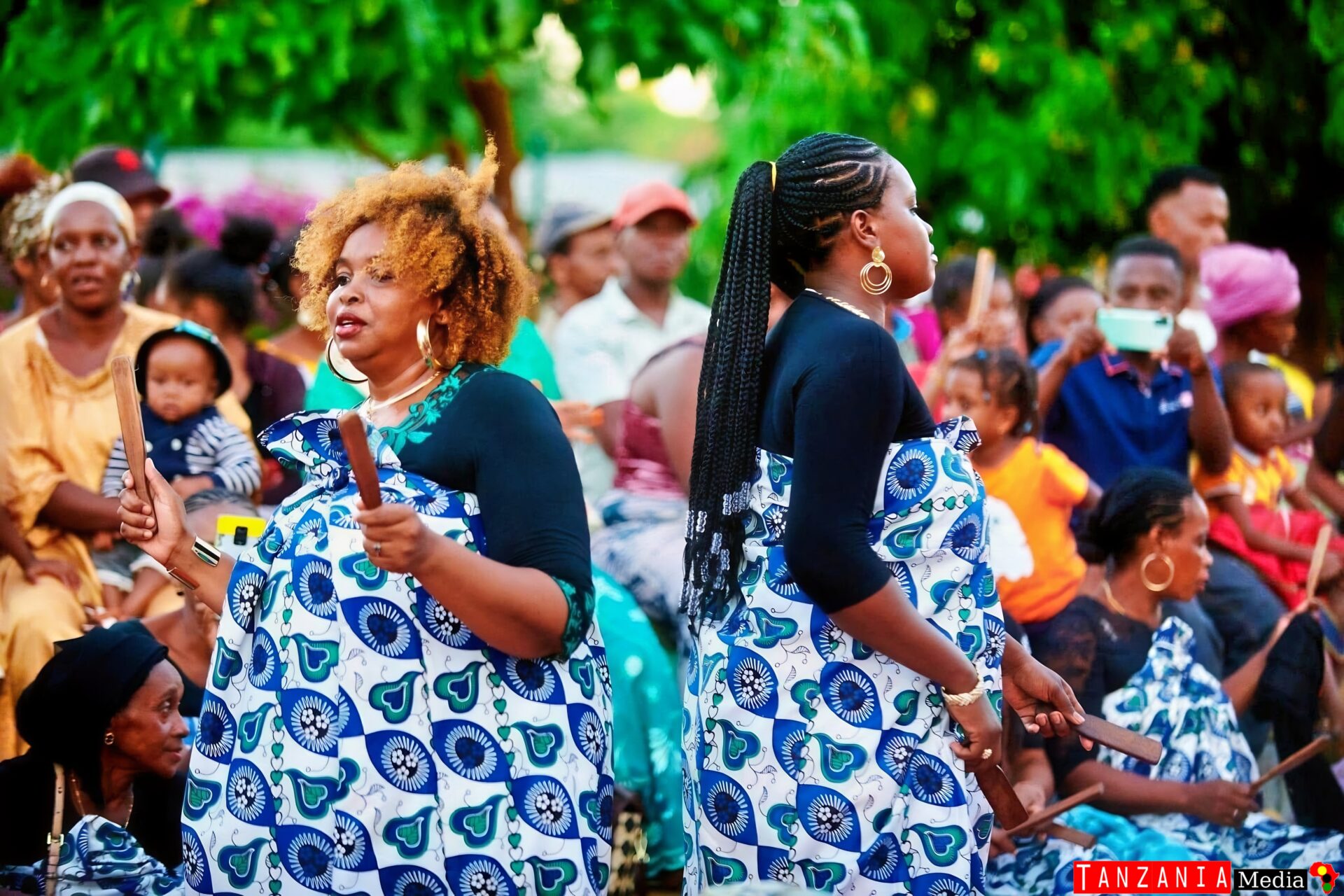 The cultural exchange was also evident in language. The Kiswahili language, which evolved on the Swahili Coast, reflects the cultural exchange of the Indian Ocean world. The language incorporates loanwords from Arabic, Persian, Hindi, and other languages, reflecting the influences of the traders and settlers who came to the coast from across the ocean. The language is not a mixture of languages but a coherent and expressive Bantu language, with a rich vocabulary and a sophisticated grammar.
 The understanding of the sea was not merely practical but also cultural, embedded in the beliefs, the rituals, and the artistic traditions of the Swahili people. The sea was a source of food, a highway for trade, a source of spiritual power, and a symbol of the interconnectedness of all things. The Swahili developed rituals and practices that expressed their relationship with the sea, including ceremonies for the launch of a new dhow, the beginning of the fishing season, and the arrival of the monsoon winds.
 The artistic traditions of the Swahili also reflected their relationship with the sea. The poetry, the songs, and the stories of the Swahili often contained references to the sea, the ships, and the maritime life, celebrating the beauty and the challenges of the sea. The art of the Swahili, including the carvings and the paintings on the dhows and the houses, also reflected the maritime themes.
 The classical sources also reflect the encounter between the Mediterranean and the African worlds, and the processes of cultural exchange and transformation that accompanied the trade. The texts provide evidence for the movement of peoples, goods, and ideas across the Indian Ocean, and they provide insights into the ways that the coastal communities were shaped by their participation in the trading system.
 The regional exchange networks were also shaped by the geography of the coast and the resources that it provided. The ports that controlled access to the trade routes were the most prosperous, and they were able to exercise influence over the surrounding region. The relationships between the coast and the interior were often mediated by kinship, alliance, and exchange, creating a complex web of political and economic relationships.
 The linguistic evidence is also supported by the oral traditions of the Swahili. The traditions, including the Kilwa Chronicle and the Shirazi traditions, are often cited as evidence of foreign colonisation, but a careful reading of the traditions reveals that they are more about the legitimisation of power and the negotiation of identity than about historical fact. The traditions are not a simple record of the past but a complex and contested field of cultural production, shaped by the political and social dynamics of the communities that produced them.
 The linguistic evidence is supported by the archaeological and historical evidence, which together provide a coherent picture of the indigenous origins of the Swahili people. The language, like the people, has grown from the soil of the East African coast, developing over millennia through the interactions of the coastal communities with each other and with the peoples of the interior. The language is not a mixture of Bantu and Arabic but a Bantu language with a significant number of loanwords from Arabic and other languages, reflecting the cultural exchanges that accompanied the Indian Ocean trade.
 The classification of Kiswahili within the North-East coastal Bantu subgroup is also supported by the archaeological evidence, which indicates that the coastal communities and the hinterland communities shared a common material culture and a common way of life. The pottery, the iron tools, and the other artefacts that have been found at coastal and hinterland sites reflect a common cultural tradition, and they provide evidence for the relationships between the communities.
 The linguistic evidence also challenges the essentialist and static notions of identity that have often been applied to the Swahili. The evidence demonstrates that identity is not fixed but fluid, shaped by the interactions between communities and the exchanges of goods, ideas, and people. The evidence also demonstrates that identity is not a simple matter of descent but a complex negotiation of belonging, shaped by language, culture, and history.
 The evolution of Kiswahili is also reflected in the social and cultural functions of the language. The language has been used for a variety of purposes, including trade, administration, education, religion, and the arts. The language has also been used for political mobilisation, for cultural expression, and for the negotiation of identity. The functions of the language have evolved over time, reflecting the changing needs and aspirations of the Swahili people.
 The Arabic loanwords are also adapted to the phonological and morphological system of Kiswahili. The loanwords are pronounced according to the rules of Kiswahili phonology, and they are inflected according to the rules of Kiswahili morphology. The adaptation reflects the agency of the Swahili people, who have selectively borrowed and adapted foreign words to suit their own needs and purposes.
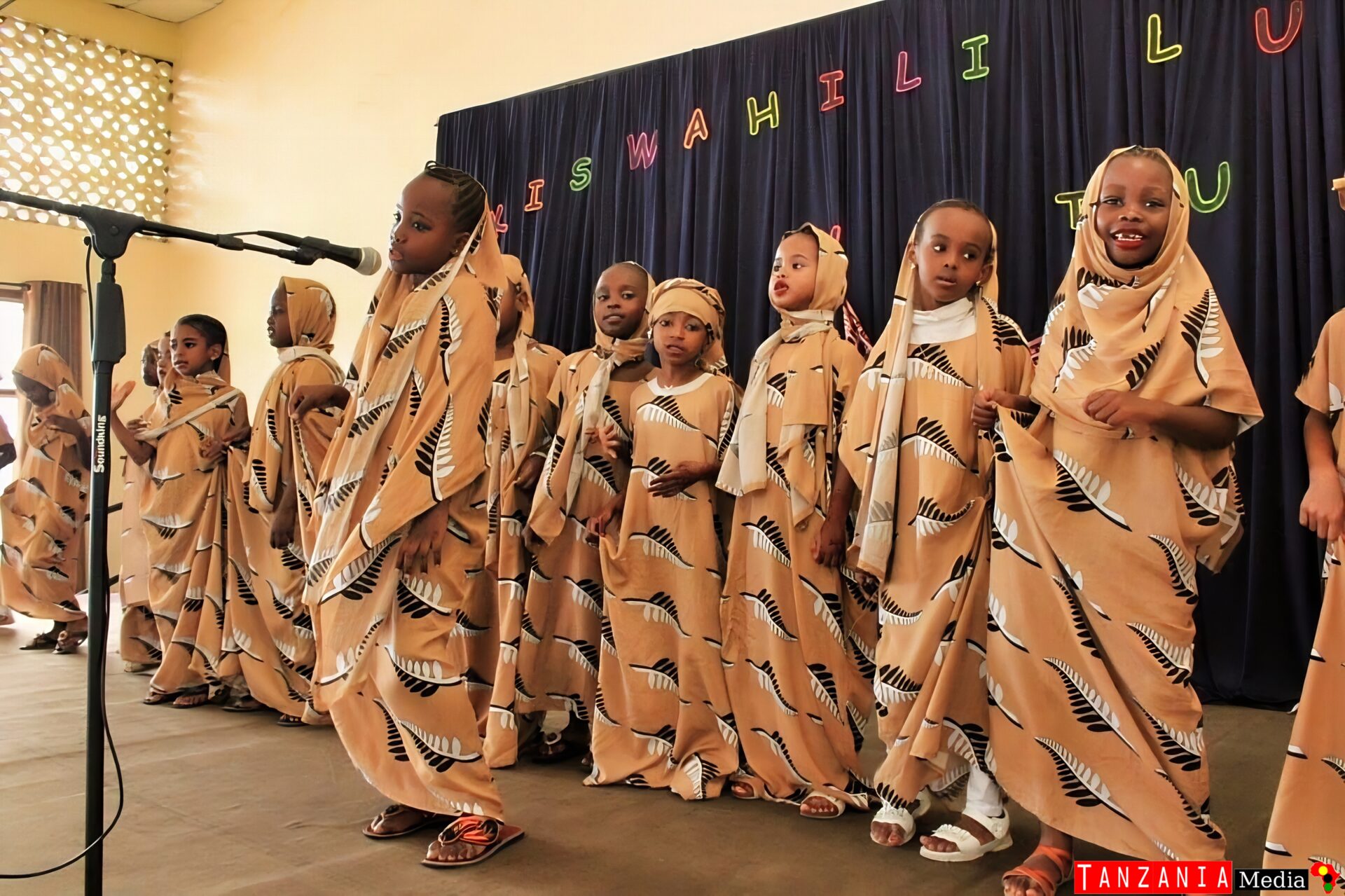 The river that receives the rain is a powerful symbol of the Swahili people—a people who have received influences from many sources but have remained fundamentally African, with a Bantu language, a Bantu culture, and a Bantu identity. The river is a symbol of resilience, of adaptation, and of continuity, and it is a reminder that the Swahili, like the river, have grown from the soil of the East African coast and have remained true to their roots. The river continues to flow, carrying the water of the rain to the sea, and the Swahili continue to speak their language, carrying the words of the ancestors to the future generations.
The Rise of Swahili Urbanism
-
The Stone Towns of the Swahili Coast: Monumental Architecture and the Emergence of Urban Civilisation
Introduction: The Coral That Became a City
“Jiwe la bahari linajenga mji wa milele” — The stone of the sea builds an eternal city.
This Swahili adage captures the profound transformation that occurred along the East African coast between the eighth and tenth centuries CE. The coral, which had long been part of the coastal environment, was now quarried, carved, and assembled into structures of enduring significance—palaces, mosques, and tombs that would become hallmarks of Swahili civilisation. The stone of the sea was not merely a building material but a symbol of permanence, power, and cultural achievement, enabling the construction of cities that would endure for centuries and shape the identity of the Swahili people.
The emergence of the “stone towns” along the Swahili Coast represented a fundamental transformation of coastal society. The urban centres with their monumental coral architecture were not merely larger versions of the villages that had preceded them but qualitatively different settlements, characterised by new forms of social organisation, new economic activities, and new cultural practices. The stone towns were the centres of political power, the nodes of trade networks, and the sites of cultural production, laying the foundations for a civilisation that would flourish for over a millennium.
The stone towns were not foreign creations but indigenous developments, shaped by the local environment and the local social and political dynamics. The coral architecture was an adaptation to the coastal environment, using the resources that the coast provided to create structures that were both functional and symbolic. The architecture was also a reflection of the cultural values of the Swahili people, expressing their Islamic faith, their social hierarchy, and their artistic sensibilities.
The Emergence of the Stone Towns: Historical Context
The emergence of the stone towns in the eighth to tenth centuries CE was not a sudden event but a gradual process, shaped by the interactions between the coastal communities and the peoples of the interior, and by the interactions between the coastal communities and the wider Indian Ocean world. The process was driven by the economic opportunities of the trade networks, the social and political dynamics of the coastal communities, and the cultural influences of the Islamic world.
The economic opportunities of the trade networks were a significant factor in the emergence of the stone towns. The trade with the Indian Ocean world provided wealth that could be invested in monumental architecture, and it provided access to new technologies, new materials, and new ideas. The trade also created new forms of social differentiation, with the merchants and the political leaders accumulating wealth and power that could be used to build the stone structures.
The social and political dynamics of the coastal communities were also significant. The emergence of the stone towns was associated with the consolidation of political power, the centralisation of authority, and the emergence of new forms of social hierarchy. The stone towns were the centres of political power, where the rulers and the elites exercised their authority and displayed their status.
 The cultural influences of the Islamic world were also significant. The adoption of Islam brought new religious practices, new architectural forms, and new cultural values to the coast. The mosques, the palaces, and the tombs of the stone towns reflected the Islamic faith and the Islamic architectural traditions, adapted to the local environment and the local cultural context.
“Jiwe la bahari linajenga mji wa milele” — The stone of the sea builds an eternal city. This adage captures the significance of the coral architecture in the emergence of the stone towns. The coral was not merely a building material but a symbol of permanence, power, and cultural achievement, enabling the construction of cities that would endure for centuries.
The Architectural Features of the Stone Towns
The stone towns of the Swahili Coast were characterised by a distinctive architecture, using coral stone and lime mortar to create structures of enduring significance. The architecture was an adaptation to the coastal environment, using the resources that the coast provided to create structures that were both functional and symbolic.
The coral stone was the primary building material of the stone towns. The coral was quarried from the living reefs, cut into blocks, and used to construct the walls, the foundations, and the other structural elements of the buildings. The coral was also used for decorative purposes, carved into intricate patterns and designs that adorned the mosques, the palaces, and the tombs.
The lime mortar was used to bind the coral blocks together, creating a durable and weather-resistant structure. The lime was produced by burning coral, limestone, or mollusc shells in kilns, and mixing the resulting lime with sand or earth to create a mortar. The lime mortar was an essential component of the coral architecture, enabling the construction of stable and durable structures.
The architecture of the stone towns was also characterised by a distinctive style, reflecting the cultural values and the artistic sensibilities of the Swahili people. The mosques were characterised by their mihrabs, their minarets, and their prayer halls, reflecting the Islamic architectural traditions. The palaces were characterised by their courtyards, their reception halls, and their private quarters, reflecting the social hierarchy and the political authority of the rulers. The tombs were characterised by their pillar forms, their decorative carvings, and their inscriptions, reflecting the religious beliefs and the social status of the deceased.
The Mosques: Centres of Faith and Community
The mosques were the most important structures of the stone towns, serving as centres of faith, community, and political authority. The mosques were the places where the community gathered for prayer, for instruction, and for social interaction, and they were the symbols of the Islamic faith and the Islamic identity of the Swahili people.
The mosques were often located in the centre of the town, near the market and the other public buildings. The mosques were oriented towards Mecca, with the mihrab indicating the direction of prayer. The mosques were also characterised by their minarets, from which the call to prayer was made, and by their prayer halls, where the community gathered for prayer.
The mosques were also centres of education, where the children were taught to read the Quran, to recite the prayers, and to understand the principles of the Islamic faith. The mosques were also centres of social welfare, where the poor and the needy were provided with food, shelter, and other forms of assistance.
The mosques were also symbols of political authority, with the rulers often serving as the patrons of the mosque construction and the leaders of the community prayer. The mosque was the place where the ruler displayed his piety, his power, and his commitment to the community.
The Palaces: Centres of Power and Authority
The palaces were the second most important structures of the stone towns, serving as the centres of political power and authority. The palaces were the residences of the rulers and the elites, and they were the places where the political, economic, and social affairs of the town were managed.
The palaces were often located in the most prominent positions of the town, near the mosque and the other public buildings. The palaces were characterised by their courtyards, their reception halls, and their private quarters, reflecting the social hierarchy and the political authority of the rulers.
The courtyards were the public spaces of the palace, where the ruler received visitors, conducted business, and administered justice. The reception halls were the spaces where the ruler held audiences, received delegations, and celebrated important events. The private quarters were the spaces where the ruler and his family lived, and where the ruler conducted his private affairs.
The palaces were also symbols of the wealth and the power of the ruler. The palaces were often decorated with elaborate carvings, intricate plasterwork, and imported materials, reflecting the wealth and the cosmopolitanism of the ruler. The palaces were also often surrounded by walls, reflecting the need for security and the desire for privacy.
The Tombs: Monuments to the Ancestors
The tombs were another significant feature of the stone towns, serving as monuments to the ancestors and symbols of the social status of the deceased. The tombs were often located in prominent positions, near the mosque or the palace, and they were often decorated with elaborate carvings and inscriptions.
The pillar tombs were the most distinctive form of Swahili tomb architecture. The pillar tombs were characterised by their tall pillars, which were often decorated with carved designs and inscriptions. The pillars were sometimes topped with decorative elements, such as ostrich eggs or porcelain bowls, reflecting the wealth and the status of the deceased.
The tombs were also sites of religious and social significance. The tombs were places where the community gathered to pray for the deceased, to honour the ancestors, and to celebrate important events. The tombs were also places where the social status and the lineage of the deceased were displayed, reinforcing the social hierarchy and the political authority of the elite.
The Social Organisation of the Stone Towns
The stone towns were characterised by a complex social organisation, with a hierarchy of classes and a division of labour that reflected the economic, political, and cultural functions of the town. The social organisation was based on kinship, descent, and status, with the waungwana at the top of the hierarchy and the watumwa at the bottom.
The waungwana, the free-born or nobly born, were the elite of the stone towns. The waungwana controlled the political, economic, and religious institutions of the town, and they lived in the stone houses that characterised the town. The waungwana were also the patrons of the mosque construction, the donors of the charitable foundations, and the leaders of the community.
The wazalia, the descendants of freed slaves or of mixed parentage, occupied a middle position in the social hierarchy. The wazalia were often involved in trade, craft production, or other economic activities, and they lived in the earthen houses that surrounded the stone structures. The wazalia were also often involved in the political and social life of the town, though they did not have the same status or authority as the waungwana.
The watumwa, the enslaved, were at the bottom of the social hierarchy. The watumwa were often brought from the interior or from other parts of the coast, and they were used for labour, domestic service, and other forms of work. The watumwa had few rights and little status, and they were subject to the authority and the control of their masters.
The Political Economy of the Stone Towns
The political economy of the stone towns was based on a combination of agriculture, trade, craft production, and the control of resources. The wealth that supported the stone towns came from the surplus of the agricultural and maritime economies, and from the profits of the trade networks that connected the coast to the interior and to the wider Indian Ocean world.
The agriculture was the foundation of the political economy. The farmers cultivated sorghum, millet, rice, and other crops, and they herded cattle, goats, and sheep. The agricultural surplus was used to support the urban population, to finance trade, and to fund the construction of the stone structures.
The trade was the source of the wealth that funded the stone towns. The merchants controlled the trade in ivory, gold, slaves, and other goods, and they accumulated wealth that could be used to build the stone structures and to exercise influence over the political process. The trade also created new forms of social differentiation, with the merchants and the political leaders at the top of the hierarchy.
The craft production was another source of wealth and power. The smiths, the potters, the weavers, and the other craftsmen produced goods that were in demand in the trade networks, and they accumulated wealth that could be used to acquire resources and to exercise influence.
The Cultural Significance of the Stone Towns
The stone towns were not merely economic or political centres but cultural centres, where the Swahili language, the Islamic faith, and the distinctive Swahili culture were developed and transmitted. The stone towns were the sites of cultural production, where the Swahili people developed the art, the architecture, the poetry, and the music that would define their civilisation.
The stone towns were also the sites of cultural exchange, where the Swahili people interacted with the peoples of the interior and the peoples of the Indian Ocean world, exchanging ideas, practices, and beliefs. The stone towns were the places where the Swahili people negotiated their identity in relation to the Other, defining themselves in opposition to the peoples of the interior, the peoples of the Arabian Peninsula, and the peoples of the Indian Ocean world.
The stone towns were also the sites of cultural preservation, where the Swahili people preserved the traditions, the values, and the memories that defined their civilisation. The stone towns were the places where the ancestors were honoured, the history was recorded, and the future was imagined.
The Enduring Legacy of the Stone Towns
The legacy of the stone towns is still evident today in the culture, the language, and the identity of the Swahili people. The stone towns established the patterns of urban life, the forms of social organisation, and the cultural practices that would characterise the Swahili civilisation for over a millennium.
The stone towns also established the connections between the coast and the interior, and between the coast and the wider Indian Ocean world, connections that have persisted to the present day. The trade networks that were established in the eighth to tenth centuries have continued to evolve and to expand, connecting the Swahili people to the wider world and providing the wealth and the resources that sustain their communities.
The stone towns also established the cultural traditions that have been transmitted through generations, including the language, the religion, and the customs of the Swahili people. The Kiswahili language, the Islamic faith, and the distinctive Swahili culture all have their roots in the stone towns of the eighth to tenth centuries, and they continue to shape the lives of the Swahili people today.
Conclusion: The Stone That Built an Eternal City
“Jiwe la bahari linajenga mji wa milele” — The stone of the sea builds an eternal city. This adage, in its full meaning, asserts the profound significance of the coral architecture in the emergence of the Swahili stone towns. The coral was not merely a building material but a symbol of permanence, power, and cultural achievement, enabling the construction of cities that would endure for centuries and shape the identity of the Swahili people.
The eighth to tenth centuries witnessed the emergence of the “stone towns”—urban centres with monumental coral architecture, including palaces, mosques, and tombs, that would become hallmarks of Swahili civilisation. These towns were not foreign creations but indigenous developments, shaped by the local environment and the local social and political dynamics. The towns were the centres of political power, the nodes of trade networks, and the sites of cultural production, laying the foundations for a civilisation that would flourish for over a millennium.
The stone that built the eternal city was not merely a material but a symbol, representing the strength, the resilience, and the creativity of the Swahili people. The stone was the foundation of the city, the expression of the culture, and the monument to the ancestors. The stone was the parent of the city, and the city was the parent of the Swahili civilisation. The stone towns still stand today, silent but eloquent witnesses to the achievements of the Swahili people, and they continue to inspire and to inform the present, reminding us of the power of human creativity, the importance of cultural preservation, and the enduring significance of the Swahili civilisation.
-
The Pottery of Connection: Early Tana Tradition and the Making of a Swahili World
Introduction: The Sherds That Speak
“Chungu kikivunjika, sauti yake inasikika mbali” — When a pot breaks, its sound is heard far away.
This Swahili adage captures the profound significance of pottery in understanding the connections that bound the Swahili Coast together. The sound of a breaking pot, like the news of a distant event, travels far beyond its immediate source, carrying meaning and significance to those who hear it. Similarly, the pottery of the Early Tana Tradition, with its distinctive decorative styles and widespread distribution, carries the sound of cultural connection across the entire Swahili Coast, from the Comoros Islands in the north to Mozambique in the south.
The Early Tana Tradition (ETT), also known as Triangular Incised Ware (TIW), represents one of the most significant archaeological phenomena on the East African coast. Dating from approximately 700 CE, this distinctive pottery style provides tangible evidence of cultural connections that spanned the entire Swahili Coast, linking communities across vast distances and creating a shared cultural identity that would persist for centuries. The pottery is not merely a collection of broken vessels but a testament to the networks of exchange, the movements of peoples, and the shared cultural practices that bound the Swahili world together.
The significance of ETT/TIW pottery lies not only in its widespread distribution but also in its uniformity of decorative style. The triangular incisions, the punctate decorations, and the distinctive rim forms that characterise this pottery are found from the Lamu Archipelago in the north to the Comoros Islands and Mozambique in the south. This uniformity suggests not merely the exchange of pots but the sharing of cultural practices, the movement of peoples, and the existence of a common cultural identity that transcended local boundaries.
The Characteristics of Early Tana Tradition Pottery
The Early Tana Tradition pottery is characterised by a distinctive set of decorative and formal features that distinguish it from other contemporary pottery traditions. The pottery is typically made from a well-levigated clay, fired at relatively high temperatures, and decorated with a range of incised, stamped, and impressed designs.
The most distinctive feature of ETT pottery is the triangular incised decoration that gives it its alternative name, Triangular Incised Ware. The triangular incisions are typically arranged in bands, often with punctate decorations between them. The incisions are made with a sharp tool, creating a crisp and precise line that contrasts with the darker surface of the pot.
The pottery also features a range of other decorative techniques, including shell impressions, zigzag lines, and arc lines. The shell impressions are made by pressing a shell into the wet clay, creating a distinctive pattern of small indentations. The zigzag lines are made by incising a continuous line that moves back and forth across the surface of the pot. The arc lines are made by incising a series of curved lines that intersect with each other.
The pottery also features a distinctive rim form, with the rims typically being thickened and often decorated with incised or impressed designs. The rims are sometimes everted, flaring outward from the body of the pot, and they are often decorated with a band of incised lines or shell impressions.
The Distribution of ETT/TIW Pottery
The distribution of ETT/TIW pottery extends across the entire Swahili Coast, from the Comoros Islands in the north to Mozambique in the south. The pottery has been found at sites along the coast of Somalia, Kenya, Tanzania, Mozambique, and the Comoros Islands, providing evidence of cultural connections that spanned the entire region.
The northernmost sites with ETT pottery include the Lamu Archipelago in Kenya, where the pottery has been found at sites such as Shanga and Manda. The pottery is also found at sites along the Kenyan coast, including Ungwana and Gedi, and at sites on the islands of Pemba and Zanzibar.
The southernmost sites with ETT pottery include the Comoros Islands, where the pottery has been found at sites such as Dembeni and Mro Dewa, and Mozambique, where the pottery has been found at sites such as Chibuene and Angoche. The presence of ETT pottery in the Comoros and Mozambique provides evidence of the southern extent of the cultural connections that bound the Swahili Coast together.
The distribution of ETT pottery is not uniform, with some sites having a higher concentration of the pottery than others. The sites with the highest concentration of ETT pottery are often the larger and more important sites, suggesting that the pottery was associated with the centres of political and economic power.
“Chungu kikivunjika, sauti yake inasikika mbali” — When a pot breaks, its sound is heard far away. This adage captures the significance of the widespread distribution of ETT pottery. The pottery, like the sound of the breaking pot, carries the message of cultural connection across vast distances, linking the communities of the Swahili Coast in a shared cultural identity.
The Significance of ETT/TIW Pottery for Understanding Swahili Origins
The ETT/TIW pottery provides crucial evidence for understanding the origins and the development of Swahili civilisation. The pottery demonstrates that the coastal communities were connected through shared cultural practices, shared economic networks, and shared social and political relationships.
The uniformity of the decorative style across such a wide area suggests that the pottery was not merely a utilitarian object but a marker of identity, a symbol of belonging to a broader cultural community. The pottery was not just a vessel for carrying food or water but a vessel for carrying meaning, carrying the message of shared identity across the coast.
The distribution of the pottery also suggests the existence of extensive trade networks that connected the coastal communities. The pottery was not simply made and used in the same place but was traded and exchanged across the coast, moving from one community to another through networks of exchange.
The pottery also suggests the movement of peoples across the coast. The uniformity of the decorative style suggests that the potters were not working in isolation but were connected through networks of apprenticeship, intermarriage, and migration. The potters were not merely producing pots but were also producing and reproducing the cultural identity that the pots represented.
The Political Economy of ETT/TIW Pottery
The political economy of ETT/TIW pottery reflects the broader economic and political dynamics of the Swahili Coast. The production, distribution, and consumption of the pottery were embedded in the relationships and institutions of the coastal communities, and they were shaped by the broader patterns of trade and exchange.
The production of ETT pottery was a specialised craft, requiring knowledge of clay preparation, firing techniques, and decorative styles. The potters were often members of specialised lineages or guilds, and they were often associated with the centres of political and economic power. The production of pottery was not merely a subsistence activity but a form of craft production that generated surplus and supported the urban centres.
The distribution of ETT pottery was facilitated by the trade networks that connected the coastal communities. The pottery was traded along the coast, moving from one community to another through networks of exchange. The pottery was also traded with the communities of the interior, providing a connection between the coast and the hinterland.
The consumption of ETT pottery was associated with status and prestige. The pottery was not merely a utilitarian object but a marker of status, a symbol of participation in the broader cultural community. The possession of ETT pottery signified not only wealth but also cultural sophistication, indicating that the owner was connected to the networks of exchange and the shared cultural identity of the Swahili Coast.
The Cultural Significance of ETT/TIW Pottery
The ETT/TIW pottery has profound cultural significance, reflecting the shared cultural identity and the common cultural practices of the Swahili people. The pottery is not merely a collection of broken vessels but a testament to the creativity, the sophistication, and the interconnectedness of the Swahili civilisation.
The pottery reflects the aesthetic sensibilities of the Swahili people. The incised designs, the shell impressions, and the other decorative techniques are not merely functional but expressive, reflecting the artistic traditions and the cultural values of the coastal communities. The pottery is a form of art, a medium for the expression of identity and the transmission of cultural knowledge.
The pottery also reflects the technological sophistication of the Swahili people. The production of pottery requires knowledge of clay preparation, firing techniques, and decorative styles, and the ETT pottery demonstrates that the Swahili possessed this knowledge and were able to produce high-quality ceramics.
The pottery also reflects the social and political organisation of the Swahili people. The production, distribution, and consumption of pottery were embedded in the relationships and institutions of the coastal communities, and they were shaped by the broader patterns of trade and exchange. The pottery is a window into the social and political life of the Swahili, revealing the networks of power, the patterns of exchange, and the structures of inequality that characterised the coastal communities.
The Historical Development of ETT/TIW Pottery
The ETT/TIW pottery tradition developed over several centuries, evolving in response to changing circumstances and new influences. The pottery tradition emerged in the seventh and eighth centuries, reached its peak in the ninth and tenth centuries, and then gradually declined as new pottery styles emerged.
The early phase of ETT pottery, dating from approximately 700 to 800 CE, is characterised by simple decorative designs, including triangular incisions and shell impressions. The pottery from this phase is often associated with the early coastal settlements, including the villages and the small towns that emerged along the coast.
The middle phase of ETT pottery, dating from approximately 800 to 900 CE, is characterised by more complex decorative designs, including the combination of triangular incisions with other decorative techniques. The pottery from this phase is often associated with the larger and more important settlements, including the emerging stone towns.
The late phase of ETT pottery, dating from approximately 900 to 1000 CE, is characterised by the development of regional variations, with the pottery from different parts of the coast showing distinctive features. The pottery from this phase is often associated with the consolidation of political power and the emergence of the city-states that would characterise the Swahili Coast in the second millennium CE.
The Regional Variations in ETT/TIW Pottery
While ETT/TIW pottery is characterised by a uniformity of decorative style, there are also regional variations that reflect the local conditions and the local cultural practices. The variations in the pottery provide evidence for the diversity of the Swahili coastal communities and the ways that they adapted to their local environments.
The pottery from the northern coast, including the Lamu Archipelago and the Kenyan coast, often features more complex decorative designs, reflecting the wealth and the sophistication of the northern settlements. The pottery from the southern coast, including the Comoros and Mozambique, often features simpler decorative designs, reflecting the different economic and political conditions of the southern settlements.
The regional variations also reflect the different raw materials and the different firing techniques that were available in different parts of the coast. The clay from the northern coast is often different from the clay from the southern coast, and the potters adapted their techniques to the local materials.
The regional variations also reflect the different cultural influences that were present in different parts of the coast. The northern coast, with its closer connections to Arabia and the Persian Gulf, shows more evidence of foreign influences, while the southern coast, with its closer connections to the interior, shows more evidence of African influences.
The Enduring Legacy of ETT/TIW Pottery
The legacy of ETT/TIW pottery is still evident today in the pottery traditions of the Swahili Coast. The decorative styles, the firing techniques, and the cultural practices that were developed in the ETT period have been transmitted through generations, continuing to shape the pottery traditions of the contemporary Swahili communities.
The legacy is also evident in the archaeological record, with ETT pottery providing a valuable source of information about the history, the culture, and the identity of the Swahili people. The pottery is a tangible link to the past, enabling the reconstruction of the networks of exchange, the movements of peoples, and the shared cultural practices that bound the Swahili world together.
The legacy is also evident in the contemporary identity of the Swahili people. The shared cultural identity that the ETT pottery represents is still present today, connecting the Swahili communities across the coast and providing a basis for cultural solidarity and political mobilisation.
Conclusion: The Pottery That Speaks Across the Coast
“Chungu kikivunjika, sauti yake inasikika mbali” — When a pot breaks, its sound is heard far away. This adage, in its full meaning, captures the profound significance of ETT/TIW pottery for understanding the cultural connections that bound the Swahili Coast together. The pottery, like the sound of the breaking pot, carries the message of cultural connection across vast distances, linking the communities of the Swahili Coast in a shared cultural identity.
The Early Tana Tradition pottery, dating from approximately 700 CE, provides archaeological evidence of cultural connections spanning the entire Swahili Coast, from the Comoros to Mozambique. The pottery is characterised by a distinctive set of decorative and formal features that are found across the coast, demonstrating the existence of shared cultural practices, shared economic networks, and shared social and political relationships.
The pottery is not merely a collection of broken vessels but a testament to the creativity, the sophistication, and the interconnectedness of the Swahili civilisation. The pottery reflects the aesthetic sensibilities, the technological sophistication, and the social and political organisation of the Swahili people, providing a window into their world and their way of life.
The pottery also speaks to the enduring legacy of the Swahili civilisation, which continues to shape the identity and the culture of the coastal communities today. The shared cultural identity that the ETT pottery represents is still present today, connecting the Swahili communities across the coast and providing a basis for cultural solidarity and political mobilisation. The sound of the breaking pot may fade, but the message that it carries endures, connecting the present to the past and the future to the present.
-
Tumbe of Pemba: The Bead-Making Metropolis of the Early Swahili World
Introduction: The Island That Sparkled
“Shanga moja haitengenezi mkufu” — A single bead does not make a necklace.
This Swahili adage speaks to the collective endeavour that characterised the early Swahili settlements of the East African coast. Just as a necklace requires many beads strung together to create something of beauty and value, the civilisation of the Swahili Coast was built through the collective efforts of many communities, each contributing its own resources, skills, and products to a shared cultural and economic system. The beads that were produced at Tumbe were not merely ornaments but links in a chain of exchange that connected the island of Pemba to the wider Indian Ocean world.
The site of Tumbe on Pemba Island, dating from the seventh to tenth centuries CE, represents one of the earliest and most significant Swahili settlements yet discovered. The site is not merely an archaeological curiosity but a window into the early development of Swahili civilisation, revealing the intensive production of shell beads, the engagement in long-distance trade, and the emergence of social complexity that would characterise the later stone towns.
Tumbe was not a stone town but a sprawling village of earth-and-thatch structures, yet it was a settlement of remarkable size and sophistication. The evidence for intensive bead production, the presence of imported goods from across the Indian Ocean, and the scale of the settlement all suggest that Tumbe was a significant centre of economic and social activity, a place where the connections between the coast and the wider world were forged and maintained.
The Location and Environment of Tumbe
Tumbe is located on Pemba Island, one of the three major offshore islands of Tanzania, along with Zanzibar and Mafia. Pemba is a lush agricultural island, characterised by its fertile soils, its abundant rainfall, and its rich marine resources. The island has been inhabited for over two millennia, with the earliest known settlements dating to the seventh century CE.
The location of Tumbe on the northern coast of Pemba provided access to the rich marine resources of the surrounding waters, including fish, shellfish, and other marine organisms. The location also provided access to the trade routes that connected the island to the mainland and to the wider Indian Ocean world. The island was not isolated but connected, a node in a network of exchange that spanned the coast and the ocean.
The environment of Pemba was also characterised by the abundance of marine resources that could be used for bead production. The shells of various marine organisms, including cowries, conchs, and other species, were collected from the surrounding waters and processed into beads. The shells were not merely a source of food but a source of raw material for craft production, providing the basis for the intensive bead-making industry that characterised Tumbe.
“Shanga moja haitengenezi mkufu” — A single bead does not make a necklace. This adage captures the collective endeavour that characterised Tumbe. The production of beads required the collective effort of many individuals, each contributing their skills and labour to the process. The beads were not merely ornaments but links in a chain of exchange that connected the island to the wider world.
The Archaeological Discovery of Tumbe
The archaeological discovery of Tumbe was a significant event in the study of Swahili civilisation. The site had been known to local residents for generations, but it was only in the 1990s that systematic archaeological investigations were conducted, revealing the true extent and significance of the settlement.
The excavations at Tumbe have revealed a settlement of considerable size, covering approximately twenty-five hectares. The settlement consisted of numerous earth-and-thatch structures, which have been preserved through the dry conditions of the site. The structures are not merely the remains of simple houses but the evidence of a complex and organised settlement, with distinct areas for residential, productive, and public activities.
The excavations have also revealed a rich assemblage of artefacts, including pottery, iron tools, glass beads, and the distinctive grinders that were used for bead production. The artefacts provide evidence of the economic activities, the social relationships, and the cultural practices that characterised the settlement.
The excavations have also provided evidence of the chronology of the settlement. The radiocarbon dates indicate that the settlement was occupied from the seventh to the tenth centuries CE, with the peak of occupation occurring in the eighth and ninth centuries. The settlement was abandoned in the tenth century, for reasons that are not yet fully understood.
The Intensive Bead Production at Tumbe
The intensive bead production at Tumbe is one of the most remarkable features of the site. The evidence for bead production is extensive, including the presence of shell beads, the presence of grinders, and the presence of other tools and materials associated with bead-making.
The beads were made from the shells of various marine organisms, including cowries, conchs, and other species. The shells were collected from the surrounding waters, processed to remove the outer layers, and then ground into the desired shape. The beads were often polished to a high sheen, creating a decorative object that was valued for its beauty and its durability.
The grinders that were used for bead production are particularly significant. The grinders are pieces of pottery or stone that have been grooved through use, creating a distinctive pattern of wear that indicates their function. The grinders were used to shape and polish the beads, creating the smooth and rounded surfaces that were characteristic of the finished product.
The evidence for bead production is not merely a matter of individual artefacts but of the scale and the organisation of production. The presence of thousands of grinders, the presence of large quantities of shell waste, and the presence of other evidence of bead production all suggest that bead-making was a major economic activity at Tumbe, involving the labour of many individuals and the organisation of production on a significant scale.
The Long-Distance Trade Connections of Tumbe
The long-distance trade connections of Tumbe are another remarkable feature of the site. The presence of imported goods from across the Indian Ocean provides evidence of the participation of the settlement in the Indian Ocean trading system, connecting the island to Arabia, Persia, India, and beyond.
The imported goods include ceramics, glass, and beads from the Persian Gulf, India, and China. The ceramics include Sasanian-Islamic jars, Siraf storage jars, and other types of pottery that were produced in the Persian Gulf region. The glass includes beads and vessels that were produced in India and the Middle East. The beads include carnelian and other semi-precious stones that were imported from India and other regions.
The presence of these imported goods is not merely a matter of the acquisition of foreign objects but of the participation in a wider economic system. The imported goods were acquired through trade, exchanged for the local products that were produced at Tumbe. The local products, including the shell beads, the iron tools, and the agricultural produce, were traded for the imported goods, creating a system of exchange that connected the island to the wider world.
The long-distance trade connections also reflect the social and political relationships that characterised the Swahili Coast. The merchants who controlled the trade accumulated wealth and power, and they used this wealth and power to build the structures and to exercise influence over the political process. The trade also created new forms of social differentiation, with the merchants and the political leaders at the top of the hierarchy and the farmers, fishers, and herders at the bottom.
The Social Organisation of Tumbe
The social organisation of Tumbe was based on kinship, descent, and lineage, which provided the framework for economic activities, social relationships, and political authority. The lineage, defined by descent through the male line, was the primary unit of social organisation, and it provided the basis for the allocation of resources, the resolution of disputes, and the exercise of power.
The evidence for bead production suggests that the production was organised on a household basis, with individual households engaged in the production of beads for trade. The presence of grinders in the domestic areas of the settlement suggests that the production was not centralised but distributed, with many individuals and families participating in the production.
The evidence for trade suggests that the control of trade was in the hands of a merchant elite, who accumulated wealth and power through their control of the exchange networks. The merchants were often members of the waungwana, the free-born patricians, and they used their wealth to build the stone houses and the other structures that characterised the later stone towns.
The evidence for social differentiation is also present in the burial practices of the settlement. The presence of elaborate tombs, some with imported goods, suggests that there was a hierarchy of status, with the wealthy and powerful buried with greater elaboration than the poor and the powerless.
The Political Economy of Tumbe
The political economy of Tumbe was based on a combination of agriculture, fishing, bead production, and trade. The farmers, fishers, and bead makers produced the surplus that sustained the settlement, and the merchants who controlled the trade accumulated wealth and power that could be used to build the structures and to exercise influence over the political process.
The agriculture was the foundation of the political economy. The farmers cultivated sorghum, millet, and other crops, and they herded cattle, goats, and sheep. The agricultural surplus was used to support the non-producing members of the community, including the bead makers, the merchants, and the political leaders.
The bead production was a source of wealth and power. The beads were traded for imported goods, and the control of the bead production provided a basis for the accumulation of wealth and the exercise of power. The bead production also created new forms of social differentiation, with the bead makers occupying a position between the farmers and the merchants.
The trade was a source of wealth and power for the merchants. The control of the trade provided access to imported goods, which were in high demand and could be used to acquire status and influence. The trade also provided access to new technologies, new ideas, and new cultural practices.
The Cultural Significance of Tumbe
Tumbe is not merely an archaeological site but a symbol of the creativity, the sophistication, and the interconnectedness of the early Swahili civilisation. The site provides evidence of the intensive production of beads, the engagement in long-distance trade, and the emergence of social complexity that would characterise the later stone towns.
The beads that were produced at Tumbe are not merely ornaments but symbols of status, identity, and connection. The beads were traded across the Indian Ocean, linking the island to the wider world, and they were used in social and cultural practices, marking the status and the identity of their wearers.
The long-distance trade connections of Tumbe are also significant, reflecting the participation of the settlement in the Indian Ocean trading system. The trade provided access to new goods, new technologies, and new ideas, and it connected the island to the wider world.
The site also provides evidence of the cultural practices that characterised the early Swahili civilisation. The production of beads, the engagement in trade, and the organisation of social and political life all reflect the values, the beliefs, and the identity of the Swahili people.
The Enduring Legacy of Tumbe
The legacy of Tumbe is still evident today in the culture, the language, and the identity of the Swahili people. The bead production, the trade networks, and the social organisation that characterised the settlement have been transmitted through generations, continuing to shape the lives of the contemporary Swahili communities.
The legacy is also evident in the archaeological record, with Tumbe providing a valuable source of information about the history, the culture, and the identity of the Swahili people. The site is a tangible link to the past, enabling the reconstruction of the networks of exchange, the movements of peoples, and the shared cultural practices that bound the Swahili world together.
The legacy is also evident in the contemporary identity of the Swahili people. The shared cultural identity that the beads and the trade represent is still present today, connecting the Swahili communities across the coast and providing a basis for cultural solidarity and political mobilisation.
Conclusion: The Necklace That Spans the Ocean
“Shanga moja haitengenezi mkufu” — A single bead does not make a necklace. This adage, in its full meaning, captures the collective endeavour that characterised the early Swahili settlements and the connections that bound the Swahili world together. Just as a necklace requires many beads strung together, the Swahili civilisation was built through the collective efforts of many communities, each contributing its own resources, skills, and products to a shared cultural and economic system.
Tumbe on Pemba Island, dating from the seventh to tenth centuries CE, represents one of the earliest and most significant Swahili settlements. The site provides evidence of intensive bead production, long-distance trade, and the emergence of social complexity that would characterise the later stone towns. The beads that were produced at Tumbe were not merely ornaments but links in a chain of exchange that connected the island to the wider Indian Ocean world.
The site is a testament to the creativity, the sophistication, and the interconnectedness of the early Swahili civilisation. The bead production, the trade networks, and the social organisation that characterised the settlement reflect the values, the beliefs, and the identity of the Swahili people. The legacy of Tumbe is still evident today, in the culture, the language, and the identity of the Swahili people, and in the connections that continue to bind the Swahili Coast to the wider Indian Ocean world.
The necklace that spans the ocean is not merely a metaphor but a reality, a network of exchange and connection that has persisted for over a millennium. The beads that were produced at Tumbe are still being strung, the trade networks that connected the island to the wider world are still being used, and the shared cultural identity that characterised the early Swahili civilisation is still being expressed. The necklace is not complete—it is still being made, with new beads being added, new connections being forged, and new communities being incorporated into the Swahili world.
-
Unguja Ukuu and the Ancient Indian Ocean World: Zanzibar’s Place in the Tapestry of Global Trade
Introduction: The Shore Where East Met West
“Upepo wa bahari unaleta habari za mbali” — The ocean wind brings news from afar.
This Swahili adage speaks to the ancient connections that linked the East African coast to the wider Indian Ocean world and beyond. The ocean wind, which has blown across the waters for millennia, has carried not only ships and goods but also ideas, cultures, and peoples, connecting the shores of Africa to the shores of Arabia, India, and the Mediterranean world. The news that the wind brings is not merely information but the substance of history itself—the stories of merchants, travellers, and settlers who have crossed the ocean in search of trade, adventure, and new beginnings.
Unguja Ukuu on Zanzibar, one of the earliest trading centres on the East African coast, has yielded evidence of contacts with Roman Egypt as early as the fifth century CE. This evidence, including Roman pottery, glass, and other artefacts, demonstrates the antiquity of Indian Ocean connections and the participation of the East African coast in the global trading systems of the ancient world. The presence of Roman goods on Zanzibar is not merely a matter of archaeological curiosity but a testament to the reach of the trading networks that connected the Mediterranean world to the Indian Ocean and beyond.
The evidence from Unguja Ukuu challenges the notion that the East African coast was a passive recipient of foreign influence or a peripheral player in the global economy. Instead, it suggests that the coast was an active participant in the trading systems of the ancient world, connected to the major centres of civilisation through networks of exchange that spanned the known world. The contacts with Roman Egypt were not isolated incidents but part of a broader pattern of engagement that would continue and intensify over the following centuries.
The Historical Context of Indian Ocean Trade
The Indian Ocean trade network, which connected the East African coast to the wider world, has a history that stretches back over two millennia. The network was not a single entity but a complex system of overlapping and interconnected routes, linking the ports of the Red Sea, the Persian Gulf, and the Indian Ocean to the markets of the Mediterranean, the Middle East, and Asia.
The trade network was facilitated by the monsoon winds, which enabled predictable and reliable navigation across the Indian Ocean. The winds, which blow from the northeast from November to March and from the southeast from May to October, enabled merchants to plan their voyages with confidence, knowing that they could complete the round trip within a single year.
The trade network was also facilitated by the development of maritime technologies, including the lateen sail, the dhow, and the navigational techniques that enabled sailors to find their way across the open ocean. The technologies were not static but dynamic, evolving over the centuries in response to changing circumstances and new challenges.
The trade network was also facilitated by the social and political relationships that connected the merchants and the communities of the Indian Ocean world. The merchants relied on networks of trust, kinship, and religion to conduct their business, and the relationships were often mediated by shared beliefs, shared languages, and shared cultural practices.
“Upepo wa bahari unaleta habari za mbali” — The ocean wind brings news from afar. This adage captures the historical reality of the Indian Ocean trade network, which brought news of distant lands and peoples to the East African coast. The wind, like the merchants who followed it, carried the news of the world, connecting the shores of Africa to the shores of the Mediterranean and beyond.
The Archaeological Evidence from Unguja Ukuu
The archaeological evidence from Unguja Ukuu provides a tangible link to the ancient Indian Ocean world. The site, located on the southwestern coast of Zanzibar, has been the subject of extensive archaeological investigations, revealing a rich assemblage of artefacts that attest to the engagement of the settlement with the wider world.
The evidence for contacts with Roman Egypt includes Roman pottery, glass, and other artefacts that have been found at the site. The pottery includes amphorae, which were used for transporting wine, olive oil, and other commodities, and fine tablewares, which were used for dining and other social activities. The glass includes vessels, beads, and other objects that were produced in the Roman Empire and traded across the Indian Ocean.
The evidence is not merely a matter of a few isolated finds but of a pattern of engagement that spanned several centuries. The presence of Roman goods from the fifth century CE onwards suggests that the contacts were not sporadic but sustained, with merchants and traders from the Roman Empire regularly visiting the East African coast.
The evidence also includes other imported goods, including ceramics, glass, and beads from the Persian Gulf, India, and other regions. The presence of these goods suggests that Unguja Ukuu was not a peripheral settlement but a node in a network of exchange that connected the coast to the major centres of the ancient world.
The Significance of the Roman Contacts
The contacts with Roman Egypt are significant for several reasons. First, they demonstrate the antiquity of Indian Ocean connections, showing that the East African coast was integrated into the global trading systems of the ancient world from an early date.
Second, the contacts demonstrate the extent of the trading networks, showing that the Roman Empire was connected to East Africa through a chain of exchange that spanned the Red Sea, the Indian Ocean, and the East African coast.
Third, the contacts demonstrate the diversity of the trade, showing that the goods exchanged were not limited to a few commodities but included a wide range of products, from wine and oil to glass and pottery.
Fourth, the contacts demonstrate the agency of the East African communities, showing that they were not passive recipients of foreign goods but active participants in the exchange. The communities of the coast were not simply awaiting the arrival of foreign merchants but were engaged in their own trading activities, connecting the interior to the coast and the coast to the wider world.
The contacts also demonstrate the economic significance of the East African coast. The coast was not a peripheral region but a source of valuable commodities, including ivory, tortoiseshell, and other products, which were in demand in the markets of the Roman Empire and beyond.
The Trade Goods of the Ancient Indian Ocean
The trade goods of the ancient Indian Ocean were diverse and varied, reflecting the different resources and the different demands of the regions that were connected through the trading networks. The East African coast was a source of several valuable commodities, including ivory, tortoiseshell, rhinoceros horn, and other products.
Ivory was one of the most important exports of the East African coast. The ivory was obtained from elephants in the interior, and it was transported to the coast through networks of exchange that connected the interior communities to the coastal settlements. The ivory was then exported to the markets of the Roman Empire, India, and other regions, where it was used for carving, decoration, and other purposes.
Tortoiseshell was another important export. The tortoiseshell was obtained from hawksbill turtles, which were found in the coastal waters, and it was used for making decorative objects, including jewellery, boxes, and other items. The tortoiseshell was highly valued in the markets of the Roman Empire and beyond.
Rhinoceros horn was also a valuable commodity. The horn was obtained from rhinoceroses in the interior, and it was used for making objects, including handles for weapons, and for medicinal purposes. The horn was highly valued in the markets of the Roman Empire and beyond.
Other exports included animal skins, gums, and resins, which were used for a variety of purposes, including medicine, perfumery, and other uses. The exports were not limited to a few commodities but included a wide range of products that were in demand in the markets of the ancient world.
The Social Organisation of Trade
The trade of the ancient Indian Ocean was not merely an economic activity but a social one, embedded in the relationships and institutions of the communities that participated in it. The trade was organised through networks of kinship, trust, and obligation, and it was facilitated by the shared cultural practices and the shared beliefs of the merchants and the communities.
The kinship networks were particularly important. The merchants often operated through family networks, with members of the same lineage or clan trading with each other and sharing information, capital, and risk. The kinship networks provided a basis for trust and cooperation that was essential for long-distance trade, where the parties could not rely on legal systems that were distant and unreliable.
The religious networks were also important. The shared religious beliefs, including the belief in a common God and the adherence to common religious practices, provided a basis for trust and cooperation. The religious networks also provided a framework for the resolution of disputes and the enforcement of contracts.
The political networks were also significant. The merchants often had relationships with the political leaders of the coastal communities, who provided protection and support in exchange for a share of the profits. The political relationships were often mediated by kinship, marriage, and alliance, creating a complex web of relationships that connected the merchants to the centres of power.
The Political Economy of the Ancient Indian Ocean Trade
The political economy of the ancient Indian Ocean trade was shaped by the interaction of economic, social, and political factors. The trade generated wealth that could be used to acquire land, livestock, and other resources, and to exercise influence over the political process. The trade also created new forms of social differentiation, with the merchants and the political leaders at the top of the hierarchy and the farmers, fishers, and herders at the bottom.
The control of the trade was often in the hands of a merchant elite, who accumulated wealth and power through their control of the exchange networks. The elite were often members of the waungwana, the free-born patricians, and they used their wealth to build the stone houses and the other structures that characterised the later stone towns.
The trade also created new forms of political organisation. The settlements that controlled the trade were often the most powerful, and they were able to exercise influence over the surrounding region. The relationships between the settlements were often competitive, with the settlements vying for control of the trade routes and the resources that they provided.
The trade also created new forms of economic organisation. The production of goods for trade, including the beads, the iron tools, and the other products, required the organisation of labour and the coordination of activities. The production was often organised on a household basis, with individual households producing goods for trade, but it could also be organised on a larger scale, with the merchants financing and coordinating the production.
The Cultural Significance of the Roman Contacts
The Roman contacts have profound cultural significance, reflecting the cosmopolitanism and the openness of the East African coastal communities. The presence of Roman goods in the coastal settlements demonstrates that the communities were not isolated but connected to the wider world, participating in the cultural exchanges that accompanied the trade.
The Roman goods were not merely economic commodities but cultural objects, carrying the meanings and the values of the Roman world. The wine, the oil, the glass, and the pottery were not merely utilitarian objects but symbols of status and sophistication, marking the owners as participants in a wider cultural world.
The Roman contacts also reflect the cultural exchanges that accompanied the trade. The exchange of goods was accompanied by the exchange of ideas, beliefs, and practices, creating a cosmopolitan culture that was shaped by the interactions between the coastal communities and the peoples of the Mediterranean world.
The Roman contacts also reflect the cultural identity of the East African communities. The communities were not passive recipients of foreign influence but active participants in the exchange, selectively adopting and adapting the foreign goods and ideas to suit their own needs and purposes.
The Enduring Legacy of Unguja Ukuu
The legacy of Unguja Ukuu is still evident today in the culture, the language, and the identity of the Swahili people. The contacts with Roman Egypt and the other regions of the ancient world established patterns of engagement that would continue and intensify over the following centuries, connecting the East African coast to the wider Indian Ocean world.
The legacy is also evident in the archaeological record, with Unguja Ukuu providing a valuable source of information about the history, the culture, and the identity of the Swahili people. The site is a tangible link to the past, enabling the reconstruction of the networks of exchange, the movements of peoples, and the shared cultural practices that bound the Swahili world together.
The legacy is also evident in the contemporary identity of the Swahili people. The connections with the wider world that were established in the ancient period are still present today, shaping the culture, the language, and the identity of the coastal communities. The Swahili people are not merely African but cosmopolitan, shaped by their engagement with the wider world over two millennia.
Conclusion: The News That the Wind Still Brings
“Upepo wa bahari unaleta habari za mbali” — The ocean wind brings news from afar. This adage, in its full meaning, captures the enduring significance of the ancient connections that linked the East African coast to the wider world. The wind that brings the news is still blowing, and the news that it brings is still arriving, connecting the shores of Africa to the shores of the Mediterranean, the Middle East, and Asia.
Unguja Ukuu on Zanzibar, with its evidence of contacts with Roman Egypt as early as the fifth century CE, demonstrates the antiquity of Indian Ocean connections and the participation of the East African coast in the global trading systems of the ancient world. The site is a testament to the creativity, the sophistication, and the interconnectedness of the early Swahili civilisation, and it provides a tangible link to the past.
The legacy of these ancient connections is still evident today, in the culture, the language, and the identity of the Swahili people. The patterns of engagement that were established in the ancient period have persisted and evolved, connecting the Swahili Coast to the wider Indian Ocean world and beyond. The news that the wind brings is not merely historical but contemporary, shaping the lives and the identities of the coastal communities in the present.
The wind is still blowing, and the news is still arriving, carrying the stories of the past and the possibilities of the future. The Swahili people, like the wind, are still connected, still engaged, and still open to the news from afar. The ocean that separated the continents is also the ocean that connects them, and the wind that brings the news is the wind that carries the hope of a shared future.
-
The Islamic Transformation: Faith, Architecture, and Community on the 11th-12th Century Swahili Coast
Introduction: The Mosque That Unites the Faithful
“Msikiti ni moyo wa mji” — The mosque is the heart of the town.
This Swahili adage captures the profound transformation that occurred along the East African coast in the 11th and 12th centuries. The mosque, which emerged as the central institution of Swahili urban life, was not merely a place of worship but the beating heart of the community, the centre of religious, social, and political life. The mosque was where the faithful gathered for prayer, where the community came together for celebration and mourning, and where the leaders exercised their authority and dispensed justice.
The 11th and 12th centuries witnessed a dramatic transformation in coastal life, with the widespread adoption of Islam and the construction of monumental coral mosques that served as centres of religious and community life. This transformation was not a sudden event but a gradual process, shaped by the interactions between the coastal communities and the peoples of the Indian Ocean world, and by the political and economic dynamics of the region. The adoption of Islam brought new religious practices, new cultural values, and new forms of social and political organisation, fundamentally reshaping the character of Swahili civilisation.
The monumental coral mosques that were constructed during this period were not merely places of worship but symbols of the new faith and the new order. The mosques were built of coral stone, a material that was both durable and symbolic, representing the permanence and the power of the Islamic faith. The mosques were also architectural masterpieces, reflecting the skill and the creativity of the Swahili builders, and they were often decorated with elaborate carvings, intricate plasterwork, and imported materials, reflecting the wealth and the cosmopolitanism of the coastal communities.
The Historical Context of the Islamic Transformation
The adoption of Islam by the Swahili communities was not a sudden event but a gradual process, shaped by the interactions between the coastal communities and the peoples of the Indian Ocean world. The process began in the early centuries of the Islamic era, with the arrival of Muslim merchants, sailors, and settlers on the East African coast, and it accelerated in the 11th and 12th centuries, with the widespread adoption of the faith and the construction of monumental mosques.
The adoption of Islam was facilitated by the trade networks that connected the coast to the Islamic world. The merchants who came to the coast brought not only goods but also their faith, and they often established communities that practised their religion and maintained their cultural traditions. The local communities, who were already engaged in trade with the Muslim merchants, were exposed to the Islamic faith and its practices, and many of them gradually adopted the faith.
The adoption of Islam was also facilitated by the social and political dynamics of the coast. The Islamic faith provided a common identity that could unite the diverse communities of the coast, and it provided a framework for social and political organisation that was both effective and legitimate. The leaders who adopted Islam were often able to consolidate their power and to extend their influence, using the faith as a basis for their authority.
The adoption of Islam was also facilitated by the cultural values of the Swahili people. The Swahili were already oriented towards the Indian Ocean world, and they were open to the influences of the peoples who came from across the sea. The adoption of Islam was not a rejection of their own culture but an incorporation of new elements into an existing framework, a process of synthesis and adaptation.
“Msikiti ni moyo wa mji” — The mosque is the heart of the town. This adage captures the central role that the mosque played in the Islamic transformation. The mosque was not merely a place of worship but the heart of the community, the centre of religious, social, and political life.
The Adoption of Islam: Motivations and Processes
The adoption of Islam by the Swahili communities was motivated by a combination of economic, social, and political factors. The economic benefits of conversion were significant, as the adoption of Islam facilitated trade with the Muslim merchants who dominated the Indian Ocean trade. The Muslim merchants often preferred to trade with their co-religionists, and the conversion to Islam could provide access to the networks of trust and obligation that underpinned the trade.
The social benefits of conversion were also significant. The adoption of Islam provided a common identity that could unite the diverse communities of the coast, and it provided a framework for social and political organisation that was both effective and legitimate. The conversion to Islam was often associated with the adoption of new cultural practices, including new forms of dress, new forms of architecture, and new forms of social interaction, which could confer status and prestige on the converts.
 The political benefits of conversion were also significant. The adoption of Islam often provided a basis for the consolidation of power and the extension of influence. The leaders who adopted Islam were often able to use the faith to legitimate their authority, to build alliances with other Muslim leaders, and to mobilise support for their policies.
The processes of conversion were varied and complex. Some individuals and communities converted voluntarily, attracted by the economic, social, and political benefits of the faith. Others converted through the influence of their rulers, who adopted Islam and required their subjects to follow. Still others converted through the influence of the Muslim merchants and settlers, who established communities and practised their religion in the coastal towns.
The Construction of Monumental Mosques
The construction of monumental coral mosques was one of the most visible expressions of the Islamic transformation. The mosques were built of coral stone, a material that was both durable and symbolic, and they were often located in the centre of the town, serving as the focal point of the community.
The mosques were architectural masterpieces, reflecting the skill and the creativity of the Swahili builders. The builders used the coral stone to create structures that were both functional and beautiful, with elaborate carvings, intricate plasterwork, and imported materials. The mosques often featured a mihrab, indicating the direction of Mecca, and a minaret, from which the call to prayer was made. The mosques also often featured a courtyard, where the community gathered for prayer and for social interaction.
The construction of the mosques was not merely a technical process but a social and political one. The mosques were often built by the rulers, who used the construction to display their piety, their power, and their commitment to the community. The construction of the mosques also provided employment for the craftsmen and the labourers, and it provided a focus for the community’s collective efforts.
The construction of the mosques also reflected the wealth and the cosmopolitanism of the coastal communities. The mosques were often decorated with imported materials, including porcelain from China, glass from the Middle East, and other luxury goods. The presence of these materials demonstrated the connections of the coastal communities to the wider Indian Ocean world, and it reflected the wealth that the trade had generated.
The Mosques as Centres of Religious and Community Life
The mosques were the centres of religious and community life, serving as places of worship, education, and social interaction. The mosques were where the community gathered for prayer, where the children learned to read the Quran, and where the leaders dispensed justice and managed the affairs of the community.
The religious functions of the mosques were central to their role. The mosques were where the community gathered for the daily prayers, for the Friday congregational prayer, and for the special prayers of the religious festivals. The mosques were also where the community gathered for the religious ceremonies, including weddings, funerals, and other rites of passage.
The educational functions of the mosques were also significant. The mosques were where the children learned to read the Quran, to recite the prayers, and to understand the principles of the Islamic faith. The mosques were also where the adults gathered for religious instruction, for the study of the Islamic law, and for the discussion of the religious issues of the day.
The social functions of the mosques were also important. The mosques were where the community gathered for social interaction, for the celebration of the religious festivals, and for the resolution of disputes. The mosques were also where the leaders met with the community, to discuss the affairs of the town and to seek the support of the people.
The Political Economy of the Islamic Transformation
The Islamic transformation had profound implications for the political economy of the Swahili Coast. The adoption of Islam facilitated trade with the Muslim merchants of the Indian Ocean world, and it provided a framework for the organisation of trade and the accumulation of wealth.
The adoption of Islam also facilitated the consolidation of political power. The leaders who adopted Islam were often able to use the faith to legitimate their authority, to build alliances with other Muslim leaders, and to mobilise support for their policies. The Islamic faith provided a common identity that could unite the diverse communities of the coast, and it provided a framework for the exercise of political power that was both effective and legitimate.
The adoption of Islam also facilitated the development of new forms of economic organisation. The Islamic law provided a framework for commercial transactions, including contracts, partnerships, and credit arrangements. The Islamic institutions, including the mosques and the charitable foundations, provided a basis for social solidarity and mutual support.
The adoption of Islam also facilitated the development of new forms of social organisation. The Islamic faith provided a framework for the regulation of marriage, inheritance, and family life, and it provided a basis for the formation of social networks and the maintenance of social relationships.
The Social Implications of the Islamic Transformation
The Islamic transformation had profound implications for Swahili society. The adoption of Islam brought new religious practices, new cultural values, and new forms of social and political organisation, fundamentally reshaping the character of Swahili civilisation.
The adoption of Islam was associated with the emergence of new social hierarchies. The religious leaders, the ulama, occupied a position of status and influence, and they often served as the advisors to the rulers and the arbiters of the community’s affairs. The merchants, who were often Muslim, also occupied a position of status and influence, and they used their wealth to build the mosques and to support the religious institutions.
The adoption of Islam was also associated with the emergence of new cultural practices. The Swahili adopted new forms of dress, new forms of architecture, and new forms of social interaction, reflecting the influence of the Islamic world. The adoption of Islam also brought new forms of artistic expression, including the calligraphy, the geometric designs, and the other decorative arts that were associated with the Islamic culture.
The adoption of Islam was also associated with the emergence of new forms of identity. The Swahili identified themselves as Muslims, and they often distinguished themselves from the non-Muslim peoples of the interior. The Islamic identity was a source of pride and solidarity, and it provided a basis for the maintenance of the distinct character of the Swahili civilisation.
The Architectural Innovations of the Swahili Mosques
The Swahili mosques were not simply copies of the mosques of the Islamic world but distinctive creations, reflecting the local environment, the local materials, and the local cultural practices. The Swahili builders adapted the Islamic architectural traditions to the conditions of the coast, creating a distinctive style that was both functional and beautiful.
The use of coral stone was one of the distinctive features of the Swahili mosques. The coral stone was quarried from the living reefs, cut into blocks, and used to construct the walls, the arches, and the other structural elements. The coral stone was also used for decorative purposes, carved into intricate patterns and designs that adorned the mosques.
The use of lime mortar was another distinctive feature. The lime mortar was produced by burning coral, limestone, or mollusc shells in kilns, and mixing the resulting lime with sand or earth to create a durable and weather-resistant mortar. The lime mortar was an essential component of the coral architecture, enabling the construction of stable and durable structures.
The design of the mosques was also distinctive. The mosques often featured a rectangular prayer hall, with a mihrab indicating the direction of Mecca, and a minaret, from which the call to prayer was made. The mosques often featured a courtyard, where the community gathered for prayer and for social interaction.
The decoration of the mosques was also distinctive. The mosques were often decorated with elaborate carvings, intricate plasterwork, and imported materials. The carvings often featured geometric designs, floral motifs, and calligraphic inscriptions, reflecting the Islamic artistic traditions.
The Enduring Legacy of the Islamic Transformation
The legacy of the Islamic transformation is still evident today in the culture, the language, and the identity of the Swahili people. The adoption of Islam established the religious foundations of the Swahili civilisation, and the construction of the monumental mosques established the architectural and cultural traditions that would characterise the Swahili Coast for centuries.
The legacy is also evident in the political and social institutions of the Swahili communities. The Islamic institutions, including the mosques, the religious courts, and the charitable foundations, have persisted to the present day, providing a framework for the organisation of community life and the exercise of social and political authority.
The legacy is also evident in the cultural practices of the Swahili people. The Islamic faith continues to shape the daily lives of the Swahili, from the prayers that they recite to the festivals that they celebrate to the values that they uphold.
The legacy is also evident in the identity of the Swahili people. The Swahili continue to identify themselves as Muslims, and they continue to distinguish themselves from the non-Muslim peoples of the interior. The Islamic identity is a source of pride and solidarity, and it continues to shape the character of the Swahili civilisation.
Conclusion: The Heart That Still Beats
“Msikiti ni moyo wa mji” — The mosque is the heart of the town. This adage, in its full meaning, captures the enduring significance of the Islamic transformation that occurred on the Swahili Coast in the 11th and 12th centuries. The mosque, which emerged as the central institution of Swahili urban life, is still the heart of the community, still the centre of religious, social, and political life.
The 11th and 12th centuries witnessed a dramatic transformation in coastal life, with the widespread adoption of Islam and the construction of monumental coral mosques that served as centres of religious and community life. This transformation was not a sudden event but a gradual process, shaped by the interactions between the coastal communities and the peoples of the Indian Ocean world, and by the political and economic dynamics of the region.
The adoption of Islam brought new religious practices, new cultural values, and new forms of social and political organisation, fundamentally reshaping the character of Swahili civilisation. The construction of the monumental mosques established the architectural and cultural traditions that would characterise the Swahili Coast for centuries, and it provided a focus for the community’s collective identity and collective efforts.
The heart that still beats is the heart of the Swahili people, a people who have been shaped by their Islamic faith, their coastal environment, and their engagement with the wider world. The mosque is still the heart of the town, and the faith that it represents is still the heart of the community. The heart that beats is the heart of a civilisation that has endured for over a millennium, a civilisation that continues to inspire and to inform the present, reminding us of the power of faith, the importance of community, and the enduring significance of the Swahili experience.
-
The Adoption of Islam: Faith, Trade, and Social Transformation on the Swahili Coast
Introduction: The Key That Opened Doors
“Uislamu ni ufunguo wa ulimwengu” — Islam is the key to the world.
This Swahili adage captures the profound significance of the adoption of Islam for the communities of the East African coast. The faith was not merely a spiritual commitment but a practical key that opened doors to economic opportunities, social connections, and political alliances. The adoption of Islam provided access to the trading networks of the Indian Ocean world, the legal frameworks of Islamic commerce, and the social solidarity of the global Muslim community. The key that the faith provided unlocked possibilities that would fundamentally transform Swahili society and shape its development for centuries.
The conversion to Islam, which began in the 8th century and accelerated over subsequent centuries, was one of the most significant developments in the history of the Swahili Coast. The conversion was not a sudden event but a gradual process, shaped by the interactions between the coastal communities and the Muslim merchants who came to the coast from Arabia, Persia, and other regions. The conversion was motivated by a combination of economic, social, and political factors, and it had profound implications for the development of Swahili civilisation.
The economic and social advantages of conversion were significant. The adoption of Islam provided closer ties with the Muslim merchants who dominated the Indian Ocean trade, and it provided access to the broader trading networks that connected the coast to the Islamic world and beyond. The adoption of Islam also provided access to the legal and commercial institutions of the Islamic world, including the contracts, the partnerships, and the credit arrangements that facilitated trade. The conversion was a rational choice made by rational actors seeking to enhance their economic and social position.
The Historical Context of Conversion
The conversion of the Swahili communities to Islam took place over several centuries, beginning in the 8th century and accelerating in the 11th and 12th centuries. The process was shaped by the interactions between the coastal communities and the Muslim merchants, sailors, and settlers who came to the coast from Arabia, Persia, and other regions.
The earliest contacts between the coastal communities and the Muslim world occurred in the early centuries of the Islamic era. The Muslim merchants, who were already engaged in trade in the Red Sea and the Persian Gulf, began to venture down the East African coast, seeking the ivory, gold, and other commodities that the region offered. The merchants established trading posts and settlements along the coast, and they often married into the local communities, creating families and networks that bridged the two worlds.
The conversion process accelerated in the 11th and 12th centuries, with the widespread adoption of Islam by the coastal communities. The adoption of Islam was facilitated by the political and economic dynamics of the coast, and by the cultural openness of the Swahili people. The conversion was not a rejection of their own culture but an incorporation of new elements into an existing framework, a process of synthesis and adaptation.
“Uislamu ni ufunguo wa ulimwengu” — Islam is the key to the world. This adage captures the practical and symbolic significance of conversion for the Swahili communities. The faith was not merely a spiritual commitment but a key that unlocked new possibilities and new connections.
The Economic Advantages of Conversion
The economic advantages of conversion were significant and tangible. The adoption of Islam provided closer ties with the Muslim merchants who dominated the Indian Ocean trade, and it provided access to the broader trading networks that connected the coast to the Islamic world and beyond.
The Muslim merchants often preferred to trade with their co-religionists, trusting them more than the non-Muslims. The conversion to Islam could provide access to the networks of trust and obligation that underpinned the trade, and it could provide access to the credit and the partnerships that facilitated the expansion of trade.
The adoption of Islam also provided access to the legal and commercial institutions of the Islamic world. The Islamic law provided a framework for commercial transactions, including contracts, partnerships, and credit arrangements. The Islamic institutions, including the mosques and the charitable foundations, provided a basis for social solidarity and mutual support.
The conversion to Islam also provided access to the broader Islamic world, including the pilgrimage to Mecca and the connections to the centres of Islamic learning. The pilgrimage, which was a duty for every able Muslim, provided an opportunity to travel, to trade, and to build relationships with other Muslims from across the world.The Social Advantages of Conversion
The social advantages of conversion were also significant. The adoption of Islam provided a common identity that could unite the diverse communities of the coast, and it provided a framework for social and political organisation that was both effective and legitimate.
The Islamic faith provided a basis for social solidarity and mutual support. The Muslims of the coast were connected to the broader Muslim community, and they could call on the support of their co-religionists in times of need. The Islamic faith also provided a basis for the regulation of social life, including marriage, inheritance, and family relationships.
The adoption of Islam also provided a basis for the assertion of status and prestige. The Muslims of the coast were able to distinguish themselves from the non-Muslims of the interior, and they often used their faith as a marker of civilisation and refinement. The adoption of Islam was associated with the adoption of new cultural practices, including new forms of dress, new forms of architecture, and new forms of social interaction, which could confer status and prestige on the converts.
The adoption of Islam also provided a basis for the formation of alliances and the consolidation of power. The leaders who adopted Islam were often able to build alliances with other Muslim leaders, to legitimate their authority, and to mobilise support for their policies.
The Political Implications of Conversion
The political implications of conversion were profound. The adoption of Islam provided a basis for the consolidation of power and the extension of influence, and it fundamentally reshaped the political landscape of the Swahili Coast.
The leaders who adopted Islam were often able to use the faith to legitimate their authority. The Islamic tradition provided a framework for the exercise of political power, and the leaders could present themselves as the defenders of the faith and the upholders of the Islamic law. The adoption of Islam also provided access to the political networks of the Islamic world, including the connections to the Islamic empires and the other Muslim states.
The adoption of Islam also provided a basis for the formation of political alliances. The Muslim leaders of the coast could build alliances with other Muslim leaders, both on the coast and in the wider Islamic world. The alliances could provide military support, economic assistance, and political legitimacy.
The adoption of Islam also provided a basis for the development of new forms of political organisation. The Islamic law provided a framework for the administration of justice, the collection of taxes, and the management of public affairs. The Islamic institutions, including the religious courts and the charitable foundations, provided a basis for the exercise of political authority.
The Social Transformation of Swahili Society
The conversion to Islam brought about a profound social transformation of Swahili society. The adoption of the new faith brought new religious practices, new cultural values, and new forms of social and political organisation, fundamentally reshaping the character of the Swahili civilisation.
The adoption of Islam was associated with the emergence of new social hierarchies. The religious leaders, the ulama, occupied a position of status and influence, and they often served as the advisors to the rulers and the arbiters of the community’s affairs. The merchants, who were often Muslim, also occupied a position of status and influence, and they used their wealth to build the mosques and to support the religious institutions.
The adoption of Islam was also associated with the emergence of new cultural practices. The Swahili adopted new forms of dress, new forms of architecture, and new forms of social interaction, reflecting the influence of the Islamic world. The adoption of Islam also brought new forms of artistic expression, including the calligraphy, the geometric designs, and the other decorative arts that were associated with the Islamic culture.
The adoption of Islam was also associated with the emergence of new forms of identity. The Swahili identified themselves as Muslims, and they often distinguished themselves from the non-Muslim peoples of the interior. The Islamic identity was a source of pride and solidarity, and it provided a basis for the maintenance of the distinct character of the Swahili civilisation.
The Political Economy of Conversion
The political economy of conversion was shaped by the interaction of economic, social, and political factors. The adoption of Islam facilitated trade with the Muslim merchants of the Indian Ocean world, and it provided a framework for the organisation of trade and the accumulation of wealth.
The adoption of Islam also facilitated the consolidation of political power. The leaders who adopted Islam were often able to use the faith to legitimate their authority, to build alliances with other Muslim leaders, and to mobilise support for their policies. The Islamic faith provided a common identity that could unite the diverse communities of the coast, and it provided a framework for the exercise of political power that was both effective and legitimate.
The adoption of Islam also facilitated the development of new forms of economic organisation. The Islamic law provided a framework for commercial transactions, including contracts, partnerships, and credit arrangements. The Islamic institutions, including the mosques and the charitable foundations, provided a basis for social solidarity and mutual support.
The adoption of Islam also facilitated the development of new forms of social organisation. The Islamic faith provided a framework for the regulation of marriage, inheritance, and family life, and it provided a basis for the formation of social networks and the maintenance of social relationships.
The Cultural Significance of Conversion
The conversion to Islam had profound cultural significance, reflecting the cosmopolitanism and the openness of the Swahili people. The adoption of the new faith was not a rejection of their own culture but an incorporation of new elements into an existing framework, a process of synthesis and adaptation.
The Swahili adapted the Islamic faith to their own cultural context, creating a distinctive form of Islam that was both orthodox and local. The Swahili Islam incorporated elements of the pre-Islamic beliefs and practices, and it developed its own rituals, its own institutions, and its own traditions.
The adoption of Islam also brought new forms of artistic expression. The Swahili adopted the calligraphy, the geometric designs, and the other decorative arts that were associated with the Islamic culture, and they incorporated them into their own artistic traditions. The mosques, the palaces, and the tombs of the Swahili Coast reflect this synthesis of Islamic and African influences.
The adoption of Islam also brought new forms of literary expression. The Swahili developed a rich literary tradition, including poetry, historical chronicles, and religious texts, reflecting the influence of the Islamic literary traditions. The Swahili language, with its Arabic loanwords and its Arabic script, was shaped by the adoption of the new faith.
The Enduring Legacy of Conversion
The legacy of conversion is still evident today in the culture, the language, and the identity of the Swahili people. The adoption of Islam established the religious foundations of the Swahili civilisation, and it provided the framework for the social, political, and economic development of the coastal communities.
The legacy is also evident in the political and social institutions of the Swahili communities. The Islamic institutions, including the mosques, the religious courts, and the charitable foundations, have persisted to the present day, providing a framework for the organisation of community life and the exercise of social and political authority.
The legacy is also evident in the cultural practices of the Swahili people. The Islamic faith continues to shape the daily lives of the Swahili, from the prayers that they recite to the festivals that they celebrate to the values that they uphold.
The legacy is also evident in the identity of the Swahili people. The Swahili continue to identify themselves as Muslims, and they continue to distinguish themselves from the non-Muslim peoples of the interior. The Islamic identity is a source of pride and solidarity, and it continues to shape the character of the Swahili civilisation.
Conclusion: The Key That Still Opens
“Uislamu ni ufunguo wa ulimwengu” — Islam is the key to the world. This adage, in its full meaning, captures the enduring significance of the adoption of Islam for the Swahili people. The faith was not merely a spiritual commitment but a practical key that opened doors to economic opportunities, social connections, and political alliances. The key that was forged in the 8th century is still being used, still opening doors, still connecting the Swahili people to the wider world.
The conversion to Islam, which began in the 8th century and accelerated over subsequent centuries, was one of the most significant developments in the history of the Swahili Coast. The conversion was motivated by a combination of economic, social, and political factors, and it had profound implications for the development of Swahili civilisation. The adoption of Islam provided closer ties with the Muslim merchants who dominated the Indian Ocean trade, and it provided access to the broader trading networks that connected the coast to the Islamic world and beyond.
The legacy of conversion is still evident today, in the culture, the language, and the identity of the Swahili people. The key that was forged in the 8th century is still being used, still opening doors, still connecting the Swahili people to the wider world. The key is not merely a historical artefact but a living tradition, a source of identity and solidarity, a framework for social and political organisation, and a basis for economic engagement with the wider world. The key that Islam provided is still opening doors, and the Swahili people are still walking through them, engaging with the world, building their communities, and shaping their destiny.
-
The Faith That Connected Worlds: Islam, Trust, and the Integration of the Swahili into the Islamic World
Introduction: The Rope That Binds
“Imani ni kamba inayowafunga watu pamoja” — Faith is the rope that binds people together.
This Swahili adage captures the profound significance of Islam as a force for connection and integration in the Indian Ocean world. The faith was not merely a set of beliefs and practices but a social bond, a rope that tied together people from diverse backgrounds, cultures, and regions into a single community of believers. The rope of faith enabled trust to flourish across vast distances, facilitated travel and commerce, and integrated the Swahili people into the broader Islamic world.
Islam provided a common faith that strengthened trust between trading partners and facilitated travel for commerce, education, and pilgrimage. The faith was not merely a spiritual commitment but a practical foundation for economic, social, and cultural relationships that spanned the Indian Ocean. The shared beliefs, the shared practices, and the shared institutions of Islam provided a framework for trust and cooperation that was essential for long-distance trade and for the integration of the Swahili into the wider Islamic world.
The integration of the Swahili into the Islamic world was not a one-way process but a dynamic interaction, with the Swahili shaping and being shaped by their engagement with the broader Islamic civilisation. The Swahili adopted the Islamic faith and adapted it to their own cultural context, creating a distinctive form of Islam that was both orthodox and local. The Swahili also contributed to the Islamic civilisation, through their trade, their scholarship, and their cultural production.
The Nature of Islamic Trust
The concept of trust in Islam is rooted in the teachings of the Quran and the traditions of the Prophet Muhammad. The Quran emphasises the importance of honesty, fairness, and integrity in all transactions, and it condemns deception, fraud, and exploitation. The Prophet Muhammad is reported to have said, “The trustworthy merchant will be with the prophets, the truthful, and the martyrs on the Day of Judgment.”
The Islamic law, the Sharia, provides a comprehensive framework for commercial transactions, including contracts, partnerships, and credit arrangements. The law emphasises the importance of transparency, consent, and fairness, and it provides mechanisms for the resolution of disputes and the enforcement of agreements. The law also provides for the regulation of weights and measures, the prohibition of usury, and the protection of property rights.
The Islamic institutions, including the mosques, the religious courts, and the charitable foundations, provide a basis for the enforcement of trust and the maintenance of social solidarity. The mosques are places where the community gathers for prayer and for social interaction, and they provide a forum for the resolution of disputes and the negotiation of agreements. The religious courts provide a mechanism for the enforcement of contracts and the resolution of commercial disputes.
The Islamic trust is not merely a legal or institutional matter but a moral and spiritual one. The Muslims are expected to act with integrity and honesty, not merely because the law requires it but because their faith demands it. The trust that is forged through shared faith is stronger and more durable than the trust that is forged through legal contracts alone.
“Imani ni kamba inayowafunga watu pamoja” — Faith is the rope that binds people together. This adage captures the essence of Islamic trust, which binds people together through shared beliefs, shared values, and shared practices.
The Facilitation of Commerce
The Islamic faith facilitated commerce in several ways. The shared faith provided a basis for trust between trading partners, enabling them to enter into contracts, to extend credit, and to engage in partnerships with confidence. The shared faith also provided a basis for the resolution of disputes and the enforcement of agreements, through the religious courts and the other Islamic institutions.
The Islamic law provided a comprehensive framework for commercial transactions, including the rules for contracts, partnerships, and credit arrangements. The law was consistent across the Islamic world, providing a common legal framework that facilitated trade between different regions and different communities. The merchants could operate with confidence, knowing that the legal framework was predictable and enforceable.
The Islamic institutions, including the mosques and the charitable foundations, provided a basis for social solidarity and mutual support. The merchants could call on the support of their co-religionists in times of need, and they could rely on the institutions of the community to provide assistance and protection.
The Islamic faith also facilitated the movement of goods and people across the Indian Ocean. The shared faith provided a basis for the formation of merchant networks, with the merchants from different regions trading with each other and sharing information, capital, and risk. The networks provided a basis for the expansion of trade and the accumulation of wealth.
The Facilitation of Travel
The Islamic faith facilitated travel for commerce, education, and pilgrimage. The shared faith provided a basis for hospitality and assistance, with the Muslims welcoming their co-religionists and providing them with food, shelter, and other forms of support. The shared faith also provided a basis for communication, with the Muslims sharing a common language (Arabic) and a common script.
The pilgrimage to Mecca, which is a duty for every able Muslim, was a significant factor in facilitating travel and building connections across the Islamic world. The pilgrimage brought Muslims from different regions together, enabling them to exchange information, to build relationships, and to forge alliances. The pilgrimage also provided an opportunity for trade, with the pilgrims often carrying goods to and from the holy places.
The education was another factor in facilitating travel. The students travelled to the centres of Islamic learning, including the madrasas, the mosques, and the universities, to study the Quran, the Hadith, the Islamic law, and the other Islamic sciences. The education provided a basis for the formation of intellectual networks and the transmission of knowledge across the Islamic world.
The travel also facilitated the spread of the Islamic faith and the Islamic culture. The merchants, the pilgrims, and the scholars carried their faith and their culture with them, spreading them to the regions that they visited. The travel also facilitated the exchange of ideas and the development of new forms of cultural expression.
The Integration into the Wider Islamic World
The integration of the Swahili into the wider Islamic world was a gradual and complex process, shaped by the interactions between the Swahili and the other Muslim communities. The integration was facilitated by the shared faith, the shared institutions, and the shared cultural practices of the Islamic world.
The Swahili adopted the Islamic faith and adapted it to their own cultural context, creating a distinctive form of Islam that was both orthodox and local. The Swahili Islam incorporated elements of the pre-Islamic beliefs and practices, and it developed its own rituals, its own institutions, and its own traditions.
The Swahili also participated in the intellectual and cultural life of the Islamic world. The Swahili scholars studied the Islamic sciences, and they often travelled to the centres of Islamic learning to further their education. The Swahili poets and writers contributed to the Islamic literary traditions, producing works in Arabic and in Swahili that reflected the Islamic faith and the Swahili culture.
The Swahili also participated in the economic life of the Islamic world. The Swahili merchants traded with the merchants from Arabia, Persia, India, and other regions, and they were integrated into the trading networks that spanned the Indian Ocean. The trade brought wealth to the Swahili communities, and it provided access to the goods and the technologies of the Islamic world.
The Political Economy of Islamic Integration
The integration into the wider Islamic world had profound implications for the political economy of the Swahili Coast. The integration provided access to the trading networks of the Islamic world, and it provided access to the legal and commercial institutions of the Islamic world. The integration also provided access to the political networks of the Islamic world, including the connections to the Islamic empires and the other Muslim states.
The integration into the Islamic world also facilitated the consolidation of political power. The leaders who adopted Islam were often able to use the faith to legitimate their authority, to build alliances with other Muslim leaders, and to mobilise support for their policies. The Islamic faith provided a common identity that could unite the diverse communities of the coast, and it provided a framework for the exercise of political power that was both effective and legitimate.
The integration into the Islamic world also facilitated the development of new forms of economic organisation. The Islamic law provided a framework for commercial transactions, including contracts, partnerships, and credit arrangements. The Islamic institutions, including the mosques and the charitable foundations, provided a basis for social solidarity and mutual support.
The integration into the Islamic world also facilitated the development of new forms of social organisation. The Islamic faith provided a framework for the regulation of marriage, inheritance, and family life, and it provided a basis for the formation of social networks and the maintenance of social relationships.
The Social Implications of Islamic Integration
The integration into the wider Islamic world had profound social implications for the Swahili communities. The adoption of the Islamic faith brought new religious practices, new cultural values, and new forms of social and political organisation, fundamentally reshaping the character of Swahili society.
The integration into the Islamic world was associated with the emergence of new social hierarchies. The religious leaders, the ulama, occupied a position of status and influence, and they often served as the advisors to the rulers and the arbiters of the community’s affairs. The merchants, who were often Muslim, also occupied a position of status and influence, and they used their wealth to build the mosques and to support the religious institutions.
The integration into the Islamic world was also associated with the emergence of new cultural practices. The Swahili adopted new forms of dress, new forms of architecture, and new forms of social interaction, reflecting the influence of the Islamic world. The adoption of Islam also brought new forms of artistic expression, including the calligraphy, the geometric designs, and the other decorative arts that were associated with the Islamic culture.
The integration into the Islamic world was also associated with the emergence of new forms of identity. The Swahili identified themselves as Muslims, and they often distinguished themselves from the non-Muslim peoples of the interior. The Islamic identity was a source of pride and solidarity, and it provided a basis for the maintenance of the distinct character of the Swahili civilisation.
The Cultural Significance of Islamic Integration
The integration into the wider Islamic world had profound cultural significance, reflecting the cosmopolitanism and the openness of the Swahili people. The adoption of the Islamic faith was not a rejection of their own culture but an incorporation of new elements into an existing framework, a process of synthesis and adaptation.
The Swahili adapted the Islamic faith to their own cultural context, creating a distinctive form of Islam that was both orthodox and local. The Swahili Islam incorporated elements of the pre-Islamic beliefs and practices, and it developed its own rituals, its own institutions, and its own traditions.
The integration into the Islamic world also brought new forms of artistic expression. The Swahili adopted the calligraphy, the geometric designs, and the other decorative arts that were associated with the Islamic culture, and they incorporated them into their own artistic traditions. The mosques, the palaces, and the tombs of the Swahili Coast reflect this synthesis of Islamic and African influences.
The integration into the Islamic world also brought new forms of literary expression. The Swahili developed a rich literary tradition, including poetry, historical chronicles, and religious texts, reflecting the influence of the Islamic literary traditions. The Swahili language, with its Arabic loanwords and its Arabic script, was shaped by the integration into the Islamic world.The Enduring Legacy of Islamic Integration
The legacy of Islamic integration is still evident today in the culture, the language, and the identity of the Swahili people. The integration established the religious foundations of the Swahili civilisation, and it provided the framework for the social, political, and economic development of the coastal communities.
The legacy is also evident in the political and social institutions of the Swahili communities. The Islamic institutions, including the mosques, the religious courts, and the charitable foundations, have persisted to the present day, providing a framework for the organisation of community life and the exercise of social and political authority.
The legacy is also evident in the cultural practices of the Swahili people. The Islamic faith continues to shape the daily lives of the Swahili, from the prayers that they recite to the festivals that they celebrate to the values that they uphold.
The legacy is also evident in the identity of the Swahili people. The Swahili continue to identify themselves as Muslims, and they continue to distinguish themselves from the non-Muslim peoples of the interior. The Islamic identity is a source of pride and solidarity, and it continues to shape the character of the Swahili civilisation.
Conclusion: The Rope That Still Binds
“Imani ni kamba inayowafunga watu pamoja” — Faith is the rope that binds people together. This adage, in its full meaning, captures the enduring significance of Islam as a force for connection and integration in the Indian Ocean world. The rope of faith that was forged in the 8th century is still binding people together, still connecting the Swahili to the wider Islamic world, still providing the foundation for trust, cooperation, and solidarity.
Islam provided a common faith that strengthened trust between trading partners and facilitated travel for commerce, education, and pilgrimage, integrating the Swahili into the wider Islamic world. The faith was not merely a spiritual commitment but a practical foundation for economic, social, and cultural relationships that spanned the Indian Ocean. The shared beliefs, the shared practices, and the shared institutions of Islam provided a framework for trust and cooperation that was essential for long-distance trade and for the integration of the Swahili into the wider Islamic world.
The legacy of this integration is still evident today, in the culture, the language, and the identity of the Swahili people. The rope that binds is still strong, still connecting the Swahili to the wider Islamic world, still providing the foundation for trust, cooperation, and solidarity. The rope is not merely a historical artefact but a living tradition, a source of identity and solidarity, a framework for social and political organisation, and a basis for economic engagement with the wider world. The rope that faith provided is still binding, and the Swahili people are still connected, still engaged, still part of the broader Islamic civilisation.
-
The Golden Age of Swahili Civilisation: Kilwa, Trade, and the Flowering of Coastal Urbanism
Introduction: The Tide That Lifted All Ships
“Maji makubwa yalipoinuka, meli zote ziliinuka pamoja” — When the great waters rose, all ships rose together.
This Swahili adage captures the essence of the golden age of Swahili civilisation in the 13th to 15th centuries. The rising tide of maritime trade, economic prosperity, and cultural flourishing lifted all the coastal communities, but none more so than Kilwa Kisiwani, which emerged as the pre-eminent city-state of the Swahili world. The great waters of Indian Ocean commerce brought wealth, connections, and opportunities that transformed the coast, enabling the expansion of stone towns, the intensification of trade networks, and the emergence of Kilwa as an international entrepôt.
The 13th to 15th centuries represented the golden age of Swahili civilisation, a period of unprecedented prosperity, cultural achievement, and political power. This was the era when the stone towns reached their greatest extent, when the maritime trade networks connected the coast to the furthest reaches of the Indian Ocean world, and when Kilwa Kisiwani emerged as a cosmopolitan centre of commerce and culture that attracted merchants from Arabia, Persia, India, and beyond. The golden age was not merely a period of economic growth but a time of cultural flourishing, when Swahili architecture, poetry, and scholarship reached new heights of sophistication and creativity.
The golden age was built on the foundations of the previous centuries, on the iron-working technology, the agricultural systems, and the trade networks that had developed over the preceding half-millennium. The golden age was also built on the Islamic faith, which provided the framework for social, political, and economic organisation and connected the Swahili to the wider Islamic world. The golden age was the culmination of centuries of development, a flowering of the Swahili civilisation that would leave a lasting legacy for generations to come.
The Expansion of the Stone Towns
The 13th to 15th centuries witnessed a dramatic expansion of the stone towns along the Swahili Coast. The towns grew in size, in population, and in architectural sophistication, with the construction of monumental mosques, palaces, and tombs that reflected the wealth and the power of the coastal communities.
The expansion of the stone towns was driven by the wealth that the trade generated. The merchants and the rulers invested their profits in the construction of stone buildings, which served as symbols of their status and their power. The stone buildings were not merely functional but monumental, expressing the wealth, the sophistication, and the cultural values of the Swahili elite.
The expansion of the stone towns was also driven by the growth of the population. The towns attracted migrants from the countryside and from other regions, who came to seek the opportunities that the trade and the urban life offered. The population growth created a demand for housing, for services, and for public buildings, which stimulated the construction of new structures and the expansion of the existing ones.
The expansion of the stone towns was also driven by the political dynamics of the coast. The rulers competed with each other for prestige and power, and they used the construction of monumental buildings to display their wealth, their piety, and their authority. The construction of the mosques, the palaces, and the tombs was a form of political competition, a way of asserting dominance over rivals and legitimising the rule of the elite.
The stone towns of the golden age were characterised by a distinctive architecture, with coral stone buildings, intricate plasterwork, and elaborate carvings. The architecture was a synthesis of Islamic and African influences, reflecting the cosmopolitanism and the creativity of the Swahili people. The mosques, with their mihrabs and their minarets, were the centres of religious and community life. The palaces, with their courtyards and their reception halls, were the centres of political power and authority. The tombs, with their pillars and their inscriptions, were the monuments to the ancestors and the symbols of the social status of the deceased.
“Maji makubwa yalipoinuka, meli zote ziliinuka pamoja” — When the great waters rose, all ships rose together. This adage captures the collective prosperity of the golden age, when the rising tide of trade lifted all the coastal communities, enabling the expansion of the stone towns and the flourishing of Swahili civilisation.
The Intensification of Maritime Trade
The 13th to 15th centuries witnessed an intensification of maritime trade along the Swahili Coast. The trade networks expanded to include new regions and new commodities, and the volume of trade increased dramatically. The trade was the engine of the golden age, generating the wealth that sustained the stone towns and the cultural achievements of the Swahili civilisation.
The trade networks of the golden age extended from the East African coast to Arabia, Persia, India, Southeast Asia, and China. The merchants traded in a wide range of commodities, including ivory, gold, slaves, textiles, ceramics, glass, and spices. The trade was not merely an exchange of goods but a movement of peoples, ideas, and cultures, connecting the Swahili to the wider Indian Ocean world.
The intensification of trade was facilitated by the monsoon winds, which provided predictable and reliable navigation across the Indian Ocean. The winds enabled the merchants to plan their voyages with confidence, knowing that they could complete the round trip within a single year. The winds also enabled the development of regular shipping routes, with ships sailing back and forth between the ports of the coast and the ports of the Indian Ocean world.
The intensification of trade was also facilitated by the development of maritime technologies. The dhows, with their lateen sails and their sewn hulls, were the mainstay of the trade, enabling the merchants to carry large cargoes across the ocean. The navigational techniques, including the use of the stars, the sun, and the moon, enabled the sailors to find their way across the open sea.
The intensification of trade was also facilitated by the social and political networks of the Indian Ocean world. The merchants relied on networks of trust, kinship, and religion to conduct their business, and the relationships were often mediated by shared beliefs, shared languages, and shared cultural practices. The Islamic faith provided a common framework for trust and cooperation, enabling the merchants from different regions to trade with each other with confidence.
The Emergence of Kilwa as an International Entrepôt
The most remarkable feature of the golden age was the emergence of Kilwa Kisiwani as an international entrepôt. Kilwa, located on an island off the coast of what is now Tanzania, became the pre-eminent city-state of the Swahili world, controlling the trade routes that connected the East African coast to the wider Indian Ocean world.
The rise of Kilwa was driven by its strategic location, which provided access to the trade routes of the Indian Ocean and to the resources of the African interior. Kilwa was ideally positioned to control the gold trade from the Zimbabwe plateau, which was one of the most valuable commodities of the Indian Ocean trade. The gold was brought to the coast through the port of Sofala, which was under Kilwa’s control, and it was exported to the markets of Arabia, Persia, India, and beyond.
The wealth of Kilwa was legendary. The city was described by the Moroccan traveller Ibn Battuta, who visited in 1331, as one of the most beautiful and prosperous cities in the world. Ibn Battuta was impressed by the architecture, the wealth, and the piety of the inhabitants, and he praised the justice and the generosity of the ruler.
The political power of Kilwa was also remarkable. The rulers of Kilwa, the Kilwa sultans, controlled a network of trading posts and tributary states that extended along the coast and into the interior. The sultans used their wealth to build a powerful navy, to maintain a standing army, and to forge alliances with other states.
The cultural achievements of Kilwa were also significant. The city was a centre of Islamic learning and culture, with scholars, poets, and artists who contributed to the intellectual and cultural life of the Swahili world. The architecture of Kilwa, including the Great Mosque and the Husuni Kubwa palace, reflected the wealth, the sophistication, and the cultural values of the Kilwa elite.
The Political Economy of the Golden Age
The political economy of the golden age was based on the control of trade and the accumulation of wealth. The rulers and the merchants who controlled the trade accumulated vast fortunes, which they used to build the stone towns, to support the religious institutions, and to maintain their political power.
The control of trade was the foundation of the political economy. The rulers who controlled the ports, the trade routes, and the markets were able to extract wealth through taxes, tariffs, and other forms of tribute. The control of trade also provided access to the goods and the technologies of the wider world, which could be used to enhance the power and the prestige of the rulers.
The accumulation of wealth was also based on the exploitation of the resources of the interior. The ivory, the gold, the slaves, and the other products of the interior were the commodities that the merchants traded, and the control of the trade in these commodities was the source of the wealth of the coastal communities.
The political economy of the golden age was also shaped by the relationships between the coast and the interior. The coastal communities relied on the interior for the commodities that they traded, and they developed complex relationships with the interior communities, including alliances, marriages, and trade agreements.
The political economy of the golden age was also shaped by the relationships between the coast and the wider Indian Ocean world. The coastal communities were integrated into the global trading system, and they were connected to the markets and the producers of Arabia, Persia, India, and beyond.
The Social Structure of the Golden Age
The social structure of the golden age was characterised by a hierarchy of classes and a division of labour that reflected the economic, political, and cultural functions of the coastal communities. The hierarchy was based on kinship, descent, and status, with the waungwana at the top and the watumwa at the bottom.
The waungwana, the free-born, were the elite of the golden age. The waungwana controlled the political, economic, and religious institutions of the towns, and they lived in the stone houses that characterised the urban centres. The waungwana were the patrons of the mosque construction, the donors of the charitable foundations, and the leaders of the community.
The wazalia, the descendants of freed slaves or of mixed parentage, occupied a middle position in the social hierarchy. The wazalia were often involved in trade, craft production, or other economic activities, and they lived in the earthen houses that surrounded the stone structures. The wazalia were also often involved in the political and social life of the town, though they did not have the same status or authority as the waungwana.
The watumwa, the enslaved, were at the bottom of the social hierarchy. The watumwa were often brought from the interior or from other parts of the coast, and they were used for labour, domestic service, and other forms of work. The watumwa had few rights and little status, and they were subject to the authority and the control of their masters.
The Cultural Achievements of the Golden Age
The cultural achievements of the golden age were remarkable, reflecting the wealth, the sophistication, and the creativity of the Swahili people. The golden age was a period of architectural innovation, literary production, and artistic expression that would define the character of Swahili civilisation for centuries.
The architecture of the golden age was characterised by the construction of monumental mosques, palaces, and tombs. The Great Mosque of Kilwa, with its vaulted and domed extensions, and the Husuni Kubwa palace, with its commanding harbour view, were masterpieces of Swahili architecture, reflecting the wealth, the piety, and the political power of the Kilwa elite.
The literary production of the golden age was also significant. The Swahili poets and scholars produced works of poetry, history, and religion that reflected the intellectual and cultural life of the coastal communities. The poems, in the forms of utenzi and shairi, celebrated the achievements of the rulers, the beauty of the coast, and the piety of the faithful.
The artistic expression of the golden age was also remarkable. The Swahili artists produced works of calligraphy, carving, and decorative art that reflected the Islamic artistic traditions and the local cultural values. The mosques, the palaces, and the tombs were decorated with intricate carvings, elaborate plasterwork, and imported materials, reflecting the wealth and the cosmopolitanism of the Swahili elite.The Enduring Legacy of the Golden Age
The legacy of the golden age is still evident today in the culture, the language, and the identity of the Swahili people. The stone towns, the trade networks, and the cultural achievements of the golden age established the foundations of the Swahili civilisation, and they continue to shape the lives of the coastal communities.
The legacy is also evident in the archaeological record, with the stone towns of Kilwa, Songo Mnara, and other sites providing a tangible link to the golden age. The ruins of the mosques, the palaces, and the tombs are silent but eloquent witnesses to the achievements of the Swahili people, and they continue to inspire and to inform the present.
The legacy is also evident in the cultural practices of the Swahili people. The Islamic faith, the Swahili language, and the distinctive Swahili culture all have their roots in the golden age, and they continue to shape the lives of the coastal communities.
The legacy is also evident in the identity of the Swahili people. The Swahili continue to identify themselves as the heirs of the golden age, and they continue to draw on the achievements and the values of their ancestors to navigate the challenges of the present and to imagine the possibilities of the future.
Conclusion: The Tide That Still Rises
“Maji makubwa yalipoinuka, meli zote ziliinuka pamoja” — When the great waters rose, all ships rose together. This adage, in its full meaning, captures the collective prosperity and the enduring legacy of the golden age of Swahili civilisation. The rising tide of trade, wealth, and cultural flourishing lifted all the coastal communities, enabling the expansion of the stone towns, the intensification of maritime trade, and the emergence of Kilwa as an international entrepôt.
The 13th to 15th centuries represented the golden age of Swahili civilisation, a period of unprecedented prosperity, cultural achievement, and political power. The golden age was built on the foundations of the previous centuries, on the iron-working technology, the agricultural systems, and the trade networks that had developed over the preceding half-millennium. The golden age was also built on the Islamic faith, which provided the framework for social, political, and economic organisation and connected the Swahili to the wider Islamic world.
The legacy of the golden age is still evident today, in the culture, the language, and the identity of the Swahili people. The tide that rose in the 13th century is still rising, still lifting the ships of the Swahili people, still connecting them to the wider world. The tide is not merely a historical memory but a living reality, a source of inspiration and aspiration, a framework for social and political organisation, and a basis for economic engagement with the wider world. The tide that lifted all ships is still lifting, and the Swahili people are still sailing, still trading, still building, and still creating, drawing on the achievements of their ancestors and shaping the future of their civilisation.
-
Kilwa Kisiwani and the Gold Trade: African Wealth and the Global Economy
Introduction: The Gold That Flowed Like Water
“Dhahabu haifikii mwenye kulala” — Gold does not come to the one who sleeps.
This Swahili adage captures the entrepreneurial spirit and the economic dynamism that characterised Kilwa Kisiwani at its peak in the 13th and 14th centuries. The gold that flowed through Kilwa’s harbours was not a gift of nature but the product of human effort, enterprise, and organisation. The merchants who controlled the gold trade did not sleep; they built ships, forged alliances, and navigated the complex networks of exchange that connected the Zimbabwe plateau to the markets of Arabia, Persia, India, and beyond.
Kilwa Kisiwani, at its peak in the 13th and 14th centuries, controlled much of the gold trade from the Zimbabwe plateau, channeling African wealth into the world trading system. This control of the gold trade was not merely an economic achievement but a political, social, and cultural one, establishing Kilwa as the pre-eminent city-state of the Swahili world and connecting the African interior to the global economy of the Indian Ocean.
The gold trade was the engine of Kilwa’s prosperity. The gold that was mined in the Zimbabwe plateau, hundreds of miles inland, was brought to the coast through a network of trade routes, and it was exported from Kilwa to the markets of the Indian Ocean world. The gold was not merely a commodity but a symbol of wealth and power, and its control was the foundation of Kilwa’s political and economic dominance.
The Zimbabwe Plateau: The Source of Gold
The Zimbabwe plateau, located in what is now Zimbabwe, was the source of the gold that flowed through Kilwa. The plateau was rich in gold deposits, and the mining and smelting of gold had been practiced for centuries before the rise of Kilwa. The gold was not merely a surface resource but a product of deep mining, requiring the labour of thousands of miners and the organisation of complex systems of extraction and processing.
The gold was mined in a variety of ways, including surface mining, underground mining, and the panning of alluvial deposits. The gold was then smelted, refined, and cast into ingots or bars, ready for transport to the coast. The production of gold was not merely a subsistence activity but a form of specialised production, generating wealth for the mining communities and providing the basis for the development of the Great Zimbabwe civilisation.
The Great Zimbabwe, the capital of the Zimbabwe civilisation, was located on the plateau and was one of the most impressive urban centres of pre-colonial Africa. The city was characterised by its massive stone walls, its elaborate structures, and its sophisticated social and political organisation. The city was the centre of a network of trade, production, and power that extended across the plateau and into the wider region.
The connections between the Zimbabwe plateau and the Swahili Coast were not merely economic but social and political. The communities of the plateau and the coast were connected through networks of kinship, alliance, and exchange, and they shared a common cultural orientation towards the Indian Ocean world.
The Trade Routes to the Coast
The gold from the Zimbabwe plateau was transported to the coast through a network of trade routes that connected the interior to the ports of the Swahili Coast. The routes were not merely paths but complex systems of exchange, involving the movement of goods, people, and information across hundreds of miles.
The main route to the coast was through the port of Sofala, which was located on the coast of what is now Mozambique. Sofala was the southernmost port of the Swahili world, and it was the gateway to the gold trade from the Zimbabwe plateau. The gold was transported from the plateau to Sofala through a series of intermediate trading centres, where it was exchanged for the goods that were imported from the coast.
The trade routes were not merely economic but social and political. The communities along the routes were connected through networks of kinship, alliance, and exchange, and they developed complex relationships with each other and with the coastal communities.
The control of the trade routes was the basis of Kilwa’s power. Kilwa, which was located on an island off the coast of what is now Tanzania, was ideally positioned to control the trade routes that connected the coast to the interior. Kilwa’s rulers established a network of trading posts and tributary states along the coast and into the interior, enabling them to control the flow of gold and other commodities.
Kilwa’s Control of the Gold Trade
Kilwa’s control of the gold trade was the foundation of its power and prosperity. The rulers of Kilwa, the Kilwa sultans, established a monopoly over the trade, controlling the ports, the routes, and the markets that connected the interior to the Indian Ocean world.
The Kilwa sultans established their control through a combination of military power, political alliances, and commercial agreements. The sultans maintained a powerful navy, which enabled them to control the coastal waters and to protect their trade routes. The sultans also forged alliances with the rulers of the interior, through marriages, treaties, and other forms of agreement.
The Kilwa sultans also established a network of trading posts and tributary states along the coast and into the interior. The trading posts were located at strategic points along the routes, enabling the sultans to control the flow of goods and to collect taxes and tariffs. The tributary states were required to pay tribute to Kilwa, in the form of gold, ivory, or other commodities.
The control of the gold trade was not merely an economic achievement but a political one. The wealth that the trade generated enabled the Kilwa sultans to build a powerful state, to maintain a standing army, and to forge alliances with other states. The wealth also enabled the sultans to build the monumental structures that characterise Kilwa, including the Great Mosque and the Husuni Kubwa palace.
“Dhahabu haifikii mwenye kulala” — Gold does not come to the one who sleeps. This adage captures the entrepreneurial spirit and the political dynamism of the Kilwa sultans, who did not sleep but worked tirelessly to build their wealth and their power.
The Global Reach of the Gold Trade
The gold from the Zimbabwe plateau was not merely a regional commodity but a global one, connecting the Swahili Coast to the wider Indian Ocean world and beyond. The gold was exported from Kilwa to the markets of Arabia, Persia, India, and beyond, where it was used for coinage, jewellery, and other purposes.
The gold was traded for a wide range of goods, including textiles, ceramics, glass, and spices. The merchants who controlled the trade accumulated vast fortunes, which they used to build the stone towns, to support the religious institutions, and to maintain their political power.
The gold also connected the Swahili Coast to the economic and political systems of the wider world. The gold was used to finance the wars and the building projects of the Islamic empires, and it was used to support the trade and the commerce of the Indian Ocean world. The gold was also used to forge alliances, to pay tribute, and to build relationships.
The global reach of the gold trade was also reflected in the cultural connections that it facilitated. The merchants who controlled the trade were often cosmopolitan, with connections to the major centres of the Islamic world. The cultural influences that accompanied the trade, including the Islamic faith, the Arabic language, and the Islamic artistic traditions, were carried to the coast and incorporated into the Swahili culture.
The Political Economy of the Gold Trade
The political economy of the gold trade was based on the control of resources, the organisation of production, and the regulation of exchange. The gold trade generated wealth that was used to build the state, to support the religious institutions, and to maintain the social hierarchy.
The control of resources was the foundation of the political economy. The Kilwa sultans controlled the gold that was mined in the Zimbabwe plateau, and they used this control to accumulate wealth and to exercise power. The sultans also controlled the other resources of the coast and the interior, including the ivory, the slaves, and the other commodities that were traded.
The organisation of production was another important factor. The gold that was mined in the Zimbabwe plateau was produced through the labour of the mining communities, and the organisation of this labour was a source of wealth and power. The Kilwa sultans did not directly control the production of gold, but they controlled the trade routes and the markets that connected the producers to the consumers.
The regulation of exchange was also significant. The Kilwa sultans regulated the trade through the imposition of taxes, tariffs, and other forms of tribute. The regulation of exchange provided the sultans with a source of revenue, and it enabled them to control the flow of goods and to protect their interests.
The Social Implications of the Gold Trade
The gold trade had profound social implications for the communities of the Swahili Coast. The wealth that the trade generated created new forms of social differentiation, with the merchants and the rulers at the top of the hierarchy and the farmers, fishers, and herders at the bottom.
The wealth that the trade generated also enabled the emergence of new social groups. The merchants, who controlled the trade, emerged as a powerful social group, with their own interests and their own agendas. The religious leaders, the ulama, also emerged as a powerful social group, providing the religious and moral framework for the new economic order.
The wealth that the trade generated also enabled the development of new forms of social organisation. The stone towns, which were built with the wealth of the trade, provided a new environment for social interaction, a new arena for the display of status and power. The stone towns also provided a new basis for social identity, with the residents of the towns distinguishing themselves from the residents of the countryside.
The Cultural Significance of the Gold Trade
The gold trade had profound cultural significance, reflecting the cosmopolitanism and the openness of the Swahili people. The trade connected the coast to the wider Indian Ocean world, and it brought new ideas, new beliefs, and new practices to the coast.
The cultural influences that accompanied the trade included the Islamic faith, the Arabic language, and the Islamic artistic traditions. The Islamic faith provided a framework for social and political organisation, and it connected the Swahili to the wider Islamic world. The Arabic language provided a means of communication and a vehicle for literary and scholarly expression. The Islamic artistic traditions, including the calligraphy, the geometric designs, and the other decorative arts, provided a new aesthetic for the Swahili art.
The gold trade also had a symbolic significance, representing the wealth, the power, and the achievement of the Swahili civilisation. The gold was not merely a commodity but a symbol of the prosperity and the sophistication of the coast, and its control was a symbol of the political and economic power of the Kilwa sultans.
The Enduring Legacy of the Gold Trade
The legacy of the gold trade is still evident today in the culture, the language, and the identity of the Swahili people. The connections with the Zimbabwe plateau, the trade routes, and the global networks of exchange have left a lasting imprint on the coastal communities.
The legacy is also evident in the archaeological record, with Kilwa Kisiwani and the other stone towns providing a tangible link to the gold trade. The ruins of the Great Mosque, the Husuni Kubwa palace, and the other structures are silent but eloquent witnesses to the wealth and the power of the Kilwa sultans.
The legacy is also evident in the cultural practices of the Swahili people. The Islamic faith, the Swahili language, and the distinctive Swahili culture all have their roots in the period of the gold trade, and they continue to shape the lives of the coastal communities.The legacy is also evident in the identity of the Swahili people. The Swahili continue to identify themselves as the heirs of the golden age, and they continue to draw on the achievements and the values of their ancestors to navigate the challenges of the present and to imagine the possibilities of the future.
Conclusion: The Gold That Still Flows
“Dhahabu haifikii mwenye kulala” — Gold does not come to the one who sleeps. This adage, in its full meaning, captures the entrepreneurial spirit and the enduring legacy of the gold trade that made Kilwa Kisiwani the pre-eminent city-state of the Swahili world. The gold that flowed through Kilwa’s harbours was not a gift of nature but the product of human effort, enterprise, and organisation.
Kilwa Kisiwani, at its peak in the 13th and 14th centuries, controlled much of the gold trade from the Zimbabwe plateau, channeling African wealth into the world trading system. This control of the gold trade was not merely an economic achievement but a political, social, and cultural one, establishing Kilwa as the pre-eminent city-state of the Swahili world and connecting the African interior to the global economy of the Indian Ocean.
The legacy of the gold trade is still evident today, in the culture, the language, and the identity of the Swahili people. The gold that flowed through Kilwa’s harbours is still flowing, still connecting the coast to the wider world, still shaping the lives of the coastal communities. The gold is not merely a historical memory but a living reality, a source of inspiration and aspiration, a framework for social and political organisation, and a basis for economic engagement with the wider world. The gold that flowed through Kilwa is still flowing, and the Swahili people are still trading, still building, and still creating, drawing on the achievements of their ancestors and shaping the future of their civilisation.
-
The Stones That Speak: Husuni Kubwa, the Great Mosque, and the Architectural Triumph of Kilwa
Introduction: The Stone That Touches the Sky
“Jiwe linalogusa anga ni jiwe la mfalme” — The stone that touches the sky is the king’s stone.
This Swahili adage captures the profound ambition and achievement embodied in the monumental architecture of Kilwa Kisiwani. The stones of Husuni Kubwa and the Great Mosque were not merely building materials but statements of power, expressions of faith, and monuments to the vision of the Swahili elite. The stones that touched the sky were the stones of the kings, the symbols of their wealth, their authority, and their place in the world.
The Husuni Kubwa palace complex at Kilwa, with its commanding harbour view, and the Great Mosque, with its vaulted and domed extensions, testify to the wealth and architectural ambition of the Swahili elite. These structures are not merely ruins but living testimonies to the sophistication, the creativity, and the cosmopolitanism of the Swahili civilisation at its peak. They are the stones that speak across the centuries, telling the story of a people who built not only for their own time but for all time.
The Husuni Kubwa palace and the Great Mosque were built in the 13th and 14th centuries, during the golden age of Kilwa’s power and prosperity. The structures were built with the wealth of the gold trade, the ivory trade, and the other commercial activities that made Kilwa the pre-eminent city-state of the Swahili world. The structures were built with the labour of thousands of craftsmen and workers, and they were built with the vision of rulers who sought to leave a lasting legacy.
The Husuni Kubwa Palace: A Commanding Presence
The Husuni Kubwa palace complex, located on a bluff overlooking the harbour of Kilwa Kisiwani, is one of the most impressive architectural achievements of the Swahili world. The palace was built in the early 14th century, during the reign of Sultan al-Hasan ibn Sulaiman, and it was the residence of the Kilwa sultans and the centre of their political and administrative power.
The palace is characterised by its commanding harbour view, which provided the sultans with a panoramic vista of the ships entering and leaving the harbour. The view was not merely a matter of aesthetics but of power and control, enabling the sultans to monitor the trade that was the source of their wealth and to project their authority over the maritime space.
The palace is also characterised by its monumental scale and its sophisticated design. The palace covers a large area, with multiple courtyards, reception halls, and private quarters. The palace is built of coral stone, with intricate plasterwork and elaborate carvings that reflect the wealth and the sophistication of the Kilwa elite.
The palace was not merely a residence but a centre of political, economic, and social activity. The palace was where the sultans held audiences, received delegations, and administered justice. The palace was also where the sultans celebrated important events, hosted feasts, and displayed their wealth and their power.
The palace was also a symbol of the cosmopolitanism of the Kilwa elite. The palace incorporated elements of Islamic, Persian, and Indian architectural traditions, reflecting the connections of the Kilwa sultans to the wider Indian Ocean world. The palace was also decorated with imported materials, including porcelain from China, glass from the Middle East, and textiles from India.
“Jiwe linalogusa anga ni jiwe la mfalme” — The stone that touches the sky is the king’s stone. This adage captures the ambition and the achievement of the Husuni Kubwa palace, which was built with stones that touched the sky, symbolising the power and the authority of the Kilwa sultans.
The Great Mosque: A Monument to Faith and Community
The Great Mosque of Kilwa Kisiwani is one of the most impressive mosques in the Swahili world, reflecting the religious devotion, the architectural ambition, and the community solidarity of the Kilwa elite. The mosque was built in the 13th and 14th centuries, with multiple phases of construction and expansion that reflected the growth of the Muslim community and the prosperity of the city.
The mosque is characterised by its vaulted and domed extensions, which were added in the 14th century during the reign of Sultan al-Hasan ibn Sulaiman. The vaults and the domes were architectural innovations that reflected the influence of the Islamic architectural traditions and the technical skill of the Swahili builders. The vaults and the domes also provided a new aesthetic for the mosque, creating a sense of grandeur and spirituality that would have been awe-inspiring for the worshippers.
The mosque is also characterised by its mihrab, which is one of the most elaborate and well-preserved in the Swahili world. The mihrab is decorated with intricate carvings and plasterwork, reflecting the skill and the creativity of the Swahili artists. The mihrab is oriented towards Mecca, and it is the focal point of the prayer hall.
The mosque was not merely a place of worship but a centre of community life. The mosque was where the community gathered for the daily prayers, for the Friday congregational prayer, and for the special prayers of the religious festivals. The mosque was also where the community gathered for religious instruction, for the study of the Islamic law, and for the discussion of the issues of the day.
The mosque was also a symbol of the political power and the religious authority of the Kilwa sultans. The sultans were the patrons of the mosque construction, and they used the mosque to display their piety, their wealth, and their commitment to the community. The mosque was also a symbol of the Islamic identity of the Kilwa community, distinguishing them from the non-Muslim communities of the interior.
The Architectural Innovations of Kilwa
The Husuni Kubwa palace and the Great Mosque are not merely isolated examples of Swahili architecture but part of a broader tradition of architectural innovation that characterised the golden age of Kilwa. The builders of Kilwa developed new techniques, new materials, and new forms that would influence the architecture of the Swahili Coast for centuries.
The use of coral stone was one of the most important architectural innovations of Kilwa. The coral stone was quarried from the living reefs, cut into blocks, and used to construct the walls, the arches, and the other structural elements. The coral stone was also used for decorative purposes, carved into intricate patterns and designs that adorned the buildings.
The use of lime mortar was another important innovation. The lime mortar was produced by burning coral, limestone, or mollusc shells in kilns, and mixing the resulting lime with sand or earth to create a durable and weather-resistant mortar. The lime mortar was an essential component of the coral architecture, enabling the construction of stable and durable structures.
The use of vaults and domes was another significant innovation. The vaults and the domes were architectural forms that were common in the Islamic world, but they were adapted to the conditions of the Swahili Coast, using the materials and the techniques that were available locally. The vaults and the domes provided a new aesthetic for the Swahili architecture, creating a sense of grandeur and spirituality that was both Islamic and African.
The Political Economy of the Palace and the Mosque
The Husuni Kubwa palace and the Great Mosque were not merely architectural achievements but political and economic ones, reflecting the wealth, the power, and the vision of the Kilwa elite. The construction of these structures required the mobilisation of vast resources, including labour, materials, and finance.
The wealth that funded the construction of the palace and the mosque came from the trade networks that Kilwa controlled. The gold trade, the ivory trade, and the other commercial activities provided the revenues that enabled the sultans to undertake the monumental construction projects. The wealth was not merely a matter of individual accumulation but of state power, enabling the sultans to build the structures that would project their authority and legitimise their rule.
The construction of the palace and the mosque also provided employment for thousands of craftsmen and workers. The construction projects were not merely a matter of elite patronage but of community engagement, providing work and income for the people of Kilwa. The construction projects also provided a focus for the community’s collective efforts, building not only structures but also social solidarity.
The construction of the palace and the mosque also served political purposes. The palace was the centre of the sultans’ authority, the place where they exercised their power and projected their influence. The mosque was the centre of the community’s religious life, the place where the sultans displayed their piety and their commitment to the faith.
The Social Significance of the Structures
The Husuni Kubwa palace and the Great Mosque had profound social significance, reflecting the hierarchy and the solidarity of the Kilwa community. The palace was the residence of the sultans and the elite, and it was the centre of their social and political life. The mosque was the centre of the community’s religious life, and it was the place where the community gathered for prayer and for social interaction.
The palace and the mosque also reflected the social differentiation of the Kilwa community. The palace was a symbol of the power and the status of the elite, distinguishing them from the common people. The mosque was a symbol of the community’s unity, bringing together the different groups and classes in a shared religious identity.
The palace and the mosque also reflected the cultural values of the Kilwa community. The palace was a symbol of the cosmopolitanism of the elite, with its incorporation of Islamic, Persian, and Indian architectural elements. The mosque was a symbol of the Islamic faith and the Islamic identity of the community, with its orientation towards Mecca and its adherence to the Islamic architectural traditions.
The Cultural Legacy of the Structures
The Husuni Kubwa palace and the Great Mosque have left a lasting cultural legacy, influencing the architecture, the art, and the identity of the Swahili people. The structures are not merely historical artefacts but living symbols of the achievement and the ambition of the Swahili civilisation.
The architecture of the palace and the mosque has influenced the architecture of the Swahili Coast for centuries. The use of coral stone, the lime mortar, and the vaulted and domed forms have been incorporated into the architectural traditions of the coast, creating a distinctive style that is both Islamic and African.
The art of the palace and the mosque, including the carvings, the plasterwork, and the decorative designs, has influenced the artistic traditions of the Swahili people. The calligraphy, the geometric designs, and the floral motifs have been incorporated into the Swahili art, creating a distinctive aesthetic that is both beautiful and meaningful.
The identity of the Swahili people has been shaped by the legacy of the palace and the mosque. The structures are symbols of the achievement and the ambition of the Swahili civilisation, and they are sources of pride and inspiration for the Swahili people. The structures are also symbols of the Islamic faith and the Islamic identity of the Swahili people, and they are reminders of the connections between the Swahili and the wider Islamic world.
The Enduring Significance of Kilwa’s Architecture
The Husuni Kubwa palace and the Great Mosque are not merely ruins but living testimonies to the achievement and the ambition of the Swahili elite. They are the stones that speak across the centuries, telling the story of a people who built not only for their own time but for all time.
The structures are also reminders of the complexity and the sophistication of the Swahili civilisation. The Swahili were not merely traders or fishermen but builders, artists, and visionaries who created a civilisation that was both African and global. The structures are evidence of the wealth, the power, and the cultural achievement of the Swahili people, and they are a testament to their place in the history of the world.
The structures are also reminders of the connections between the Swahili and the wider Indian Ocean world. The palace and the mosque were built with the wealth of the gold trade, the ivory trade, and the other commercial activities that connected Kilwa to Arabia, Persia, India, and beyond. The structures were built with the labour and the skills of the Swahili craftsmen, but they were also built with the knowledge and the inspiration of the wider Islamic world.
Conclusion: The Stones That Still Speak
“Jiwe linalogusa anga ni jiwe la mfalme” — The stone that touches the sky is the king’s stone. This adage, in its full meaning, captures the ambition and the achievement embodied in the Husuni Kubwa palace and the Great Mosque of Kilwa Kisiwani. The stones that touched the sky were the stones of the kings, the symbols of their wealth, their authority, and their place in the world.
The Husuni Kubwa palace complex at Kilwa, with its commanding harbour view, and the Great Mosque, with its vaulted and domed extensions, testify to the wealth and architectural ambition of the Swahili elite. These structures are not merely ruins but living testimonies to the sophistication, the creativity, and the cosmopolitanism of the Swahili civilisation at its peak.
The stones that touched the sky are still standing, still speaking, still telling the story of the Swahili people. The stones are not merely historical artefacts but living symbols of the achievement and the ambition of the Swahili civilisation. The stones are reminders of the wealth, the power, and the cultural achievement of the Swahili people, and they are testaments to their place in the history of the world. The stones that touched the sky are still touching the sky, still inspiring the present, and still illuminating the future, reminding us of the power of human creativity, the importance of cultural preservation, and the enduring significance of the Swahili civilisation.
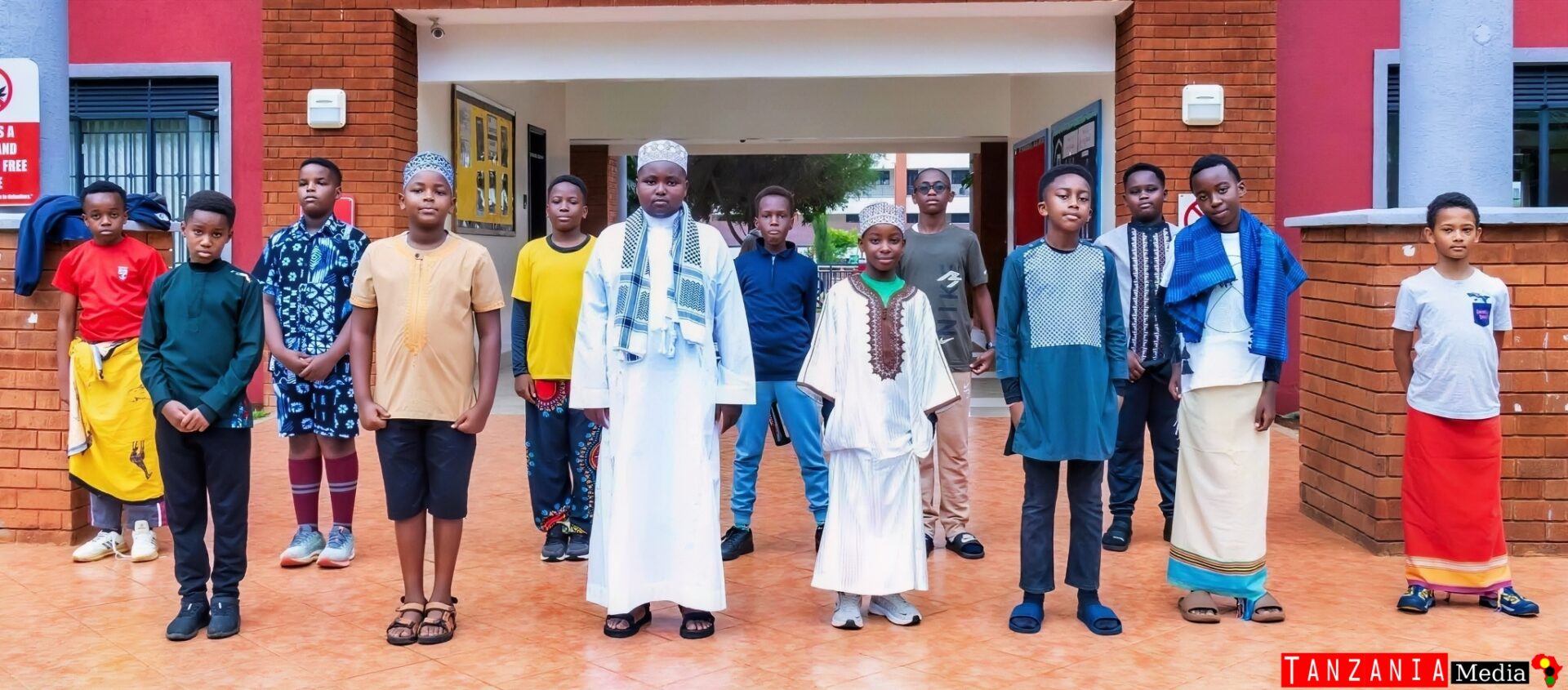 The cultural influences of the Islamic world were also significant. The adoption of Islam brought new religious practices, new architectural forms, and new cultural values to the coast. The mosques, the palaces, and the tombs of the stone towns reflected the Islamic faith and the Islamic architectural traditions, adapted to the local environment and the local cultural context.
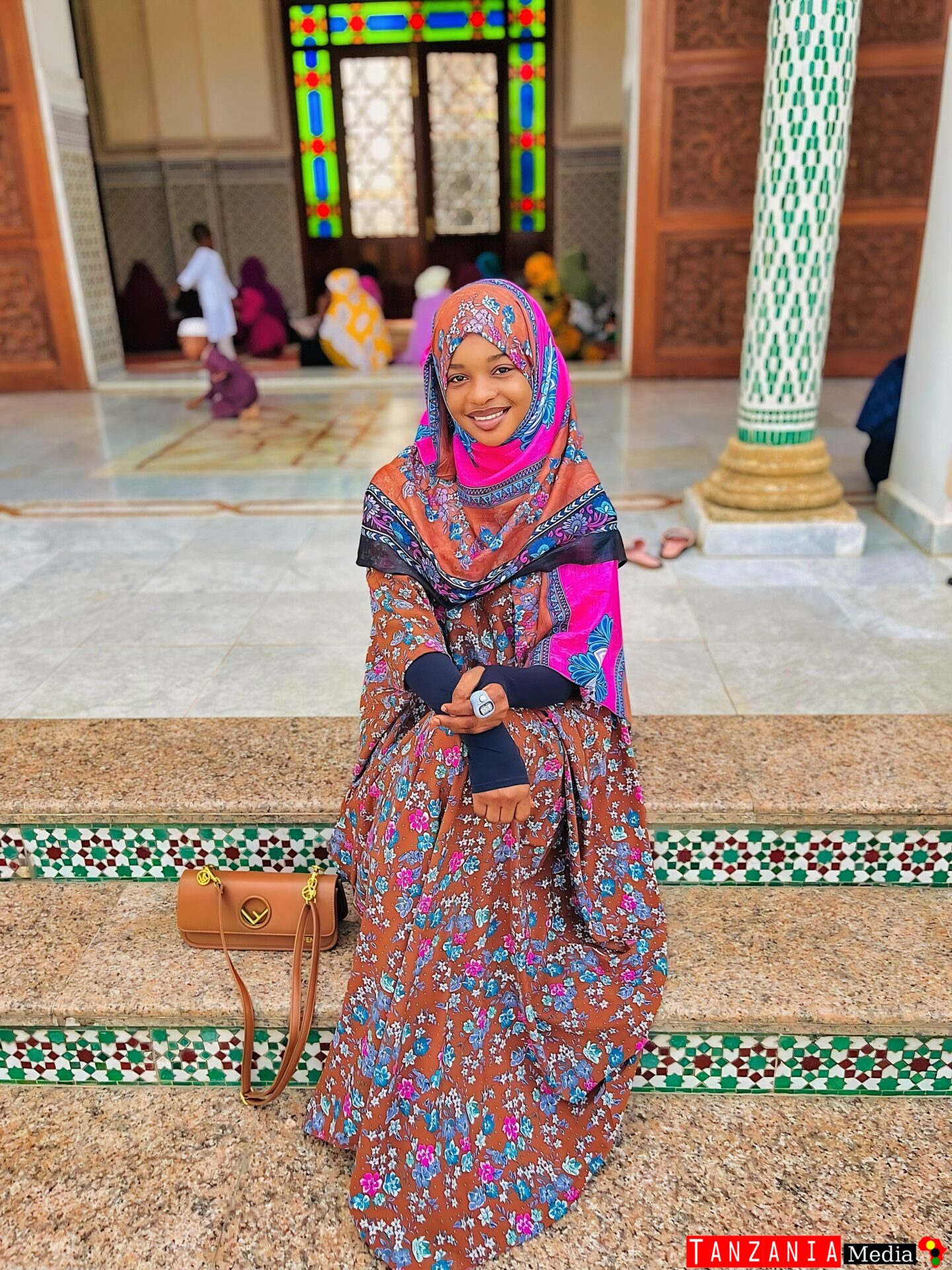 The political benefits of conversion were also significant. The adoption of Islam often provided a basis for the consolidation of power and the extension of influence. The leaders who adopted Islam were often able to use the faith to legitimate their authority, to build alliances with other Muslim leaders, and to mobilise support for their policies.
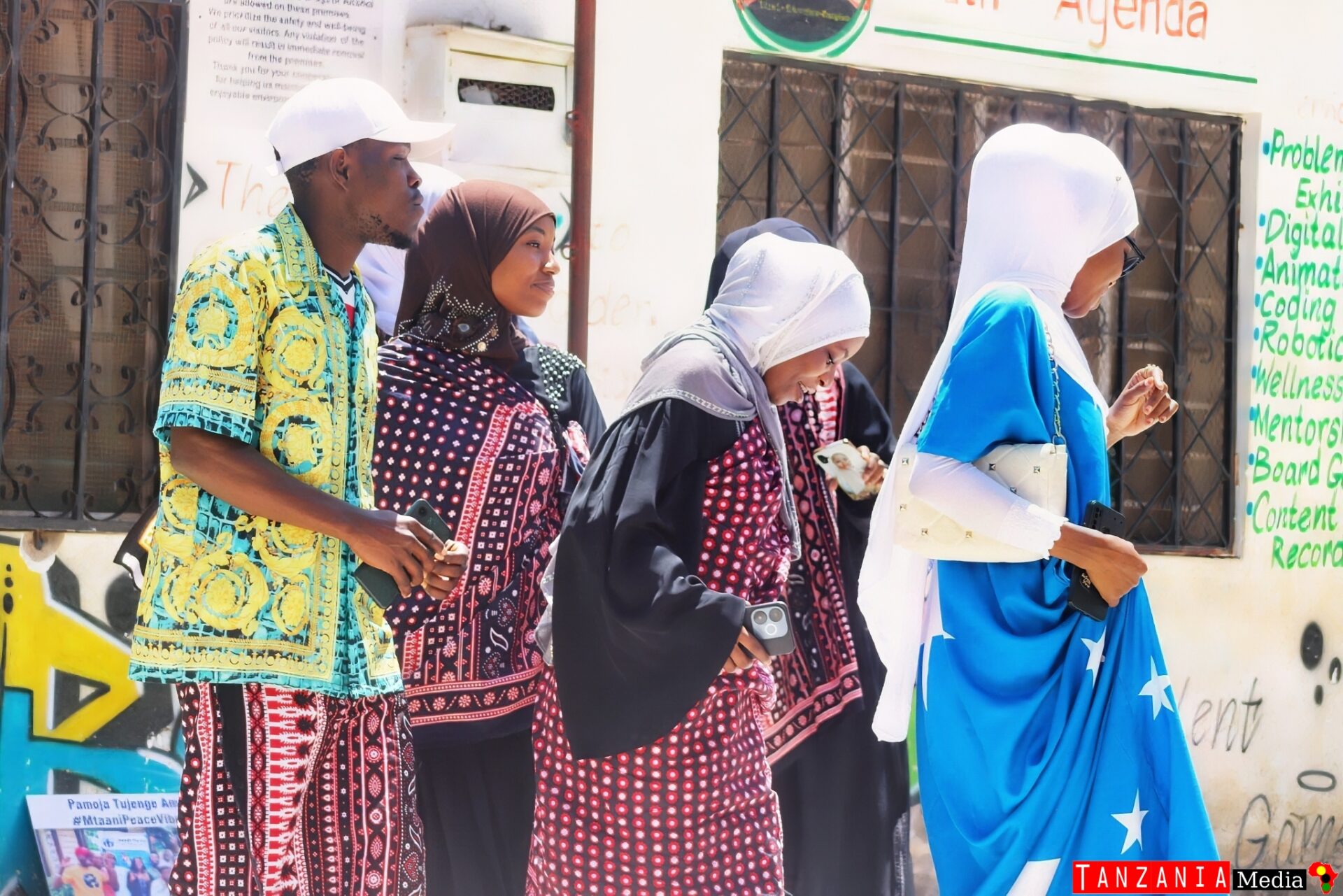 The conversion to Islam also provided access to the broader Islamic world, including the pilgrimage to Mecca and the connections to the centres of Islamic learning. The pilgrimage, which was a duty for every able Muslim, provided an opportunity to travel, to trade, and to build relationships with other Muslims from across the world.
 The integration into the Islamic world also brought new forms of literary expression. The Swahili developed a rich literary tradition, including poetry, historical chronicles, and religious texts, reflecting the influence of the Islamic literary traditions. The Swahili language, with its Arabic loanwords and its Arabic script, was shaped by the integration into the Islamic world.
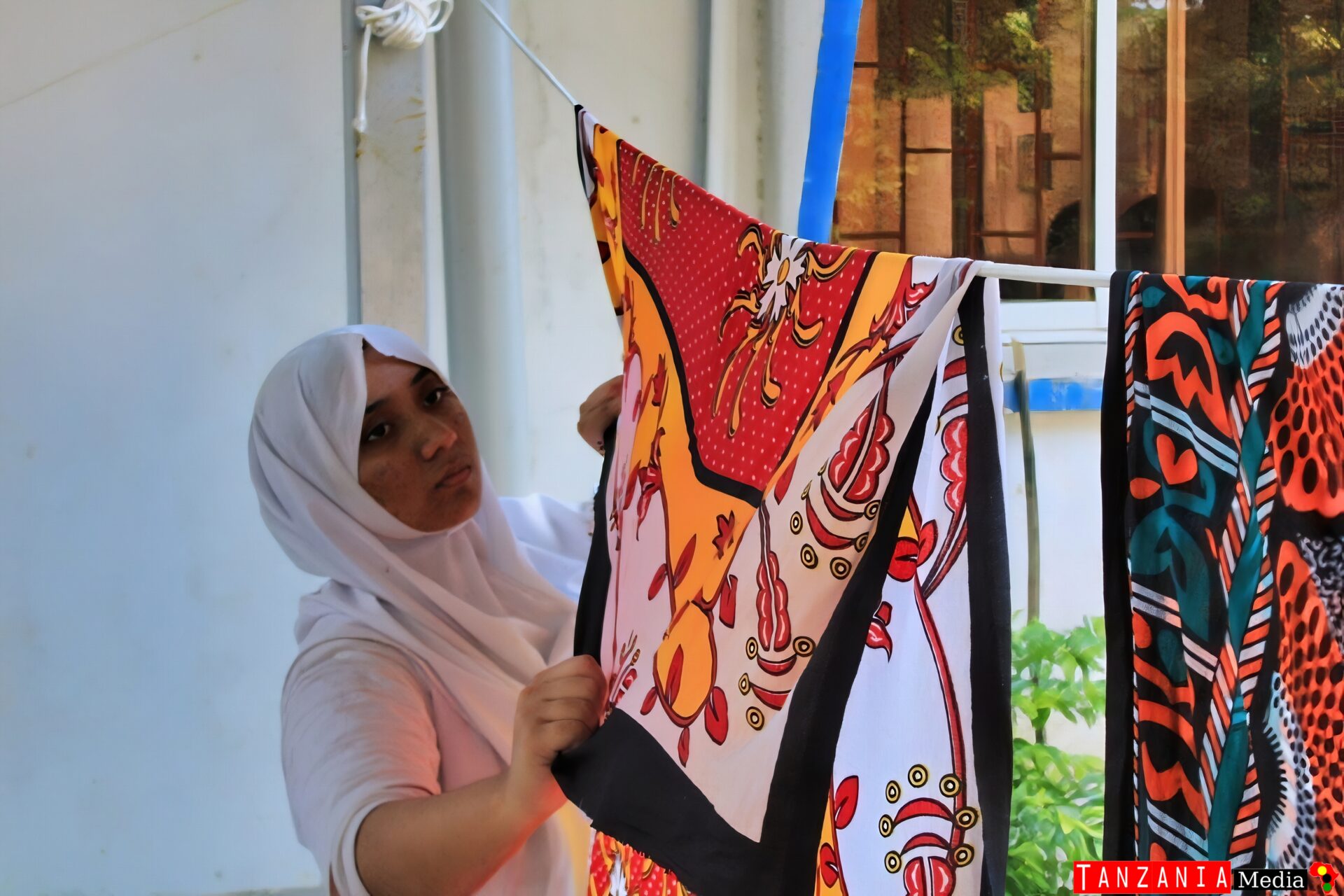 The artistic expression of the golden age was also remarkable. The Swahili artists produced works of calligraphy, carving, and decorative art that reflected the Islamic artistic traditions and the local cultural values. The mosques, the palaces, and the tombs were decorated with intricate carvings, elaborate plasterwork, and imported materials, reflecting the wealth and the cosmopolitanism of the Swahili elite.
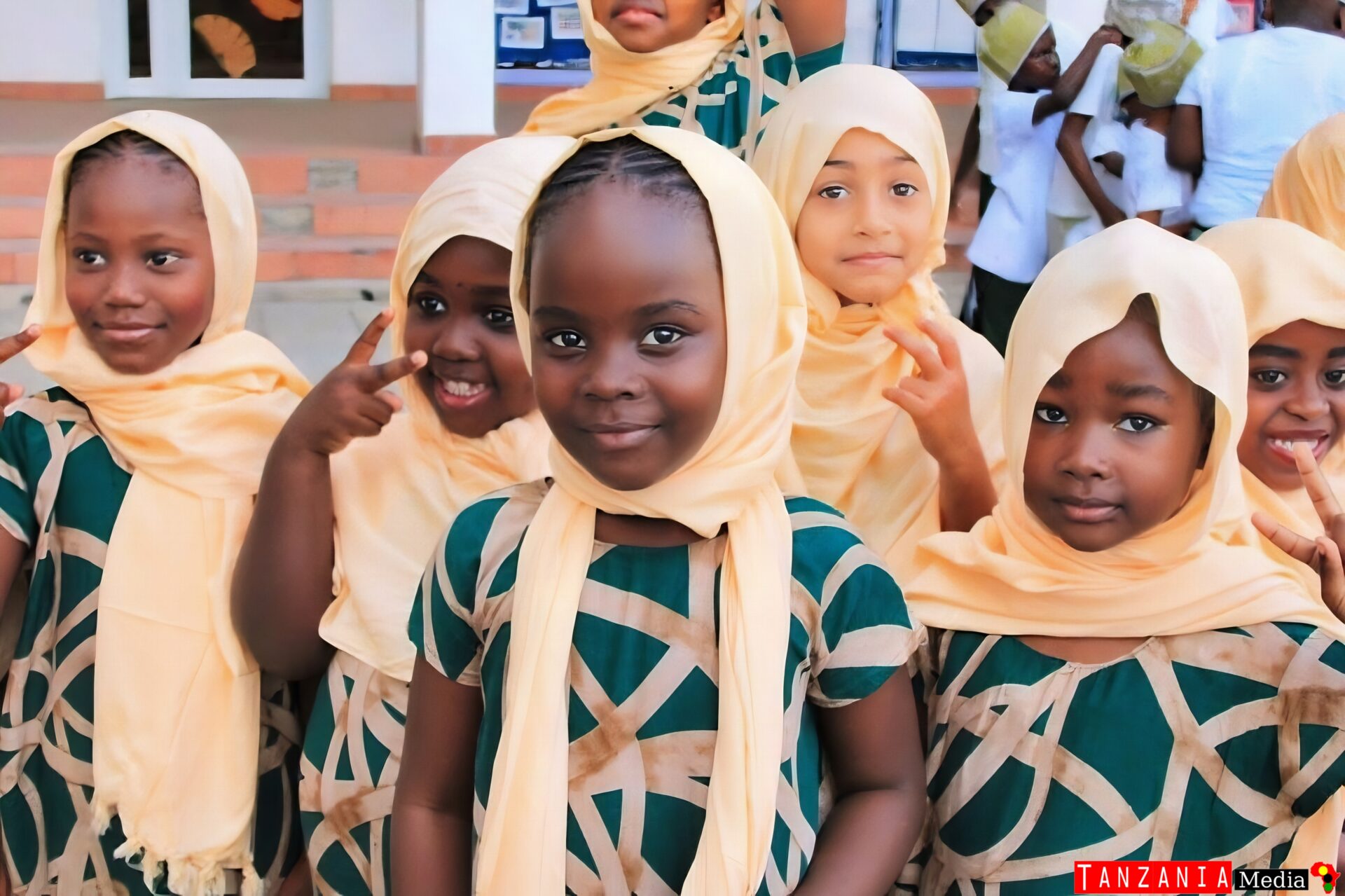 The legacy is also evident in the cultural practices of the Swahili people. The Islamic faith, the Swahili language, and the distinctive Swahili culture all have their roots in the period of the gold trade, and they continue to shape the lives of the coastal communities.
Trade, Economy, and International Connections
-
The Pillars of Prosperity: Agriculture, Fishing, Craft Production, and Trade in the Swahili Economy
Introduction: The Basket That Holds Many Things
“Kikapu kikishikilia vyakula vingi, hakivunjiki kwa urahisi” — A basket that holds many things does not break easily.
This Swahili adage captures the essence of the Swahili economic system, which was built on a diverse and resilient foundation. The basket of the Swahili economy held many things—agriculture, fishing, craft production, and long-distance trade—and this diversity made it strong and resilient, enabling the coastal communities to withstand the shocks and the challenges that they faced over the centuries. The basket that holds many things does not break easily, and the Swahili economy, with its multiple pillars, proved to be remarkably durable and adaptable.
The Swahili economy was based on a combination of agriculture, fishing, craft production, and long-distance trade, creating a diverse and resilient economic system. This diversity was not merely a matter of having multiple sources of income but of creating a system of mutual reinforcement, with each sector supporting and sustaining the others. The agriculture provided the food that sustained the population, the fishing provided the protein and the marine resources, the craft production provided the goods that were traded, and the trade provided the wealth that funded the construction of the stone towns and the cultural achievements of the Swahili civilisation.
The diversity of the Swahili economy was not merely an economic strategy but a social and cultural one, reflecting the values and the priorities of the Swahili people. The economy was embedded in the social relationships and the cultural practices of the coastal communities, and it was shaped by the environmental conditions and the historical experiences of the region. The diversity of the economy was a reflection of the adaptability and the resilience of the Swahili people, who have sustained their civilisation for over a millennium.
Agriculture: The Foundation of Sustenance
Agriculture was the foundation of the Swahili economy, providing the food that sustained the population and the surplus that supported the urban centres. The farmers of the Swahili Coast cultivated a range of crops, including sorghum, millet, rice, and later, maize, cassava, and other crops introduced from the Americas. The farmers also cultivated fruits, vegetables, and spices, and they raised livestock, including cattle, goats, sheep, and chickens.
The agricultural systems of the Swahili Coast were diverse and sophisticated, adapted to the environmental conditions of the region. The farmers used the seasonal patterns of the monsoon winds and the river floods to guide their cultivation practices, planting and harvesting in accordance with the rhythms of the coast. The farmers also used the fertility of the river deltas and the coastal plains to their advantage, cultivating the land that was most productive.
The agricultural surplus was the foundation of the urban economy. The farmers produced more than they needed for subsistence, and the surplus was used to support the non-producing members of the community, including the craftsmen, the merchants, and the political leaders. The surplus was also used to finance trade, to accumulate wealth, and to fund the construction of the stone towns.
The agriculture was not merely an economic activity but a social and cultural one, embedded in the relationships and institutions of the coastal communities. The agricultural labour was often organised through kinship, with the members of a lineage or clan working together to cultivate the fields. The agricultural knowledge was transmitted through generations, with the elders teaching the younger members the techniques of cultivation, the timing of planting and harvesting, and the management of the soil and the water.
“Kikapu kikishikilia vyakula vingi, hakivunjiki kwa urahisi” — A basket that holds many things does not break easily. This adage captures the resilience of the agricultural system, which, along with the other sectors of the economy, provided the foundation for the Swahili civilisation.
Fishing: The Bounty of the Sea
Fishing was another essential component of the Swahili economy, providing a rich and varied source of protein and other nutrients that complemented the agricultural produce. The fish, shellfish, and other marine resources of the coast were abundant and diverse, and they were exploited through a variety of techniques, including fish traps, nets, hooks, and spears.
The fishing was not merely a subsistence activity but a commercial one, with the fish and the other marine resources being traded along the coast and into the interior. The fish was often dried or salted for preservation, enabling it to be transported over long distances. The shellfish, including the cowries and the other marine organisms, were used for the production of beads and other decorative objects.
The fishing was also a source of employment and income for the coastal communities. The fishers were often members of specialised families or lineages, and they developed a deep knowledge of the sea, the tides, and the fish. The fishing knowledge was transmitted through generations, with the elders teaching the younger members the techniques of fishing, the timing of the seasons, and the management of the resources.
The fishing was also connected to the trade networks that linked the coast to the interior and to the wider Indian Ocean world. The fish and the other marine resources were often traded for the agricultural produce, the craft goods, and the imported goods that were in demand on the coast.
Craft Production: The Art of Making
Craft production was another important component of the Swahili economy, providing the goods that were used for daily life and the goods that were traded along the coast and across the Indian Ocean. The craftsmen of the Swahili Coast produced a wide range of goods, including pottery, textiles, iron tools, beads, and decorative objects.
The pottery was one of the most important craft products, providing the vessels that were used for cooking, storage, and serving. The potters of the Swahili Coast produced a distinctive pottery, with a range of decorative styles and forms, reflecting the cultural influences and the technical innovations of the region. The pottery was often traded along the coast and into the interior, providing a source of income for the potters and their communities.
The textiles were another important craft product, providing the cloth that was used for clothing, for household purposes, and for trade. The weavers of the Swahili Coast produced a range of textiles, including cotton cloth, silk cloth, and other fabrics, reflecting the cultural influences and the technical innovations of the region. The textiles were often traded along the coast and across the Indian Ocean, providing a source of income for the weavers and their communities.The iron tools were another important craft product, providing the implements that were used for agriculture, fishing, construction, and other activities. The smiths of the Swahili Coast produced a range of iron tools, including hoes, axes, knives, and spears, reflecting the technical innovations and the cultural influences of the region. The iron tools were often traded along the coast and into the interior, providing a source of income for the smiths and their communities.
The beads were another important craft product, providing the decorative objects that were used for personal adornment, for social status, and for trade. The bead makers of the Swahili Coast produced a range of beads, including shell beads, glass beads, and stone beads, reflecting the cultural influences and the technical innovations of the region. The beads were often traded along the coast and across the Indian Ocean, providing a source of income for the bead makers and their communities.
Long-Distance Trade: The Engine of Wealth
Long-distance trade was the engine of the Swahili economy, generating the wealth that sustained the urban centres and the cultural achievements of the Swahili civilisation. The trade connected the coast to the wider Indian Ocean world, and it brought new goods, new technologies, and new ideas to the coastal communities.
The exports of the Swahili Coast included ivory, gold, slaves, tortoiseshell, rhinoceros horn, and other products that were in demand in the markets of Arabia, Persia, India, and beyond. The exports were obtained from the interior, through networks of exchange that connected the coast to the producers. The exports were also obtained from the coast itself, including the fish, the shellfish, and the other marine resources.
The imports of the Swahili Coast included textiles, ceramics, glass, beads, spices, and other goods that were not available locally. The imports were obtained from the markets of Arabia, Persia, India, and beyond, through the networks of exchange that connected the coast to the wider world.
The trade was not merely an exchange of goods but a movement of peoples, ideas, and cultures. The merchants who controlled the trade were often cosmopolitan, with connections to the major centres of the Indian Ocean world. The cultural influences that accompanied the trade, including the Islamic faith, the Arabic language, and the Islamic artistic traditions, were carried to the coast and incorporated into the Swahili culture.
The Political Economy of the Swahili Economy
The political economy of the Swahili economy was based on the control of resources, the organisation of production, and the regulation of exchange. The control of resources was the foundation of the political economy, with the rulers and the elite controlling the land, the labour, and the other resources that were essential for economic activity.
The organisation of production was also important, with the rulers and the elite organising the labour and the resources that were needed for the production of goods. The production was often organised on a household basis, with individual households producing goods for their own use and for trade. The production was also organised on a larger scale, with the merchants and the rulers financing and coordinating the production of goods for trade.
The regulation of exchange was also significant, with the rulers and the elite regulating the trade through the imposition of taxes, tariffs, and other forms of tribute. The regulation of exchange provided a source of revenue for the rulers and the elite, and it enabled them to control the flow of goods and to protect their interests.
The Social Implications of the Economic Diversity
The diversity of the Swahili economy had profound social implications, reflecting the complexity and the adaptability of the coastal communities. The diversity enabled the communities to withstand the shocks and the challenges that they faced, and it enabled them to adapt to changing circumstances.
The diversity also enabled the emergence of new social groups and new forms of social differentiation. The merchants, who controlled the trade, emerged as a powerful social group, with their own interests and their own agendas. The craftsmen, who produced the goods that were traded, also emerged as a distinct social group, with their own skills and their own status.
The diversity also enabled the development of new forms of social organisation. The stone towns, which were built with the wealth of the trade, provided a new environment for social interaction, a new arena for the display of status and power. The stone towns also provided a new basis for social identity, with the residents of the towns distinguishing themselves from the residents of the countryside.
The Cultural Significance of the Economic Diversity
The diversity of the Swahili economy had profound cultural significance, reflecting the cosmopolitanism and the openness of the Swahili people. The engagement with the wider world through trade brought new ideas, new beliefs, and new practices to the coast, enriching the Swahili culture.
The cultural influences that accompanied the trade included the Islamic faith, the Arabic language, and the Islamic artistic traditions. The Islamic faith provided a framework for social and political organisation, and it connected the Swahili to the wider Islamic world. The Arabic language provided a means of communication and a vehicle for literary and scholarly expression. The Islamic artistic traditions, including the calligraphy, the geometric designs, and the other decorative arts, provided a new aesthetic for the Swahili art.
The diversity of the economy also reflected the values and the priorities of the Swahili people. The Swahili valued not only wealth and prosperity but also community, solidarity, and cultural continuity. The economy was embedded in the social relationships and the cultural practices of the coastal communities, and it was shaped by the environmental conditions and the historical experiences of the region.
The Enduring Legacy of the Swahili Economy
The legacy of the Swahili economy is still evident today in the culture, the language, and the identity of the Swahili people. The agriculture, the fishing, the craft production, and the trade that sustained the Swahili civilisation for over a millennium continue to shape the lives of the coastal communities.
The legacy is also evident in the archaeological record, with the stone towns, the pottery, the beads, and the other artefacts providing a tangible link to the economic activities of the past. The legacy is also evident in the cultural practices of the Swahili people, including the farming, the fishing, the crafting, and the trading that continue to characterise the coastal communities.
The legacy is also evident in the identity of the Swahili people. The Swahili continue to identify themselves as the heirs of a diverse and resilient economic tradition, and they continue to draw on the values and the practices of their ancestors to navigate the challenges of the present and to imagine the possibilities of the future.
Conclusion: The Basket That Still Holds
“Kikapu kikishikilia vyakula vingi, hakivunjiki kwa urahisi” — A basket that holds many things does not break easily. This adage, in its full meaning, captures the enduring legacy of the Swahili economic system. The basket of the Swahili economy held many things—agriculture, fishing, craft production, and long-distance trade—and this diversity made it strong and resilient, enabling the coastal communities to withstand the shocks and the challenges that they faced over the centuries.
The Swahili economy was based on a combination of agriculture, fishing, craft production, and long-distance trade, creating a diverse and resilient economic system. This diversity was not merely a matter of having multiple sources of income but of creating a system of mutual reinforcement, with each sector supporting and sustaining the others. The agriculture provided the food that sustained the population, the fishing provided the protein and the marine resources, the craft production provided the goods that were traded, and the trade provided the wealth that funded the construction of the stone towns and the cultural achievements of the Swahili civilisation.
The legacy of this economic system is still evident today, in the culture, the language, and the identity of the Swahili people. The basket that held many things is still holding, still sustaining, still enabling the Swahili people to navigate the challenges of the present and to imagine the possibilities of the future. The basket is not merely a historical artefact but a living tradition, a source of resilience and adaptability, a framework for social and economic organisation, and a basis for engagement with the wider world. The basket that held many things is still holding, and the Swahili people are still cultivating, still fishing, still crafting, and still trading, drawing on the achievements of their ancestors and shaping the future of their civilisation.
-
The Goods That Crossed the Ocean: Swahili Exports, Imports, and the Making of a Global Economy
Introduction: The Ships That Carried the World
“Meli inayosafiri bahari hubeba mizigo ya ulimwengu” — The ship that travels the ocean carries the cargo of the world.
This Swahili adage captures the cosmopolitan character of the Indian Ocean trade, which connected the Swahili Coast to the far reaches of the known world. The ships that sailed from the harbours of Kilwa, Mombasa, and Lamu carried not only the goods of the East African coast but also the hopes, the dreams, and the connections of the people who built and sailed them. The ships carried the cargo of the world—the ivory and gold of Africa, the textiles of India, the ceramics of China, the spices of the islands—and in doing so, they wove a web of exchange that bound together the peoples of the Indian Ocean.
The exports of the Swahili Coast included ivory, ambergris, tortoiseshell, gold, iron, gum, myrrh, cotton cloth, and slaves. These goods were the products of the African interior and the Swahili Coast, and they were in high demand in the markets of Arabia, Persia, India, and beyond. The imports included textiles, ceramics, glass, beads, spices, and other manufactured goods from the Indian Ocean world. These goods were the products of the civilisations of Asia, and they were valued for their quality, their beauty, and their exotic origins.
The trade in these goods was not merely an economic exchange but a social and cultural one, connecting the peoples of the Indian Ocean in a web of relationships that spanned the globe. The trade was the foundation of the Swahili economy, generating the wealth that sustained the stone towns and the cultural achievements of the Swahili civilisation. The trade was also the channel through which new ideas, new beliefs, and new practices flowed into the coast, enriching the Swahili culture and connecting it to the wider Islamic world.
Ivory: The White Gold of Africa
Ivory was one of the most important exports of the Swahili Coast, and it was in high demand in the markets of the Indian Ocean world and beyond. The ivory was obtained from the elephants of the African interior, and it was transported to the coast through networks of exchange that connected the interior communities to the coastal settlements.
The ivory was prized for its beauty, its durability, and its workability. The ivory was used for a variety of purposes, including carving, jewellery, and decorative objects. The ivory was also used for practical purposes, including the manufacture of handles, tools, and other items.
The ivory trade was a significant source of wealth for the Swahili communities. The merchants who controlled the ivory trade accumulated vast fortunes, which they used to build the stone towns, to support the religious institutions, and to maintain their political power. The ivory trade also created new forms of social differentiation, with the merchants and the rulers at the top of the hierarchy and the hunters and the transporters at the bottom.
The ivory trade was not merely an economic activity but a political one. The control of the ivory trade was a source of power and influence, and the rulers of the coastal communities often competed with each other for control of the trade routes and the markets. The ivory trade also connected the Swahili communities to the interior, forging alliances and relationships that would shape the political landscape of the region.
“Meli inayosafiri bahari hubeba mizigo ya ulimwengu” — The ship that travels the ocean carries the cargo of the world. This adage captures the significance of the ivory trade, which connected the African interior to the markets of the Indian Ocean world, carrying the white gold of Africa to the far reaches of the known world.
Gold: The Metal of Kings
Gold was another important export of the Swahili Coast, and it was in high demand in the markets of the Indian Ocean world and beyond. The gold was obtained from the Zimbabwe plateau, in what is now Zimbabwe, and it was transported to the coast through a network of trade routes that connected the interior to the ports of the Swahili Coast.
The gold was prized for its beauty, its rarity, and its value. The gold was used for coinage, for jewellery, and for decorative objects. The gold was also used as a store of value, a form of wealth that could be accumulated and transferred across generations.
The gold trade was the foundation of Kilwa’s prosperity and power. Kilwa, which was ideally positioned to control the gold trade, emerged as the pre-eminent city-state of the Swahili world, controlling the routes and the markets that connected the interior to the Indian Ocean world. The gold trade generated the wealth that funded the construction of the stone towns and the cultural achievements of the Kilwa elite.
The gold trade was not merely an economic activity but a political one. The control of the gold trade was a source of power and influence, and the rulers of Kilwa and the other coastal communities often competed with each other for control of the trade routes and the markets. The gold trade also connected the Swahili communities to the wider world, forging alliances and relationships that would shape the political landscape of the region.
Tortoiseshell and Ambergris: The Treasures of the Sea
Tortoiseshell and ambergris were other important exports of the Swahili Coast, and they were in high demand in the markets of the Indian Ocean world and beyond. The tortoiseshell was obtained from the hawksbill turtles that were found in the coastal waters, and it was prized for its beauty and its workability. The tortoiseshell was used for jewellery, for decorative objects, and for other purposes.
The ambergris was obtained from the sperm whales that were found in the waters of the Indian Ocean. The ambergris was a waxy substance that was produced by the whales, and it was prized for its fragrance and its use in perfumery. The ambergris was a valuable commodity, and its collection and trade were significant sources of income for the coastal communities.
The tortoiseshell and ambergris trades were not merely economic activities but social and cultural ones. The goods were often associated with status and prestige, and their possession was a marker of wealth and sophistication. The trades also connected the Swahili communities to the wider Indian Ocean world, forging relationships and alliances that would shape the cultural landscape of the region.
Slaves: The Tragic Commodity
The slave trade was another important export of the Swahili Coast, and it was a significant source of wealth for the coastal communities. The slaves were obtained from the interior, through networks of exchange that connected the coast to the producers. The slaves were transported to the coast and then exported to the markets of Arabia, Persia, India, and beyond.
The slave trade was a tragic and brutal institution, and it had profound implications for the communities of the Swahili Coast and the interior. The slave trade caused the displacement and the suffering of millions of people, and it contributed to the political and social instability of the region.
The slave trade was not merely an economic activity but a social and political one. The control of the slave trade was a source of power and influence, and the rulers and the elites of the coastal communities often competed with each other for control of the trade routes and the markets. The slave trade also connected the Swahili communities to the wider world, forging relationships and alliances that would shape the political landscape of the region.
Imports: The Goods of the Indian Ocean World
The imports of the Swahili Coast included textiles, ceramics, glass, beads, spices, and other manufactured goods from the Indian Ocean world. These goods were the products of the civilisations of Asia, and they were valued for their quality, their beauty, and their exotic origins.
The textiles were among the most important imports, providing the cloth that was used for clothing, for household purposes, and for trade. The textiles were produced in India, in Arabia, and in other regions of the Indian Ocean world, and they were often of high quality and great beauty.
The ceramics were another important import, providing the vessels that were used for cooking, for storage, and for serving. The ceramics were produced in China, in Persia, and in other regions of the Indian Ocean world, and they were often of high quality and great beauty.
The glass and the beads were also important imports, providing the decorative objects that were used for personal adornment, for social status, and for trade. The glass and the beads were produced in India, in the Middle East, and in other regions of the Indian Ocean world, and they were often of high quality and great beauty.
The Political Economy of the Trade
The trade in exports and imports was the foundation of the Swahili political economy, generating the wealth that sustained the urban centres and the cultural achievements of the Swahili civilisation. The control of the trade was a source of power and influence, and the rulers and the elites of the coastal communities often competed with each other for control of the trade routes and the markets.
The political economy of the trade was based on the control of resources, the organisation of production, and the regulation of exchange. The control of resources was the foundation of the political economy, with the rulers and the elite controlling the land, the labour, and the other resources that were essential for economic activity.
The organisation of production was also important, with the rulers and the elite organising the labour and the resources that were needed for the production of goods. The production was often organised on a household basis, with individual households producing goods for their own use and for trade. The production was also organised on a larger scale, with the merchants and the rulers financing and coordinating the production of goods for trade.
The regulation of exchange was also significant, with the rulers and the elite regulating the trade through the imposition of taxes, tariffs, and other forms of tribute. The regulation of exchange provided a source of revenue for the rulers and the elite, and it enabled them to control the flow of goods and to protect their interests.
The Social Implications of the Trade
The trade in exports and imports had profound social implications for the communities of the Swahili Coast. The wealth that the trade generated created new forms of social differentiation, with the merchants and the rulers at the top of the hierarchy and the farmers, fishers, and herders at the bottom.
The trade also enabled the emergence of new social groups. The merchants, who controlled the trade, emerged as a powerful social group, with their own interests and their own agendas. The religious leaders, the ulama, also emerged as a powerful social group, providing the religious and moral framework for the new economic order.
The trade also enabled the development of new forms of social organisation. The stone towns, which were built with the wealth of the trade, provided a new environment for social interaction, a new arena for the display of status and power. The stone towns also provided a new basis for social identity, with the residents of the towns distinguishing themselves from the residents of the countryside.
The Cultural Significance of the Trade
The trade in exports and imports had profound cultural significance for the Swahili people. The engagement with the wider world through trade brought new ideas, new beliefs, and new practices to the coast, enriching the Swahili culture and connecting it to the wider Islamic world.
The cultural influences that accompanied the trade included the Islamic faith, the Arabic language, and the Islamic artistic traditions. The Islamic faith provided a framework for social and political organisation, and it connected the Swahili to the wider Islamic world. The Arabic language provided a means of communication and a vehicle for literary and scholarly expression. The Islamic artistic traditions, including the calligraphy, the geometric designs, and the other decorative arts, provided a new aesthetic for the Swahili art.
The trade also brought new goods and new technologies to the coast, including the textiles, the ceramics, the glass, and the beads that were imported from the Indian Ocean world. These goods were not merely utilitarian objects but symbols of status and sophistication, marking the owners as participants in a wider cultural world.
The Enduring Legacy of the Trade
The legacy of the trade in exports and imports is still evident today in the culture, the language, and the identity of the Swahili people. The goods that were traded across the Indian Ocean continue to shape the lives of the coastal communities, and the connections that were forged through the trade continue to connect the Swahili to the wider world.
The legacy is also evident in the archaeological record, with the imported goods providing a tangible link to the trade networks of the past. The textiles, the ceramics, the glass, and the beads that have been found at the Swahili sites are silent but eloquent witnesses to the connections that bound the Swahili Coast to the Indian Ocean world.
The legacy is also evident in the cultural practices of the Swahili people. The Islamic faith, the Swahili language, and the distinctive Swahili culture all have their roots in the period of the trade, and they continue to shape the lives of the coastal communities.
Conclusion: The Ships That Still Sail
“Meli inayosafiri bahari hubeba mizigo ya ulimwengu” — The ship that travels the ocean carries the cargo of the world. This adage, in its full meaning, captures the enduring significance of the trade that connected the Swahili Coast to the wider Indian Ocean world. The ships that sailed from the harbours of Kilwa, Mombasa, and Lamu carried the cargo of the world, and they continue to carry the cargo of the world today.
The exports of the Swahili Coast included ivory, ambergris, tortoiseshell, gold, iron, gum, myrrh, cotton cloth, and slaves. The imports included textiles, ceramics, glass, beads, spices, and other manufactured goods from the Indian Ocean world. These goods were the foundation of the Swahili economy, generating the wealth that sustained the stone towns and the cultural achievements of the Swahili civilisation.
 The legacy of this trade is still evident today, in the culture, the language, and the identity of the Swahili people. The ships that carried the cargo of the world are still sailing, still connecting the Swahili to the wider world, still shaping the lives of the coastal communities. The ships are not merely a historical memory but a living reality, a source of connection and exchange, a framework for economic engagement with the wider world, and a basis for cultural exchange and social interaction. The ships that carried the cargo of the world are still sailing, and the Swahili people are still trading, still building, and still creating, drawing on the achievements of their ancestors and shaping the future of their civilisation.
 -
The Porcelain of Distant Shores: Chinese Ceramics and the Global Reach of the Swahili Coast
Introduction: The Shards That Tell the Story
“Kibao cha China kinaeleza hadithi ya safari ndefu” — A shard of China tells the story of a long journey.
This Swahili adage captures the profound significance of Chinese pottery found along the East African coast. Each fragment of porcelain is not merely a broken vessel but a storyteller, carrying the narrative of a journey that spanned thousands of miles across oceans and continents, connecting the Swahili Coast to the distant empires of East Asia. The shards speak of merchants who braved the monsoon winds, of ships that carried the cargo of the world, and of communities that were integrated into a global trading system centuries before the European age of exploration.
Chinese pottery—including Ming dynasty imperial kiln blue and white porcelain—has been found at several Swahili sites, attesting to the far-reaching trade connections of the Swahili coast. These finds are not merely archaeological curiosities but tangible evidence of the participation of the Swahili communities in the Indian Ocean trading system, which connected East Africa to China, Southeast Asia, India, the Persian Gulf, and the Mediterranean world. The presence of Chinese ceramics on the Swahili Coast demonstrates that the coastal communities were not isolated but integrated into a global network of exchange that spanned the known world.
The significance of these finds extends beyond the economic to the social and cultural. The Chinese porcelain was not merely a utilitarian object but a symbol of status, wealth, and cosmopolitanism. The possession of Chinese ceramics marked the owner as a person of consequence, connected to the distant and exotic lands of the East. The porcelain was also a medium of cultural exchange, carrying the artistic traditions and the aesthetic sensibilities of China to the shores of East Africa.
The Historical Context of Sino-Swahili Trade
The trade between the Swahili Coast and China was part of the broader Indian Ocean trading system, which connected the ports of East Africa to the markets of Arabia, Persia, India, Southeast Asia, and China. The trade was facilitated by the monsoon winds, which enabled predictable and reliable navigation across the Indian Ocean, and by the maritime technologies, including the dhow and the lateen sail, that enabled the merchants to carry large cargoes across the open sea.
The Sino-Swahili trade reached its peak during the Tang (618-907 CE), Song (960-1279 CE), and Ming (1368-1644 CE) dynasties, when Chinese ceramics were exported to markets across the Indian Ocean. The Chinese ceramics were highly valued for their quality, their beauty, and their exotic origins, and they were traded for the ivory, gold, and other commodities that the Swahili Coast offered.
The Ming dynasty (1368-1644 CE) was particularly significant for the Sino-Swahili trade. The Ming emperors, seeking to project their power and to expand their influence, sponsored maritime expeditions that reached the East African coast. The famous voyages of Admiral Zheng He, which took place between 1405 and 1433, brought Chinese fleets to the Swahili Coast, and they established direct diplomatic and commercial relations between China and the coastal communities.
The presence of Ming dynasty imperial kiln blue and white porcelain at Swahili sites is a testament to the depth and the significance of these connections. The imperial kiln porcelain was produced exclusively for the imperial family or the central government, and its presence at Swahili sites suggests that the porcelain was either a gift from the Chinese emperor or a trade good of exceptional value.
“Kibao cha China kinaeleza hadithi ya safari ndefu” — A shard of China tells the story of a long journey. This adage captures the significance of the Chinese porcelain, which tells the story of the journeys that connected the Swahili Coast to the distant empires of East Asia.
The Archaeological Evidence of Chinese Porcelain
The archaeological evidence of Chinese porcelain on the Swahili Coast is extensive, with finds at sites from Somalia to Mozambique. The porcelain includes a wide range of types, from the blue and white wares of the Ming dynasty to the celadon wares of the Song dynasty, and it provides a valuable source of information about the chronology and the nature of the trade.
The most significant finds of Chinese porcelain have been made at the major Swahili sites, including Kilwa Kisiwani, Mombasa, Lamu, and the Comoros Islands. The porcelain has been found in a variety of contexts, including the stone houses of the elite, the mosques, and the tombs, reflecting its value and its significance.
The presence of Ming dynasty imperial kiln blue and white porcelain at the site of Mambrui, north of Malindi, is particularly significant. The porcelain, which was made exclusively for the imperial family or the central government, suggests that the Swahili communities had direct diplomatic and commercial relations with the Chinese court. The porcelain may have been a gift from the Chinese emperor to the ruler of Malindi, reflecting the importance of the Swahili Coast in the Chinese worldview.
The archaeological evidence also provides information about the volume and the nature of the trade. The presence of large quantities of Chinese porcelain at some sites, and the absence of it at others, suggests that the trade was not evenly distributed along the coast. The sites that were the most prosperous and the most connected to the wider world had the largest quantities of Chinese porcelain.
The Symbolic Significance of Chinese Porcelain
The Chinese porcelain was not merely a utilitarian object but a symbol of status, wealth, and cosmopolitanism. The possession of Chinese ceramics marked the owner as a person of consequence, connected to the distant and exotic lands of the East.
The porcelain was often displayed in the stone houses of the elite, serving as a marker of their status and their sophistication. The porcelain was also used in the mosques and the tombs, serving as a marker of the piety and the prestige of the community. The porcelain was also used in the trade, serving as a medium of exchange and a store of value.
The symbolic significance of the Chinese porcelain was also reflected in the Swahili culture. The porcelain was often incorporated into the local artistic traditions, with the Swahili artists adapting the Chinese designs and motifs to their own cultural context. The porcelain was also incorporated into the local rituals and ceremonies, serving as a marker of the importance and the significance of the occasion.
The symbolic significance of the Chinese porcelain was also reflected in the Swahili language. The word for porcelain, “kauri” or “chumbi,” was borrowed from the Indian languages, reflecting the importance of the trade in the Swahili culture. The language also contains words for other imported goods, including the textiles, the spices, and the other products of the Indian Ocean world.
The Political Economy of the Chinese Porcelain Trade
The political economy of the Chinese porcelain trade was based on the control of resources, the organisation of production, and the regulation of exchange. The trade generated wealth for the coastal communities, and it provided access to the goods and the technologies of the wider world.
The control of the trade was in the hands of the merchants and the rulers of the coastal communities. The merchants, who often operated through family networks, controlled the routes and the markets that connected the coast to the wider world. The rulers, who often served as the patrons of the trade, provided the security and the infrastructure that enabled the trade to flourish.
The organisation of production was also important. The Chinese porcelain was produced in the kilns of China, under the supervision of the imperial government or the private merchants. The production of the porcelain was a complex and costly process, requiring the labour of thousands of craftsmen and the use of advanced technologies.
The regulation of exchange was also significant. The Chinese porcelain was often traded for the ivory, gold, and other commodities that the Swahili Coast offered. The exchange was regulated by the merchants and the rulers, who set the prices and the terms of the trade.
The Social Implications of the Chinese Porcelain Trade
The Chinese porcelain trade had profound social implications for the communities of the Swahili Coast. The trade created new forms of social differentiation, with the merchants and the rulers at the top of the hierarchy and the farmers, fishers, and herders at the bottom.
The trade also enabled the emergence of new social groups. The merchants, who controlled the trade, emerged as a powerful social group, with their own interests and their own agendas. The religious leaders, the ulama, also emerged as a powerful social group, providing the religious and moral framework for the new economic order.
The trade also enabled the development of new forms of social organisation. The stone towns, which were built with the wealth of the trade, provided a new environment for social interaction, a new arena for the display of status and power. The stone towns also provided a new basis for social identity, with the residents of the towns distinguishing themselves from the residents of the countryside.
The Chinese porcelain, with its exotic origins and its aesthetic qualities, was a marker of status and sophistication. The possession of Chinese porcelain distinguished the elite from the common people, and it marked the owners as participants in a wider cultural world.
The Cultural Significance of the Chinese Porcelain Trade
The Chinese porcelain trade had profound cultural significance for the Swahili people. The engagement with the distant and exotic cultures of East Asia brought new ideas, new beliefs, and new practices to the coast, enriching the Swahili culture and connecting it to the wider world.
The cultural influences that accompanied the trade included the artistic traditions, the design motifs, and the aesthetic sensibilities of China. The Swahili artists adapted the Chinese designs and motifs to their own cultural context, creating a distinctive synthesis of African and Chinese influences.
The Chinese porcelain also brought new forms of social and cultural expression. The porcelain was often used in the rituals and the ceremonies of the elite, and it was often displayed in the homes and the public buildings as a marker of status and sophistication. The porcelain was also often incorporated into the local artistic traditions, with the Swahili artists creating new forms and new designs that reflected the influence of the Chinese ceramics.
The Chinese porcelain also brought new forms of economic and social organisation. The trade in porcelain required the development of new forms of credit, partnership, and exchange, and it required the development of new forms of social and political organisation.
The Enduring Legacy of the Chinese Porcelain Trade
The legacy of the Chinese porcelain trade is still evident today in the culture, the language, and the identity of the Swahili people. The porcelain that was traded across the Indian Ocean continues to shape the lives of the coastal communities, and the connections that were forged through the trade continue to connect the Swahili to the wider world.
The legacy is also evident in the archaeological record, with the Chinese porcelain providing a tangible link to the trade networks of the past. The shards of porcelain that have been found at the Swahili sites are silent but eloquent witnesses to the connections that bound the Swahili Coast to the distant empires of East Asia.
The legacy is also evident in the cultural practices of the Swahili people. The Islamic faith, the Swahili language, and the distinctive Swahili culture all have their roots in the period of the trade, and they continue to shape the lives of the coastal communities.
The legacy is also evident in the identity of the Swahili people. The Swahili continue to identify themselves as the heirs of a global trading tradition, and they continue to draw on the values and the practices of their ancestors to navigate the challenges of the present and to imagine the possibilities of the future.
Conclusion: The Shards That Still Speak
“Kibao cha China kinaeleza hadithi ya safari ndefu” — A shard of China tells the story of a long journey. This adage, in its full meaning, captures the enduring significance of the Chinese porcelain that has been found at Swahili sites. The shards are not merely broken vessels but storytellers, carrying the narrative of the journeys that connected the Swahili Coast to the distant empires of East Asia.
Chinese pottery—including Ming dynasty imperial kiln blue and white porcelain—has been found at several Swahili sites, attesting to the far-reaching trade connections of the Swahili coast. These finds are tangible evidence of the participation of the Swahili communities in the Indian Ocean trading system, which connected East Africa to China, Southeast Asia, India, the Persian Gulf, and the Mediterranean world.
The legacy of this trade is still evident today, in the culture, the language, and the identity of the Swahili people. The shards that tell the story of the long journey are still speaking, still connecting the Swahili to the wider world, still shaping the lives of the coastal communities. The shards are not merely historical artefacts but living testimonies to the achievements of the Swahili people, and they continue to inspire and to inform the present, reminding us of the power of human connection, the importance of cultural exchange, and the enduring significance of the Swahili civilisation.
-
The Testimony of the Scholar: Tuan Ch’eng-shih and the Antiquity of East African Trade
Introduction: The Words That Crossed the Ocean
“Maneno ya mwanachuoni yanasafiri mbali kuliko meli” — The words of a scholar travel farther than a ship.
This Swahili adage captures the profound significance of the written word in preserving and transmitting knowledge across time and space. The words of a scholar, like the ships that sailed the Indian Ocean, carry the stories of distant lands and peoples to those who have never seen them. The words travel farther than the ships themselves, crossing not only geographical distances but also the boundaries of generations, cultures, and civilisations.
The Chinese scholar Tuan Ch’eng-shih, writing in the 9th century, recorded that East Africans traded with Persians for cloth and other goods, confirming the antiquity of these connections. This written testimony is not merely a historical curiosity but a vital piece of evidence for the existence of a maritime trade network that connected the East African coast to the wider Indian Ocean world over a millennium ago. The words of the scholar, recorded in the distant court of Tang dynasty China, provide a window into a world of commercial exchange, cultural interaction, and human connection that spanned the known world.
The significance of Tuan Ch’eng-shih’s testimony extends beyond the confirmation of trade connections. The record demonstrates that the East African coast was known to the civilisations of East Asia, and that the peoples of the region were participants in a global trading system that connected Africa to Asia, the Middle East, and beyond. The record also demonstrates that the Swahili were not passive recipients of foreign influence but active agents in the trade, exchanging their goods for the products of other regions.
The Historical Context of Tuan Ch’eng-shih’s Testimony
Tuan Ch’eng-shih was a Chinese scholar and official who lived during the Tang dynasty (618-907 CE), a period of remarkable cultural and economic flourishing in China. The Tang dynasty was a time of expansion, innovation, and cosmopolitanism, with the Chinese empire extending its influence across Central Asia and engaging in trade with the peoples of the Indian Ocean world.
Tuan Ch’eng-shih’s work, the “Yu-yang-tsa-tsu” (or “Miscellaneous Morsels from the Yu-yang Studio”), was a collection of anecdotes, observations, and reports on a wide range of subjects, including the peoples and the customs of distant lands. The work was based on the reports of merchants, travellers, and diplomats, who brought news of the outside world to the Chinese court.
The description of the East Africans in Tuan Ch’eng-shih’s work reflects the knowledge that the Chinese had of the region. The East Africans were described as trading with Persians for cloth and other goods, confirming the existence of commercial connections between the coast and the Persian Gulf region. The record also notes that the East Africans exported ivory, ambergris, and slaves, which were in demand in the markets of the Indian Ocean world.
The testimony of Tuan Ch’eng-shih is supported by other Chinese sources, including the accounts of the travels of the Buddhist monks and the reports of the Chinese merchants who visited the Indian Ocean world. The sources confirm that the Chinese were aware of the East African coast and its connections to the wider trading system.
“Maneno ya mwanachuoni yanasafiri mbali kuliko meli” — The words of a scholar travel farther than a ship. This adage captures the significance of Tuan Ch’eng-shih’s testimony, which travelled from the distant court of Tang dynasty China to the present day, crossing the boundaries of time and space.
The Trade Connections Confirmed by Tuan Ch’eng-shih
The trade connections confirmed by Tuan Ch’eng-shih’s testimony include the exchange of cloth and other goods between the East Africans and the Persians. The cloth was one of the most important imports of the Swahili Coast, providing the textiles that were used for clothing, for household purposes, and for trade.
The cloth was produced in the Persian Gulf region, in India, and in other parts of the Indian Ocean world, and it was traded for the ivory, ambergris, slaves, and other commodities that the East African coast offered. The cloth was highly valued for its quality, its beauty, and its utility, and it was an essential component of the trade.
The other goods that were traded included the textiles, the ceramics, the glass, the beads, and the spices that were produced in the Persian Gulf region and in other parts of the Indian Ocean world. The trade in these goods was facilitated by the monsoon winds, which enabled predictable and reliable navigation across the Indian Ocean.
The testimony also confirms the export of ivory, ambergris, and slaves from the East African coast. The ivory, which was obtained from the elephants of the interior, was highly valued in the markets of the Indian Ocean world and beyond. The ambergris, which was obtained from the sperm whales, was prized for its use in perfumery. The slaves, who were obtained from the interior, were used for labour and for other purposes.
The Antiquity of the Connections
The testimony of Tuan Ch’eng-shih confirms the antiquity of the trade connections between the East African coast and the wider Indian Ocean world. The record shows that the connections were already well-established in the 9th century, and that they had been developed over a long period of time.
The antiquity of the connections is supported by the archaeological evidence, including the Chinese pottery, the Persian ceramics, and the other imported goods that have been found at Swahili sites. The evidence demonstrates that the trade connections were not a recent development but a long-standing feature of the Indian Ocean world.
The antiquity of the connections is also supported by the linguistic evidence, including the loanwords from Arabic, Persian, and other languages that are found in the Swahili language. The loanwords demonstrate the long history of contact and exchange between the Swahili and the peoples of the Indian Ocean world.
The antiquity of the connections is also supported by the oral traditions of the Swahili people, including the stories of the ancestors who travelled across the ocean and the records of the rulers who engaged in trade with distant lands.
The Significance of Tuan Ch’eng-shih’s Testimony for Understanding Swahili Origins
The testimony of Tuan Ch’eng-shih has significant implications for understanding the origins and the development of Swahili civilisation. The testimony demonstrates that the Swahili were part of a global trading system from an early date, and that they were not isolated from the wider world.
The testimony also demonstrates that the Swahili were not passive recipients of foreign influence but active agents in the trade. The Swahili engaged in the exchange of goods with the Persians and with other peoples of the Indian Ocean world, and they controlled the resources and the routes that were essential for the trade.
The testimony also challenges the colonial narratives that presented the Swahili as the products of foreign colonisation. The trade connections with the Persians and with other peoples of the Indian Ocean world were not a sign of subordination but of agency and creativity, reflecting the ability of the Swahili to engage with the wider world on their own terms.
The Political Economy of the Trade Confirmed by Tuan Ch’eng-shih
The political economy of the trade confirmed by Tuan Ch’eng-shih was based on the control of resources, the organisation of production, and the regulation of exchange. The trade generated wealth for the coastal communities, and it provided access to the goods and the technologies of the wider world.
The control of the trade was in the hands of the merchants and the rulers of the coastal communities. The merchants, who often operated through family networks, controlled the routes and the markets that connected the coast to the wider world. The rulers, who often served as the patrons of the trade, provided the security and the infrastructure that enabled the trade to flourish.
The organisation of production was also important. The ivory, the ambergris, and the other commodities that were exported from the coast were produced through the labour of the hunters, the gatherers, and the other producers of the interior. The organisation of this labour was a source of wealth and power.
The regulation of exchange was also significant. The trade was regulated by the merchants and the rulers, who set the prices and the terms of the exchange. The regulation of exchange provided a source of revenue for the rulers and the elite, and it enabled them to control the flow of goods and to protect their interests.
The Social Implications of the Trade
The trade confirmed by Tuan Ch’eng-shih had profound social implications for the communities of the Swahili Coast. The trade created new forms of social differentiation, with the merchants and the rulers at the top of the hierarchy and the producers and the transporters at the bottom.
The trade also enabled the emergence of new social groups. The merchants, who controlled the trade, emerged as a powerful social group, with their own interests and their own agendas. The religious leaders, the ulama, also emerged as a powerful social group, providing the religious and moral framework for the new economic order.
The trade also enabled the development of new forms of social organisation. The stone towns, which were built with the wealth of the trade, provided a new environment for social interaction, a new arena for the display of status and power. The stone towns also provided a new basis for social identity, with the residents of the towns distinguishing themselves from the residents of the countryside.
The Cultural Significance of Tuan Ch’eng-shih’s Testimony
The testimony of Tuan Ch’eng-shih has profound cultural significance for the Swahili people. The record demonstrates that the Swahili were connected to the wider world from an early date, and that they were participants in a global trading system that spanned the known world.
The testimony also demonstrates the cosmopolitanism of the Swahili culture. The engagement with the Persians and with other peoples of the Indian Ocean world brought new ideas, new beliefs, and new practices to the coast, enriching the Swahili culture and connecting it to the wider world.
The testimony also demonstrates the resilience and the adaptability of the Swahili culture. The Swahili adapted the foreign influences to their own cultural context, creating a distinctive synthesis that was both African and global.
The Enduring Legacy of the Connections
The legacy of the trade connections confirmed by Tuan Ch’eng-shih is still evident today in the culture, the language, and the identity of the Swahili people. The connections with the Persian Gulf, with India, and with other regions of the Indian Ocean world continue to shape the lives of the coastal communities.
The legacy is also evident in the archaeological record, with the imported goods providing a tangible link to the trade networks of the past. The cloth, the ceramics, the glass, and the beads that were traded across the Indian Ocean are silent but eloquent witnesses to the connections that bound the Swahili Coast to the wider world.
The legacy is also evident in the cultural practices of the Swahili people. The Islamic faith, the Swahili language, and the distinctive Swahili culture all have their roots in the period of the trade, and they continue to shape the lives of the coastal communities.
Conclusion: The Words That Still Travel
“Maneno ya mwanachuoni yanasafiri mbali kuliko meli” — The words of a scholar travel farther than a ship. This adage, in its full meaning, captures the enduring significance of Tuan Ch’eng-shih’s testimony, which has travelled from the distant court of Tang dynasty China to the present day, crossing the boundaries of time and space.
The Chinese scholar Tuan Ch’eng-shih, writing in the 9th century, recorded that East Africans traded with Persians for cloth and other goods, confirming the antiquity of these connections. This testimony is not merely a historical curiosity but a vital piece of evidence for the existence of a maritime trade network that connected the East African coast to the wider Indian Ocean world over a millennium ago.
The legacy of these connections is still evident today, in the culture, the language, and the identity of the Swahili people. The words that travelled from China to East Africa, and from the 9th century to the present, are still travelling, still connecting the Swahili to the wider world, still shaping the lives of the coastal communities. The words are not merely a historical artefact but a living testament to the achievements of the Swahili people, and they continue to inspire and to inform the present, reminding us of the power of human connection, the importance of cultural exchange, and the enduring significance of the Swahili civilisation.
-
The Cargo of the Coast: Ivory, Ambergris, Slaves, and the Raiders from the North
Introduction: The Goods and the Greed
“Bahari inatoa hazina, lakini pia inaleta hatari” — The sea gives treasure, but it also brings danger.
This Swahili adage captures the dual nature of the Indian Ocean world—a realm of both opportunity and peril, of commerce and conflict, of connection and predation. The sea that brought the dhows of merchants bearing cloth and ceramics also brought the warships of raiders seeking plunder. The treasure that the coast yielded—ivory, ambergris, and slaves—attracted not only traders but also those who would take by force what they could not obtain by fair exchange.
The book Yu-yang-tsa-tsu, written by the Chinese scholar Tuan Ch’eng-shih in the 9th century, records that exports from the East African coast included ivory, ambergris, and slaves, while Arab travellers reportedly raided the coast for cloth. This account provides a window into the complex dynamics of the Indian Ocean world—a world of trade and tribute, of cooperation and conflict, of exchange and exploitation. The goods that left the coast were the products of African labour and African resources, and they were in demand in the markets of the Indian Ocean world and beyond. Yet the coast also attracted those who sought to take without giving, who raided for cloth and other goods, who preyed on the communities that they could not trade with.
The significance of this account extends beyond the specific goods and the specific raids. The record provides evidence of the integration of the Swahili Coast into the global trading system, and it provides evidence of the vulnerabilities and the challenges that the coastal communities faced. The account is a reminder that the Indian Ocean world was not a peaceful utopia of mutual exchange but a competitive arena of competing interests and conflicting ambitions.
The Exports of the East African Coast
The exports of the East African coast that are recorded in the Yu-yang-tsa-tsu include ivory, ambergris, and slaves. These goods were the products of the African interior and the coastal waters, and they were in high demand in the markets of the Indian Ocean world and beyond.
Ivory was one of the most important exports of the East African coast. The ivory was obtained from the elephants of the interior, and it was transported to the coast through networks of exchange that connected the interior communities to the coastal settlements. The ivory was prized for its beauty, its durability, and its workability, and it was used for carving, jewellery, and decorative objects. The ivory trade was a significant source of wealth for the Swahili communities, and it generated the revenues that sustained the stone towns and the cultural achievements of the Swahili civilisation.
Ambergris was another important export. The ambergris was obtained from the sperm whales that were found in the waters of the Indian Ocean. The ambergris was a waxy substance that was produced by the whales, and it was prized for its fragrance and its use in perfumery. The ambergris was a valuable commodity, and its collection and trade were significant sources of income for the coastal communities.
Slaves were another important export. The slaves were obtained from the interior, through networks of exchange that connected the coast to the producers. The slaves were transported to the coast and then exported to the markets of Arabia, Persia, India, and beyond. The slave trade was a tragic and brutal institution, and it had profound implications for the communities of the Swahili Coast and the interior.
“Bahari inatoa hazina, lakini pia inaleta hatari” — The sea gives treasure, but it also brings danger. This adage captures the dual nature of the trade, which brought wealth and opportunity but also exploitation and suffering.
The Arab Raiders and Their Motives
The Yu-yang-tsa-tsu records that Arab travellers reportedly raided the East African coast for cloth. The cloth was one of the most important goods of the Indian Ocean trade, providing the textiles that were used for clothing, for household purposes, and for exchange. The cloth was produced in the Persian Gulf region, in India, and in other parts of the Indian Ocean world, and it was in high demand in the markets of the coast.
The raids for cloth were motivated by a combination of economic and political factors. The cloth was a valuable commodity, and its acquisition by force was a quick and effective way of obtaining wealth. The raids were also a way of asserting power and influence, of demonstrating the strength and the reach of the Arab raiders.
The raids were not merely a matter of isolated incidents but a pattern of behaviour that characterised the Indian Ocean world. The raids were often conducted by the merchants or the sailors who were seeking to supplement their income or to take revenge for real or perceived grievances. The raids were also often conducted by the states or the rulers who were seeking to extend their influence or to punish their rivals.
The raids had significant implications for the communities of the Swahili Coast. The raids caused destruction, displacement, and loss of life, and they undermined the stability and the prosperity of the coastal communities. The raids also created a climate of fear and uncertainty, making it difficult for the communities to engage in the trade and to build the relationships that were essential for their prosperity.
The Political Economy of the Raids
The political economy of the raids was based on the control of resources, the organisation of violence, and the extraction of tribute. The raids were a form of predation, a way of taking by force what could not be obtained by fair exchange.
The control of resources was the foundation of the political economy of the raids. The cloth that was the target of the raids was a valuable commodity, and its acquisition by force was a way of accumulating wealth and power. The control of the cloth also provided access to the markets and the networks that were essential for the trade.
The organisation of violence was also important. The raids required the organisation of men, ships, and weapons, and they required the coordination of activities across the region. The organisation of violence was a source of power and influence, and it was often controlled by the states or the rulers who were seeking to extend their reach.
The extraction of tribute was another significant aspect of the political economy of the raids. The raids often involved the payment of tribute by the coastal communities, who sought to buy off the raiders or to secure their protection. The tribute was a form of extraction, a way of taking wealth without the need for violent conflict.
The Social Implications of the Raids
The raids had profound social implications for the communities of the Swahili Coast. The raids caused destruction, displacement, and loss of life, and they undermined the stability and the prosperity of the coastal communities.
The raids also created new forms of social differentiation. The communities that were able to defend themselves against the raids, or that were able to pay the tribute that was demanded, were often able to maintain their prosperity and their influence. The communities that were unable to defend themselves, or that were unable to pay the tribute, were often marginalised or destroyed.
The raids also created new forms of social organisation. The communities that were threatened by the raids often formed alliances with each other, or with other states, to defend themselves against the raiders. The alliances provided a basis for cooperation and solidarity, and they often led to the emergence of new political and social structures.
The raids also created new forms of cultural expression. The communities that were affected by the raids often developed stories, songs, and rituals that expressed their experiences and their resilience. The cultural expressions provided a way of making sense of the violence and the suffering, and they provided a way of preserving the memory of the past.
The Cultural Significance of the Account
The account in the Yu-yang-tsa-tsu has profound cultural significance for the Swahili people. The record provides evidence of the integration of the Swahili Coast into the global trading system, and it provides evidence of the vulnerabilities and the challenges that the coastal communities faced.
The account also provides evidence of the resilience and the adaptability of the Swahili people. The coastal communities were able to withstand the raids and to continue to engage in the trade, and they were able to adapt to the changing conditions of the Indian Ocean world.
The account also provides evidence of the cosmopolitanism of the Swahili culture. The engagement with the Arab raiders, and with the other peoples of the Indian Ocean world, brought new ideas, new beliefs, and new practices to the coast, enriching the Swahili culture and connecting it to the wider world.
The Enduring Legacy of the Trade and the Raids
The legacy of the trade and the raids is still evident today in the culture, the language, and the identity of the Swahili people. The goods that were traded, the relationships that were forged, and the conflicts that were endured have all shaped the character of the coastal communities.
The legacy is also evident in the archaeological record, with the imported goods providing a tangible link to the trade networks of the past. The cloth, the ceramics, the glass, and the beads that were traded across the Indian Ocean are silent but eloquent witnesses to the connections that bound the Swahili Coast to the wider world.
The legacy is also evident in the cultural practices of the Swahili people. The Islamic faith, the Swahili language, and the distinctive Swahili culture all have their roots in the period of the trade, and they continue to shape the lives of the coastal communities.
The legacy is also evident in the identity of the Swahili people. The Swahili continue to identify themselves as the heirs of a complex and contested history, and they continue to draw on the values and the experiences of their ancestors to navigate the challenges of the present and to imagine the possibilities of the future.
Conclusion: The Treasure and the Danger
“Bahari inatoa hazina, lakini pia inaleta hatari” — The sea gives treasure, but it also brings danger. This adage, in its full meaning, captures the dual nature of the Indian Ocean world that is reflected in the Yu-yang-tsa-tsu. The sea gave treasure—ivory, ambergris, and slaves—that sustained the Swahili communities and connected them to the wider world. But the sea also brought danger—the raiders from the north who sought to take by force what they could not obtain by fair exchange.
The book Yu-yang-tsa-tsu records that exports from the East African coast included ivory, ambergris, and slaves, while Arab travellers reportedly raided the coast for cloth. This account is not merely a historical curiosity but a window into the complex dynamics of the Indian Ocean world—a world of trade and tribute, of cooperation and conflict, of exchange and exploitation.
The legacy of this world is still evident today, in the culture, the language, and the identity of the Swahili people. The treasure that the sea gave and the danger that the sea brought have both shaped the character of the coastal communities, creating a resilience and a adaptability that have enabled them to withstand the challenges of the centuries. The sea still gives treasure, and the sea still brings danger, but the Swahili people continue to navigate the waters, drawing on the wisdom of their ancestors and the strength of their communities.
-
The Dragon and the Dhow: Zheng He’s Voyages and the Swahili Connection
Introduction: The Ships That Bridged Continents
“Meli ya China inaunganisha bahari mbili” — The ship of China connects two oceans.
This Swahili adage captures the profound significance of the encounters between the Swahili Coast and the fleets of the Ming dynasty. The ships of China, under the command of the great admiral Zheng He, crossed the vast expanse of the Indian Ocean, connecting the distant shores of East Africa to the imperial court of the Dragon Throne. The ships were not merely vessels of trade but bridges between civilisations, carrying not only goods but also ideas, beliefs, and the seeds of enduring relationships.
The 15th-century Chinese admiral Zheng He’s fleet visited the Swahili coast, and envoys from Malindi and other towns travelled to China, bringing back gifts including porcelain, which became a symbol of status. These encounters were not isolated incidents but part of a broader pattern of engagement between the Swahili Coast and the civilisations of East Asia—a pattern that had been developing for centuries and that would leave a lasting imprint on the culture, the society, and the identity of the Swahili people.
The significance of these encounters extends beyond the exchange of goods. The visits of Zheng He’s fleet and the journeys of the Swahili envoys to China represent a moment of direct diplomatic and cultural engagement between Africa and Asia, a moment when the peoples of the two continents met and exchanged not only goods but also the stories, the knowledge, and the aspirations that would shape their futures.
The Context of Zheng He’s Voyages
Zheng He’s voyages, which took place between 1405 and 1433, were among the most remarkable maritime expeditions in world history. The admiral, a Muslim eunuch of Central Asian descent, commanded a fleet that included hundreds of ships and tens of thousands of sailors, and he sailed across the Indian Ocean, visiting the ports of Southeast Asia, India, the Persian Gulf, and the East African coast.
The voyages were sponsored by the Yongle Emperor and his successors, who sought to project the power and the prestige of the Ming dynasty across the known world. The voyages were also motivated by commercial interests, with the Chinese seeking access to the goods and the markets of the Indian Ocean world.
The voyages to the East African coast were part of the later expeditions, in 1417-1419 and 1430-1433. The fleet visited several ports along the coast, including Malindi, Mombasa, and possibly Kilwa and other towns. The fleet also visited the island of Zanzibar and the mainland of what is now Somalia.
The visits were not merely exploratory but diplomatic and commercial. The Chinese admiral sought to establish friendly relations with the rulers of the coastal towns, and he sought to obtain the goods that were in demand in the Chinese markets, including ivory, gold, and other commodities.
“Meli ya China inaunganisha bahari mbili” — The ship of China connects two oceans. This adage captures the significance of Zheng He’s voyages, which connected the Indian Ocean and the Pacific Ocean, and which connected the Swahili Coast to the distant shores of East Asia.
The Envoys from Malindi and Other Towns
The visits of Zheng He’s fleet were reciprocated by the Swahili communities, who sent envoys to the Chinese court. The most famous of these envoys came from Malindi, which was then one of the most important towns on the Swahili Coast. The envoys were received at the Chinese court, and they were given gifts and honours that reflected the status and the importance of their mission.
The envoys from Malindi and other towns brought gifts to the Chinese emperor, including ivory, gold, and other products of the East African coast. The envoys also brought with them exotic animals, including giraffes and zebras, which were presented to the Chinese court and which created a sensation among the Chinese people.
The envoys returned to the Swahili Coast with gifts from the Chinese emperor, including porcelain, silks, and other goods that were in high demand in the coastal communities. The porcelain, which was produced in the imperial kilns of Jingdezhen, was of exceptional quality and beauty, and it became a symbol of status and prestige in the Swahili communities.
The journeys of the envoys were not merely diplomatic missions but cultural ones. The envoys brought back knowledge of China, its people, and its customs, and they carried the stories of their travels to the communities of the Swahili Coast. The envoys also brought back ideas and influences that would shape the culture and the identity of the Swahili people.
The Gifts from China: Porcelain and Its Significance
The porcelain that the envoys brought back from China became a symbol of status and prestige in the Swahili communities. The porcelain was of exceptional quality, with a distinctive blue and white design that was produced in the imperial kilns of Jingdezhen. The porcelain was not merely a utilitarian object but a work of art, a symbol of the wealth, the sophistication, and the cosmopolitanism of the owner.
The porcelain was often displayed in the stone houses of the elite, serving as a marker of their status and their connection to the distant and exotic lands of the East. The porcelain was also used in the mosques and the tombs, serving as a marker of the piety and the prestige of the community. The porcelain was also incorporated into the local artistic traditions, with the Swahili artists adapting the Chinese designs and motifs to their own cultural context.
The porcelain also served as a medium of cultural exchange. The Chinese designs and motifs were often incorporated into the Swahili art, and the porcelain inspired new forms of artistic expression. The porcelain also served as a reminder of the connections between the Swahili Coast and the distant empires of East Asia, connections that had been forged through centuries of trade and diplomacy.
The porcelain was also a source of economic value. The porcelain was highly valued in the markets of the Indian Ocean world, and it was often traded for other goods. The porcelain also served as a store of value, a form of wealth that could be accumulated and transferred across generations.
The Political Economy of the Encounters
The political economy of the encounters between Zheng He’s fleet and the Swahili communities was based on the exchange of gifts, the establishment of diplomatic relations, and the expansion of trade. The encounters were not merely a matter of economic exchange but of political and cultural engagement.
The exchange of gifts was a significant aspect of the encounters. The Chinese emperor presented gifts to the Swahili envoys, including porcelain, silks, and other goods. The Swahili envoys presented gifts to the Chinese emperor, including ivory, gold, and exotic animals. The exchange of gifts was a way of establishing and maintaining diplomatic relations, and it was a way of demonstrating the power and the prestige of the rulers.
The establishment of diplomatic relations was also important. The encounters established formal relations between the Ming dynasty and the Swahili communities, and they created a framework for future engagement. The diplomatic relations provided a basis for the expansion of trade, for the exchange of information, and for the building of alliances.
The expansion of trade was another significant aspect of the encounters. The visits of Zheng He’s fleet and the journeys of the Swahili envoys created new opportunities for trade, and they opened up new markets for the goods of both regions. The trade expanded to include a wider range of goods, and the volume of trade increased significantly.
The Social Implications of the Encounters
The encounters between Zheng He’s fleet and the Swahili communities had profound social implications. The encounters created new forms of social differentiation, with the porcelain and the other Chinese goods becoming markers of status and prestige.
The encounters also enabled the emergence of new social groups. The merchants who controlled the trade with China emerged as a powerful social group, with their own interests and their own agendas. The rulers who hosted the Chinese envoys also emerged as powerful figures, with their prestige and their authority enhanced by their connections to the distant empire.
The encounters also enabled the development of new forms of social organisation. The stone towns, which were already centres of power and wealth, became even more important as centres of trade and diplomacy. The encounters also created new forms of cultural expression, with the Swahili artists incorporating the Chinese designs and motifs into their own artistic traditions.
The Cultural Significance of the Encounters
The encounters between Zheng He’s fleet and the Swahili communities had profound cultural significance. The encounters brought new ideas, new beliefs, and new practices to the coast, enriching the Swahili culture and connecting it to the wider world.
The cultural influences that accompanied the encounters included the Chinese artistic traditions, the design motifs, and the aesthetic sensibilities. The Swahili artists adapted the Chinese designs and motifs to their own cultural context, creating a distinctive synthesis of African and Chinese influences.
The encounters also brought new forms of social and cultural expression. The porcelain, which was a symbol of status and prestige, was often incorporated into the local rituals and ceremonies, and it was often displayed in the homes and the public buildings as a marker of sophistication.
The encounters also brought new forms of economic and social organisation. The trade with China required the development of new forms of credit, partnership, and exchange, and it required the development of new forms of social and political organisation.
The Enduring Legacy of the Encounters
The legacy of the encounters between Zheng He’s fleet and the Swahili communities is still evident today in the culture, the language, and the identity of the Swahili people. The porcelain, the stories, and the relationships that were forged in the 15th century continue to shape the lives of the coastal communities.
The legacy is also evident in the archaeological record, with the Chinese porcelain providing a tangible link to the encounters of the past. The shards of porcelain that have been found at the Swahili sites are silent but eloquent witnesses to the connections that bound the Swahili Coast to the distant empires of East Asia.
The legacy is also evident in the cultural practices of the Swahili people. The Islamic faith, the Swahili language, and the distinctive Swahili culture all have their roots in the period of the encounters, and they continue to shape the lives of the coastal communities.
The legacy is also evident in the identity of the Swahili people. The Swahili continue to identify themselves as the heirs of a global trading tradition, and they continue to draw on the values and the practices of their ancestors to navigate the challenges of the present and to imagine the possibilities of the future.
Conclusion: The Ships That Still Connect
“Meli ya China inaunganisha bahari mbili” — The ship of China connects two oceans. This adage, in its full meaning, captures the enduring significance of the encounters between Zheng He’s fleet and the Swahili communities. The ships of China, under the command of the great admiral, crossed the vast expanse of the Indian Ocean, connecting the distant shores of East Africa to the imperial court of the Dragon Throne.
The 15th-century Chinese admiral Zheng He’s fleet visited the Swahili coast, and envoys from Malindi and other towns travelled to China, bringing back gifts including porcelain, which became a symbol of status. These encounters were not isolated incidents but part of a broader pattern of engagement between the Swahili Coast and the civilisations of East Asia—a pattern that had been developing for centuries and that would leave a lasting imprint on the culture, the society, and the identity of the Swahili people.
The legacy of these encounters is still evident today, in the culture, the language, and the identity of the Swahili people. The ships that connected two oceans are still connecting, still bringing new ideas, new beliefs, and new practices to the coast. The ships are not merely a historical memory but a living reality, a source of connection and exchange, a framework for economic engagement with the wider world, and a basis for cultural exchange and social interaction. The ships that connected two oceans are still sailing, and the Swahili people are still trading, still building, and still creating, drawing on the achievements of their ancestors and shaping the future of their civilisation.
-
The Emperor’s Gift: Ming Porcelain and the Diplomacy of Distant Shores
Introduction: The Cup That Carried a Kingdom’s Favour
“Kikombe cha Mfalme wa China kinasimulia hadithi ya ukarimu” — The cup of the Emperor of China tells a story of generosity.
This Swahili adage captures the profound significance of the Ming Yongle imperial porcelain discovered at Mambrui, north of Malindi. Each fragment of that porcelain is not merely a broken vessel but a storyteller, carrying the narrative of a diplomatic encounter that spanned oceans and continents. The cup that once graced the imperial table of the Dragon Throne found its way to the Swahili Coast, carrying with it the goodwill, the prestige, and the political calculations of the most powerful empire on Earth.
The discovery of Ming Yongle imperial porcelain at Mambrui, north of Malindi, suggests direct imperial gifts or official trade relations with the Chinese court. This find is not merely an archaeological curiosity but a tangible piece of evidence for the diplomatic and commercial engagement between the Swahili Coast and the Ming dynasty. The porcelain, which was produced exclusively for the imperial family or the central government, could only have reached the Swahili Coast through direct imperial favour or through official channels of trade and diplomacy.
The significance of this discovery extends beyond the confirmation of diplomatic relations. The porcelain represents a moment of recognition, when the rulers of the Swahili Coast were acknowledged by the most powerful empire of the age as worthy of imperial gifts and official relations. The porcelain also represents a moment of aspiration, when the Swahili elite sought to align themselves with the prestige and the power of the Chinese court. The porcelain, in its beauty and its rarity, embodies the ambitions and the connections of the Swahili civilisation at its zenith.
The Ming Yongle Porcelain: A Symbol of Imperial Power
The Ming Yongle porcelain was produced during the reign of the Yongle Emperor (1402-1424), one of the most powerful and ambitious rulers of the Ming dynasty. The Yongle Emperor, who had seized the throne from his nephew, sought to legitimise his rule and to project his power across the known world. The emperor sponsored the construction of the Forbidden City, the compilation of the Yongle Encyclopedia, and the great maritime expeditions of Admiral Zheng He.
The porcelain that was produced during the Yongle reign was of exceptional quality, with a distinctive blue and white design that was produced in the imperial kilns of Jingdezhen. The porcelain was made with the finest materials and the most skilled craftsmanship, and it was produced exclusively for the imperial family or the central government. The porcelain was not merely a utilitarian object but a symbol of imperial power, a marker of the status and the prestige of the emperor and his court.
The discovery of Yongle porcelain at Mambrui suggests that the Swahili Coast was not merely a source of exotic goods for the Chinese court but a destination for imperial favour. The porcelain could only have reached the coast through direct imperial gifts or through official channels of trade and diplomacy. The presence of the porcelain at Mambrui indicates that the rulers of the Swahili Coast were recognised by the Chinese emperor as worthy of imperial gifts, and that they were integrated into the diplomatic and commercial networks of the Ming dynasty.
“Kikombe cha Mfalme wa China kinasimulia hadithi ya ukarimu” — The cup of the Emperor of China tells a story of generosity. This adage captures the significance of the Yongle porcelain, which tells the story of the imperial favour that was extended to the Swahili Coast.
The Site of Mambrui and Its Significance
Mambrui is located north of Malindi, on the northern coast of Kenya. The site is one of the most important archaeological sites on the Swahili Coast, with evidence of occupation dating from the 9th to the 16th centuries. The site was a significant trading centre, with connections to the interior and to the wider Indian Ocean world.
The discovery of Ming Yongle imperial porcelain at Mambrui was made during archaeological excavations in the 1990s and 2000s. The porcelain fragments were found in contexts that suggest they were used and displayed by the elite of the community, marking their status and their connections to the distant and powerful empire of China.
The site of Mambrui is also significant for its location, which is near Malindi, one of the most important towns on the Swahili Coast. Malindi was a major centre of trade and diplomacy, with connections to the interior and to the wider Indian Ocean world. The town was also one of the main destinations of Zheng He’s fleet, and it was the source of the envoys who travelled to China.
The presence of Yongle porcelain at Mambrui suggests that the site was part of the network of diplomatic and commercial engagement between the Swahili Coast and the Chinese court. The porcelain may have been given as a gift to the ruler of Malindi, who then distributed it to his allies and his subordinates. The porcelain may also have been acquired through trade, as the merchants of the coast sought to obtain the goods that were in demand in the markets of the Indian Ocean world.
The Nature of Sino-Swahili Diplomatic Relations
The discovery of Ming Yongle imperial porcelain at Mambrui provides evidence for the nature of the diplomatic relations between the Swahili Coast and the Chinese court. The porcelain suggests that the relations were not merely commercial but diplomatic, with the exchange of gifts and the establishment of formal ties.
The diplomatic relations between the Swahili Coast and the Chinese court were facilitated by the voyages of Zheng He’s fleet, which visited the coast in 1417-1419 and 1430-1433. The fleet brought with it the authority and the prestige of the Ming emperor, and it established direct contact between the court and the rulers of the coastal towns.
The relations were also facilitated by the journeys of the Swahili envoys to China. The envoys were received at the court, and they were given gifts and honours that reflected their status and the importance of their mission. The envoys brought back gifts from the emperor, including porcelain, silks, and other goods.
The relations were based on a system of tribute and gift exchange. The Swahili envoys brought gifts to the emperor, including ivory, gold, and exotic animals. The emperor gave gifts to the envoys, including porcelain, silks, and other goods. The exchange of gifts was a way of establishing and maintaining diplomatic relations, and it was a way of demonstrating the power and the prestige of the rulers.
The Political Economy of the Imperial Porcelain
The political economy of the Ming Yongle imperial porcelain was based on the control of production, the regulation of trade, and the use of gifts as a tool of diplomacy. The porcelain was produced in the imperial kilns of Jingdezhen, under the direct supervision of the central government. The production of the porcelain was a costly and complex process, requiring the labour of thousands of craftsmen and the use of advanced technologies.
The regulation of trade was also important. The porcelain was not freely traded but was controlled by the state, and it was often given as gifts to foreign envoys and rulers. The control of the porcelain trade was a way of projecting power and influence, and it was a way of rewarding allies and building relationships.
The use of gifts as a tool of diplomacy was another significant aspect of the political economy. The porcelain was often given as a gift to foreign envoys and rulers, as a way of demonstrating the power and the prestige of the emperor. The gifts were also a way of building relationships and of establishing a framework for future engagement.
The porcelain also had economic value. The porcelain was highly valued in the markets of the Indian Ocean world, and it was often traded for other goods. The porcelain also served as a store of value, a form of wealth that could be accumulated and transferred across generations.
The Social Implications of the Imperial Porcelain
The Ming Yongle imperial porcelain had profound social implications for the communities of the Swahili Coast. The porcelain was a symbol of status and prestige, and its possession marked the owner as a person of consequence, connected to the distant and powerful empire of China.
The porcelain was often displayed in the stone houses of the elite, serving as a marker of their status and their cosmopolitanism. The porcelain was also used in the mosques and the tombs, serving as a marker of the piety and the prestige of the community. The porcelain was also incorporated into the local artistic traditions, with the Swahili artists adapting the Chinese designs and motifs to their own cultural context.
The porcelain also created new forms of social differentiation. The elite who possessed the porcelain were distinguished from the common people, and they often used the porcelain to assert their status and their authority. The porcelain also created new forms of competition, with the elite vying for access to the goods that were in demand in the markets of the Indian Ocean world.
The Cultural Significance of the Imperial Porcelain
The Ming Yongle imperial porcelain had profound cultural significance for the Swahili people. The porcelain was a symbol of the connections between the Swahili Coast and the distant and powerful empire of China, and it was a reminder of the place of the Swahili in the global trading system.
The porcelain also brought new ideas, new beliefs, and new practices to the coast. The Chinese designs and motifs were often incorporated into the Swahili art, and the porcelain inspired new forms of artistic expression. The porcelain also served as a medium of cultural exchange, carrying the aesthetic sensibilities and the cultural values of China to the shores of East Africa.
The porcelain also served as a symbol of the cosmopolitanism of the Swahili culture. The Swahili were not isolated from the wider world but connected to it, and the porcelain was a tangible reminder of those connections. The porcelain was also a source of pride and identity, marking the Swahili as participants in a global civilisation.
The Enduring Legacy of the Imperial Porcelain
The legacy of the Ming Yongle imperial porcelain is still evident today in the culture, the language, and the identity of the Swahili people. The porcelain, the stories, and the relationships that were forged in the 15th century continue to shape the lives of the coastal communities.
The legacy is also evident in the archaeological record, with the porcelain providing a tangible link to the diplomatic and commercial engagement of the past. The fragments of porcelain that have been found at Mambrui and other Swahili sites are silent but eloquent witnesses to the connections that bound the Swahili Coast to the distant empires of East Asia.
The legacy is also evident in the cultural practices of the Swahili people. The Islamic faith, the Swahili language, and the distinctive Swahili culture all have their roots in the period of the engagement, and they continue to shape the lives of the coastal communities.
The legacy is also evident in the identity of the Swahili people. The Swahili continue to identify themselves as the heirs of a global trading tradition, and they continue to draw on the values and the practices of their ancestors to navigate the challenges of the present and to imagine the possibilities of the future.
Conclusion: The Cup That Still Speaks
“Kikombe cha Mfalme wa China kinasimulia hadithi ya ukarimu” — The cup of the Emperor of China tells a story of generosity. This adage, in its full meaning, captures the enduring significance of the Ming Yongle imperial porcelain discovered at Mambrui. The cup tells the story of the imperial favour that was extended to the Swahili Coast, of the diplomatic engagement between two distant civilisations, and of the connections that bound the Swahili to the wider world.
The discovery of Ming Yongle imperial porcelain at Mambrui, north of Malindi, suggests direct imperial gifts or official trade relations with the Chinese court. This find is not merely an archaeological curiosity but a tangible piece of evidence for the diplomatic and commercial engagement between the Swahili Coast and the Ming dynasty. The porcelain, which was produced exclusively for the imperial family or the central government, could only have reached the Swahili Coast through direct imperial favour or through official channels of trade and diplomacy.
The legacy of this engagement is still evident today, in the culture, the language, and the identity of the Swahili people. The cup that told the story of generosity is still speaking, still connecting the Swahili to the wider world, still shaping the lives of the coastal communities. The cup is not merely a historical artefact but a living testament to the achievements of the Swahili people, and it continues to inspire and to inform the present, reminding us of the power of human connection, the importance of cultural exchange, and the enduring significance of the Swahili civilisation.
-
The Rivers That Connect: Swahili Trade Networks into the African Interior
Introduction: The Rivers That Carried Commerce
“Mto ni barabara ya wafanyabiashara” — A river is the merchant’s road.
This Swahili adage captures the profound significance of the river systems of East Africa for the development of Swahili commerce and civilisation. The rivers were not merely geographical features but highways of exchange, carrying goods, people, and ideas from the coast deep into the interior of the continent. The rivers were the merchant’s roads, the routes that connected the stone towns of the coast to the kingdoms, the communities, and the resources of the African hinterland.
Swahili merchants maintained networks not only across the Indian Ocean but also into the African interior, trading with communities along the Zambezi, Tana, and Rufiji river systems. These networks were not peripheral to Swahili civilisation but central to it, providing the commodities that sustained the coastal economy and the connections that shaped the political and cultural landscape of the region. The trade with the interior was not a secondary activity but a fundamental pillar of the Swahili economy, complementing and reinforcing the maritime trade that connected the coast to the wider Indian Ocean world.
The significance of these interior networks extends beyond the economic. The trade with the interior brought the Swahili into contact with the diverse communities of the African hinterland, creating relationships of exchange, alliance, and sometimes conflict. The trade also brought new ideas, new technologies, and new cultural practices to the coast, enriching Swahili civilisation and connecting it to the broader currents of African history. The rivers that carried commerce were also rivers that carried culture, linking the coast to the interior in a web of mutual influence and interdependence.
The Zambezi River: Gateway to the Gold and Ivory of the South
The Zambezi River was one of the most important routes for Swahili trade into the interior. The river, which flows through what is now Zambia, Zimbabwe, Mozambique, and Malawi, provided access to the rich resources of the southern African interior, including the gold of the Zimbabwe plateau, the ivory of the savannahs, and the iron of the highlands.
The Swahili merchants established trading posts along the Zambezi, where they exchanged cloth, beads, and other manufactured goods for the gold, ivory, and other commodities that the interior produced. The merchants also established relationships with the local communities, including the Shona and the other peoples of the Zimbabwe plateau, who controlled the production and the distribution of the resources.
The trade along the Zambezi was the foundation of Kilwa’s prosperity and power. Kilwa, which controlled the southern trade routes, was ideally positioned to access the gold of the Zimbabwe plateau, and it was the gold trade that made Kilwa the pre-eminent city-state of the Swahili world. The gold was transported down the Zambezi to the port of Sofala, where it was shipped to the coast and then to the markets of the Indian Ocean world.
The trade along the Zambezi was not merely an economic activity but a political and social one. The Swahili merchants forged alliances with the rulers of the interior, through marriages, treaties, and other forms of agreement. The alliances provided access to the resources and the markets of the interior, and they provided a basis for the extension of Swahili influence into the region.
“Mto ni barabara ya wafanyabiashara” — A river is the merchant’s road. This adage captures the significance of the Zambezi River, which was the merchant’s road to the gold and ivory of the southern African interior.
The Tana River: Gateway to the Horn of Africa
The Tana River, which flows through what is now Kenya and Somalia, was another important route for Swahili trade into the interior. The river provided access to the resources of the Horn of Africa, including the ivory, the myrrh, and the frankincense that were in demand in the markets of the Indian Ocean world.
The Swahili merchants established trading posts along the Tana, where they exchanged cloth, beads, and other goods for the commodities that the interior produced. The merchants also established relationships with the local communities, including the Oromo, the Somali, and the other peoples of the Horn of Africa.
The trade along the Tana was significant for the northern Swahili towns, including Malindi, Lamu, and Mombasa. The towns controlled the trade routes along the Tana, and they used the trade to accumulate wealth and to exercise influence over the region. The trade along the Tana also connected the Swahili Coast to the Red Sea and the Arabian Peninsula, providing access to the markets of the Islamic world.
The trade along the Tana was not merely an economic activity but a political and social one. The Swahili merchants forged alliances with the rulers of the interior, through marriages, treaties, and other forms of agreement. The alliances provided access to the resources and the markets of the interior, and they provided a basis for the extension of Swahili influence into the region.
The Rufiji River: Gateway to the Lakes and the Central Interior
The Rufiji River, which flows through what is now Tanzania, was another important route for Swahili trade into the interior. The river provided access to the resources of the central African interior, including the ivory, the slaves, and the other commodities that were in demand in the markets of the Indian Ocean world.
The Swahili merchants established trading posts along the Rufiji, where they exchanged cloth, beads, and other goods for the commodities that the interior produced. The merchants also established relationships with the local communities, including the Nyamwezi, the Sukuma, and the other peoples of the central interior.
The trade along the Rufiji was significant for the central Swahili towns, including Bagamoyo and Kilwa. The towns controlled the trade routes along the Rufiji, and they used the trade to accumulate wealth and to exercise influence over the region. The trade along the Rufiji also connected the Swahili Coast to the Great Lakes region, providing access to the markets and the resources of the central African interior.
The trade along the Rufiji was not merely an economic activity but a political and social one. The Swahili merchants forged alliances with the rulers of the interior, through marriages, treaties, and other forms of agreement. The alliances provided access to the resources and the markets of the interior, and they provided a basis for the extension of Swahili influence into the region.
The Commodities of the Interior
The commodities that the Swahili merchants obtained from the interior were diverse and valuable, reflecting the rich resources of the African hinterland. The commodities included ivory, gold, slaves, copper, iron, and other products that were in demand in the markets of the Indian Ocean world.
Ivory was one of the most important commodities. The ivory was obtained from the elephants of the interior, and it was prized for its beauty, its durability, and its workability. The ivory was used for carving, jewellery, and decorative objects, and it was in high demand in the markets of Arabia, Persia, India, and beyond.
Gold was another important commodity. The gold was obtained from the Zimbabwe plateau and from other regions of the interior, and it was prized for its value and its use in coinage and jewellery. The gold was in high demand in the markets of the Indian Ocean world, and it was the foundation of Kilwa’s prosperity and power.
Slaves were another important commodity. The slaves were obtained from the interior, through networks of exchange that connected the coast to the producers. The slaves were transported to the coast and then exported to the markets of the Indian Ocean world. The slave trade was a tragic and brutal institution, and it had profound implications for the communities of the Swahili Coast and the interior.
Copper and iron were also important commodities. The copper and iron were obtained from the interior, and they were used for tools, weapons, and other purposes. The copper and iron were in demand in the markets of the coast, and they were often traded for the cloth and the beads that the Swahili merchants brought from the coast.
The Political Economy of the Interior Trade
The political economy of the interior trade was based on the control of resources, the organisation of exchange, and the regulation of commerce. The trade generated wealth for the coastal communities, and it provided access to the resources that were essential for the Swahili economy.
The control of resources was the foundation of the political economy. The Swahili merchants who controlled the trade with the interior were able to accumulate wealth and power, and they used this wealth and power to build the stone towns and to exercise influence over the region.
The organisation of exchange was also important. The trade with the interior required the organisation of caravans, the negotiation of agreements, and the establishment of relationships with the local communities. The organisation of exchange was a complex and costly process, and it was often controlled by the merchants and the rulers of the coastal towns.
The regulation of commerce was also significant. The trade with the interior was often regulated by the rulers of the coastal towns, who imposed taxes, tariffs, and other forms of tribute. The regulation of commerce provided a source of revenue for the rulers, and it enabled them to control the flow of goods and to protect their interests.
The Social Implications of the Interior Trade
The interior trade had profound social implications for the communities of the Swahili Coast. The trade created new forms of social differentiation, with the merchants and the rulers at the top of the hierarchy and the producers and the transporters at the bottom.
The trade also enabled the emergence of new social groups. The merchants who controlled the trade with the interior emerged as a powerful social group, with their own interests and their own agendas. The rulers who controlled the trade routes also emerged as powerful figures, with their authority and their influence enhanced by their control of the commerce.
The trade also created new forms of cultural exchange. The contact with the interior communities brought new ideas, new beliefs, and new practices to the coast, enriching the Swahili culture and connecting it to the broader currents of African history. The trade also brought new forms of artistic expression, with the Swahili artists incorporating the designs and motifs of the interior into their own artistic traditions.
The Enduring Legacy of the Interior Trade
The legacy of the interior trade is still evident today in the culture, the language, and the identity of the Swahili people. The connections with the interior communities, the trade routes, and the exchange of goods have left a lasting imprint on the coastal communities.
The legacy is also evident in the archaeological record, with the imported goods providing a tangible link to the trade networks of the past. The beads, the cloth, and the other goods that were traded with the interior have been found at Swahili sites, providing evidence of the connections that bound the coast to the interior.
The legacy is also evident in the cultural practices of the Swahili people. The Islamic faith, the Swahili language, and the distinctive Swahili culture all have their roots in the period of the interior trade, and they continue to shape the lives of the coastal communities.The legacy is also evident in the identity of the Swahili people. The Swahili continue to identify themselves as the heirs of a trading tradition that connected the coast to the interior, and they continue to draw on the values and the practices of their ancestors to navigate the challenges of the present and to imagine the possibilities of the future.
Conclusion: The Rivers That Still Flow
“Mto ni barabara ya wafanyabiashara” — A river is the merchant’s road. This adage, in its full meaning, captures the enduring significance of the river systems that connected the Swahili Coast to the African interior. The rivers were the merchant’s roads, the routes that carried goods, people, and ideas from the coast deep into the continent.
Swahili merchants maintained networks not only across the Indian Ocean but also into the African interior, trading with communities along the Zambezi, Tana, and Rufiji river systems. These networks were central to Swahili civilisation, providing the commodities that sustained the coastal economy and the connections that shaped the political and cultural landscape of the region.
The legacy of these networks is still evident today, in the culture, the language, and the identity of the Swahili people. The rivers that were the merchant’s roads are still flowing, still connecting the coast to the interior, still carrying the goods, the people, and the ideas that shape the lives of the communities along their banks. The rivers are not merely geographical features but living arteries of exchange, and they continue to sustain the connections that have bound the Swahili Coast to the African interior for over a millennium.
-
The White Gold of Africa: Ivory, the Interior, and the Wealth of the Swahili Coast
Introduction: The Tusks That Built Cities
“Ndovu hutoa dhahabu nyeupe, lakini mwindaji hutoa maisha” — The elephant gives white gold, but the hunter gives his life.
This Swahili adage captures the profound significance and the human cost of the ivory trade that sustained the Swahili civilisation for over a millennium. The ivory, which was obtained from the elephants of the African interior, was the white gold that built the stone towns, funded the mosques, and connected the Swahili Coast to the wider Indian Ocean world. Yet the ivory came at a price—the lives of the hunters who risked death in the pursuit of the elephants, the lives of the porters who carried the tusks across hundreds of miles, and the lives of the elephants themselves, whose populations were decimated by the relentless demand for their tusks.
The ivory trade, a major source of Swahili wealth, required extensive connections with the interior, where elephants were hunted and ivory was collected for export. These connections were not merely economic but political, social, and cultural, forging relationships between the coastal communities and the peoples of the interior that would shape the history of the region for centuries. The ivory trade was the engine of the Swahili economy, generating the wealth that sustained the urban centres and the cultural achievements of the Swahili civilisation. Yet the ivory trade was also a source of exploitation and suffering, as the hunters, the porters, and the elephants paid the price for the prosperity of the coast.
The Ivory Trade in the Swahili Economy
The ivory trade was one of the most important sources of wealth for the Swahili communities. The ivory was obtained from the elephants of the African interior, and it was exported to the markets of Arabia, Persia, India, and beyond, where it was prized for its beauty, its durability, and its workability. The ivory was used for carving, jewellery, and decorative objects, and it was a symbol of status and prestige in the societies of the Indian Ocean world.
The ivory trade generated significant revenues for the Swahili merchants and rulers. The ivory was often traded for cloth, beads, and other manufactured goods, which were in high demand in the coastal communities. The ivory trade also generated revenues for the interior communities, who supplied the ivory to the coastal merchants.
The ivory trade was not merely an economic activity but a political one. The control of the ivory trade was a source of power and influence, and the rulers of the coastal communities often competed with each other for control of the trade routes and the markets. The ivory trade also connected the Swahili communities to the interior, forging alliances and relationships that would shape the political landscape of the region.
“Ndovu hutoa dhahabu nyeupe, lakini mwindaji hutoa maisha” — The elephant gives white gold, but the hunter gives his life. This adage captures the human cost of the ivory trade, which required the hunters to risk their lives in pursuit of the elephants.
The Connections with the Interior
The ivory trade required extensive connections with the interior, where elephants were hunted and ivory was collected for export. The connections were not merely economic but political, social, and cultural, forging relationships between the coastal communities and the peoples of the interior.
The connections were established through networks of exchange that linked the coast to the interior. The networks were often based on kinship, with the Swahili merchants forming alliances with the interior communities through marriage and other forms of agreement. The networks were also based on trade, with the Swahili merchants exchanging cloth, beads, and other goods for the ivory that the interior communities supplied.
The connections were maintained through the regular movement of people and goods between the coast and the interior. The Swahili merchants often travelled into the interior to trade with the local communities, and they often established trading posts along the routes. The interior communities often travelled to the coast to trade their ivory for the goods that the coast offered.
The connections were also facilitated by the geography of the region. The river systems, including the Zambezi, the Tana, and the Rufiji, provided routes for the movement of people and goods between the coast and the interior. The rivers were the merchant’s roads, the highways that connected the coastal towns to the interior communities.
The Hunting and Collection of Ivory
The hunting and collection of ivory was a complex and dangerous process, requiring skill, courage, and knowledge of the elephants and their habitats. The hunters were often members of specialised communities, with a deep knowledge of the elephants and their movements.
The hunting of elephants was often done with spears, bows and arrows, or traps. The hunters would track the elephants through the bush, and they would kill them with a well-aimed spear or arrow. The hunting was dangerous, as the elephants were large and powerful animals, capable of killing the hunters.
The collection of ivory was also a complex process. The tusks were removed from the dead elephants, and they were prepared for transport to the coast. The tusks were often cut into smaller pieces to make them easier to carry, and they were sometimes treated with smoke or other substances to preserve them.
The ivory was then transported to the coast, through a network of caravans that moved the tusks across the hundreds of miles that separated the interior from the coast. The porters who carried the tusks were often from the interior communities, and they risked their lives in the treacherous journey through the bush.
The Political Economy of the Ivory Trade
The political economy of the ivory trade was based on the control of resources, the organisation of production, and the regulation of exchange. The ivory trade generated wealth for the coastal communities, and it provided access to the resources that were essential for the Swahili economy.
The control of resources was the foundation of the political economy. The Swahili merchants who controlled the ivory trade were able to accumulate wealth and power, and they used this wealth and power to build the stone towns and to exercise influence over the region.
The organisation of production was also important. The hunting and collection of ivory required the organisation of labour, and the coordination of activities across the region. The organisation of production was a complex and costly process, and it was often controlled by the interior communities, who supplied the ivory to the coastal merchants.
The regulation of exchange was also significant. The ivory trade was often regulated by the rulers of the coastal towns, who imposed taxes, tariffs, and other forms of tribute. The regulation of exchange provided a source of revenue for the rulers, and it enabled them to control the flow of goods and to protect their interests.
The Social Implications of the Ivory Trade
The ivory trade had profound social implications for the communities of the Swahili Coast and the interior. The trade created new forms of social differentiation, with the merchants and the rulers at the top of the hierarchy and the hunters, the porters, and the other producers at the bottom.
The trade also enabled the emergence of new social groups. The merchants who controlled the ivory trade emerged as a powerful social group, with their own interests and their own agendas. The rulers who controlled the trade routes also emerged as powerful figures, with their authority and their influence enhanced by their control of the commerce.
The trade also created new forms of cultural exchange. The contact with the interior communities brought new ideas, new beliefs, and new practices to the coast, enriching the Swahili culture and connecting it to the broader currents of African history.
The trade also had environmental implications, as the elephants were hunted relentlessly for their tusks. The elephant populations were decimated by the ivory trade, and the hunting had a significant impact on the ecosystems of the interior.
The Cultural Significance of the Ivory Trade
The ivory trade had profound cultural significance for the Swahili people. The ivory was a symbol of wealth, status, and power, and it was used in a variety of cultural practices, including the decoration of the mosques, the palaces, and the tombs.
The ivory was also used in the production of art, including carvings and decorative objects. The Swahili artists used the ivory to create beautiful and intricate works of art, reflecting the cultural influences and the artistic traditions of the region.
The ivory trade also had a symbolic significance, representing the connections between the Swahili Coast and the wider Indian Ocean world. The ivory was the white gold that connected the coast to the markets of Arabia, Persia, India, and beyond, and it was a tangible reminder of the place of the Swahili in the global trading system.
The Enduring Legacy of the Ivory Trade
The legacy of the ivory trade is still evident today in the culture, the language, and the identity of the Swahili people. The ivory trade shaped the economy, the society, and the culture of the Swahili Coast, and it left a lasting imprint on the region.
The legacy is also evident in the archaeological record, with the ivory artefacts providing a tangible link to the trade of the past. The carved ivory, the decorative objects, and the other ivory goods that have been found at Swahili sites are silent but eloquent witnesses to the trade that sustained the Swahili civilisation.
The legacy is also evident in the cultural practices of the Swahili people. The Islamic faith, the Swahili language, and the distinctive Swahili culture all have their roots in the period of the ivory trade, and they continue to shape the lives of the coastal communities.
The legacy is also evident in the identity of the Swahili people. The Swahili continue to identify themselves as the heirs of a trading tradition that connected the coast to the interior, and they continue to draw on the values and the practices of their ancestors to navigate the challenges of the present and to imagine the possibilities of the future.
Conclusion: The White Gold That Still Remains
“Ndovu hutoa dhahabu nyeupe, lakini mwindaji hutoa maisha” — The elephant gives white gold, but the hunter gives his life. This adage, in its full meaning, captures the enduring significance and the human cost of the ivory trade that sustained the Swahili civilisation. The white gold of the elephants built the stone towns, funded the mosques, and connected the Swahili Coast to the wider Indian Ocean world. Yet the white gold came at a price—the lives of the hunters, the porters, and the elephants.
The ivory trade, a major source of Swahili wealth, required extensive connections with the interior, where elephants were hunted and ivory was collected for export. These connections were not merely economic but political, social, and cultural, forging relationships between the coastal communities and the peoples of the interior that would shape the history of the region for centuries.
The legacy of this trade is still evident today, in the culture, the language, and the identity of the Swahili people. The white gold that flowed through the Swahili Coast is still flowing, though the elephants are fewer and the trade is more regulated. The white gold still connects the coast to the interior, still shaping the lives of the communities along the trade routes, still reminding us of the power of human enterprise and the cost of human exploitation. The white gold that built the cities still remains, a testament to the achievements and the contradictions of the Swahili civilisation.
-
The Chains That Bound: Slavery, Trade, and the Complexity of Swahili Society
Introduction: The Weight of the Chains
“Mnyonge hana haki, lakini haki haimkati” — The oppressed have no rights, but justice does not abandon them.
This Swahili adage captures the profound tragedy and the enduring hope that characterise the history of slavery on the Swahili Coast. The oppressed—the millions of men, women, and children who were captured, transported, and sold into bondage—had no rights in the societies that enslaved them. Yet the adage reminds us that justice, though often delayed and denied, does not abandon the oppressed. The memory of their suffering, the resilience of their spirit, and the contributions of their descendants continue to shape the culture, the society, and the identity of the Swahili people.
The slave trade, while significant, must be understood in context: the Swahili were both traders and victims of the slave trade, with the slave population sometimes comprising a majority of the population in some towns. This dual role—as both perpetrators and victims—is a painful but essential aspect of Swahili history, reflecting the complexity and the contradictions of a society that was shaped by the Indian Ocean trade and the global demand for labour.
The significance of the slave trade extends beyond the numbers of people who were enslaved. The slave trade shaped the economy, the society, and the culture of the Swahili Coast, creating new forms of social differentiation, new patterns of economic exploitation, and new dynamics of power and resistance. The slave trade also connected the Swahili Coast to the wider world, linking the region to the plantation economies of the Indian Ocean and the Atlantic worlds.
The Slave Trade in the Indian Ocean World
The slave trade was a significant feature of the Indian Ocean world for over a millennium. The trade connected the East African coast to the markets of Arabia, Persia, India, and beyond, and it was an integral part of the economic and social systems of the region. The slaves were obtained from the interior of Africa, through networks of exchange that connected the coast to the producers, and they were transported to the coast and then exported to the markets of the Indian Ocean world.
The slaves were used for a variety of purposes, including labour on the plantations, domestic service, military service, and other forms of work. The slaves were also used as a form of currency, a store of value, and a symbol of status and power. The slave trade was a source of wealth for the merchants and the rulers who controlled it, and it was a source of exploitation and suffering for the millions of people who were enslaved.
The slave trade was not a monolithic institution but a diverse and complex one, with variations in the conditions of slavery, the treatment of the slaves, and the attitudes towards slavery. The conditions of slavery varied from the brutal exploitation of the plantation labourers to the relatively privileged positions of the domestic servants and the military slaves. The treatment of the slaves varied from the harsh punishment of the disobedient to the relatively benign treatment of the trusted.
“Mnyonge hana haki, lakini haki haimkati” — The oppressed have no rights, but justice does not abandon them. This adage captures the enduring hope that sustained the enslaved, who despite their oppression, held onto the belief that justice would eventually prevail.
The Swahili as Traders in Slaves
The Swahili were active participants in the slave trade, serving as traders, transporters, and intermediaries in the exchange of human beings. The Swahili merchants obtained slaves from the interior, through networks of exchange that connected the coast to the producers, and they transported the slaves to the coast, where they were sold to the buyers from Arabia, Persia, India, and beyond.
The Swahili merchants were motivated by the economic opportunities that the slave trade offered. The slave trade was a source of significant wealth, and the merchants who controlled it were able to accumulate power and influence. The slave trade also provided access to the goods and the technologies of the Indian Ocean world, which were essential for the Swahili economy.
The Swahili merchants were not merely passive participants in the slave trade but active agents who shaped its character and its extent. The merchants developed networks of exchange that connected the coast to the interior, and they established relationships with the interior communities that supplied the slaves. The merchants also developed the maritime technologies and the commercial practices that facilitated the transport and the sale of the slaves.
The Swahili merchants were also influenced by the cultural and religious norms of the Islamic world. The Islamic law provided a framework for the treatment of the slaves, and it recognised the rights of the slaves to some extent. The Islamic law also provided for the manumission of the slaves, and it encouraged the believers to free their slaves as an act of piety.
The Swahili as Victims of the Slave Trade
The Swahili were also victims of the slave trade, as they were themselves captured, enslaved, and transported to other parts of the Indian Ocean world. The Swahili communities were not immune to the raids and the captures that characterised the slave trade, and they suffered from the depredations of the slave traders.
The Swahili were often captured by the slave raiders from the interior, who targeted the coastal communities for their labour and their resources. The Swahili were also captured by the slave traders from the Indian Ocean world, who raided the coast for slaves and other goods. The Swahili were transported to the markets of Arabia, Persia, India, and beyond, where they were sold into bondage.
The Swahili who were enslaved suffered the same fate as the other victims of the slave trade. They were subjected to the brutal conditions of the slave markets, the harsh treatment of the slave owners, and the separation from their families and their communities. The Swahili who were enslaved also contributed to the cultures and the societies of the regions where they were transported, and their descendants continue to shape the identity of the Swahili diaspora.
The experience of the Swahili as victims of the slave trade is a painful but essential aspect of their history. The experience shaped the identity and the consciousness of the Swahili people, and it contributed to the resilience and the adaptability that characterise the Swahili culture.
The Slave Population in Swahili Towns
The slave population sometimes comprised a majority of the population in some Swahili towns. The slaves were used for a variety of purposes, including labour, domestic service, and military service, and they were an integral part of the social and economic systems of the towns.
The presence of a large slave population had significant implications for the social structure and the political dynamics of the Swahili towns. The slaves were at the bottom of the social hierarchy, and they were subject to the authority and the control of their masters. The slaves also created new forms of social differentiation, with the free population distinguishing themselves from the enslaved.
The presence of a large slave population also created new forms of social tension and conflict. The slaves often resisted their oppression, through flight, rebellion, and other forms of resistance. The resistance of the slaves was a constant challenge to the authority of the masters, and it required the constant vigilance and repression of the ruling elite.
The presence of a large slave population also created new forms of cultural exchange. The slaves brought with them their languages, their beliefs, and their practices, and they contributed to the cultural diversity of the Swahili towns. The slaves also contributed to the development of the Swahili language, the Swahili culture, and the Swahili identity.
The Political Economy of the Slave Trade
The political economy of the slave trade was based on the control of resources, the organisation of production, and the regulation of exchange. The slave trade generated wealth for the coastal communities, and it provided access to the labour that was essential for the Swahili economy.
The control of resources was the foundation of the political economy. The Swahili merchants who controlled the slave trade were able to accumulate wealth and power, and they used this wealth and power to build the stone towns and to exercise influence over the region.
The organisation of production was also important. The capture, transport, and sale of the slaves required the organisation of labour and the coordination of activities across the region. The organisation of production was a complex and costly process, and it was often controlled by the merchants and the rulers of the coastal towns.
The regulation of exchange was also significant. The slave trade was often regulated by the rulers of the coastal towns, who imposed taxes, tariffs, and other forms of tribute. The regulation of exchange provided a source of revenue for the rulers, and it enabled them to control the flow of goods and to protect their interests.
The Social Implications of the Slave Trade
The slave trade had profound social implications for the communities of the Swahili Coast. The trade created new forms of social differentiation, with the free population at the top of the hierarchy and the enslaved at the bottom.
The trade also enabled the emergence of new social groups. The merchants who controlled the slave trade emerged as a powerful social group, with their own interests and their own agendas. The slaves, who were at the bottom of the hierarchy, also emerged as a distinct social group, with their own experiences and their own forms of resistance.
The trade also created new forms of cultural exchange. The contact with the enslaved populations brought new ideas, new beliefs, and new practices to the coast, enriching the Swahili culture and connecting it to the broader currents of African history.
The trade also had environmental and demographic implications. The slave trade contributed to the depopulation of the interior, and it contributed to the displacement and the suffering of millions of people.
The Cultural Significance of the Slave Trade
The slave trade had profound cultural significance for the Swahili people. The experience of slavery shaped the identity and the consciousness of the Swahili people, and it contributed to the resilience and the adaptability that characterise the Swahili culture.
The slave trade also contributed to the development of the Swahili language. The Swahili language, which was the lingua franca of the coast, was also the language of the enslaved, and it was shaped by the experiences and the contributions of the enslaved populations.
The slave trade also contributed to the development of the Swahili culture. The enslaved populations brought with them their languages, their beliefs, and their practices, and they contributed to the cultural diversity of the Swahili towns.
The slave trade also contributed to the development of the Swahili identity. The Swahili identity was shaped by the experience of slavery, and it was forged in the struggle for freedom and dignity.
The Enduring Legacy of the Slave Trade
The legacy of the slave trade is still evident today in the culture, the language, and the identity of the Swahili people. The slave trade shaped the economy, the society, and the culture of the Swahili Coast, and it left a lasting imprint on the region.
The legacy is also evident in the social structure of the Swahili communities. The descendants of the slaves continue to occupy a distinct position in the social hierarchy, and they continue to struggle for recognition and justice.
The legacy is also evident in the cultural practices of the Swahili people. The Swahili culture, which was shaped by the experience of slavery, continues to reflect the resilience and the adaptability of the Swahili people.
The legacy is also evident in the identity of the Swahili people. The Swahili continue to grapple with the legacy of the slave trade, and they continue to seek to understand and to overcome the contradictions of their history.
Conclusion: The Chains That Still Bind
“Mnyonge hana haki, lakini haki haimkati” — The oppressed have no rights, but justice does not abandon them. This adage, in its full meaning, captures the enduring significance and the enduring hope that characterise the history of slavery on the Swahili Coast. The oppressed had no rights, but justice, though often delayed and denied, did not abandon them.
The slave trade, while significant, must be understood in context: the Swahili were both traders and victims of the slave trade, with the slave population sometimes comprising a majority of the population in some towns. This dual role is a painful but essential aspect of Swahili history, reflecting the complexity and the contradictions of a society that was shaped by the Indian Ocean trade and the global demand for labour.
The legacy of the slave trade is still evident today, in the culture, the language, and the identity of the Swahili people. The chains that bound the enslaved are still binding, in the social hierarchies, the cultural memories, and the unresolved injustices that continue to shape the lives of the coastal communities. Yet the hope that justice would prevail, the resilience of the enslaved, and the contributions of their descendants continue to inspire and to inform the present, reminding us of the power of human dignity, the importance of historical memory, and the enduring significance of the struggle for freedom and justice.
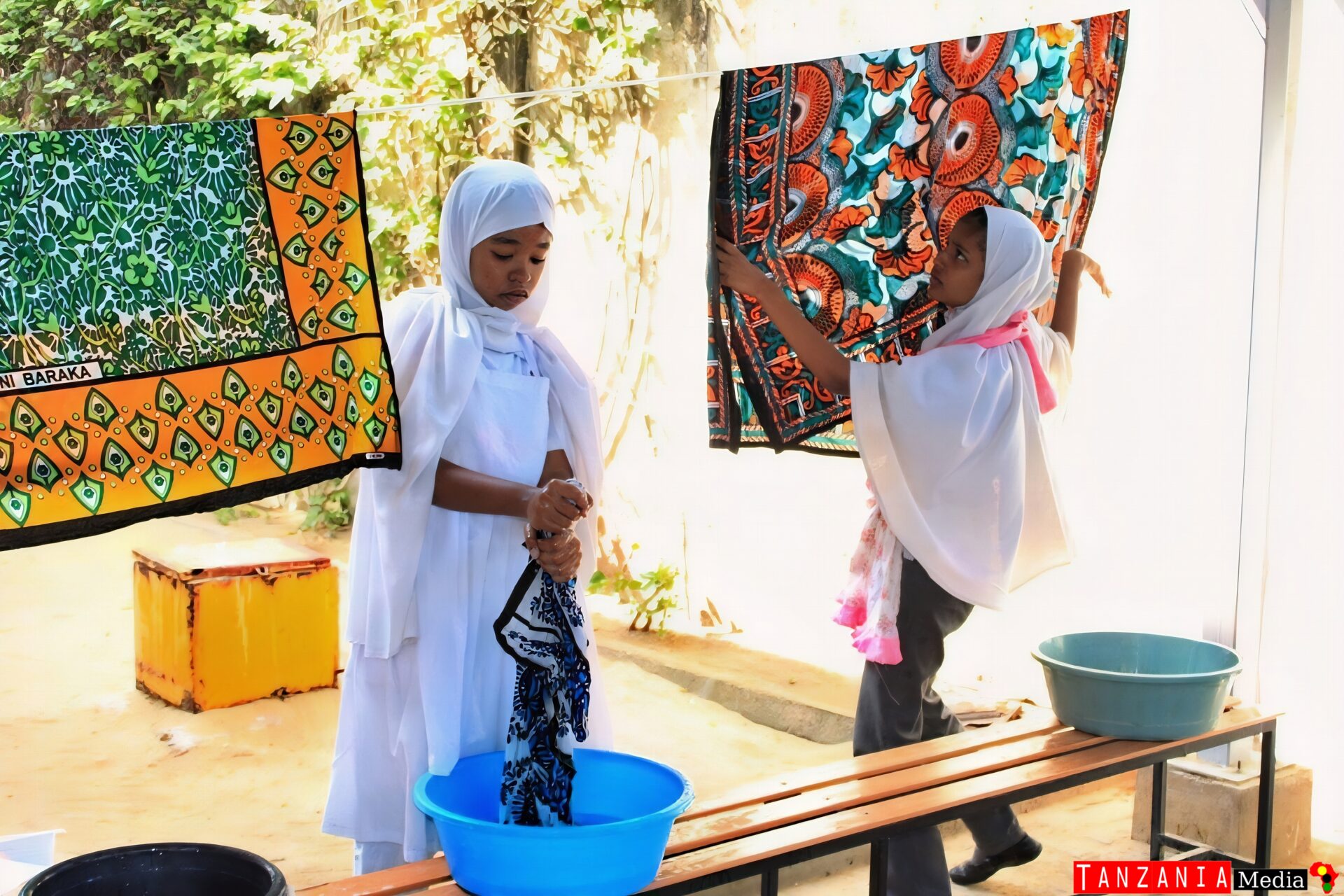 The textiles were another important craft product, providing the cloth that was used for clothing, for household purposes, and for trade. The weavers of the Swahili Coast produced a range of textiles, including cotton cloth, silk cloth, and other fabrics, reflecting the cultural influences and the technical innovations of the region. The textiles were often traded along the coast and across the Indian Ocean, providing a source of income for the weavers and their communities.
 The legacy of this trade is still evident today, in the culture, the language, and the identity of the Swahili people. The ships that carried the cargo of the world are still sailing, still connecting the Swahili to the wider world, still shaping the lives of the coastal communities. The ships are not merely a historical memory but a living reality, a source of connection and exchange, a framework for economic engagement with the wider world, and a basis for cultural exchange and social interaction. The ships that carried the cargo of the world are still sailing, and the Swahili people are still trading, still building, and still creating, drawing on the achievements of their ancestors and shaping the future of their civilisation.
 The legacy is also evident in the cultural practices of the Swahili people. The Islamic faith, the Swahili language, and the distinctive Swahili culture all have their roots in the period of the interior trade, and they continue to shape the lives of the coastal communities.
Swahili Society and Governance
-
The Pillars of Society: Hierarchy, Class, and Identity in the Swahili World
Introduction: The House That Stands on Many Pillars
“Nyumba inasimama kwa nguzo zake, si kwa ukuta mmoja” — A house stands on its pillars, not on a single wall.
This Swahili adage captures the essence of the social structure that characterised Swahili society for over a millennium. The house of Swahili civilisation stood on many pillars—the merchants who controlled the trade, the religious leaders who guided the faith, the artisans who crafted the goods, the farmers who cultivated the soil, the fishers who harvested the sea, the soldiers who defended the communities, and the enslaved who laboured in the fields and the households. Each pillar supported the structure, and each pillar was essential for the stability and the continuity of the society.
Swahili society was stratified, with a merchant and religious elite (waungwana), middle-ranking communities of artisans, farmers, fishers, and soldiers, and a large enslaved population. This stratification was not merely a matter of economic inequality but a complex system of social, political, and cultural differentiation, with each group occupying a distinct position in the hierarchy and performing a distinct function in the society.
The significance of this social structure extends beyond the descriptive to the analytical. The stratification shaped the political economy of the Swahili Coast, determining who controlled the resources, who exercised the power, and who benefited from the trade. The stratification also shaped the cultural identity of the Swahili people, determining who was considered civilised, who was considered barbarian, and who was considered neither. The stratification was not static but dynamic, evolving over time in response to changing circumstances and new challenges.
The Waungwana: The Elite of the Swahili World
The waungwana, the free-born or nobly born, were the elite of Swahili society. The waungwana controlled the political, economic, and religious institutions of the coastal communities, and they occupied the top of the social hierarchy. The waungwana were the merchants, the rulers, the religious leaders, and the patrons of the arts, and they used their wealth and their power to shape the character of Swahili civilisation.
The waungwana were distinguished from the other groups by their birth, their wealth, and their status. The waungwana were often of Arab or Persian descent, or they claimed such descent to enhance their prestige and their authority. The waungwana were also distinguished by their education, their literacy, and their knowledge of the Islamic law and the Islamic sciences.
The waungwana lived in the stone houses that characterised the Swahili towns. The stone houses were not merely residences but symbols of status and power, reflecting the wealth and the sophistication of their owners. The stone houses were often decorated with elaborate carvings, intricate plasterwork, and imported materials, reflecting the connections of the waungwana to the wider Indian Ocean world.
The waungwana were also the patrons of the mosques, the madrasas, and the other religious institutions. The waungwana funded the construction of the mosques, the education of the religious scholars, and the maintenance of the charitable foundations. The waungwana also served as the leaders of the community prayer, the arbiters of the disputes, and the defenders of the faith.
“Nyumba inasimama kwa nguzo zake, si kwa ukuta mmoja” — A house stands on its pillars, not on a single wall. This adage captures the importance of the waungwana as one of the pillars of Swahili society. The house of Swahili civilisation stood on the pillars of the elite, who provided the leadership, the patronage, and the direction for the community.
The Middle-Ranking Communities: The Artisans, Farmers, Fishers, and Soldiers
The middle-ranking communities of artisans, farmers, fishers, and soldiers occupied a central position in Swahili society. These groups were not as wealthy or as powerful as the waungwana, but they were essential for the functioning of the economy and the defence of the communities.
The artisans were the craftsmen who produced the goods that were used for daily life and for trade. The artisans included the potters, the weavers, the smiths, the carpenters, and the other craftsmen who transformed the raw materials into the finished products. The artisans were often members of specialised lineages or guilds, and they passed their skills and their knowledge from generation to generation.
The farmers were the cultivators who produced the food that sustained the population. The farmers cultivated sorghum, millet, rice, and other crops, and they herded cattle, goats, and sheep. The farmers were often members of the rural communities, and they supplied the surplus that supported the urban centres.
The fishers were the harvesters of the sea, who provided the fish, the shellfish, and the other marine resources that complemented the agricultural produce. The fishers were often members of the coastal communities, and they possessed a deep knowledge of the sea, the tides, and the fish.
The soldiers were the defenders of the communities, who protected the towns and the trade routes from the threats of the raiders and the rivals. The soldiers were often recruited from the middle-ranking communities, and they served as the militia, the guards, and the warriors of the Swahili towns.
The Enslaved Population: The Foundation of the Labour
The enslaved population was at the bottom of the social hierarchy, and it comprised a significant proportion of the population in many Swahili towns. The slaves were obtained from the interior, through networks of exchange that connected the coast to the producers, and they were used for a variety of purposes, including labour, domestic service, and military service.
The slaves were essential for the functioning of the Swahili economy. The slaves provided the labour that was needed for the cultivation of the plantations, the construction of the buildings, and the production of the goods. The slaves also provided the domestic service that was needed for the households of the elite, and they provided the military service that was needed for the defence of the communities.
The slaves were also essential for the functioning of the Swahili society. The slaves were a source of wealth and status for their owners, and they were a symbol of the power and the prestige of the elite. The slaves also contributed to the cultural diversity of the Swahili towns, bringing with them their languages, their beliefs, and their practices.
The condition of the slaves varied widely. Some slaves were treated harshly, subjected to brutal labour and cruel punishment. Other slaves were treated more humanely, given positions of trust and responsibility. The condition of the slaves depended on the attitudes of their owners, the nature of their work, and the circumstances of their enslavement.
The Social Hierarchy and Its Implications
The social hierarchy of Swahili society had profound implications for the political economy, the culture, and the identity of the Swahili people. The hierarchy determined who controlled the resources, who exercised the power, and who benefited from the trade. The hierarchy also determined who was considered civilised, who was considered barbarian, and who was considered neither.
The hierarchy was based on a combination of birth, wealth, and status. The waungwana were at the top of the hierarchy, and they used their birth, their wealth, and their status to maintain their position. The middle-ranking communities were in the middle of the hierarchy, and they used their skills, their labour, and their service to earn their place. The enslaved were at the bottom of the hierarchy, and they had few rights and little status.
The hierarchy was also based on the cultural values of the Swahili people. The waungwana were considered civilised, with their education, their literacy, and their knowledge of the Islamic law. The middle-ranking communities were considered useful, with their skills, their labour, and their service. The enslaved were considered inferior, with their lack of education, their lack of freedom, and their lack of status.
The hierarchy was not static but dynamic, with individuals and groups rising and falling in status over time. The merchants who accumulated wealth could rise to the status of the waungwana, and the waungwana who lost their wealth could fall to the status of the middle-ranking communities. The enslaved who were manumitted could rise to the status of the free, and the free who were captured could fall to the status of the enslaved.
The Political Economy of the Social Hierarchy
The political economy of the social hierarchy was based on the control of resources, the organisation of labour, and the regulation of exchange. The hierarchy determined who controlled the resources, who organised the labour, and who regulated the exchange.
The control of resources was the foundation of the political economy. The waungwana controlled the land, the trade, and the other resources that were essential for the economy. The waungwana used their control of the resources to accumulate wealth and to exercise power. The middle-ranking communities had access to some resources, but they were dependent on the waungwana for their livelihoods. The enslaved had no access to resources, and they were entirely dependent on their masters.
The organisation of labour was also important. The waungwana organised the labour of the middle-ranking communities and the enslaved, directing their activities and controlling their output. The middle-ranking communities organised their own labour, but they were often subject to the demands of the waungwana. The enslaved had no control over their labour, and they were forced to work for their masters.
The regulation of exchange was also significant. The waungwana regulated the exchange of goods and services, imposing taxes, tariffs, and other forms of tribute. The regulation of exchange provided a source of revenue for the waungwana, and it enabled them to control the flow of goods and to protect their interests.
The Cultural Significance of the Social Hierarchy
The social hierarchy had profound cultural significance for the Swahili people. The hierarchy shaped the identity and the consciousness of the Swahili people, determining who was considered Swahili and who was considered other.
The waungwana identified themselves as the true Swahili, the inheritors of the civilising mission and the guardians of the faith. The waungwana distinguished themselves from the middle-ranking communities, whom they considered less civilised, and from the enslaved, whom they considered inferior.
The middle-ranking communities identified themselves as the producers and the defenders of the Swahili world, and they often sought to emulate the waungwana in their dress, their manners, and their aspirations. The middle-ranking communities also distinguished themselves from the enslaved, whom they considered beneath them.
The enslaved identified themselves as the victims of the Swahili world, and they often sought to resist their oppression and to assert their humanity. The enslaved also contributed to the cultural diversity of the Swahili world, bringing with them their languages, their beliefs, and their practices.
The Enduring Legacy of the Social Hierarchy
The legacy of the social hierarchy is still evident today in the culture, the language, and the identity of the Swahili people. The hierarchy shaped the social structure, the political economy, and the cultural identity of the Swahili Coast, and it left a lasting imprint on the region.
The legacy is also evident in the social structure of the Swahili communities. The descendants of the waungwana continue to occupy a privileged position in the social hierarchy, and the descendants of the enslaved continue to struggle for recognition and justice.
The legacy is also evident in the cultural practices of the Swahili people. The Swahili culture, which was shaped by the social hierarchy, continues to reflect the values and the assumptions of the waungwana, the middle-ranking communities, and the enslaved.
The legacy is also evident in the identity of the Swahili people. The Swahili continue to grapple with the legacy of the social hierarchy, and they continue to seek to understand and to overcome the contradictions of their history.
Conclusion: The House That Still Stands
“Nyumba inasimama kwa nguzo zake, si kwa ukuta mmoja” — A house stands on its pillars, not on a single wall. This adage, in its full meaning, captures the enduring significance of the social structure that characterised Swahili society. The house of Swahili civilisation stood on many pillars, each supporting the structure, each essential for the stability and the continuity of the society.
Swahili society was stratified, with a merchant and religious elite (waungwana), middle-ranking communities of artisans, farmers, fishers, and soldiers, and a large enslaved population. This stratification was not merely a matter of economic inequality but a complex system of social, political, and cultural differentiation, with each group occupying a distinct position in the hierarchy and performing a distinct function in the society.
The legacy of this social structure is still evident today, in the culture, the language, and the identity of the Swahili people. The house that stood on many pillars is still standing, still sheltering the Swahili people, still reflecting the achievements and the contradictions of the Swahili civilisation. The pillars are still supporting the structure, and the Swahili people are still building, still creating, and still striving to understand and to overcome the complexities of their history.
-
The Stones of Status: Elite Architecture and the Display of Power in Swahili Stone Towns
Introduction: The Doorway That Speaks of Wealth
“Mlango wa jiwe unasema mengi kuhusu mwenye nyumba” — A stone doorway says much about the owner of the house.
This Swahili adage captures the profound significance of the elite architecture that characterised the stone towns of the Swahili Coast. The ornate doorways, the elaborate plasterwork, and the coral walls were not merely decorative elements but statements of status, symbols of power, and markers of identity. The stone doorway spoke to all who passed by, announcing the wealth, the sophistication, and the connections of the owner to the wider Indian Ocean world.
The “stone towns” housed the elite, who built coral houses with ornate doorways and elaborate plasterwork that signified their status and wealth. These houses were not merely residences but monuments to the achievements and the aspirations of the waungwana, the free-born elite who controlled the political, economic, and religious institutions of the Swahili world. The houses were the physical manifestations of the social hierarchy, the tangible expressions of the cultural values, and the lasting legacies of a civilisation that valued beauty, craftsmanship, and the display of power.
The significance of these elite houses extends beyond their aesthetic qualities. The houses were the centres of elite life, the venues for the social and political activities that shaped the character of the Swahili towns. The houses were also the sites of cultural production, where the Swahili art, the Swahili architecture, and the Swahili identity were forged and refined. The houses were the stones that spoke, telling the story of the Swahili elite and their place in the world.
The Stone Towns: The Settings of Elite Life
The stone towns were the settings of elite life, the urban centres where the waungwana lived, worked, and exercised their power. The stone towns were characterised by their coral architecture, their narrow streets, and their distinctive layout, reflecting the social and political organisation of the Swahili communities.
The stone towns were located along the coast, on the islands, and on the mainland, and they were often situated in strategic positions that provided access to the trade routes and the resources of the region. The stone towns were also often surrounded by walls, providing defence against the threats of the raiders and the rivals.
The stone towns were the centres of the Swahili economy, with their markets, their warehouses, and their ports. The stone towns were also the centres of the Swahili culture, with their mosques, their madrasas, and their palaces. The stone towns were the centres of the Swahili politics, with their councils, their courts, and their rulers.
The stone towns were not merely collections of buildings but living communities, with their own social hierarchies, their own cultural practices, and their own political dynamics. The stone towns were the stages upon which the drama of Swahili life was enacted, and the elite houses were the principal sets in that drama.
“Mlango wa jiwe unasema mengi kuhusu mwenye nyumba” — A stone doorway says much about the owner of the house. This adage captures the significance of the elite houses in the stone towns, which announced the status and the wealth of their owners to all who passed by.
The Coral Architecture: The Material of Status
The coral architecture was the material of status, the medium through which the elite expressed their wealth, their power, and their sophistication. The coral stone was quarried from the living reefs, cut into blocks, and used to construct the walls, the doorways, and the other structural elements of the elite houses.
The coral stone was not merely a building material but a symbol of permanence, durability, and connection to the sea. The coral stone was also a symbol of the connections of the elite to the wider Indian Ocean world, as the coral was often imported from distant reefs and quarries.
The coral architecture was characterised by its distinctive style, with the walls often decorated with intricate plasterwork, the doorways often adorned with ornate carvings, and the interiors often furnished with imported materials. The coral architecture was also characterised by its functionality, with the houses designed to provide comfort, privacy, and security for the elite families.
The construction of the coral houses was a costly and complex process, requiring the labour of skilled craftsmen and the resources of wealthy patrons. The construction of a coral house was a significant investment, and it was often undertaken as a display of wealth and status.
The Ornate Doorways: The Entrances to Status
The ornate doorways were one of the most distinctive features of the elite houses, serving as the entrances to status and the symbols of the owner’s wealth and sophistication. The doorways were often carved with intricate designs, including geometric patterns, floral motifs, and calligraphic inscriptions.
The doorways were also often framed with elaborate lintels and jambs, which were decorated with carvings and plasterwork. The doorways were sometimes surmounted by arches, which were decorated with intricate patterns and designs.
The doorways were not merely decorative but functional, providing access to the interior of the house and security for the inhabitants. The doorways were often made of heavy wood, reinforced with iron, and secured with locks and bolts.
The doorways were also symbolic, marking the boundary between the public and the private, the outside and the inside, the common and the elite. The doorways announced to all who passed by that the owner was a person of consequence, with wealth, status, and connections.
The Elaborate Plasterwork: The Decoration of Status
The elaborate plasterwork was another distinctive feature of the elite houses, serving as the decoration of status and the expression of the owner’s taste and sophistication. The plasterwork was often applied to the walls, the ceilings, and the other surfaces of the interior, creating a smooth and elegant finish.
The plasterwork was often decorated with intricate designs, including geometric patterns, floral motifs, and calligraphic inscriptions. The plasterwork was also often painted or whitewashed, creating a bright and airy interior.
The plasterwork was not merely decorative but functional, providing insulation, protection, and durability for the interior surfaces. The plasterwork was also symbolic, reflecting the cultural values and the artistic traditions of the Swahili elite.
The production of the elaborate plasterwork required the labour of skilled craftsmen, who possessed the knowledge and the techniques of the plastering trade. The production of the plasterwork was a costly and complex process, and it was often undertaken as a display of wealth and status.
The Imported Materials: The Connections of Status
The imported materials were another distinctive feature of the elite houses, serving as the connections of status and the symbols of the owner’s participation in the wider Indian Ocean world. The imported materials included the porcelain from China, the glass from the Middle East, the textiles from India, and the other luxury goods that were in demand in the markets of the coast.
The imported materials were used for a variety of purposes, including the decoration of the interiors, the furnishing of the rooms, and the display of the owner’s wealth and sophistication. The imported materials were often displayed prominently, serving as the markers of the owner’s connections and his participation in the global trading system.
The imported materials were not merely decorative but symbolic, reflecting the cosmopolitanism and the openness of the Swahili elite. The imported materials also reflected the economic power of the elite, who were able to afford the luxury goods that were in demand in the markets of the Indian Ocean world.
The Political Economy of the Elite Houses
The political economy of the elite houses was based on the control of resources, the organisation of labour, and the display of status. The houses were built with the wealth of the trade, and they were maintained with the labour of the craftsmen and the servants.
The control of resources was the foundation of the political economy. The elite controlled the land, the trade, and the other resources that were essential for the construction and the maintenance of the houses. The elite also controlled the labour of the craftsmen and the servants, who built and maintained the houses.
The organisation of labour was also important. The construction of the coral houses required the labour of skilled craftsmen, including the masons, the carpenters, the plasterers, and the carvers. The organisation of this labour was a complex and costly process, and it was often overseen by the elite patrons.
The display of status was the ultimate purpose of the elite houses. The houses were built to display the wealth, the power, and the sophistication of the owners, and they were designed to impress the visitors and to intimidate the rivals. The houses were the stages upon which the elite performed their status, and they were the symbols of the social hierarchy.
The Social Implications of the Elite Houses
The elite houses had profound social implications for the communities of the Swahili Coast. The houses created new forms of social differentiation, with the elite occupying a distinct position in the urban landscape and the social hierarchy.
The houses also enabled the emergence of new forms of social organisation. The stone towns, with their elite houses and their public buildings, provided a new environment for social interaction, a new arena for the display of status and power. The stone towns also provided a new basis for social identity, with the residents of the towns distinguishing themselves from the residents of the countryside.
The houses also created new forms of cultural expression. The elite architecture, with its ornate doorways and its elaborate plasterwork, was a form of art, a medium for the expression of status and identity. The elite architecture also influenced the broader Swahili culture, setting the standards for taste, beauty, and sophistication.
The Cultural Significance of the Elite Houses
The elite houses had profound cultural significance for the Swahili people. The houses were the expressions of the cultural values and the artistic traditions of the Swahili elite, and they were the symbols of the achievements and the aspirations of the Swahili civilisation.
The houses reflected the Islamic faith of the elite, with their calligraphic inscriptions, their geometric patterns, and their orientation towards Mecca. The houses also reflected the African heritage of the elite, with their use of local materials, their adaptation to the local climate, and their incorporation of local designs and motifs.
The houses also reflected the cosmopolitanism of the elite, with their imported materials, their international styles, and their connections to the wider Indian Ocean world. The houses were the tangible expressions of the hybrid identity of the Swahili people, who were both African and global, both traditional and modern.
The Enduring Legacy of the Elite Houses
The legacy of the elite houses is still evident today in the culture, the language, and the identity of the Swahili people. The houses that were built centuries ago still stand, silent but eloquent witnesses to the achievements and the aspirations of the Swahili elite.
The legacy is also evident in the architectural traditions of the Swahili Coast. The coral architecture, the ornate doorways, and the elaborate plasterwork continue to inspire the builders and the artists of the region, and they continue to shape the aesthetic sensibilities of the Swahili people.
The legacy is also evident in the cultural identity of the Swahili people. The Swahili continue to identify themselves with the achievements of their ancestors, and they continue to draw on the values and the traditions of the elite to navigate the challenges of the present and to imagine the possibilities of the future.
Conclusion: The Stones That Still Speak
“Mlango wa jiwe unasema mengi kuhusu mwenye nyumba” — A stone doorway says much about the owner of the house. This adage, in its full meaning, captures the enduring significance of the elite houses that characterised the stone towns of the Swahili Coast. The ornate doorways, the elaborate plasterwork, and the coral walls were not merely decorative elements but statements of status, symbols of power, and markers of identity.
The “stone towns” housed the elite, who built coral houses with ornate doorways and elaborate plasterwork that signified their status and wealth. These houses were not merely residences but monuments to the achievements and the aspirations of the waungwana, the free-born elite who controlled the political, economic, and religious institutions of the Swahili world.
The legacy of these houses is still evident today, in the culture, the language, and the identity of the Swahili people. The stones that spoke centuries ago are still speaking, still telling the story of the Swahili elite and their place in the world. The stones are not merely historical artefacts but living testimonies to the achievements of the Swahili people, and they continue to inspire and to inform the present, reminding us of the power of human creativity, the importance of cultural preservation, and the enduring significance of the Swahili civilisation.
-
The Fluid Identity: Swahili, Selfhood, and the Making of a Coastal People
Introduction: The River That Changes Its Course
“Mto hubadilisha mkondo, lakini maji yake ni yale yale” — A river changes its course, but its waters remain the same.
This Swahili adage captures the essence of Swahili identity—a identity that has been fluid, dynamic, and contested over the centuries. The river of Swahili identity has changed its course many times, adapting to new circumstances, new influences, and new challenges. Yet the waters of that river have remained the same, carrying the memories, the values, and the aspirations of a people who have navigated the currents of history for over a millennium.
Swahili identity was not fixed but fluid and contested, with the term “Swahili” itself being a relatively recent self-designation, emerging only in the 19th century. This fluidity is not a sign of weakness or confusion but of resilience and adaptability, reflecting the ability of the Swahili people to negotiate their identity in relation to multiple Others—Arabs, Persians, Indians, Europeans, and Africans from the interior. The identity was not a static inheritance but a dynamic process, a ongoing negotiation of belonging, status, and meaning.
The significance of this fluidity extends beyond the academic to the political and the personal. The question of who is Swahili, what it means to be Swahili, and how Swahili identity relates to other identities has been a source of debate, conflict, and creativity for centuries. The fluidity of Swahili identity has enabled the Swahili people to adapt to changing circumstances, to incorporate new influences, and to maintain their distinctiveness in the face of external pressures.
The Origins of the Term “Swahili”
The term “Swahili” is derived from the Arabic word “sawahil,” meaning “coasts” or “coastal dwellers.” The term was originally used by the Arab traders and geographers to refer to the peoples and the cultures of the East African coast. The term was not a self-designation but an external label, imposed by the outsiders who encountered the coastal communities.
The adoption of the term “Swahili” as a self-designation was a relatively recent development, occurring only in the 19th century. Before that, the coastal communities identified themselves by their towns, their clans, or their lineages, rather than by a single ethnic or cultural label. The identity was local and particular, rooted in the specific histories and the specific relationships of the communities.
The adoption of the term “Swahili” as a self-designation was influenced by the colonial encounter. The European colonisers, seeking to classify and to control the populations of the coast, imposed ethnic and racial categories that simplified the complex realities of the region. The term “Swahili” was adopted by some coastal communities as a way of asserting their distinctiveness and their identity in the face of colonial domination.
The adoption of the term “Swahili” was also influenced by the nationalist movements of the 20th century. The Swahili language, which had been the lingua franca of the coast, was adopted as a symbol of national identity and national unity. The term “Swahili” was used to refer to the speakers of the language, creating a new sense of identity that transcended the local and the particular.
“Mto hubadilisha mkondo, lakini maji yake ni yale yale” — A river changes its course, but its waters remain the same. This adage captures the continuity of Swahili identity, which has changed its course over time but has remained rooted in the shared history and the shared culture of the coastal communities.
The Fluidity of Swahili Identity
The fluidity of Swahili identity is evident in the multiple ways that the coastal communities have defined themselves over the centuries. The identity has been shaped by the interactions with the Arabs, the Persians, the Indians, the Europeans, and the Africans from the interior. The identity has also been shaped by the economic, social, and political transformations of the region.
The fluidity of Swahili identity is evident in the genealogies and the origin stories of the coastal communities. The elites often claimed Arab or Persian descent, using these claims to enhance their prestige and their authority. The non-elites often claimed African descent, emphasising their connection to the land and the communities of the interior. The claims of descent were not fixed but contested, with different groups asserting different origins for different purposes.
The fluidity of Swahili identity is also evident in the cultural practices of the coastal communities. The Swahili adopted elements of Arab, Persian, Indian, and European culture, incorporating them into their own traditions. The Swahili also maintained elements of their African heritage, preserving the languages, the beliefs, and the practices that connected them to the interior.
The fluidity of Swahili identity is also evident in the political affiliations of the coastal communities. The communities aligned themselves with different powers at different times, depending on the circumstances and the opportunities. The communities allied with the Arabs against the Portuguese, with the Portuguese against the Omanis, with the British against the Germans, and with the nationalists against the colonisers.
The Contested Nature of Swahili Identity
The contested nature of Swahili identity is evident in the debates about who is Swahili, what it means to be Swahili, and how Swahili identity relates to other identities. The debates have been shaped by the colonial encounters, the nationalist movements, and the contemporary politics of the region.
The colonial encounters created new categories of identity that simplified the complex realities of the coast. The colonisers classified the populations into racial and ethnic groups, creating hierarchies that privileged some groups and marginalised others. The classifications were imposed by the colonisers, but they were also adopted and adapted by the colonised, who used them for their own purposes.
The nationalist movements of the 20th century created new categories of identity that challenged the colonial classifications. The nationalists sought to create a unified national identity that transcended the ethnic and racial divisions of the colonial era. The Swahili language was adopted as a symbol of national identity, and the term “Swahili” was used to refer to all the speakers of the language.
The contemporary politics of the region have created new debates about Swahili identity. The debates have been shaped by the struggles for autonomy, the conflicts over resources, and the movements for cultural preservation. The debates have also been shaped by the globalisation of culture, which has brought new influences and new challenges to the coastal communities.
The Social Implications of Fluid Identity
The fluidity of Swahili identity has profound social implications for the communities of the Swahili Coast. The fluidity has enabled the communities to adapt to changing circumstances, to incorporate new influences, and to maintain their distinctiveness in the face of external pressures.
The fluidity has also enabled the communities to negotiate their relationships with other groups. The Swahili have been able to form alliances with the Arabs, the Persians, the Indians, the Europeans, and the Africans from the interior, using their fluid identity to bridge the gaps between the different groups.
The fluidity has also enabled the communities to resist the attempts of the outsiders to define and to control them. The Swahili have been able to assert their own identity, to challenge the colonial classifications, and to maintain their autonomy in the face of external domination.
The fluidity has also created tensions and conflicts within the communities. The debates about who is Swahili, what it means to be Swahili, and how Swahili identity relates to other identities have been a source of division and discord. The tensions reflect the complexity and the diversity of the Swahili communities, and they are a reminder that identity is not a simple matter of descent or culture but a ongoing negotiation of belonging and meaning.
The Cultural Significance of Fluid Identity
The fluidity of Swahili identity has profound cultural significance for the Swahili people. The fluidity has enabled the Swahili to create a culture that is both African and global, both traditional and modern. The fluidity has also enabled the Swahili to preserve their heritage while adapting to new circumstances.
The fluidity is evident in the Swahili language, which has incorporated loanwords from Arabic, Persian, Indian, and European languages. The language is not a mixture of different languages but a Bantu language with a rich vocabulary of loanwords, reflecting the cosmopolitanism and the openness of the Swahili culture.The fluidity is also evident in the Swahili art, which has incorporated influences from Arab, Persian, Indian, and European art. The art is not a copy of foreign styles but a synthesis of different influences, creating a distinctive aesthetic that is both Swahili and global.
The fluidity is also evident in the Swahili religion, which has incorporated elements of Islam, African traditional religions, and other beliefs. The religion is not a simple adherence to a single faith but a complex synthesis of different traditions, reflecting the spiritual diversity and the religious tolerance of the Swahili people.
The Political Economy of Fluid Identity
The fluidity of Swahili identity has profound implications for the political economy of the Swahili Coast. The fluidity has enabled the Swahili to participate in multiple economic networks, to form alliances with multiple political powers, and to navigate the complex dynamics of the Indian Ocean world.
The fluidity has enabled the Swahili merchants to trade with the Arabs, the Persians, the Indians, and the Europeans, using their fluid identity to build trust and to establish relationships. The merchants have been able to adapt to the changing conditions of the trade, to incorporate new goods and new markets, and to maintain their competitiveness in the global economy.
The fluidity has also enabled the Swahili rulers to form alliances with multiple political powers, using their fluid identity to negotiate the complex dynamics of the region. The rulers have been able to adapt to the changing political landscape, to build relationships with the colonisers and the nationalists, and to maintain their authority in the face of external pressures.
The fluidity has also enabled the Swahili communities to resist the attempts of the outsiders to control their resources and their labour. The communities have been able to assert their rights, to challenge the colonial regulations, and to maintain their autonomy in the face of external domination.
The Enduring Legacy of Fluid Identity
The legacy of fluid identity is still evident today in the culture, the language, and the identity of the Swahili people. The fluidity has enabled the Swahili to adapt to the challenges of the modern world, to incorporate new influences, and to maintain their distinctiveness in the face of globalisation.
The legacy is also evident in the debates about Swahili identity that continue to shape the politics and the culture of the region. The debates reflect the complexity and the diversity of the Swahili communities, and they are a reminder that identity is not a simple matter of descent or culture but a ongoing negotiation of belonging and meaning.
The legacy is also evident in the resilience and the adaptability of the Swahili people. The Swahili have survived the challenges of colonialism, nationalism, and globalisation, and they continue to thrive in the coastal environment that has sustained them for over a millennium.
Conclusion: The River That Still Flows
“Mto hubadilisha mkondo, lakini maji yake ni yale yale” — A river changes its course, but its waters remain the same. This adage, in its full meaning, captures the enduring significance of the fluidity of Swahili identity. The river of Swahili identity has changed its course many times, adapting to new circumstances, new influences, and new challenges. Yet the waters of that river have remained the same, carrying the memories, the values, and the aspirations of a people who have navigated the currents of history for over a millennium.
Swahili identity was not fixed but fluid and contested, with the term “Swahili” itself being a relatively recent self-designation, emerging only in the 19th century. This fluidity is not a sign of weakness or confusion but of resilience and adaptability, reflecting the ability of the Swahili people to negotiate their identity in relation to multiple Others.
The legacy of this fluidity is still evident today, in the culture, the language, and the identity of the Swahili people. The river that changed its course is still flowing, still carrying the waters of Swahili identity, still shaping the lives of the coastal communities. The river is not merely a historical memory but a living reality, a source of resilience and adaptability, a framework for social and cultural identity, and a basis for engagement with the wider world. The river that changed its course is still flowing, and the Swahili people are still navigating its currents, drawing on the wisdom of their ancestors and the strength of their communities.
-
The Arabness of Civilisation: Ustaarabu and the Shaping of Swahili Identity
Introduction: The Cloth That Covers and Reveals
“Nguo ya mgeni inaweza kufunika, lakini haibadilishi mwili” — A stranger’s cloth can cover, but it does not change the body.
This Swahili adage captures the complex relationship between the Swahili people and the concept of ustaarabu—the adoption of Arab cultural markers as symbols of prestige and status. The cloth of the stranger, the Arab, could cover the Swahili body, but it did not change the essential nature of that body. The adoption of Arab dress, Arab language, Arab architectural styles, and Arab social practices was a strategic assertion of identity, a way of signalling status and connection, but it did not erase the African roots of the Swahili people.
The concept of ustaarabu, meaning “Arabness” or “civilisation,” became an increasingly important marker of prestige and status in the 19th century, reflecting the growing influence of Omani and Arab culture along the Swahili Coast. The concept was not merely a matter of adopting foreign customs but a complex process of cultural negotiation, in which the Swahili elite sought to align themselves with the dominant powers of the Indian Ocean world while maintaining their distinct identity.
The significance of ustaarabu extends beyond the superficial to the structural. The concept shaped the social hierarchy of the Swahili Coast, determining who was considered civilised and who was considered barbarian. The concept also shaped the political economy of the region, determining who had access to power, wealth, and status. The concept also shaped the cultural identity of the Swahili people, creating a new sense of belonging that was both African and Arab, both local and global.
The Origins and Meaning of Ustaarabu
The term ustaarabu is derived from the Arabic word “arab,” meaning “Arab” or “Arabic,” and the Swahili prefix “u-,” which denotes an abstract quality or state. The term thus means “Arabness” or “the state of being Arab.” However, the term was not simply a matter of ethnic identity but a broader concept of civilisation, refinement, and urbanity.
The concept of ustaarabu was closely linked to the adoption of Islam, which was seen as a civilising force that distinguished the coastal communities from the non-Muslim peoples of the interior. The concept was also linked to the adoption of Arab cultural practices, including dress, language, architecture, and social etiquette, which were seen as markers of prestige and status.
The concept of ustaarabu was not a static or fixed category but a dynamic and contested one. The definition of what constituted ustaarabu varied over time and across communities, and it was often the subject of debate and negotiation. The concept was also used strategically, with different groups and individuals claiming ustaarabu to enhance their status and to distinguish themselves from others.
“Nguo ya mgeni inaweza kufunika, lakini haibadilishi mwili” — A stranger’s cloth can cover, but it does not change the body. This adage captures the strategic nature of ustaarabu, which involved the adoption of Arab cultural markers without the loss of the essential Swahili identity.
The Growing Influence of Omani and Arab Culture
The growing influence of Omani and Arab culture along the Swahili Coast in the 19th century was a significant factor in the increasing importance of ustaarabu. The Omanis, who had established their dominance over the Swahili Coast in the 18th century, brought with them their language, their religion, their architecture, and their social practices.
The Omani influence was most pronounced in Zanzibar, which became the capital of the Omani sultanate in 1840. The Sultan of Zanzibar, Seyyid Said bin Sultan, promoted the adoption of Omani and Arab cultural practices among the Swahili elite, who sought to align themselves with the dominant power of the region.
The Omani influence was also evident in the other Swahili towns, including Mombasa, Lamu, and Kilwa, where the Omani governors and the Omani merchants established their presence. The adoption of Omani and Arab cultural practices was a way of signalling status and connection, a way of participating in the dominant culture of the region.
The growing influence of Omani and Arab culture was also reflected in the Swahili language. The Swahili language incorporated an increasing number of Arabic loanwords, particularly in the domains of religion, administration, and trade. The Arabic script was adopted for writing Swahili, and the Arabic language was used for religious and scholarly purposes.
Ustaarabu as a Marker of Prestige and Status
The concept of ustaarabu became an increasingly important marker of prestige and status in the 19th century. The adoption of Arab cultural markers was a way of signalling one’s connection to the dominant powers of the Indian Ocean world, and it was a way of distinguishing oneself from the non-Muslim peoples of the interior.
The markers of ustaarabu included dress, language, architecture, and social etiquette. The adoption of Arab dress, including the kanzu, the kofia, and the buibui, was a way of signalling one’s status and sophistication. The adoption of Arab language, including the use of Arabic loanwords and the Arabic script, was a way of signalling one’s education and one’s religious devotion.
The adoption of Arab architecture, including the construction of stone houses with ornate doorways and elaborate plasterwork, was a way of signalling one’s wealth and one’s connection to the wider Islamic world. The adoption of Arab social etiquette, including the customs of hospitality, the rules of politeness, and the practices of marriage and family life, was a way of signalling one’s refinement and one’s urbanity.
The markers of ustaarabu were not merely superficial but structural, shaping the social hierarchy and the political economy of the Swahili Coast. The possession of ustaarabu was a source of power and influence, enabling its holders to access the networks of trade, politics, and culture that were essential for success in the region.
The Social Implications of Ustaarabu
The concept of ustaarabu had profound social implications for the communities of the Swahili Coast. The concept created new forms of social differentiation, with those who possessed ustaarabu occupying a higher position in the social hierarchy than those who did not.
The concept also created new forms of social exclusion. Those who were considered lacking in ustaarabu, including the non-Muslim peoples of the interior, the enslaved, and the poor, were marginalised and excluded from the networks of power and influence.
The concept also created new forms of social mobility. Those who were able to acquire ustaarabu, through education, wealth, or patronage, were able to rise in the social hierarchy and to access the opportunities that were otherwise closed to them.
The concept also created new forms of social tension. The competition for ustaarabu was a source of conflict and rivalry, with different individuals and groups vying for the recognition and the status that the concept conferred.
The Political Economy of Ustaarabu
The concept of ustaarabu had profound implications for the political economy of the Swahili Coast. The concept shaped the distribution of power, the control of resources, and the organisation of exchange.
The possession of ustaarabu was a source of political power. Those who possessed ustaarabu were able to access the networks of patronage and influence that were essential for political success. They were able to form alliances with the Omani rulers, to secure positions of authority, and to influence the decisions of the state.
The possession of ustaarabu was also a source of economic power. Those who possessed ustaarabu were able to access the networks of trade and commerce that were essential for economic success. They were able to form partnerships with the Omani merchants, to secure access to the markets, and to accumulate the wealth that was necessary for the construction of the stone houses and the other symbols of status.
The possession of ustaarabu was also a source of cultural power. Those who possessed ustaarabu were able to shape the cultural norms and the cultural values of the Swahili Coast. They were able to define what was considered civilised and what was considered barbarian, and they were able to impose their cultural preferences on the broader society.
The Cultural Significance of Ustaarabu
The concept of ustaarabu had profound cultural significance for the Swahili people. The concept shaped the cultural identity of the Swahili, creating a new sense of belonging that was both African and Arab, both local and global.
The concept also shaped the cultural practices of the Swahili. The adoption of Arab dress, language, architecture, and social etiquette enriched the Swahili culture, adding new dimensions and new possibilities for expression. The adoption of Islam also enriched the Swahili culture, providing a framework for spiritual and moral life that was both universal and particular.
The concept also shaped the cultural production of the Swahili. The Swahili literature, including the poetry, the chronicles, and the religious texts, was often written in Arabic script and was often infused with Arabic vocabulary and Arabic themes. The Swahili art, including the calligraphy, the carvings, and the decorative arts, was often influenced by the Arab artistic traditions.
The concept also shaped the cultural identity of the Swahili. The Swahili identified themselves as a civilised people, distinguished from the non-Muslim peoples of the interior by their possession of ustaarabu. The concept of ustaarabu was a source of pride and solidarity, and it provided a basis for the maintenance of the distinct character of the Swahili civilisation.
The Enduring Legacy of Ustaarabu
The legacy of ustaarabu is still evident today in the culture, the language, and the identity of the Swahili people. The concept of ustaarabu, while shaped by the historical circumstances of the 19th century, has persisted and evolved, continuing to shape the lives of the coastal communities.
The legacy is evident in the Swahili language, which continues to incorporate Arabic loanwords and to use the Arabic script in some contexts. The legacy is also evident in the Islamic faith, which continues to be a central element of Swahili identity. The legacy is also evident in the cultural practices, including the dress, the architecture, and the social etiquette, which continue to reflect the influence of Arab and Omani culture.
The legacy is also evident in the debates about Swahili identity. The concept of ustaarabu has been a source of debate and contention, with different individuals and groups arguing about the meaning and the significance of the concept. The debates reflect the complexity and the diversity of the Swahili communities, and they are a reminder that identity is not a simple matter of descent or culture but a ongoing negotiation of belonging and meaning.
Conclusion: The Cloth That Still Covers
“Nguo ya mgeni inaweza kufunika, lakini haibadilishi mwili” — A stranger’s cloth can cover, but it does not change the body. This adage, in its full meaning, captures the enduring significance of the concept of ustaarabu for the Swahili people. The cloth of the stranger, the Arab, could cover the Swahili body, but it did not change the essential nature of that body. The adoption of Arab cultural markers was a strategic assertion of identity, a way of signalling status and connection, but it did not erase the African roots of the Swahili people.
The concept of ustaarabu, meaning “Arabness” or “civilisation,” became an increasingly important marker of prestige and status in the 19th century, reflecting the growing influence of Omani and Arab culture along the Swahili Coast. The concept was not merely a matter of adopting foreign customs but a complex process of cultural negotiation, in which the Swahili elite sought to align themselves with the dominant powers of the Indian Ocean world while maintaining their distinct identity.
The legacy of ustaarabu is still evident today, in the culture, the language, and the identity of the Swahili people. The cloth that covered the Swahili body is still covering, still shaping the lives of the coastal communities, still reflecting the complexity and the diversity of the Swahili identity. The cloth is not merely a historical artefact but a living tradition, a source of prestige and status, a framework for social and cultural identity, and a basis for engagement with the wider world. The cloth that covered is still covering, and the Swahili people are still wearing it, still adapting it, still making it their own.
-
The Many Pillars of Power: Governance and Political Organisation in the Swahili Towns
Introduction: The House of Many Rooms
“Nyumba yenye vyumba vingi inaweza kukaribisha wageni wengi” — A house with many rooms can welcome many guests.
This Swahili adage captures the diversity and the adaptability of governance in the Swahili towns. The house of Swahili political organisation had many rooms, each with its own character, its own functions, and its own inhabitants. The variety of governance structures was not a sign of weakness or confusion but of resilience and creativity, reflecting the ability of the Swahili communities to adapt their political institutions to the changing circumstances and the specific conditions of their towns.
Governance in Swahili towns varied, with some following the “jumbe system” of a paramount leader supported by a council of officials, while others were governed by councils of elders or merchant oligarchies. This diversity was not merely a matter of local variation but a reflection of the different histories, the different social structures, and the different economic conditions of the Swahili towns. The governance structures were also dynamic, evolving over time in response to new challenges, new influences, and new opportunities.
The significance of this diversity extends beyond the descriptive to the analytical. The variety of governance structures provides insights into the political economy of the Swahili Coast, the social relations that shaped the distribution of power, and the cultural values that informed the exercise of authority. The diversity also provides a caution against the tendency to generalise about Swahili politics, reminding us that the Swahili world was not a monolithic entity but a complex and varied landscape of political forms.
The Jumbe System: The Paramount Leader and His Council
The jumbe system was one of the most common forms of governance in the Swahili towns. The system was characterised by the presence of a paramount leader, the jumbe, who was supported by a council of officials and advisors. The jumbe was often the head of a prominent lineage or clan, and his authority was based on a combination of hereditary right, personal charisma, and political skill.
The jumbe was not an absolute ruler but a first among equals, whose authority was constrained by the council and the other institutions of the town. The jumbe was responsible for the administration of justice, the management of the town’s affairs, and the representation of the town in its relations with other powers. The jumbe also served as the commander of the town’s military forces, the patron of the religious institutions, and the arbiter of the disputes.
The council of officials, which supported the jumbe, was composed of the heads of the prominent lineages and clans, the religious leaders, and the representatives of the merchant communities. The council advised the jumbe on matters of policy, and it often had the power to approve or to reject the decisions of the jumbe. The council also served as a check on the power of the jumbe, ensuring that his authority was exercised in the interests of the community.
The jumbe system was characterised by a balance of power between the jumbe and the council. The jumbe had the authority to propose policies and to make decisions, but he could not act without the consent of the council. The council had the power to advise and to consent, but it could not act without the leadership of the jumbe. The balance of power was a source of stability and continuity, ensuring that the town was governed in the interests of the community.
“Nyumba yenye vyumba vingi inaweza kukaribisha wageni wengi” — A house with many rooms can welcome many guests. This adage captures the inclusivity of the jumbe system, which accommodated the diverse interests and the different groups of the Swahili towns.
The Council of Elders: The Wisdom of the Ancestors
The council of elders was another common form of governance in the Swahili towns. The council was composed of the senior members of the community, who were respected for their age, their wisdom, and their knowledge of the traditions and the customs of the town. The council of elders was often the primary governing body, exercising authority over the affairs of the town.
The council of elders was not a formal institution but an informal one, based on the authority of the elders and the respect of the community. The elders were often the heads of the prominent lineages and clans, and they were chosen for their wisdom, their integrity, and their commitment to the community.
The council of elders was responsible for the administration of justice, the management of the town’s affairs, and the resolution of disputes. The elders also served as the guardians of the traditions and the customs of the town, ensuring that the community remained faithful to its heritage.
The council of elders was characterised by a consensus-based decision-making process. The elders would discuss the issues and the challenges facing the town, and they would seek to reach a consensus on the appropriate course of action. The consensus was not a matter of majority rule but of collective agreement, and it required the patience, the wisdom, and the diplomacy of the elders.
The council of elders was a source of stability and continuity, ensuring that the town was governed in accordance with the traditions and the customs of the community. The council also served as a check on the power of any individual or group, preventing the concentration of power and the abuse of authority.
The Merchant Oligarchy: The Power of Wealth
The merchant oligarchy was another form of governance in the Swahili towns. The oligarchy was composed of the wealthiest and the most influential merchants of the town, who exercised authority over the affairs of the community. The merchant oligarchy was often the primary governing body, particularly in the towns that were dominated by trade and commerce.
The merchant oligarchy was based on the wealth and the influence of the merchants, who controlled the trade and the commerce of the town. The merchants used their wealth to build the stone houses, to fund the mosques, and to support the religious institutions. The merchants also used their influence to shape the policies and the decisions of the town.
The merchant oligarchy was responsible for the regulation of trade, the administration of justice, and the management of the town’s affairs. The merchants also served as the representatives of the town in its relations with other powers, and they were often the ambassadors and the diplomats of the Swahili towns.
The merchant oligarchy was characterised by a competitive and entrepreneurial spirit. The merchants were often ambitious and driven, seeking to expand their wealth and their influence. The competition among the merchants was a source of dynamism and innovation, and it contributed to the prosperity and the growth of the Swahili towns.
The merchant oligarchy was also a source of tension and conflict. The merchants often competed with each other for control of the trade routes and the markets, and they sometimes used their wealth and their influence to undermine their rivals. The conflicts among the merchants were often resolved through negotiation and compromise, but they sometimes escalated into violence and warfare.
The Diversity of Governance: A Reflection of Local Conditions
The diversity of governance in the Swahili towns was a reflection of the different histories, the different social structures, and the different economic conditions of the communities. The diversity was also a reflection of the adaptability and the creativity of the Swahili people, who were able to develop political institutions that were suited to their specific circumstances.
The towns that were dominated by trade and commerce often adopted the merchant oligarchy, which provided the merchants with the authority and the influence that they needed to conduct their business. The towns that were dominated by agriculture and fishing often adopted the council of elders, which provided the community with the wisdom and the stability that they needed to manage their resources. The towns that were dominated by warfare and conflict often adopted the jumbe system, which provided the community with the leadership and the military command that they needed to defend themselves.
The diversity of governance was also a reflection of the different cultural influences that shaped the Swahili towns. The towns that were closely connected to the Omani sultanate often adopted the jumbe system, which was similar to the Omani political system. The towns that were more independent often adopted the council of elders, which was based on the traditional African forms of governance.
The Political Economy of Governance
The political economy of governance in the Swahili towns was based on the control of resources, the distribution of power, and the regulation of exchange. The governance structures determined who controlled the resources, who exercised the power, and who benefited from the exchange.
The control of resources was the foundation of the political economy. The jumbe, the council of elders, and the merchant oligarchy all controlled the resources of the town, including the land, the trade, and the labour. The control of resources provided the basis for the accumulation of wealth and the exercise of power.
The distribution of power was also important. The governance structures determined who had access to power and who was excluded from it. The jumbe system distributed power among the jumbe and the council, while the council of elders distributed power among the elders. The merchant oligarchy concentrated power in the hands of the wealthiest merchants.
The regulation of exchange was also significant. The governance structures regulated the exchange of goods and services, imposing taxes, tariffs, and other forms of tribute. The regulation of exchange provided a source of revenue for the rulers, and it enabled them to control the flow of goods and to protect their interests.
The Social Implications of Governance
The governance structures had profound social implications for the communities of the Swahili Coast. The structures shaped the social hierarchy, the distribution of status, and the patterns of social interaction.
The jumbe system created a social hierarchy with the jumbe at the top, supported by the council of officials. The council of elders created a social hierarchy with the elders at the top, supported by the respect and the authority of the community. The merchant oligarchy created a social hierarchy with the wealthiest merchants at the top, supported by their wealth and their influence.
The governance structures also shaped the distribution of status. The jumbe, the elders, and the merchants all enjoyed high status, and they used their status to maintain their power and to influence the community. The governance structures also provided opportunities for social mobility, with individuals and groups rising and falling in status over time.
The Enduring Legacy of Governance
The legacy of governance in the Swahili towns is still evident today in the culture, the language, and the identity of the Swahili people. The governance structures have shaped the political culture of the region, influencing the attitudes towards authority, the patterns of political participation, and the expectations of leadership.
The legacy is also evident in the contemporary politics of the Swahili Coast. The debates about autonomy, the struggles for representation, and the movements for self-determination all draw on the traditions and the experiences of the Swahili towns. The legacy is a source of inspiration and aspiration, reminding the Swahili people of their capacity for self-governance and their right to determine their own destiny.
Conclusion: The House That Still Welcomes
“Nyumba yenye vyumba vingi inaweza kukaribisha wageni wengi” — A house with many rooms can welcome many guests. This adage, in its full meaning, captures the enduring significance of the diversity of governance in the Swahili towns. The house of Swahili political organisation had many rooms, each with its own character, its own functions, and its own inhabitants.
Governance in Swahili towns varied, with some following the “jumbe system” of a paramount leader supported by a council of officials, while others were governed by councils of elders or merchant oligarchies. This diversity was not a sign of weakness or confusion but of resilience and creativity, reflecting the ability of the Swahili communities to adapt their political institutions to the changing circumstances and the specific conditions of their towns.
The legacy of this diversity is still evident today, in the culture, the language, and the identity of the Swahili people. The house that welcomed many guests is still welcoming, still accommodating the diverse interests and the different groups of the Swahili communities. The house is not merely a historical artefact but a living tradition, a source of resilience and adaptability, a framework for political organisation, and a basis for engagement with the wider world. The house that welcomed many guests is still welcoming, and the Swahili people are still building, still adapting, and still shaping the political institutions that will guide their future.
-
The Republic of the Coast: Barawa and the Politics of Consensus
Introduction: The Council That Spoke with One Voice
“Sauti nyingi zikipatana, zinaweza kusikika mbali” — When many voices agree, they can be heard far away.
This Swahili adage captures the essence of governance in Barawa, the Swahili town on the Somali coast that was described by Portuguese and French visitors as a “republic” or “quasi-republic” governed by councils of elders. The voices of the elders, when they agreed, could be heard far beyond the walls of the town, carrying the authority and the legitimacy of a system that had endured for centuries. Yet the adage also hints at the complexity of that system, for the agreement of many voices required negotiation, compromise, and the careful balancing of competing interests.
Barawa, a Swahili town on the Somali coast, was described by Portuguese and French visitors as a “republic” or “quasi-republic” governed by councils of elders, though this term oversimplifies its complex political system. The term “republic,” with its connotations of elected officials, representative institutions, and popular sovereignty, was a European category imposed on a system that was fundamentally different. The governance of Barawa was not a republic in the European sense but a council-based system, rooted in the kinship, the lineage, and the consensus of the community.
The significance of Barawa’s political system extends beyond the question of its classification. The system provides insights into the diversity of Swahili governance, the role of consensus in political decision-making, and the relationship between local autonomy and external influence. The system also challenges the tendency to generalise about Swahili politics, reminding us that the Swahili world was a complex and varied landscape of political forms.
The Historical Context of Barawa
Barawa, also known as Brava, is located on the southern coast of what is now Somalia, approximately 200 kilometres south of Mogadishu. The town has a long history, with evidence of occupation dating back to the early centuries of the Islamic era. The town was a significant centre of trade, with connections to the wider Indian Ocean world.
The political system of Barawa was shaped by its history and its location. The town was situated at the northern edge of the Swahili Coast, at the interface between the Bantu-speaking communities of the south and the Somali-speaking communities of the north. The town was also situated at the interface between the Islamic world and the African interior, and it was influenced by both.
The political system of Barawa was also shaped by its economic conditions. The town was a centre of trade, with a wealthy merchant class that exercised significant influence over the affairs of the community. The town was also a centre of Islamic learning, with a class of religious scholars who provided guidance and authority.
“Sauti nyingi zikipatana, zinaweza kusikika mbali” — When many voices agree, they can be heard far away. This adage captures the significance of consensus in the governance of Barawa, where the agreement of the council of elders was essential for the legitimacy and the effectiveness of the decisions.
The Council of Elders: The Heart of Governance
The council of elders was the heart of governance in Barawa. The council was composed of the heads of the prominent lineages and clans, who were respected for their age, their wisdom, and their knowledge of the traditions and the customs of the town. The council was not a formal institution but an informal one, based on the authority of the elders and the respect of the community.
The council of elders was responsible for the administration of justice, the management of the town’s affairs, and the resolution of disputes. The elders also served as the guardians of the traditions and the customs of the town, ensuring that the community remained faithful to its heritage.
The council of elders was characterised by a consensus-based decision-making process. The elders would discuss the issues and the challenges facing the town, and they would seek to reach a consensus on the appropriate course of action. The consensus was not a matter of majority rule but of collective agreement, and it required the patience, the wisdom, and the diplomacy of the elders.
The council of elders was also characterised by its inclusivity. The elders represented the different lineages and clans of the town, and they ensured that the interests of all the groups were taken into account. The inclusivity of the council was a source of stability and continuity, ensuring that the town was governed in the interests of the community.
The Complexity of Barawa’s Political System
The political system of Barawa was more complex than the term “republic” suggests. The system was not based on the principles of popular sovereignty, representative institutions, or elected officials. The system was based on the principles of kinship, lineage, and consensus, which were rooted in the traditional African and Islamic values of the community.
The system was also more complex in its structure. The council of elders was not the only institution of governance. There were also the religious leaders, who provided guidance and authority in matters of faith and morality. There were also the merchants, who exercised influence through their wealth and their connections. There were also the military leaders, who provided defence and security.
The system was also more complex in its dynamics. The relationships between the different institutions and the different groups were not fixed but fluid, shaped by the changing circumstances and the shifting alliances. The system was also influenced by the external powers, including the Omani sultanate and the European colonisers, who sought to exert their influence over the town.
The Portuguese and French Descriptions of Barawa
The Portuguese and French visitors who described Barawa as a “republic” or “quasi-republic” were imposing their own categories on a system that was fundamentally different. The Portuguese, who visited the town in the 16th century, were familiar with the republics of Europe, including Venice and Genoa, and they saw similarities between the governance of Barawa and the governance of these Italian city-states.
The French, who visited the town in the 19th century, were also familiar with the republics of Europe, and they also saw similarities between the governance of Barawa and the governance of these states. The French captain Charles Guillain, who visited Barawa in the 1840s, described the town as a “quasi-republic,” noting that the council of elders governed the town in a manner that resembled the republics of Europe.
The Portuguese and French descriptions were not entirely inaccurate. The governance of Barawa did share some features with the republics of Europe, including the participation of the community in decision-making and the absence of a single, hereditary ruler. However, the descriptions were also misleading, as they obscured the fundamental differences between the two systems.
The Political Economy of Barawa’s Governance
The political economy of Barawa’s governance was based on the control of resources, the distribution of power, and the regulation of exchange. The council of elders controlled the resources of the town, including the land, the trade, and the labour. The control of resources provided the basis for the accumulation of wealth and the exercise of power.
The distribution of power was also important. The council of elders distributed power among the different lineages and clans, ensuring that the interests of all the groups were taken into account. The distribution of power was a source of stability and continuity, ensuring that no single group dominated the others.
The regulation of exchange was also significant. The council of elders regulated the exchange of goods and services, imposing taxes, tariffs, and other forms of tribute. The regulation of exchange provided a source of revenue for the council, and it enabled the council to control the flow of goods and to protect the interests of the community.
The Social Implications of Barawa’s Governance
The governance of Barawa had profound social implications for the community. The council of elders, with its consensus-based decision-making process, created a sense of community and solidarity. The council also provided a mechanism for the resolution of disputes and the management of conflicts, ensuring that the community remained cohesive and stable.
The governance of Barawa also created new forms of social differentiation. The elders, who were the members of the council, occupied a higher status than the other members of the community. The elders also had greater access to resources and greater influence over the affairs of the town.
The governance of Barawa also created new forms of social mobility. Individuals and groups could rise in status through their accumulation of wealth, their acquisition of knowledge, or their service to the community. The social mobility was a source of dynamism and innovation, and it contributed to the prosperity and the growth of the town.
The Cultural Significance of Barawa’s Governance
The governance of Barawa had profound cultural significance for the community. The council of elders, with its roots in the traditional African and Islamic values, was a source of cultural identity and cultural continuity. The council preserved the traditions and the customs of the community, and it ensured that the community remained faithful to its heritage.
The governance of Barawa also reflected the cultural diversity of the community. The council represented the different lineages and clans, and it ensured that the interests of all the groups were taken into account. The inclusivity of the council was a source of cultural richness and cultural creativity, as the different groups contributed their perspectives and their practices to the governance of the town.The governance of Barawa also reflected the cultural cosmopolitanism of the community. The council was influenced by the Islamic traditions of the wider Indian Ocean world, and it incorporated elements of the Arab, Persian, and Indian political systems. The cosmopolitanism of the council was a source of cultural exchange and cultural innovation, as the community adapted and incorporated the influences of the wider world.
The Enduring Legacy of Barawa’s Governance
The legacy of Barawa’s governance is still evident today in the culture, the language, and the identity of the Swahili people. The council of elders, with its consensus-based decision-making process, has been a model for other communities, and it has influenced the political culture of the Swahili Coast.
The legacy is also evident in the contemporary politics of the region. The debates about autonomy, the struggles for representation, and the movements for self-determination all draw on the traditions and the experiences of Barawa. The legacy is a source of inspiration and aspiration, reminding the Swahili people of their capacity for self-governance and their right to determine their own destiny.
Conclusion: The Voices That Still Agree
“Sauti nyingi zikipatana, zinaweza kusikika mbali” — When many voices agree, they can be heard far away. This adage, in its full meaning, captures the enduring significance of the governance of Barawa. The voices of the elders, when they agreed, could be heard far beyond the walls of the town, carrying the authority and the legitimacy of a system that had endured for centuries.
Barawa, a Swahili town on the Somali coast, was described by Portuguese and French visitors as a “republic” or “quasi-republic” governed by councils of elders, though this term oversimplifies its complex political system. The term “republic,” with its connotations of elected officials, representative institutions, and popular sovereignty, was a European category imposed on a system that was fundamentally different. The governance of Barawa was not a republic in the European sense but a council-based system, rooted in the kinship, the lineage, and the consensus of the community.
The legacy of this system is still evident today, in the culture, the language, and the identity of the Swahili people. The voices that agreed centuries ago are still agreeing, still shaping the lives of the coastal communities, still reflecting the diversity and the complexity of the Swahili political tradition. The voices are not merely a historical artefact but a living tradition, a source of resilience and adaptability, a framework for political organisation, and a basis for engagement with the wider world. The voices that agreed are still agreeing, and the Swahili people are still listening, still negotiating, and still shaping the political institutions that will guide their future.
-
The Two Faces of Power: Shirazi and Arab-Wangwana Models of Swahili Governance
Introduction: The River That Never Stops Flowing
“Mto haukawi mahali pamoja” — A river does not stay in one place.
This Swahili adage captures the fundamental limitation of any static model of governance. The river of Swahili politics has never stayed in one place; it has flowed, changed course, and adapted to new circumstances over the centuries. Any attempt to capture its essence in a single model, whether “Shirazi” or “Arab-Wangwana,” is inevitably incomplete, for the river continues to flow, and the politics continue to evolve.
The “Shirazi mode of domination” and the “Arab-Wangwana mode of domination” represent two broad models of Swahili governance, though these are static representations that do not capture the dynamic nature of Swahili politics over time. These models, developed by scholars seeking to understand the political systems of the Swahili Coast, provide useful frameworks for analysis but also risk oversimplifying a complex and varied reality. The models are like snapshots of a moving river, capturing a moment in time but missing the flow and the change.
The significance of these models extends beyond the academic. The models have shaped the understanding of Swahili politics, influencing the interpretations of historians, the analyses of social scientists, and the perceptions of the Swahili people themselves. The models have also been used to support different political agendas, with different groups invoking the models to legitimate their claims to power and authority.
The Shirazi Mode of Domination
The “Shirazi mode of domination” is a model of governance that is associated with the early period of Swahili history, particularly the period before the Omani domination of the coast. The model is named after the Shirazi, the Persian settlers who, according to the traditions, founded the Swahili towns and established the dynasties that ruled them.
The Shirazi mode is characterised by a hierarchical system of authority, with a paramount leader, the sultan or the jumbe, at the top, supported by a council of officials and advisors. The sultan is often the head of a prominent lineage or clan, and his authority is based on a combination of hereditary right, personal charisma, and political skill.
The Shirazi mode is also characterised by a system of ranked titles, with different officials holding different positions and enjoying different privileges. The titles are often hereditary, passed down from generation to generation, and they are associated with specific functions and responsibilities.
The Shirazi mode is also characterised by a system of redistribution, with the sultan collecting tribute from the subjects and redistributing it to the supporters and the officials. The redistribution is a source of legitimacy and authority, as the sultan demonstrates his generosity and his commitment to the welfare of the community.
The Shirazi mode is often associated with the stone towns and the monumental architecture that characterise the Swahili Coast. The sultans used their wealth to build the mosques, the palaces, and the tombs that symbolised their power and their prestige.
“Mto haukawi mahali pamoja” — A river does not stay in one place. This adage captures the limitation of the Shirazi mode, which represents a moment in the flow of Swahili politics but does not capture the changes that occurred over time.
The Arab-Wangwana Mode of Domination
The “Arab-Wangwana mode of domination” is a model of governance that is associated with the later period of Swahili history, particularly the period of Omani domination. The model is named after the Arab rulers and the Wangwana, the free-born patricians who were the elite of the Swahili towns.
The Arab-Wangwana mode is characterised by a more decentralised system of authority, with power distributed among the patrician families and the merchant elite. The sultan is not an absolute ruler but a first among equals, and his authority is constrained by the council of the patricians and the other institutions of the town.
The Arab-Wangwana mode is also characterised by a system of consultation and consensus, with the patricians and the merchants participating in the decision-making process. The decisions are often made through negotiation and compromise, and they reflect the interests of the different groups that constitute the community.
The Arab-Wangwana mode is also characterised by a system of competition and rivalry, with the different patrician families and the different merchant groups vying for influence and status. The competition is a source of dynamism and innovation, but it can also lead to conflict and instability.
The Arab-Wangwana mode is often associated with the later stone towns, where the patrician families built their stone houses and competed for the patronage of the sultan and the other powers. The mode is also associated with the expansion of the plantation economy and the growth of the slave trade.
The Static Nature of the Models
The “Shirazi mode of domination” and the “Arab-Wangwana mode of domination” are static representations that do not capture the dynamic nature of Swahili politics over time. The models are based on the assumption that the political systems of the Swahili Coast were relatively stable and unchanging, but the reality was far more complex.
The Swahili politics were constantly evolving, shaped by the changing economic conditions, the shifting alliances, and the external influences. The politics were also shaped by the internal dynamics, including the competition among the elite, the resistance of the oppressed, and the aspirations of the emerging groups.
The Swahili politics were also diverse, with different towns and different regions adopting different forms of governance. The models, which are based on the experiences of a few towns, cannot capture the diversity of the Swahili political landscape.
The static nature of the models is also a reflection of the limitations of the sources. The sources that are available, including the chronicles, the travel accounts, and the oral traditions, are often fragmentary and biased, and they do not provide a complete picture of the politics. The models, which are based on these sources, are inevitably incomplete.
The Dynamic Nature of Swahili Politics
The dynamic nature of Swahili politics is evident in the changes that occurred over the centuries. The politics evolved from the hierarchical systems of the early period to the more decentralised systems of the later period, and they were influenced by the changing economic conditions, the shifting alliances, and the external influences.
The politics were also influenced by the internal dynamics. The competition among the elite, the resistance of the oppressed, and the aspirations of the emerging groups all shaped the politics. The politics were not a static system but a dynamic process, a ongoing negotiation of power and authority.
The politics were also influenced by the external influences. The arrival of the Portuguese, the Omani, and the Europeans all had significant impacts on the politics, introducing new forms of governance, new sources of power, and new challenges to the existing systems.
The politics were also influenced by the changing economic conditions. The expansion of the trade, the growth of the plantation economy, and the development of the slave trade all shaped the politics, creating new sources of wealth, new forms of social differentiation, and new challenges to the existing systems.
The Implications of the Models for Understanding Swahili Politics
The “Shirazi mode of domination” and the “Arab-Wangwana mode of domination” have significant implications for understanding Swahili politics. The models provide useful frameworks for analysis, helping to identify the key features and the key dynamics of the political systems.
However, the models also risk oversimplifying the reality. The models are based on the assumption that the political systems were relatively stable and unchanging, but the reality was far more complex. The models also risk overlooking the diversity of the Swahili political landscape, focusing on the experiences of a few towns and ignoring the variations that existed across the region.
The models also risk reinforcing the colonial narratives that presented the Swahili as the passive recipients of foreign influence. The models, which are named after the Shirazi and the Arab-Wangwana, suggest that the Swahili politics were shaped by foreign influences, but the reality was that the Swahili were active agents in the construction of their own political systems.
The Political Economy of the Models
The political economy of the models is based on the control of resources, the distribution of power, and the regulation of exchange. The models, whether Shirazi or Arab-Wangwana, are shaped by the economic conditions of the region.
The Shirazi mode is associated with the early period, when the trade was less developed and the economy was based on agriculture and fishing. The mode is characterised by a hierarchical system of authority, with the sultan controlling the resources and redistributing them to the supporters.
The Arab-Wangwana mode is associated with the later period, when the trade was more developed and the economy was based on commerce and plantation agriculture. The mode is characterised by a more decentralised system of authority, with the patricians and the merchants controlling the resources and competing for influence.
The models also reflect the different sources of wealth. The Shirazi mode is associated with the control of land and labour, while the Arab-Wangwana mode is associated with the control of trade and commerce.
The Cultural Significance of the Models
The models have profound cultural significance for the Swahili people. The models have shaped the understanding of Swahili history and Swahili identity, influencing the perceptions of the Swahili people themselves.
The Shirazi mode is often associated with the golden age of Swahili civilisation, a period of cultural achievement and political power. The mode is a source of pride and identity, reminding the Swahili of their achievements and their heritage.
The Arab-Wangwana mode is often associated with the later period, when the Swahili were subject to the Omani domination. The mode is a source of ambivalence, reflecting both the achievements and the challenges of the period.
The Enduring Legacy of the Models
The legacy of the models is still evident today in the culture, the language, and the identity of the Swahili people. The models have shaped the understanding of Swahili politics, and they continue to influence the debates about Swahili identity and Swahili governance.
The legacy is also evident in the contemporary politics of the region. The debates about autonomy, the struggles for representation, and the movements for self-determination all draw on the models, invoking the Shirazi and the Arab-Wangwana traditions to legitimate their claims.
Conclusion: The River That Still Flows
“Mto haukawi mahali pamoja” — A river does not stay in one place. This adage, in its full meaning, captures the enduring significance of the dynamic nature of Swahili politics. The river of Swahili politics has never stayed in one place; it has flowed, changed course, and adapted to new circumstances over the centuries.
The “Shirazi mode of domination” and the “Arab-Wangwana mode of domination” represent two broad models of Swahili governance, though these are static representations that do not capture the dynamic nature of Swahili politics over time. These models provide useful frameworks for analysis but also risk oversimplifying a complex and varied reality.
The legacy of this dynamic politics is still evident today, in the culture, the language, and the identity of the Swahili people. The river that never stopped flowing is still flowing, still shaping the lives of the coastal communities, still reflecting the resilience and the adaptability of the Swahili people. The river is not merely a historical memory but a living reality, a source of inspiration and aspiration, a framework for political organisation, and a basis for engagement with the wider world. The river that never stopped flowing is still flowing, and the Swahili people are still navigating its currents, drawing on the wisdom of their ancestors and the strength of their communities.
-
The Fluid Hierarchy: Prestige, Reputation, and the Ranking of Waungwana Clans
Introduction: The Scales That Never Settle
“Mizani ya heshima haikawi sawa” — The scales of honour never stay balanced.
This Swahili adage captures the essence of the social hierarchy that characterised the waungwana clans of the Swahili Coast. The scales of honour, which determined the ranking of the clans, were never static but constantly shifting, influenced by the changing fortunes of the families, the fluctuations of the trade, and the dynamics of the politics. The ranking was not a fixed structure but a fluid process, a ongoing negotiation of status and reputation.
The waungwana clans were ranked according to a system of prestige and reputation that was quite fluid, with each clan alliance containing both wealthy merchants and regular farmers. This fluidity was not a sign of weakness or confusion but of resilience and adaptability, reflecting the ability of the Swahili communities to adjust their social hierarchies to the changing circumstances and the specific conditions of their towns.
The significance of this fluid ranking extends beyond the descriptive to the analytical. The system of prestige and reputation shaped the political economy of the Swahili Coast, determining who had access to power, who controlled the resources, and who benefited from the trade. The system also shaped the cultural identity of the Swahili people, determining who was considered honourable, who was considered prestigious, and who was considered worthy of respect.
The Concept of Waungwana
The waungwana, the free-born or nobly born, were the elite of Swahili society. The waungwana were distinguished from the other groups by their birth, their wealth, and their status. The waungwana were often of Arab or Persian descent, or they claimed such descent to enhance their prestige and their authority.
The waungwana were also distinguished by their education, their literacy, and their knowledge of the Islamic law and the Islamic sciences. The waungwana were the patrons of the mosques, the madrasas, and the other religious institutions, and they were the leaders of the community prayer and the arbiters of the disputes.
The waungwana lived in the stone houses that characterised the Swahili towns. The stone houses were not merely residences but symbols of status and power, reflecting the wealth and the sophistication of their owners. The stone houses were often decorated with elaborate carvings, intricate plasterwork, and imported materials, reflecting the connections of the waungwana to the wider Indian Ocean world.
The waungwana were not a monolithic group but a diverse one, with different clans, different lineages, and different families occupying different positions in the social hierarchy. The ranking of the waungwana clans was a source of competition and rivalry, as the different groups vied for status and influence.
“Mizani ya heshima haikawi sawa” — The scales of honour never stay balanced. This adage captures the fluidity of the ranking of the waungwana clans, which were constantly shifting in response to the changing fortunes of the families.
The System of Prestige and Reputation
The system of prestige and reputation was the basis for the ranking of the waungwana clans. The prestige was based on a combination of factors, including the lineage, the wealth, the education, and the service to the community. The reputation was based on the perception of the community, the recognition of the achievements, and the respect of the peers.
The lineage was one of the most important factors in determining prestige. The waungwana clans that could trace their descent to the Arab or Persian settlers, or to the founders of the towns, enjoyed higher prestige than the clans that could not. The lineage was often recorded in the genealogies and the chronicles, which were used to legitimate the claims of the clans.
The wealth was another important factor in determining prestige. The waungwana clans that were wealthy, through their control of the trade or the land, enjoyed higher prestige than the clans that were poor. The wealth was often displayed through the construction of the stone houses, the patronage of the mosques, and the sponsorship of the charitable foundations.
The education was also important in determining prestige. The waungwana clans that were educated, with a knowledge of the Islamic law and the Islamic sciences, enjoyed higher prestige than the clans that were not. The education was often acquired through the study at the madrasas, the attendance at the mosques, and the tutelage of the religious scholars.
The service to the community was also important in determining prestige. The waungwana clans that served as the leaders of the community, the arbiters of the disputes, and the defenders of the faith enjoyed higher prestige than the clans that did not.
The Fluidity of the Ranking
The ranking of the waungwana clans was quite fluid, with the clans rising and falling in status over time. The fluidity was influenced by the changing fortunes of the families, the fluctuations of the trade, and the dynamics of the politics.
The changing fortunes of the families were a significant factor in the fluidity. A family that accumulated wealth, through trade or other means, could rise in status, while a family that lost its wealth could fall. The accumulation of wealth was often accompanied by the construction of the stone houses, the patronage of the mosques, and the sponsorship of the charitable foundations, which enhanced the prestige of the family.
The fluctuations of the trade were another significant factor. The trade was a source of wealth and prestige, and the families that controlled the trade enjoyed higher status than those that did not. The fluctuations of the trade, including the shifts in the markets and the changes in the demand, could affect the fortunes of the families and the ranking of the clans.
The dynamics of the politics were also significant. The politics were a source of power and influence, and the families that participated in the politics enjoyed higher status than those that did not. The dynamics of the politics, including the alliances, the conflicts, and the shifts in the power, could affect the fortunes of the families and the ranking of the clans.
The Composition of the Clan Alliances
The clan alliances of the waungwana contained both wealthy merchants and regular farmers. The composition of the alliances reflected the diversity of the waungwana class, which was not limited to the merchants but included the farmers, the artisans, and the other groups.
The wealthy merchants were often the most prominent members of the clan alliances. The merchants controlled the trade, accumulated the wealth, and exercised the influence. The merchants were often the patrons of the mosques, the sponsors of the charitable foundations, and the leaders of the community.
The regular farmers were also important members of the clan alliances. The farmers cultivated the land, produced the food, and contributed to the economy. The farmers were often the majority of the population, and they provided the foundation for the wealth and the power of the elite.
The composition of the clan alliances was not fixed but fluid, with the merchants and the farmers moving in and out of the alliances over time. The fluidity reflected the changing fortunes of the families and the shifting dynamics of the politics.
The Political Economy of the Ranking
The political economy of the ranking was based on the control of resources, the distribution of power, and the regulation of exchange. The ranking determined who had access to the resources, who exercised the power, and who benefited from the exchange.
The control of resources was the foundation of the political economy. The waungwana clans that controlled the land, the trade, and the other resources enjoyed higher status than the clans that did not. The control of resources provided the basis for the accumulation of wealth and the exercise of power.
The distribution of power was also important. The waungwana clans that exercised political power, through their control of the institutions of governance and the exercise of authority, enjoyed higher status than the clans that did not. The distribution of power was often a source of competition and rivalry, as the different groups vied for influence and control.
The regulation of exchange was also significant. The waungwana clans that regulated the exchange of goods and services, through the imposition of taxes, tariffs, and other forms of tribute, enjoyed higher status than the clans that did not. The regulation of exchange provided a source of revenue for the clans, and it enabled them to control the flow of goods and to protect their interests.
The Social Implications of the Ranking
The ranking of the waungwana clans had profound social implications for the communities of the Swahili Coast. The ranking created new forms of social differentiation, with the higher-ranking clans occupying a higher position in the social hierarchy than the lower-ranking clans.
The ranking also created new forms of social interaction. The higher-ranking clans often interacted with each other, through marriage, trade, and politics, while the lower-ranking clans were often excluded from these interactions. The social interaction was a source of solidarity and alliance, but it was also a source of exclusion and marginalisation.
The ranking also created new forms of social mobility. The individuals and the families could rise in status through their accumulation of wealth, their acquisition of education, or their service to the community. The social mobility was a source of dynamism and innovation, and it contributed to the prosperity and the growth of the Swahili towns.
The Cultural Significance of the Ranking
The ranking of the waungwana clans had profound cultural significance for the Swahili people. The ranking shaped the cultural identity of the Swahili, determining who was considered honourable, who was considered prestigious, and who was considered worthy of respect.
The ranking also shaped the cultural practices of the Swahili. The higher-ranking clans often adopted the cultural practices of the Arab and Persian elites, including the dress, the language, and the social etiquette. The lower-ranking clans often maintained the cultural practices of the African communities, including the traditions, the rituals, and the customs.
The ranking also shaped the cultural production of the Swahili. The higher-ranking clans often sponsored the production of the poetry, the chronicles, and the other forms of literature, which celebrated their achievements and their status. The lower-ranking clans often contributed to the oral traditions, the songs, and the stories, which reflected their experiences and their aspirations.
The Enduring Legacy of the Ranking
The legacy of the ranking of the waungwana clans is still evident today in the culture, the language, and the identity of the Swahili people. The ranking has shaped the social structure, the political economy, and the cultural identity of the Swahili Coast, and it has left a lasting imprint on the region.
The legacy is also evident in the social structure of the contemporary Swahili communities. The descendants of the higher-ranking clans often occupy a privileged position in the social hierarchy, and the descendants of the lower-ranking clans often struggle for recognition and justice.
The legacy is also evident in the cultural practices of the Swahili people. The Swahili culture, which was shaped by the ranking, continues to reflect the values and the assumptions of the waungwana clans.
The legacy is also evident in the identity of the Swahili people. The Swahili continue to grapple with the legacy of the ranking, and they continue to seek to understand and to overcome the contradictions of their history.
Conclusion: The Scales That Still Shift
“Mizani ya heshima haikawi sawa” — The scales of honour never stay balanced. This adage, in its full meaning, captures the enduring significance of the fluid ranking of the waungwana clans. The scales of honour, which determined the ranking of the clans, were never static but constantly shifting, influenced by the changing fortunes of the families, the fluctuations of the trade, and the dynamics of the politics.
The waungwana clans were ranked according to a system of prestige and reputation that was quite fluid, with each clan alliance containing both wealthy merchants and regular farmers. This fluidity was not a sign of weakness or confusion but of resilience and adaptability, reflecting the ability of the Swahili communities to adjust their social hierarchies to the changing circumstances and the specific conditions of their towns.
The legacy of this fluid ranking is still evident today, in the culture, the language, and the identity of the Swahili people. The scales that never settled are still shifting, still shaping the lives of the coastal communities, still reflecting the complexity and the diversity of the Swahili social hierarchy. The scales are not merely a historical artefact but a living tradition, a source of resilience and adaptability, a framework for social organisation, and a basis for engagement with the wider world. The scales that never settled are still shifting, and the Swahili people are still negotiating, still competing, and still shaping the social hierarchies that will guide their future.
-
The Pillars of Authority: Clans, Kin, and the Organisation of Swahili Political Life
Introduction: The Tree That Stands on Many Roots
“Mti mkubwa unasimama kwa mizizi yake, si kwa matawi yake” — A great tree stands on its roots, not on its branches.
This Swahili adage captures the fundamental principle of Swahili political organisation—a system rooted in the clans and kin groupings that formed the backbone of society. The great tree of Swahili political life stood on the roots of kinship, lineage, and clan, which provided the stability, the continuity, and the legitimacy that sustained the communities. The branches, the visible structures of governance, were dependent on the roots, the underlying networks of family and clan.
Matters of taxation, trade, justice, and military organisation were often in the hands of clans and kin groupings, which formed the backbone of Swahili political organisation. This was not a system of centralised state authority but a decentralised system of clan-based governance, in which the political, economic, and social functions were distributed among the different kinship groups.
The significance of this clan-based system extends beyond the descriptive to the analytical. The system shaped the political economy of the Swahili Coast, determining who controlled the resources, who exercised the power, and who benefited from the trade. The system also shaped the cultural identity of the Swahili people, determining who was considered a member of the community, who was considered an outsider, and who was entitled to the rights and the privileges of citizenship.
The Clan as the Foundation of Political Life
The clan was the foundation of political life in the Swahili towns. The clan was a kinship group, defined by descent from a common ancestor, and it provided the basis for the organisation of political, economic, and social life. The clan was not merely a kinship group but a political unit, with its own leaders, its own institutions, and its own interests.
The clan was responsible for the administration of justice, the management of the resources, and the regulation of the affairs of its members. The clan also served as a source of identity and solidarity, providing the members with a sense of belonging and a framework for social interaction.
The clan was also a source of political power. The clans that were larger, wealthier, and more influential exercised greater power than the clans that were smaller, poorer, and less influential. The power of the clans was a source of competition and rivalry, as the different groups vied for influence and control.
The clan was also a source of political legitimacy. The leaders of the clans, the elders and the chiefs, derived their authority from their position within the kinship system. The leaders were respected for their age, their wisdom, and their knowledge of the traditions and the customs of the clan.
“Mti mkubwa unasimama kwa mizizi yake, si kwa matawi yake” — A great tree stands on its roots, not on its branches. This adage captures the centrality of the clan to Swahili political life, with the clan providing the roots that sustained the community.
The Organisation of Taxation
Taxation was one of the key functions of the clans and kin groupings. The taxation was not a matter of centralised state authority but of clan-based regulation, with the clans collecting the taxes and the tributes from their members and from the other groups.
The taxation was often based on the control of resources, including the land, the trade, and the labour. The clans that controlled the resources collected the taxes and the tributes, and they used the revenues to support their leaders, to fund their activities, and to maintain their power.
The taxation was also a source of political power. The clans that collected the taxes and the tributes exercised greater power than the clans that did not. The taxation provided the resources that were needed for the administration, the defence, and the other functions of the community.
The taxation was also a source of social differentiation. The clans that collected the taxes and the tributes were often wealthier and more influential than the clans that paid them. The taxation created new forms of inequality, with the tax-collecting clans occupying a higher position in the social hierarchy than the tax-paying clans.
The Regulation of Trade
The regulation of trade was another key function of the clans and kin groupings. The trade was the lifeblood of the Swahili economy, and the regulation of trade was a source of wealth and power. The clans that controlled the trade exercised greater influence than the clans that did not.
The regulation of trade was based on the control of the markets, the ports, and the trade routes. The clans that controlled these strategic points collected the customs duties, the tariffs, and the other charges, and they used the revenues to support their leaders, to fund their activities, and to maintain their power.
The regulation of trade was also based on the control of the networks of exchange. The clans that had connections to the merchants and the traders, both on the coast and in the interior, were able to control the flow of goods and to benefit from the trade.
The regulation of trade was also a source of political power. The clans that regulated the trade exercised greater influence over the affairs of the community than the clans that did not. The regulation of trade provided the resources that were needed for the administration, the defence, and the other functions of the community.
The Administration of Justice
The administration of justice was another key function of the clans and kin groupings. The justice was not a matter of centralised state authority but of clan-based dispute resolution, with the elders and the chiefs of the clans serving as the arbiters of the disputes.
The administration of justice was based on the traditions and the customs of the community, which were passed down from generation to generation. The elders and the chiefs were respected for their knowledge of the traditions and their wisdom in applying them to the disputes.
The administration of justice was also based on the principles of reconciliation and compensation. The goal of the justice was not punishment but the restoration of harmony, and the resolution of the disputes often involved the payment of compensation and the reconciliation of the parties.
The administration of justice was also a source of social cohesion. The resolution of the disputes through the clan-based mechanisms prevented the escalation of the conflicts and maintained the stability of the community.
The Organisation of Military Power
The organisation of military power was another key function of the clans and kin groupings. The military was not a standing army but a militia, composed of the members of the clans who were called upon to defend the community in times of need.
The military organisation was based on the clans and kin groupings, with each clan providing its own contingent of warriors. The warriors were often the young men of the clan, who were trained in the use of the weapons and the tactics of the warfare.
The military organisation was also based on the alliances between the clans. The clans that were threatened by the external enemies often formed alliances with other clans, pooling their resources and their warriors to defend the community.
The military organisation was also a source of political power. The clans that provided the largest contingents of warriors, or that were the most skilled in the warfare, exercised greater influence over the affairs of the community than the clans that did not.
The Political Economy of the Clan-Based System
The political economy of the clan-based system was based on the control of resources, the distribution of power, and the regulation of exchange. The clans controlled the resources, including the land, the trade, and the labour, and they used this control to accumulate wealth and to exercise power.
The distribution of power was also a key feature of the political economy. The power was distributed among the clans, with the larger, wealthier, and more influential clans exercising greater power than the smaller, poorer, and less influential clans. The distribution of power was a source of competition and rivalry, as the different clans vied for influence and control.
The regulation of exchange was another key feature of the political economy. The clans regulated the exchange of goods and services, through the imposition of taxes, tariffs, and other forms of tribute. The regulation of exchange provided a source of revenue for the clans, and it enabled them to control the flow of goods and to protect their interests.
The Social Implications of the Clan-Based System
The clan-based system had profound social implications for the communities of the Swahili Coast. The system created new forms of social differentiation, with the clans occupying different positions in the social hierarchy.
The system also created new forms of social interaction. The members of the same clan interacted with each other, through marriage, trade, and politics, while the members of different clans often interacted through the mechanisms of alliance and exchange.
The system also created new forms of social mobility. The individuals and the families could rise in status through their accumulation of wealth, their acquisition of education, or their service to the community. The social mobility was a source of dynamism and innovation, and it contributed to the prosperity and the growth of the Swahili towns.
The Cultural Significance of the Clan-Based System
The clan-based system had profound cultural significance for the Swahili people. The system shaped the cultural identity of the Swahili, determining who was considered a member of the community, who was considered an outsider, and who was entitled to the rights and the privileges of citizenship.
The system also shaped the cultural practices of the Swahili. The clans had their own traditions, their own rituals, and their own customs, which were passed down from generation to generation. The cultural practices were a source of identity and solidarity, and they provided a framework for the social interaction.
The system also shaped the cultural production of the Swahili. The clans sponsored the production of the poetry, the chronicles, and the other forms of literature, which celebrated their achievements and their status. The oral traditions, the songs, and the stories also reflected the experiences and the aspirations of the clans.The Enduring Legacy of the Clan-Based System
The legacy of the clan-based system is still evident today in the culture, the language, and the identity of the Swahili people. The system has shaped the social structure, the political economy, and the cultural identity of the Swahili Coast, and it has left a lasting imprint on the region.
The legacy is also evident in the social structure of the contemporary Swahili communities. The clans continue to play a significant role in the social and political life of the communities, and the descendants of the prominent clans often occupy a privileged position in the social hierarchy.
The legacy is also evident in the cultural practices of the Swahili people. The Swahili culture, which was shaped by the clan-based system, continues to reflect the values and the assumptions of the clans.
The legacy is also evident in the identity of the Swahili people. The Swahili continue to identify with their clans, and they continue to draw on the traditions and the values of their ancestors to navigate the challenges of the present.
Conclusion: The Tree That Still Stands
“Mti mkubwa unasimama kwa mizizi yake, si kwa matawi yake” — A great tree stands on its roots, not on its branches. This adage, in its full meaning, captures the enduring significance of the clan-based system of Swahili political organisation. The great tree of Swahili political life stood on the roots of kinship, lineage, and clan, which provided the stability, the continuity, and the legitimacy that sustained the communities.
Matters of taxation, trade, justice, and military organisation were often in the hands of clans and kin groupings, which formed the backbone of Swahili political organisation. This was not a system of centralised state authority but a decentralised system of clan-based governance, in which the political, economic, and social functions were distributed among the different kinship groups.
The legacy of this system is still evident today, in the culture, the language, and the identity of the Swahili people. The tree that stood on its roots is still standing, still sheltering the Swahili people, still reflecting the achievements and the contradictions of the Swahili civilisation. The roots are still nourishing the tree, and the Swahili people are still drawing on the strength of their clans, the wisdom of their elders, and the traditions of their ancestors to navigate the challenges of the present and to imagine the possibilities of the future.
-
The Push and Pull of Power: Clan Government, Hierarchical Kingship, and the Dynamics of Swahili Politics
Introduction: The Tug-of-War That Never Ends
“Ng’ombe wawili wakigombana, kilimo kinaharibika” — When two oxen fight, the ploughing is ruined.
This Swahili adage captures the central tension that permeated the political systems of the Swahili towns—a tension between the collective authority of the clans and the hierarchical authority of the kingship. When the two forces of governance clashed, the ploughing of political life was disrupted, and the community suffered. Yet the tension between clan-based government and hierarchical kingship was not merely a source of conflict but also a source of dynamism, driving the evolution of political institutions and the negotiation of power.
The tension between collective clan-based government and hierarchical kingship permeated the political systems of Swahili towns, creating a dynamic and often fractious political landscape. This tension was not a sign of weakness or dysfunction but a reflection of the complexity and the diversity of the Swahili political tradition. The tension was a product of the different historical experiences, the different social structures, and the different economic conditions of the Swahili towns.
The significance of this tension extends beyond the descriptive to the analytical. The tension shaped the political economy of the Swahili Coast, determining who controlled the resources, who exercised the power, and who benefited from the trade. The tension also shaped the cultural identity of the Swahili people, determining who was considered a leader, who was considered a follower, and who was entitled to the rights and the privileges of citizenship.
The Collective Clan-Based Government
The collective clan-based government was one of the two poles of the tension. The clan-based government was rooted in the kinship and the lineage of the community, and it was characterised by a decentralised system of authority, with power distributed among the clans and the kin groupings.
The clan-based government was based on the principles of consultation and consensus. The elders and the chiefs of the clans would discuss the issues and the challenges facing the community, and they would seek to reach a consensus on the appropriate course of action. The consensus was not a matter of majority rule but of collective agreement, and it required the patience, the wisdom, and the diplomacy of the leaders.
The clan-based government was also based on the principles of inclusivity and representation. The elders and the chiefs represented the different clans and the different kin groupings, and they ensured that the interests of all the groups were taken into account. The inclusivity of the government was a source of stability and continuity, ensuring that the community was governed in the interests of all its members.
The clan-based government was also based on the principles of accountability and transparency. The elders and the chiefs were accountable to their clans and their kin groupings, and they were expected to act in the interests of the community. The accountability was a source of legitimacy and authority, as the leaders derived their power from the consent of the governed.
“Ng’ombe wawili wakigombana, kilimo kinaharibika” — When two oxen fight, the ploughing is ruined. This adage captures the potential for conflict between the clan-based government and the hierarchical kingship, which could disrupt the political life of the community.
The Hierarchical Kingship
The hierarchical kingship was the other pole of the tension. The kingship was characterised by a centralised system of authority, with a single ruler, the sultan or the king, at the top of the hierarchy. The king derived his authority from a combination of hereditary right, personal charisma, and political skill.
The kingship was based on the principles of hierarchy and command. The king issued the orders and the commands, and the subjects were expected to obey. The king was the commander of the military forces, the patron of the religious institutions, and the arbiter of the disputes.
The kingship was also based on the principles of patronage and redistribution. The king collected the taxes and the tributes, and he redistributed the wealth to his supporters and his officials. The redistribution was a source of legitimacy and authority, as the king demonstrated his generosity and his commitment to the welfare of the community.
The kingship was also based on the principles of prestige and ceremony. The king was the symbol of the community, the embodiment of its power and its glory. The king was surrounded by the elaborate rituals and the ceremonies, which celebrated his status and his authority.
The Tension Between the Two Systems
The tension between the collective clan-based government and the hierarchical kingship was a constant feature of Swahili politics. The tension was a product of the different principles that underpinned the two systems. The clan-based government was based on the principles of consultation, consensus, inclusivity, and accountability, while the hierarchical kingship was based on the principles of hierarchy, command, patronage, and prestige.
The tension was also a product of the different interests that the two systems represented. The clan-based government represented the interests of the clans and the kin groupings, which sought to maintain their autonomy and their influence. The hierarchical kingship represented the interests of the king and his supporters, who sought to centralise power and to expand their authority.
The tension was also a product of the different historical experiences and the different social structures of the Swahili towns. The towns that had a strong tradition of clan-based governance often resisted the centralisation of power, while the towns that had a strong tradition of kingship often resisted the decentralisation of power.
The tension was not a static conflict but a dynamic process, with the balance of power shifting between the two systems over time. The balance was influenced by the changing economic conditions, the shifting alliances, and the external influences.
The Dynamic and Fractious Political Landscape
The tension between the collective clan-based government and the hierarchical kingship created a dynamic and often fractious political landscape. The political landscape was characterised by competition, rivalry, and conflict, as the different groups vied for power and influence.
The competition was often between the clans and the king, with the clans seeking to limit the power of the king and the king seeking to expand his authority. The competition was also between the different clans, which sought to enhance their status and their influence within the community.
The rivalry was often expressed through the politics of alliance and patronage. The clans formed alliances with each other, and they sought the patronage of the king. The king formed alliances with the powerful clans, and he sought to co-opt the leaders of the clans into his administration.
The conflict was often expressed through the politics of resistance and rebellion. The clans that were marginalised or oppressed by the king often resisted his authority, and they sometimes rebelled against his rule. The rebellions were often suppressed, but they were a constant feature of the political landscape.
The Political Economy of the Tension
The political economy of the tension was based on the control of resources, the distribution of power, and the regulation of exchange. The tension shaped the control of resources, the distribution of power, and the regulation of exchange, creating a complex and dynamic political economy.
The control of resources was a source of tension between the clans and the king. The clans sought to control the land, the trade, and the other resources, while the king sought to centralise the control of the resources. The competition for resources was a source of conflict and competition.
The distribution of power was also a source of tension. The clans sought to maintain their autonomy and their influence, while the king sought to centralise the power. The distribution of power was a source of competition and rivalry.
The regulation of exchange was also a source of tension. The clans sought to regulate the exchange of goods and services within their territories, while the king sought to impose his own regulations. The regulation of exchange was a source of conflict and competition.
The Social Implications of the Tension
The tension between the collective clan-based government and the hierarchical kingship had profound social implications for the communities of the Swahili Coast. The tension shaped the social structure, the social relationships, and the social identity of the communities.
The tension created new forms of social differentiation. The clans that were allied with the king often enjoyed higher status and greater influence, while the clans that were opposed to the king often suffered marginalisation and oppression.
The tension also created new forms of social interaction. The clans that were allied with the king often interacted with him and his court, while the clans that were opposed to the king often interacted with each other and with other groups.
The tension also created new forms of social mobility. The individuals and the families that were able to navigate the tension, by forming alliances with the king or with the powerful clans, were able to rise in status and influence.
The Cultural Significance of the Tension
The tension between the collective clan-based government and the hierarchical kingship had profound cultural significance for the Swahili people. The tension shaped the cultural identity, the cultural practices, and the cultural production of the communities.
The tension shaped the cultural identity of the Swahili. The Swahili identified themselves with the clans and the kin groupings, but they also identified themselves with the king and the state. The identity was a source of pride and solidarity, but it was also a source of conflict and division.
The tension also shaped the cultural practices of the Swahili. The clans had their own traditions, their own rituals, and their own customs, while the king had his own court, his own ceremonies, and his own symbols. The cultural practices were a source of identity and solidarity, but they were also a source of competition and rivalry.
The tension also shaped the cultural production of the Swahili. The poetry, the chronicles, and the other forms of literature often reflected the tension, celebrating the achievements of the clans or the kings and lamenting the conflicts and the divisions.
The Enduring Legacy of the Tension
The legacy of the tension between the collective clan-based government and the hierarchical kingship is still evident today in the culture, the language, and the identity of the Swahili people. The tension has shaped the political culture, the social structure, and the cultural identity of the Swahili Coast, and it has left a lasting imprint on the region.
The legacy is also evident in the contemporary politics of the Swahili Coast. The debates about autonomy, the struggles for representation, and the movements for self-determination all draw on the traditions and the experiences of the Swahili towns. The legacy is a source of inspiration and aspiration, reminding the Swahili people of their capacity for self-governance and their right to determine their own destiny.
Conclusion: The Tug-of-War That Still Shapes
“Ng’ombe wawili wakigombana, kilimo kinaharibika” — When two oxen fight, the ploughing is ruined. This adage, in its full meaning, captures the enduring significance of the tension between the collective clan-based government and the hierarchical kingship. The tension, when it led to conflict, could disrupt the political life of the community and undermine the ploughing of political progress.
The tension between collective clan-based government and hierarchical kingship permeated the political systems of Swahili towns, creating a dynamic and often fractious political landscape. This tension was not a sign of weakness or dysfunction but a reflection of the complexity and the diversity of the Swahili political tradition.
The legacy of this tension is still evident today, in the culture, the language, and the identity of the Swahili people. The tug-of-war that never ended is still shaping the political landscape, still influencing the relationships between the clans and the state, still determining who has access to power and who is excluded from it. The tug-of-war is not merely a historical memory but a living reality, a source of dynamism and creativity, a framework for political negotiation, and a basis for engagement with the wider world. The tug-of-war that never ended is still going on, and the Swahili people are still navigating its currents, drawing on the wisdom of their ancestors and the strength of their communities to shape the political institutions that will guide their future.
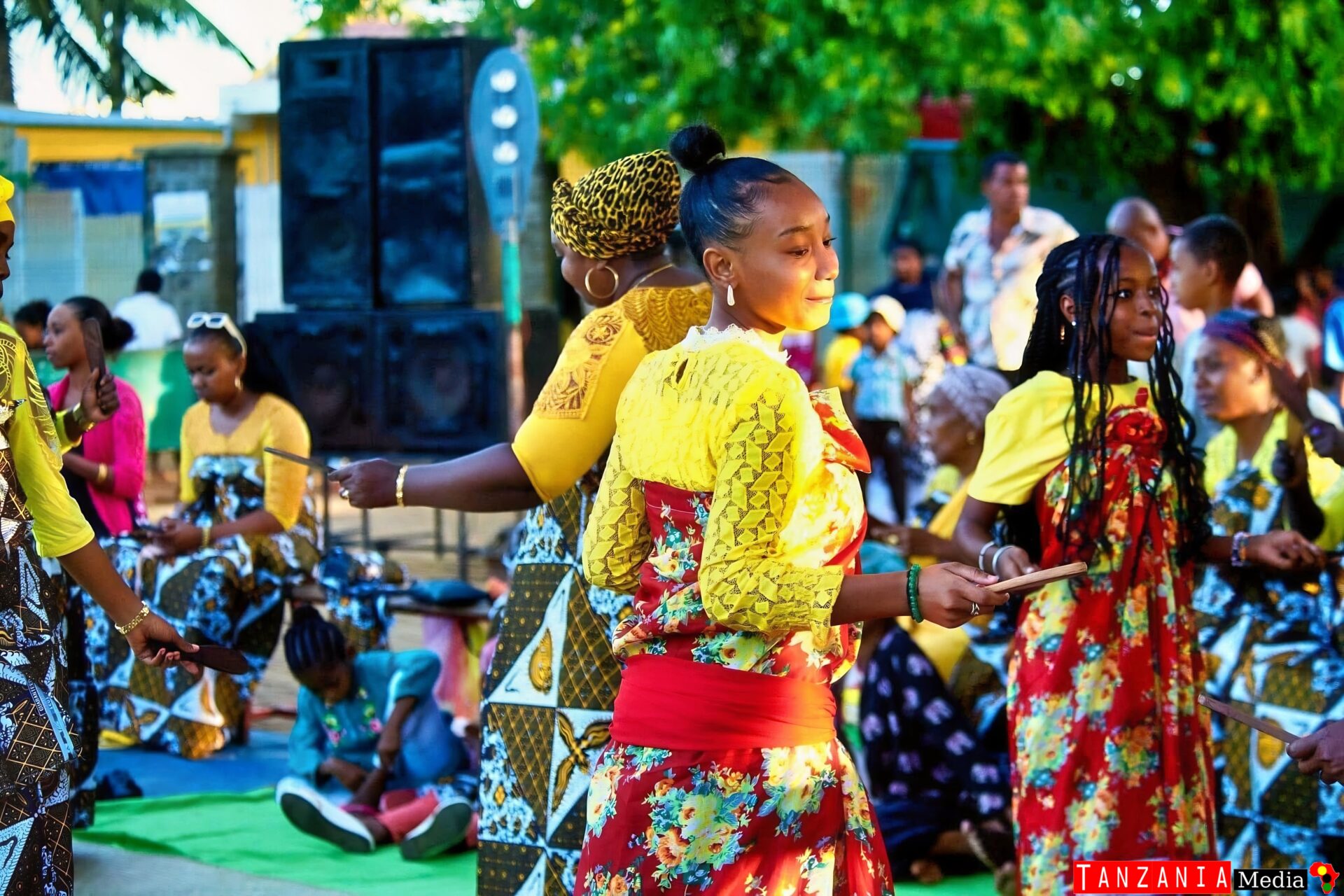 The fluidity is evident in the Swahili language, which has incorporated loanwords from Arabic, Persian, Indian, and European languages. The language is not a mixture of different languages but a Bantu language with a rich vocabulary of loanwords, reflecting the cosmopolitanism and the openness of the Swahili culture.
 The governance of Barawa also reflected the cultural diversity of the community. The council represented the different lineages and clans, and it ensured that the interests of all the groups were taken into account. The inclusivity of the council was a source of cultural richness and cultural creativity, as the different groups contributed their perspectives and their practices to the governance of the town.
Cultural Production and Intellectual Life
-
The Verses of the Coast: Swahili Poetry and the Expression of Maritime, Mercantile, and Muslim Identity
Introduction: The Words That Sail the Ocean
“Mashairi ni meli ya roho” — Poems are the ship of the soul.
This Swahili adage captures the profound significance of poetry in the Swahili world. The poems were not merely words on a page or verses recited in a gathering; they were ships that carried the soul of the Swahili people across the oceans of time and space, preserving their history, their values, and their identity. The poems sailed the Indian Ocean, connecting the Swahili to the wider Islamic world, to the maritime traditions of the coast, and to the mercantile networks that sustained their civilisation.
Swahili poetry, in the forms of utenzi (narrative poetry) and shairi (poems following a specific form), reflects the maritime, mercantile, and Muslim character of coastal culture. These poetic forms were not mere literary exercises but vital expressions of the Swahili experience, capturing the rhythms of the sea, the dynamics of trade, and the devotion of the faith. The poetry was a mirror of the society, reflecting its achievements, its aspirations, and its anxieties.
The significance of Swahili poetry extends beyond the aesthetic to the social, the political, and the spiritual. The poetry was a vehicle for the transmission of knowledge, the preservation of history, and the negotiation of identity. The poetry was also a medium of political commentary, a forum for the debate of ideas, and a source of moral and spiritual guidance. The poetry was the voice of the Swahili people, speaking across the centuries to the present and the future.
The Forms of Swahili Poetry: Utenzi and Shairi
The utenzi and the shairi are the two most important forms of Swahili poetry, each with its own distinctive characteristics and functions. The utenzi is a form of narrative poetry, often epic in scope, that tells the story of historical events, religious themes, or moral lessons. The utenzi is characterised by its length, its narrative structure, and its use of a consistent metre and rhyme.
The utenzi often tells the story of a journey, a battle, or a quest, reflecting the maritime and mercantile character of Swahili culture. The utenzi also often tells the story of the prophets, the saints, and the heroes of the Islamic tradition, reflecting the Muslim character of the culture. The utenzi is a form of historical memory, preserving the stories of the past for the generations of the future.The shairi is a form of lyrical poetry, often shorter than the utenzi, that follows a specific form and metre. The shairi is often used for the expression of personal emotions, the celebration of events, or the commentary on social and political issues. The shairi is characterised by its concision, its elegance, and its use of metaphor and imagery.
The shairi often reflects the maritime and mercantile character of Swahili culture, with its images of ships, the sea, and trade. The shairi also often reflects the Muslim character of the culture, with its references to Allah, the Prophet, and the Islamic faith. The shairi is a form of personal expression, a vehicle for the poet to share his or her thoughts and feelings with the community.
“Mashairi ni meli ya roho” — Poems are the ship of the soul. This adage captures the significance of the poetic forms, which carried the soul of the Swahili people across the oceans of time and space.
The Maritime Character of Swahili Poetry
The maritime character of Swahili culture is reflected in the poetry through the use of maritime imagery, the celebration of maritime achievements, and the exploration of maritime themes. The poetry is filled with images of ships, the sea, the winds, and the voyages, reflecting the centrality of the sea to Swahili life.
The poetry often celebrates the achievements of the sailors and the merchants, who braved the dangers of the sea to trade with distant lands. The poetry also often laments the dangers of the sea, the storms, the shipwrecks, and the losses. The poetry captures the beauty and the terror of the sea, the sense of adventure and the sense of vulnerability.
The poetry also explores the maritime themes of journey, discovery, and return. The journey is a central motif of Swahili poetry, reflecting the voyages of the merchants and the sailors. The discovery is a theme of the encounters with distant lands and peoples, reflecting the cosmopolitanism of the Swahili culture. The return is a theme of the homecoming, the reunion with the family and the community, reflecting the importance of the social bonds.
The maritime character of the poetry is also evident in the language, with its use of maritime vocabulary, including the words for ships, sails, anchors, and the sea. The maritime vocabulary is a testament to the deep knowledge of the sea that the Swahili possessed, and it reflects the centrality of the sea to the culture.
The Mercantile Character of Swahili Poetry
The mercantile character of Swahili culture is reflected in the poetry through the celebration of trade, the exploration of commercial themes, and the use of mercantile imagery. The poetry is filled with images of markets, goods, merchants, and exchange, reflecting the centrality of trade to Swahili life.
The poetry often celebrates the achievements of the merchants, who brought wealth and prosperity to the community. The poetry also often laments the risks of trade, the losses, and the deceptions. The poetry captures the dynamism and the uncertainty of commerce, the sense of opportunity and the sense of vulnerability.
The poetry also explores the mercantile themes of exchange, value, and wealth. The exchange is a central motif of Swahili poetry, reflecting the transactions that were the basis of the economy. The value is a theme of the worth of goods and the worth of relationships, reflecting the ethical dimensions of commerce. The wealth is a theme of the accumulation and the distribution of resources, reflecting the political economy of the coast.
The mercantile character of the poetry is also evident in the language, with its use of commercial vocabulary, including the words for goods, prices, markets, and trade. The commercial vocabulary is a testament to the deep knowledge of trade that the Swahili possessed, and it reflects the centrality of commerce to the culture.
The Muslim Character of Swahili Poetry
The Muslim character of Swahili culture is reflected in the poetry through the use of Islamic imagery, the celebration of Islamic themes, and the exploration of spiritual and moral questions. The poetry is filled with references to Allah, the Prophet, the Quran, and the Islamic faith, reflecting the centrality of Islam to Swahili life.
The poetry often celebrates the achievements of the Islamic scholars and the saints, who brought the light of faith to the community. The poetry also often laments the deviations from the faith, the sins, and the errors. The poetry captures the devotion and the doubts of the believers, the sense of piety and the sense of struggle.
The poetry also explores the Islamic themes of creation, revelation, and redemption. The creation is a theme of the origins of the world and the purpose of existence. The revelation is a theme of the divine guidance and the prophetic mission. The redemption is a theme of the salvation of the soul and the hope of the afterlife.
The Muslim character of the poetry is also evident in the language, with its use of Arabic loanwords, including the words for prayer, fasting, pilgrimage, and the other Islamic practices. The Arabic loanwords are a testament to the deep influence of the Islamic culture, and they reflect the centrality of the faith to the Swahili identity.
The Social Functions of Swahili Poetry
Swahili poetry served a variety of social functions, including the transmission of knowledge, the preservation of history, and the negotiation of identity. The poetry was a vehicle for the education of the community, teaching the values and the norms of the culture.
The poetry was also a vehicle for the preservation of history, recording the events and the people of the past. The poetry was often composed in the aftermath of significant events, such as battles, marriages, or the deaths of important figures. The poetry preserved the memory of these events, ensuring that they would not be forgotten.
The poetry was also a vehicle for the negotiation of identity, expressing the sense of belonging and the sense of difference. The poetry celebrated the achievements of the Swahili people, distinguishing them from the other peoples of the region. The poetry also explored the tensions and the conflicts within the community, providing a forum for the discussion of the issues.
The poetry was also a vehicle for the expression of political commentary, critiquing the rulers, the elites, and the policies. The poets often used the poetry to express their dissatisfaction with the conditions, to call for change, and to inspire resistance. The poetry was a form of political engagement, a way of speaking truth to power.
The Political Economy of Swahili Poetry
The political economy of Swahili poetry was based on the patronage of the rulers, the elites, and the merchants. The poets were often supported by the patrons, who commissioned the poems and rewarded the poets. The patronage was a source of income for the poets, and it was a source of prestige for the patrons.
The political economy of the poetry was also based on the market for the poetry, with the poems being recited in the public gatherings, the weddings, the funerals, and the other ceremonies. The poems were also written and distributed, often as manuscripts, which were copied and circulated among the readers.
The political economy of the poetry was also based on the control of the poetic tradition. The poets who were trained in the poetic forms and the poetic conventions were often members of the elite families, who had access to the education and the resources that were necessary for the production of the poetry.
The Enduring Legacy of Swahili Poetry
The legacy of Swahili poetry is still evident today in the culture, the language, and the identity of the Swahili people. The poetry continues to be recited, studied, and performed, and it continues to shape the understanding of the Swahili culture and the Swahili history.
The legacy is also evident in the contemporary poetry, which draws on the traditions and the conventions of the classical poetry. The contemporary poets continue to use the forms of the utenzi and the shairi, and they continue to explore the themes of the maritime, the mercantile, and the Muslim character of the culture.The legacy is also evident in the language of the contemporary Swahili, which continues to be shaped by the poetic tradition. The proverbs, the metaphors, and the images of the classical poetry are still used in the everyday speech, and they continue to enrich the language.
Conclusion: The Ships That Still Sail
“Mashairi ni meli ya roho” — Poems are the ship of the soul. This adage, in its full meaning, captures the enduring significance of Swahili poetry. The poems are the ships that carry the soul of the Swahili people across the oceans of time and space, preserving their history, their values, and their identity.
Swahili poetry, in the forms of utenzi (narrative poetry) and shairi (poems following a specific form), reflects the maritime, mercantile, and Muslim character of coastal culture. These poetic forms were not mere literary exercises but vital expressions of the Swahili experience, capturing the rhythms of the sea, the dynamics of trade, and the devotion of the faith.
The legacy of this poetry is still evident today, in the culture, the language, and the identity of the Swahili people. The ships that carried the soul of the Swahili people are still sailing, still carrying the stories, the values, and the aspirations of the community. The ships are not merely a historical memory but a living reality, a source of inspiration and guidance, a framework for cultural expression, and a basis for engagement with the wider world. The ships that carried the soul are still sailing, and the Swahili people are still writing, still reciting, and still creating the poetry that will carry their souls into the future.
-
The Golden Age of Verse: Classical Swahili Poetry and the Voices of the 17th and 18th Centuries
Introduction: The Words That Echo Through Time
“Maneno ya washairi hayafi, yanaishi milele” — The words of poets never die; they live forever.
This Swahili adage captures the enduring power of classical Swahili poetry, which reached its apex in the 17th and 18th centuries. The words of poets such as Seyyid Ali bin Nassir, Mwana Kupona, and Muyaka bin Haji have not died; they continue to live, to resonate, and to speak to the present across the centuries. Their verses carry the voices of a civilisation at its peak, a civilisation that was maritime, mercantile, and Muslim, and that expressed its deepest thoughts and feelings through the art of poetry.
Classical Swahili poetry reached its apex in the 17th and 18th centuries, with poets such as Seyyid Ali bin Nassir, Mwana Kupona, and Muyaka bin Haji composing works that explored themes of love, loss, identity, and politics. These poets were not merely versifiers but intellectuals, philosophers, and commentators on the human condition. Their works reflected the achievements and the anxieties of the Swahili world, capturing the beauty of the coast, the complexities of love, the pain of loss, and the struggles of politics.
The significance of this poetic tradition extends beyond the aesthetic to the social, the political, and the spiritual. The poetry was a vehicle for the transmission of knowledge, the preservation of history, and the negotiation of identity. The poetry was also a medium of political commentary, a forum for the debate of ideas, and a source of moral and spiritual guidance. The poetry was the voice of the Swahili people, speaking across the centuries to the present and the future.
The Historical Context of the Golden Age
The 17th and 18th centuries were a period of remarkable cultural achievement for the Swahili Coast. The period was marked by the consolidation of the Swahili city-states, the expansion of trade, and the flourishing of Islamic scholarship. The period was also marked by the growing influence of the Omani and Arab powers, which brought new cultural influences and new challenges to the Swahili communities.
The period was also a time of political consolidation and conflict. The Swahili city-states competed with each other for trade and influence, and they were often drawn into the conflicts of the regional and the global powers. The political landscape was dynamic and often fractious, with the tensions between the clans and the kings, and between the local elites and the external powers.
The period was also a time of cultural synthesis and innovation. The Swahili culture incorporated elements of the Arab, Persian, Indian, and European cultures, creating a distinctive synthesis that was both African and global. The poetry of the period reflected this synthesis, drawing on the Islamic poetic traditions while also expressing the unique experiences and the values of the Swahili people.
“Maneno ya washairi hayafi, yanaishi milele” — The words of poets never die; they live forever. This adage captures the enduring significance of the poetry of the 17th and 18th centuries, which continues to live and to speak to the present.
Seyyid Ali bin Nassir: The Poet of Pate
Seyyid Ali bin Nassir (c. 1720-1820) was one of the most celebrated poets of the Swahili world. He was born in Pate, in the Lamu Archipelago, and he lived during a period of great political and cultural change. He was a member of the elite, and he was educated in the Islamic sciences and the poetic traditions.
Seyyid Ali bin Nassir’s poetry explored a wide range of themes, including love, loss, identity, and politics. His poetry is characterised by its elegance, its sophistication, and its emotional depth. He used the forms of the utenzi and the shairi to express his thoughts and his feelings, and his works are among the most beautiful and the most enduring in the Swahili tradition.
Seyyid Ali bin Nassir’s poetry often reflected the maritime and mercantile character of Swahili culture. His images of ships, the sea, and trade captured the dynamism and the beauty of the coast. His poetry also often reflected the Muslim character of the culture, with its references to Allah, the Prophet, and the Islamic faith.
Seyyid Ali bin Nassir’s poetry also explored the themes of identity and belonging. He wrote about his love for Pate, his pride in his heritage, and his sense of loss as the old order was challenged by the new forces. His poetry is a testament to the resilience and the creativity of the Swahili people.
Mwana Kupona: The Voice of the Women
Mwana Kupona (c. 1810-1865) was one of the most remarkable poets of the Swahili world. She was a woman, and she wrote in a tradition that was dominated by men. Her work, the “Utenzi wa Mwana Kupona,” is one of the most famous and the most beloved poems in the Swahili tradition.
Mwana Kupona’s poetry explored the themes of love, loss, identity, and politics from a woman’s perspective. She wrote about the challenges of marriage, the struggles of motherhood, and the complexities of the relationships between men and women. Her poetry is characterised by its honesty, its wisdom, and its emotional depth.
Mwana Kupona’s poetry also reflected the maritime and mercantile character of Swahili culture. Her images of the sea, the ships, and the trade captured the beauty and the dangers of the coast. Her poetry also reflected the Muslim character of the culture, with its references to Allah, the Prophet, and the Islamic faith.
Mwana Kupona’s poetry also explored the themes of identity and belonging. She wrote about her love for her family, her pride in her heritage, and her sense of loss as the old order was challenged by the new forces. Her poetry is a testament to the resilience and the creativity of the Swahili women.
Muyaka bin Haji: The Poet of the People
Muyaka bin Haji (1776-1840) was another of the most celebrated poets of the Swahili world. He was born in Mombasa, and he lived during a period of great political and cultural change. He was not a member of the elite but a man of the people, and his poetry reflected the experiences and the aspirations of the common people.
Muyaka bin Haji’s poetry explored a wide range of themes, including love, loss, identity, and politics. His poetry is characterised by its sharp wit, its social commentary, and its engagement with the issues of the day. He used the forms of the utenzi and the shairi to express his thoughts and his feelings, and his works are among the most accessible and the most enduring in the Swahili tradition.
Muyaka bin Haji’s poetry often reflected the maritime and mercantile character of Swahili culture. His images of ships, the sea, and trade captured the dynamism and the beauty of the coast. His poetry also often reflected the Muslim character of the culture, with its references to Allah, the Prophet, and the Islamic faith.
Muyaka bin Haji’s poetry also explored the themes of politics and resistance. He wrote about the struggles of the common people, the injustices of the rulers, and the need for change. His poetry is a testament to the political engagement and the social consciousness of the Swahili people.
The Themes of Love and Loss
The themes of love and loss are central to classical Swahili poetry. The poets explored the beauty and the pain of love, the joy of union and the sorrow of separation. The poetry is filled with images of the beloved, the longing, and the heartbreak.
The love that the poets wrote about was not merely romantic but also spiritual, reflecting the love of Allah and the Prophet. The poetry often used the imagery of love to express the devotion and the piety of the believers. The loss that the poets wrote about was not merely personal but also historical, reflecting the loss of the old order and the passing of the golden age.
The poetry of love and loss was a source of comfort and consolation for the community, providing a language for the expression of the deepest emotions. The poetry also provided a framework for the understanding of the experiences, helping the community to make sense of the joys and the sorrows of life.
The Themes of Identity and Politics
The themes of identity and politics are also central to classical Swahili poetry. The poets explored the question of who they were, what it meant to be Swahili, and how they related to the other peoples and the other cultures. The poetry is filled with images of the coast, the community, and the heritage.
The identity that the poets explored was not fixed but fluid, shaped by the interactions with the Arabs, the Persians, the Indians, and the Europeans. The poets celebrated the achievements and the distinctiveness of the Swahili culture, but they also acknowledged the influences and the challenges.
The politics that the poets explored were the politics of the city-states, the clans, and the kings. The poets often critiqued the rulers, the elites, and the policies, and they called for justice, accountability, and change. The poetry was a form of political engagement, a way of speaking truth to power.
The Enduring Legacy of the Classical Poets
The legacy of the classical poets is still evident today in the culture, the language, and the identity of the Swahili people. The words of Seyyid Ali bin Nassir, Mwana Kupona, and Muyaka bin Haji continue to be recited, studied, and performed, and they continue to shape the understanding of the Swahili culture and the Swahili history.
The legacy is also evident in the contemporary poetry, which draws on the traditions and the conventions of the classical poetry. The contemporary poets continue to use the forms of the utenzi and the shairi, and they continue to explore the themes of love, loss, identity, and politics.
The legacy is also evident in the language of the contemporary Swahili, which continues to be shaped by the poetic tradition. The proverbs, the metaphors, and the images of the classical poetry are still used in the everyday speech, and they continue to enrich the language.Conclusion: The Words That Still Live
“Maneno ya washairi hayafi, yanaishi milele” — The words of poets never die; they live forever. This adage, in its full meaning, captures the enduring significance of the classical Swahili poetry of the 17th and 18th centuries. The words of Seyyid Ali bin Nassir, Mwana Kupona, and Muyaka bin Haji have not died; they continue to live, to resonate, and to speak to the present across the centuries.
Classical Swahili poetry reached its apex in the 17th and 18th centuries, with poets such as Seyyid Ali bin Nassir, Mwana Kupona, and Muyaka bin Haji composing works that explored themes of love, loss, identity, and politics. These poets were not merely versifiers but intellectuals, philosophers, and commentators on the human condition.
The legacy of this poetry is still evident today, in the culture, the language, and the identity of the Swahili people. The words that never died are still living, still speaking, still shaping the lives of the coastal communities. The words are not merely a historical memory but a living reality, a source of inspiration and guidance, a framework for cultural expression, and a basis for engagement with the wider world. The words that never died are still living, and the Swahili people are still writing, still reciting, and still creating the poetry that will carry their voices into the future.
-
The Verses of Power: Poetry as Prestige, Memory, and Political Voice in Swahili Society
Introduction: The Words That Shape the World
“Usemi wa mshairi ni upanga uliochongwa” — The word of a poet is a sharpened sword.
This Swahili adage captures the profound power of poetry in Swahili society. The poet’s word was not merely an ornament or a source of entertainment; it was a weapon, a tool of influence and authority, capable of cutting through the veils of power, exposing injustice, and shaping the perceptions of the community. The sharpened sword of poetry could defend the honour of the elite, preserve the memory of the ancestors, or challenge the authority of the rulers.
Poetry served as a source of prestige and status, a means of preserving history and identity, and a vehicle for political commentary and critique. These functions were not separate but intertwined, with the poetry serving multiple purposes simultaneously. The poet who composed a work of praise enhanced the prestige of the patron and the status of the poet. The poet who composed a work of history preserved the memory of the community and reinforced its identity. The poet who composed a work of critique challenged the authority of the rulers and inspired the resistance of the oppressed.
The significance of poetry in Swahili society extends beyond the aesthetic to the social, the political, and the spiritual. Poetry was a medium of power, a way of establishing and maintaining social hierarchies, preserving collective memory, and engaging in political discourse. Poetry was the voice of the community, speaking to the present and the future across the centuries.
Poetry as a Source of Prestige and Status
Poetry was a significant source of prestige and status in Swahili society. The ability to compose poetry was a mark of education, refinement, and cultural sophistication. The poets were often members of the elite, who had access to the education and the resources that were necessary for the composition of poetry.
The poets were also patrons of the poetry, commissioning the works and rewarding the poets. The patronage was a source of prestige for the patrons, who were able to display their wealth, their taste, and their commitment to the culture. The poets were also able to enhance their own prestige through their association with the powerful patrons.
The poetry itself was a source of prestige for the subjects of the poetry. The works of praise celebrated the achievements and the virtues of the individuals and the families, enhancing their reputation and their status in the community. The works of praise also served as a form of social capital, providing the subjects with a claim to honour and respect.
The poetry was also a source of prestige for the community as a whole. The works that celebrated the history and the culture of the community reinforced the identity and the solidarity of the people. The poetry was a source of pride and inspiration, reminding the community of its achievements and its heritage.
“Usemi wa mshairi ni upanga uliochongwa” — The word of a poet is a sharpened sword. This adage captures the power of the poetry, which could cut through the veils of power and shape the perceptions of the community.
Poetry as a Means of Preserving History and Identity
Poetry was a vital means of preserving history and identity in Swahili society. In a society where written records were limited and often fragmentary, the poetry served as a form of historical memory, recording the events, the people, and the values of the community.
The poetry of history, the utenzi, often told the stories of the past, celebrating the achievements of the ancestors and lamenting the losses. The poetry of history preserved the memory of the battles, the alliances, and the migrations that had shaped the community. The poetry of history also preserved the genealogy of the families and the lineages, providing a record of descent and a basis for claims to status and authority.
 The poetry also preserved the identity of the community. The poetry celebrated the distinctiveness of the Swahili culture, its language, its religion, and its customs. The poetry also distinguished the Swahili from the other peoples of the region, creating a sense of belonging and a sense of difference.
The poetry of history and identity was not merely a record of the past but a guide for the future. The poetry taught the values and the norms of the community, providing a model for the behaviour and the aspirations of the people. The poetry also warned of the dangers of the deviation and the transgression, reminding the community of the consequences of the actions.
Poetry as a Vehicle for Political Commentary and Critique
Poetry was a significant vehicle for political commentary and critique in Swahili society. The poets used their art to comment on the issues of the day, to critique the rulers and the policies, and to inspire the resistance and the change.
The political commentary was often indirect, using the metaphor and the allegory to express the dissent. The poets often praised the past to critique the present, celebrating the virtues of the ancestors to condemn the vices of the contemporaries. The poets also often used the imagery of the nature and the society to comment on the political conditions.
The political critique was often direct, challenging the authority of the rulers and the elites. The poets called for the justice, the accountability, and the reform, and they often expressed the grievances of the common people. The critique could be dangerous, as the rulers often sought to suppress the dissent.
The political poetry was also a form of resistance, inspiring the opposition and the rebellion. The poetry gave voice to the oppressed, providing a language for the expression of the grievances and the aspirations. The poetry also gave hope, reminding the people of the possibility of the change.
The Social Functions of Poetry
Poetry served a variety of social functions in Swahili society. The poetry was a form of education, teaching the values, the norms, and the skills of the culture. The poetry was also a form of entertainment, providing enjoyment and pleasure for the audience.
The poetry was also a form of social cohesion, bringing the community together in the celebration and the mourning. The poetry was recited at the weddings, the funerals, and the other ceremonies, marking the important events and the transitions. The poetry also served as a form of social control, reinforcing the norms and the values of the community.
The poetry was also a form of social distinction, marking the status and the prestige of the individuals and the families. The ability to compose and to recite poetry was a mark of the education and the refinement, and it was often a prerequisite for the leadership and the influence.
The Political Economy of Poetry
The political economy of poetry was based on the patronage of the rulers, the elites, and the merchants. The poets were often supported by the patrons, who commissioned the works and rewarded the poets. The patronage was a source of income for the poets, and it was a source of prestige for the patrons.
The political economy of poetry was also based on the control of the poetic tradition. The poets who were trained in the poetic forms and the conventions were often members of the elite families, who had access to the education and the resources that were necessary for the production of the poetry.
The political economy of poetry was also based on the market for the poetry. The poems were recited in the public gatherings, the weddings, the funerals, and the other ceremonies. The poems were also written and distributed, often as manuscripts, which were copied and circulated among the readers.
The Cultural Significance of Poetry
Poetry had profound cultural significance for the Swahili people. The poetry was a vehicle for the expression of the deepest thoughts and the feelings of the community. The poetry was also a vehicle for the preservation of the culture and the identity.
The poetry reflected the values and the norms of the Swahili society. The poetry celebrated the virtues of the generosity, the hospitality, the piety, and the courage. The poetry also condemned the vices of the greed, the pride, the injustice, and the impiety.
The poetry also reflected the diversity and the complexity of the Swahili society. The poetry explored the different perspectives and the experiences of the different groups, including the men and the women, the rich and the poor, the rulers and the ruled.
The Enduring Legacy of Poetry
The legacy of poetry is still evident today in the culture, the language, and the identity of the Swahili people. The poetry continues to be recited, studied, and performed, and it continues to shape the understanding of the Swahili culture and the Swahili history.
The legacy is also evident in the contemporary poetry, which draws on the traditions and the conventions of the classical poetry. The contemporary poets continue to use the forms of the utenzi and the shairi, and they continue to explore the themes of love, loss, identity, and politics.
The legacy is also evident in the language of the contemporary Swahili, which continues to be shaped by the poetic tradition. The proverbs, the metaphors, and the images of the classical poetry are still used in the everyday speech, and they continue to enrich the language.
Conclusion: The Swords That Still Cut
“Usemi wa mshairi ni upanga uliochongwa” — The word of a poet is a sharpened sword. This adage, in its full meaning, captures the enduring power of poetry in Swahili society. The poet’s word was not merely an ornament or a source of entertainment; it was a weapon, a tool of influence and authority, capable of cutting through the veils of power, exposing injustice, and shaping the perceptions of the community.
Poetry served as a source of prestige and status, a means of preserving history and identity, and a vehicle for political commentary and critique. These functions were not separate but intertwined, with the poetry serving multiple purposes simultaneously. The poet who composed a work of praise enhanced the prestige of the patron and the status of the poet. The poet who composed a work of history preserved the memory of the community and reinforced its identity. The poet who composed a work of critique challenged the authority of the rulers and inspired the resistance of the oppressed.
The legacy of this poetry is still evident today, in the culture, the language, and the identity of the Swahili people. The swords that cut through the veils of power are still cutting, still shaping the perceptions of the community, still inspiring the resistance and the change. The swords are not merely a historical memory but a living reality, a source of prestige and status, a framework for cultural expression, and a basis for political engagement. The swords that cut are still cutting, and the Swahili people are still writing, still reciting, and still creating the poetry that will shape their future.
-
The Poets and the Throne: Poetry, Politics, and the Negotiation of Authority in Swahili Society
Introduction: The Voice That Speaks to Power
“Mshairi ni kioo cha mfalme” — The poet is the mirror of the king.
This Swahili adage captures the intimate and complex relationship between poetry and political authority in Swahili society. The poet was not merely an artist or entertainer but a mirror held up to the ruler, reflecting his virtues and his vices, his achievements and his failures. The poet could praise the king, celebrating his wisdom, his generosity, and his justice. The poet could also critique the king, exposing his folly, his greed, and his tyranny. The mirror of poetry could flatter or it could reveal, and the king could not easily escape its gaze.
The production of poetry was closely connected to displays or challenges of political authority, with poets often acting as courtiers or commentators on current affairs. This connection was not incidental but fundamental, reflecting the role of poetry as a medium of political discourse, a forum for the negotiation of power, and a tool for the legitimation or the contestation of authority.
The significance of this connection extends beyond the aesthetic to the social, the political, and the cultural. The poetry was a form of political engagement, a way of participating in the debates and the struggles that shaped the community. The poetry was also a form of political education, teaching the values and the norms of the political culture. The poetry was the voice of the people, speaking to the rulers and the rulers speaking to the people.
The Poet as Courtier: The Art of Praise
The poet as courtier was a familiar figure in Swahili society. The poets were often attached to the courts of the rulers, where they composed works of praise that celebrated the achievements and the virtues of the patrons. The poetry of praise was a form of political currency, a way of building alliances, rewarding loyalty, and enhancing prestige.
The poetry of praise celebrated the wisdom, the generosity, the justice, and the piety of the rulers. The poets used elaborate imagery and metaphor to glorify the patrons, comparing them to the sun, the moon, the lion, and the other symbols of power. The poetry of praise also celebrated the achievements of the rulers, including the military victories, the construction of the monuments, and the patronage of the religion.
The poetry of praise was not merely a form of flattery but a form of political legitimation. The praise of the poets validated the authority of the rulers, demonstrating their fitness to rule and their commitment to the values of the community. The praise also served as a form of social control, encouraging the rulers to live up to the ideals that the poets celebrated.
The poets who composed the works of praise were often rewarded with the patronage, the gifts, and the status. The poets were often members of the elite, but they could also be commoners who had talent and ambition. The poetry of praise was a path to the influence and the advancement.
“Mshairi ni kioo cha mfalme” — The poet is the mirror of the king. This adage captures the role of the poet as a courtier, who reflected the virtues and the vices of the ruler.
The Poet as Critic: The Art of Critique
The poet as critic was also a familiar figure in Swahili society. The poets used their art to critique the rulers, the elites, and the policies, exposing the injustices, the follies, and the excesses. The poetry of critique was a form of political engagement, a way of holding the powerful accountable and giving voice to the oppressed.
The poetry of critique often used the indirect methods, including the metaphor, the allegory, and the satire. The poets praised the past to condemn the present, celebrating the virtues of the ancestors to expose the vices of the contemporaries. The poets also used the imagery of the nature and the society to comment on the political conditions.
The poetry of critique could be direct, challenging the authority of the rulers and the elites. The poets called for the justice, the accountability, and the reform, and they often expressed the grievances of the common people. The critique could be dangerous, as the rulers often sought to suppress the dissent.
The poetry of critique was also a form of resistance, inspiring the opposition and the rebellion. The poetry gave voice to the oppressed, providing a language for the expression of the grievances and the aspirations. The poetry also gave hope, reminding the people of the possibility of the change.
The Poet as Commentator: The Art of Observation
The poet as commentator was another significant role in Swahili society. The poets observed the events and the conditions of their time, and they used their art to comment on the current affairs. The poetry of commentary was a form of journalism, a way of reporting and interpreting the events for the community.
The poetry of commentary often focused on the significant events, including the battles, the alliances, the migrations, and the deaths. The poets also commented on the social and the economic conditions, the changes in the trade, the fluctuations of the prices, and the challenges of the environment.
The poetry of commentary was also a form of analysis, explaining the causes and the consequences of the events. The poets often provided the moral and the political interpretations, connecting the events to the values and the norms of the community.
The poetry of commentary was a source of information and insight for the community. The poets were often the most educated and the most articulate members of the society, and their observations were valued for their depth and their perspective.
The Political Functions of Poetry
Poetry served a variety of political functions in Swahili society. The poetry was a form of political communication, transmitting the messages between the rulers and the ruled. The poetry was also a form of political education, teaching the values and the norms of the political culture.
The poetry was also a form of political legitimation, validating the authority of the rulers and the institutions. The poetry of praise celebrated the achievements and the virtues of the rulers, demonstrating their fitness to rule and their commitment to the community.
The poetry was also a form of political contestation, challenging the authority of the rulers and the elites. The poetry of critique exposed the injustices and the excesses, and it inspired the resistance and the change.
The poetry was also a form of political negotiation, mediating the conflicts and the tensions. The poetry could be used to express the grievances, to propose the solutions, and to build the consensus.
The Political Economy of Poetry
The political economy of poetry was based on the patronage of the rulers, the elites, and the merchants. The poets were often supported by the patrons, who commissioned the works and rewarded the poets. The patronage was a source of income for the poets, and it was a source of prestige for the patrons.
The political economy of poetry was also based on the control of the poetic tradition. The poets who were trained in the poetic forms and the conventions were often members of the elite families, who had access to the education and the resources that were necessary for the production of the poetry.
The political economy of poetry was also based on the market for the poetry. The poems were recited in the public gatherings, the courts, and the other venues. The poems were also written and distributed, often as the manuscripts, which were copied and circulated among the readers.
The Social Implications of the Poetic Engagement
The poetic engagement had profound social implications for the communities of the Swahili Coast. The poetry created new forms of social differentiation, with the poets and the patrons occupying a higher status than the others.
The poetry also created new forms of social interaction. The poets interacted with the rulers, the elites, and the common people, and they often served as the intermediaries between the different groups.
The poetry also created new forms of social mobility. The individuals and the families who had the talent and the ambition could rise in status through their poetic achievements.The Cultural Significance of the Poetic Engagement
The poetic engagement had profound cultural significance for the Swahili people. The poetry was a vehicle for the expression of the political values and the political identity of the community.
The poetry reflected the values and the norms of the political culture, including the ideals of the justice, the accountability, and the participation. The poetry also reflected the diversity and the complexity of the political landscape, including the tensions between the clans and the kings, and the conflicts between the local elites and the external powers.
The Enduring Legacy of the Poetic Engagement
The legacy of the poetic engagement is still evident today in the culture, the language, and the identity of the Swahili people. The poetry continues to be a source of political commentary and critique, and it continues to shape the political discourse of the region.
The legacy is also evident in the contemporary political culture, which continues to value the poetry as a form of political expression and a means of social commentary.
Conclusion: The Mirrors That Still Reflect
“Mshairi ni kioo cha mfalme” — The poet is the mirror of the king. This adage, in its full meaning, captures the enduring significance of the connection between poetry and political authority in Swahili society. The poet was not merely an artist or entertainer but a mirror held up to the ruler, reflecting his virtues and his vices, his achievements and his failures.
The production of poetry was closely connected to displays or challenges of political authority, with poets often acting as courtiers or commentators on current affairs. This connection was not incidental but fundamental, reflecting the role of poetry as a medium of political discourse, a forum for the negotiation of power, and a tool for the legitimation or the contestation of authority.
The legacy of this connection is still evident today, in the culture, the language, and the identity of the Swahili people. The mirrors that reflected the kings are still reflecting, still shaping the political discourse, still holding the powerful accountable. The mirrors are not merely a historical memory but a living reality, a source of political engagement, a framework for cultural expression, and a basis for the participation in the political life. The mirrors that reflected the kings are still reflecting, and the Swahili people are still writing, still reciting, and still creating the poetry that will shape their political future.
-
The Letters of Learning: Literacy, Status, and Islamic Education in Swahili Society
Introduction: The Pen That Opens Doors
“Kalamu ni ufunguo wa elimu” — The pen is the key to knowledge.
This Swahili adage captures the profound significance of literacy in Swahili society. The pen was not merely a tool for writing but a key that unlocked the doors of knowledge, status, and power. Those who possessed the key—who could read and write in the Arabic script—had access to the learning of the Islamic world, the legal knowledge of the Sharia, and the literary traditions of the Swahili coast. The pen opened doors that remained closed to the illiterate, and it conferred a status and a prestige that was both recognised and respected.
Swahili literacy, including the use of the Arabic script for writing Kiswahili, was an important marker of status and learning, with Islamic education providing access to literacy and legal knowledge. The ability to read and write was not merely a practical skill but a mark of cultural sophistication, religious devotion, and social distinction. The literate were the elite, the educated, and the influential, and they used their literacy to maintain their position and to shape the culture of their communities.
The significance of Swahili literacy extends beyond the individual to the social and the cultural. The literacy enabled the production of a rich literary tradition, including poetry, chronicles, and religious texts. The literacy also enabled the administration of justice, the management of trade, and the conduct of diplomacy. The literacy was the foundation of the Swahili civilisation, providing the means for the preservation and the transmission of knowledge across generations.
The Arabic Script and the Writing of Kiswahili
The Arabic script was the primary medium for writing Kiswahili for centuries. The script was adopted from the Islamic world, and it was adapted to the sounds and the structures of the Swahili language. The use of the Arabic script was not merely a technical choice but a cultural and religious one, reflecting the influence of the Islamic civilisation on the Swahili coast.
The Arabic script was used for a variety of purposes, including the writing of poetry, the recording of history, the administration of justice, and the conduct of trade. The script was also used for the writing of religious texts, including the translations of the Quran, the commentaries on the Islamic law, and the works of the Islamic scholarship.
The use of the Arabic script was a mark of status and learning. Those who could read and write in the script were often the members of the elite, who had access to the education and the resources that were necessary for the acquisition of the literacy. The literacy in the Arabic script was a source of prestige and influence, and it was often a prerequisite for the positions of authority and responsibility.
The Arabic script was not the only script used for writing Kiswahili, but it was the most important and the most widespread. The script was used for centuries, and it contributed to the development of a distinctive Swahili literary tradition.
“Kalamu ni ufunguo wa elimu” — The pen is the key to knowledge. This adage captures the significance of the Arabic script, which provided the means for the acquisition and the transmission of knowledge.
Islamic Education: The Path to Literacy
Islamic education was the primary path to literacy in Swahili society. The education was provided in the mosques, the madrasas, and the homes of the religious scholars. The education was based on the study of the Quran, the Hadith, the Islamic law, and the other Islamic sciences.
The education began at a young age, with the children learning to recite the Quran and to write the Arabic script. The education was often provided by the parents, the relatives, or the teachers, who were respected for their knowledge and their piety. The education was a source of status and prestige, and it was often a prerequisite for the positions of authority and responsibility.
The education was not limited to the religious subjects but also included the literary and the practical subjects. The students learned to compose poetry, to write letters, and to manage the affairs of the community. The education was a comprehensive preparation for the life of the elite.
The education was also a source of social mobility. The individuals who had the talent and the ambition could rise in status through their acquisition of the knowledge and their mastery of the skills. The education was a path to the influence and the advancement.
Literacy as a Marker of Status and Learning
Literacy was an important marker of status and learning in Swahili society. The ability to read and write in the Arabic script was a mark of education, refinement, and cultural sophistication. The literate were often the members of the elite, who had access to the education and the resources that were necessary for the acquisition of the literacy.
The literate were also the holders of the knowledge and the skills that were essential for the functioning of the community. The literate were the administrators, the judges, the scholars, and the poets. They were the ones who could interpret the Islamic law, conduct the trade, and compose the poetry.
The literate were also the preservers of the culture and the tradition. They were the ones who could read and write the chronicles, the genealogies, and the other records of the community. They were the ones who could transmit the knowledge and the wisdom of the ancestors to the future generations.
The literacy was also a source of prestige and influence. The literate were often consulted by the rulers and the elites, and they were often the mediators of the disputes and the conflicts. The literacy was a form of social capital, providing the access to the networks of the power and the influence.
Literacy and Legal Knowledge
The literacy was closely connected to the legal knowledge in Swahili society. The Islamic law, the Sharia, was the foundation of the legal system, and the knowledge of the law was essential for the administration of justice. The literacy in the Arabic script was necessary for the study and the application of the law.
The legal knowledge was acquired through the study of the Islamic texts, including the Quran, the Hadith, and the commentaries on the law. The students learned to interpret the texts and to apply them to the cases and the disputes. The legal knowledge was a source of status and influence, and it was often a prerequisite for the positions of the judges and the arbiters.
The legal knowledge was also a source of power. The judges and the arbiters had the authority to decide the cases and to impose the penalties. The legal knowledge was a form of social control, regulating the behaviour of the individuals and the groups.
The Political Economy of Literacy
The political economy of literacy was based on the control of the knowledge and the access to the education. The literacy was often controlled by the elite, who had the resources and the connections to acquire the education and to maintain the literacy.
The political economy of literacy was also based on the market for the literacy. The literate were in demand for the administration, the trade, and the diplomacy. The literate could use their skills to accumulate the wealth and to exercise the influence.
The political economy of literacy was also based on the patronage of the rulers and the elites. The literate were often supported by the patrons, who commissioned the works and rewarded the services. The patronage was a source of income for the literate, and it was a source of prestige for the patrons.
The Social Implications of Literacy
The literacy had profound social implications for the communities of the Swahili Coast. The literacy created new forms of social differentiation, with the literate occupying a higher status than the illiterate.
The literacy also created new forms of social interaction. The literate interacted with the rulers, the elites, and the common people, and they often served as the intermediaries between the different groups.
The literacy also created new forms of social mobility. The individuals and the families who had the talent and the ambition could rise in status through their acquisition of the literacy.
The Cultural Significance of Literacy
The literacy had profound cultural significance for the Swahili people. The literacy was a vehicle for the preservation and the transmission of the culture and the tradition. The literacy was also a vehicle for the expression of the religious and the literary values.
The literacy reflected the Islamic character of the Swahili culture, with its emphasis on the study of the Quran and the Islamic sciences. The literacy also reflected the African character of the Swahili culture, with its adaptation of the Arabic script to the Swahili language and its production of the distinctive Swahili literary traditions.
The Enduring Legacy of Literacy
The legacy of literacy is still evident today in the culture, the language, and the identity of the Swahili people. The literacy continues to be a source of status and learning, and it continues to shape the understanding of the Swahili culture and the Swahili history.
The legacy is also evident in the contemporary education, which continues to value the literacy in the Arabic script and the knowledge of the Islamic sciences.
Conclusion: The Keys That Still Open
“Kalamu ni ufunguo wa elimu” — The pen is the key to knowledge. This adage, in its full meaning, captures the enduring significance of literacy in Swahili society. The pen was not merely a tool for writing but a key that unlocked the doors of knowledge, status, and power.
Swahili literacy, including the use of the Arabic script for writing Kiswahili, was an important marker of status and learning, with Islamic education providing access to literacy and legal knowledge. The ability to read and write was not merely a practical skill but a mark of cultural sophistication, religious devotion, and social distinction.
The legacy of this literacy is still evident today, in the culture, the language, and the identity of the Swahili people. The keys that opened the doors of knowledge are still opening, still providing access to the learning, the status, and the influence. The keys are not merely a historical memory but a living reality, a source of prestige and power, a framework for cultural expression, and a basis for the participation in the intellectual and the social life. The keys that opened the doors are still opening, and the Swahili people are still learning, still writing, and still creating the knowledge that will shape their future.
-
Swahili chronicles, such as the Kilwa Chronicle and the Pate Chronicle, while reflecting political agendas and oral traditions, provide valuable insights into Swahili historiography and identity formation .
-
Islamic scholarship flourished along the coast, with religious figures from the Hadramawt and Barawa influencing local practice and establishing Sufi orders .
-
Swahili architecture—including coral stone houses, mosques with elaborate mihrabs, and pillar tombs—represents a distinctive fusion of African, Islamic, and Indian Ocean influences .
-
The City of Kin: Spatial Layout, Social Structure, and Political Organisation in Swahili Towns
Introduction: The Streets That Speak of Kinship
“Mtaa ni familia, na familia ni mtaa” — The ward is the family, and the family is the ward.
This Swahili adage captures the profound relationship between the spatial layout of Swahili towns and the social and political structures of the communities that inhabited them. The streets, the wards, and the neighbourhoods were not merely physical spaces but living expressions of the kinship, the lineage, and the clan that formed the backbone of Swahili society. The ward was the family, and the family was the ward—the two were inseparable, each shaping and reflecting the other.
The spatial layout of Swahili towns, with their wards (mtaa) and kinship-based organisation, reflected the social and political structures of the community. The towns were not planned according to abstract principles of urban design but grew organically from the social relationships and the political dynamics of the people. The wards were the units of social organisation, the clusters of kinship, and the bases of political power. The spatial layout was a map of the social order, a visible expression of the hierarchies, the alliances, and the identities that structured the community.
The significance of this spatial organisation extends beyond the descriptive to the analytical. The layout of the towns provides insights into the political economy of the Swahili Coast, the social relations that shaped the distribution of power, and the cultural values that informed the organisation of space. The layout also provides a caution against the tendency to view the Swahili towns as merely collections of buildings, reminding us that they were living communities with their own social and political dynamics.
The Wards (Mtaa): The Units of Social Organisation
The wards, or mtaa, were the fundamental units of social organisation in the Swahili towns. Each ward was a cluster of houses and households, united by kinship, lineage, or clan. The ward was not merely a residential area but a social and political unit, with its own leaders, its own institutions, and its own interests.
The wards were often named after the families or the lineages that inhabited them, reflecting the kinship-based organisation of the community. The wards were also often associated with specific functions, such as the trade, the craft production, or the religious activities.
The wards were the bases of social identity and solidarity. The members of a ward shared a common ancestry, a common history, and a common set of values and norms. The ward provided a framework for the social interaction, the mutual support, and the collective action.
The wards were also the bases of political power. The leaders of the wards, often the elders or the heads of the prominent families, exercised authority over their members and represented their interests in the broader community. The wards were the building blocks of the political system, and the competition and the cooperation among the wards shaped the political dynamics of the town.
“Mtaa ni familia, na familia ni mtaa” — The ward is the family, and the family is the ward. This adage captures the inseparability of the spatial and the social, with the ward reflecting the kinship and the kinship shaping the ward.
The Kinship-Based Organisation
The kinship-based organisation was the foundation of the spatial layout of the Swahili towns. The kinship was not merely a matter of descent but a system of social, economic, and political relationships that structured the life of the community.
The kinship was based on the descent through the male line, with the lineages and the clans forming the primary units of social organisation. The lineages were the groups of the descendants of a common ancestor, and the clans were the groups of the related lineages. The kinship provided the framework for the allocation of the resources, the resolution of the disputes, and the exercise of the power.
The kinship-based organisation was reflected in the spatial layout of the towns. The members of the same lineage or clan often lived in the same ward, and the wards were often arranged according to the relationships between the lineages and the clans. The spatial proximity was a reflection of the social proximity, and the spatial distance was a reflection of the social distance.
The kinship-based organisation was also reflected in the architecture of the towns. The houses of the prominent families were often located in the centre of the wards, while the houses of the less prominent families were located on the periphery. The architecture was a statement of the status and the influence of the families.
The Spatial Layout and the Social Hierarchy
The spatial layout of the Swahili towns reflected the social hierarchy of the community. The towns were not uniform but differentiated, with the different wards and the different neighbourhoods occupying different positions in the hierarchy.
The wards of the elite were often located in the centre of the town, near the mosque and the other public buildings. The wards of the elite were characterised by the stone houses, the ornate doorways, and the elaborate plasterwork that signified the status and the wealth of their inhabitants.
The wards of the common people were often located on the periphery of the town, away from the centre of the power and the prestige. The wards of the common people were characterised by the earthen houses, the simple doorways, and the modest decoration.
The spatial layout also reflected the social differentiation within the wards. The houses of the prominent families were often located in the centre of the ward, while the houses of the less prominent families were located on the periphery.
The Spatial Layout and the Political Organisation
The spatial layout of the Swahili towns also reflected the political organisation of the community. The wards were the units of political representation, with the leaders of the wards serving as the representatives of their members in the broader community.
The political organisation was often based on the councils of the ward leaders, who discussed the issues and made the decisions for the community. The councils were the forums for the negotiation of the interests and the resolution of the conflicts.
The spatial layout also reflected the relationships between the different political units. The wards that were allied with each other were often located near each other, while the wards that were in conflict were often separated.
The spatial layout also reflected the influence of the external powers. The presence of the Omani governors or the Portuguese officials was often reflected in the location of their residences and their administrative buildings.
The Political Economy of the Spatial Layout
The political economy of the spatial layout was based on the control of the land, the regulation of the space, and the organisation of the labour. The control of the land was the foundation of the political economy, with the elite controlling the most valuable and the most strategic locations.
The regulation of the space was also important. The rulers and the elites regulated the use of the space, determining who could live where and who could build what. The regulation of the space was a source of power and influence, and it was often used to maintain the social hierarchy.
The organisation of the labour was also significant. The construction and the maintenance of the towns required the labour of the craftsmen and the workers. The organisation of the labour was a source of employment and income, and it was often controlled by the elite.
The Social Implications of the Spatial Layout
The spatial layout had profound social implications for the communities of the Swahili Coast. The layout created and reinforced the social differentiation, with the different wards and the different neighbourhoods occupying different positions in the hierarchy.
The layout also created and reinforced the social solidarity. The members of the same ward shared a common space, a common identity, and a common set of values and norms. The ward provided a framework for the social interaction, the mutual support, and the collective action.
The layout also created and reinforced the social mobility. The individuals and the families who rose in status often moved to the more prestigious wards, while those who declined in status often moved to the less prestigious wards.
The Cultural Significance of the Spatial Layout
The spatial layout had profound cultural significance for the Swahili people. The layout was a reflection of the cultural values and the cultural practices of the community.
The layout reflected the Islamic character of the Swahili culture, with the mosque at the centre of the town and the orientation of the houses towards Mecca. The layout also reflected the African character of the Swahili culture, with the kinship-based organisation of the space and the integration of the rural and the urban.
The layout also reflected the cosmopolitan character of the Swahili culture, with the influence of the Arab, the Persian, the Indian, and the European architectural and urban traditions.
The Enduring Legacy of the Spatial Layout
The legacy of the spatial layout is still evident today in the culture, the language, and the identity of the Swahili people. The towns that were built centuries ago still bear the imprint of the kinship-based organisation and the social hierarchy.
The legacy is also evident in the contemporary urban planning, which continues to reflect the influence of the Swahili traditions.
The legacy is also evident in the social structure of the contemporary Swahili communities, which continues to be shaped by the wards and the kinship.
Conclusion: The Streets That Still Speak
“Mtaa ni familia, na familia ni mtaa” — The ward is the family, and the family is the ward. This adage, in its full meaning, captures the enduring significance of the spatial layout of the Swahili towns. The streets, the wards, and the neighbourhoods were not merely physical spaces but living expressions of the kinship, the lineage, and the clan that formed the backbone of Swahili society.
The spatial layout of Swahili towns, with their wards (mtaa) and kinship-based organisation, reflected the social and political structures of the community. The towns were not planned according to abstract principles of urban design but grew organically from the social relationships and the political dynamics of the people.
The legacy of this spatial layout is still evident today, in the culture, the language, and the identity of the Swahili people. The streets that spoke of kinship are still speaking, still shaping the lives of the coastal communities, still reflecting the complexity and the diversity of the Swahili social and political structures. The streets are not merely a historical memory but a living reality, a source of identity and solidarity, a framework for social and political organisation, and a basis for engagement with the wider world. The streets that spoke of kinship are still speaking, and the Swahili people are still walking them, still building them, and still shaping the spaces that will guide their future.
-
-
The Hands That Made the Coast: Craft Production, Economic Life, and Cultural Expression in Swahili Society
Introduction: The Hands That Built a Civilisation
“Mkono wa mfua chuma na mfinyanzi ni mkono wa mjenga mji” — The hand of the smith and the potter is the hand that builds the city.
This Swahili adage captures the profound significance of craft production in the Swahili world. The hands that worked the clay, the iron, the beads, and the textiles were not merely the hands of labourers but the hands of builders, creating the material foundations upon which the stone towns, the maritime trade, and the sophisticated culture of the Swahili people were constructed. The smith, the potter, the bead-maker, and the weaver were the unsung architects of Swahili civilisation, their crafts essential to both the economy and the cultural identity of the coast.
Craft production—including pottery, bead-making, ironworking, and textiles—was an important part of Swahili economic life and cultural expression. These crafts were not mere subsistence activities but specialised forms of production that generated surplus, supported trade, and expressed the artistic sensibilities and the cultural values of the Swahili people. The crafts were the products of skill, knowledge, and creativity, passed down through generations of practitioners who maintained the traditions and adapted them to changing circumstances.
The significance of craft production extends beyond the economic to the social, the political, and the cultural. The crafts were embedded in the relationships and the institutions of the coastal communities, and they were shaped by the broader patterns of trade, exchange, and cultural interaction. The crafts were also expressions of identity, marking the status and the affiliations of their producers and their users. The crafts were the hands that built the Swahili civilisation, and they continue to shape its legacy today.
Pottery: The Vessels of Daily Life
Pottery was one of the most important and ubiquitous crafts of the Swahili Coast. The pottery was used for a variety of purposes, including cooking, storage, serving, and trade. The pottery was essential for daily life, and its production was a significant economic activity.
The Swahili potters produced a distinctive pottery, with a range of decorative styles and forms. The Early Tana Tradition (ETT) or Triangular Incised Ware (TIW) pottery, which dates from approximately 700 CE, is one of the most significant archaeological markers of the Swahili culture. The pottery is characterised by its triangular incisions, its punctate decorations, and its distinctive rim forms, and it is found across the entire Swahili Coast, from the Comoros to Mozambique.
The pottery was not merely a utilitarian object but a form of cultural expression. The decorative styles reflected the artistic sensibilities and the cultural values of the Swahili people. The pottery also reflected the connections of the Swahili to the wider Indian Ocean world, with the influence of the Arab, the Persian, and the Indian ceramic traditions.
The pottery production was often organised on a household basis, with the individual families producing the pottery for their own use and for trade. The potters were often women, who passed their skills and their knowledge from generation to generation. The pottery was a source of income and status for the potters and their families.
The pottery was also a significant item of trade. The pottery was exchanged along the coast and into the interior, and it was often used as a form of currency or a store of value. The pottery was also exported to the wider Indian Ocean world, reflecting the connections of the Swahili to the global trading system.
“Mkono wa mfua chuma na mfinyanzi ni mkono wa mjenga mji” — The hand of the smith and the potter is the hand that builds the city. This adage captures the significance of pottery, which provided the vessels that sustained daily life and the goods that supported the trade.
Bead-Making: The Art of Adornment and Exchange
Bead-making was another important craft of the Swahili Coast. The beads were used for personal adornment, for social status, and for trade. The beads were made from a variety of materials, including shell, glass, stone, and metal.
The shell beads were made from the shells of various marine organisms, including cowries, conchs, and other species. The shells were collected from the surrounding waters, processed to remove the outer layers, and then ground into the desired shape. The shell beads were often polished to a high sheen, creating a decorative object that was valued for its beauty and its durability.
The glass beads were made from the imported glass, which was often obtained from the Indian Ocean world. The glass was melted and then formed into beads, using a variety of techniques, including winding, drawing, and moulding. The glass beads were often of high quality, reflecting the skill and the sophistication of the bead makers.
The bead-making was a significant economic activity, with the beads being used for trade with the interior and with the wider Indian Ocean world. The beads were often exchanged for the ivory, the gold, and the other commodities that the coast offered.
The bead-making was also a significant cultural activity, with the beads being used for personal adornment and for social status. The beads were often worn as jewellery, and they were used to mark the status and the affiliations of their wearers. The beads were also used in the rituals and the ceremonies, reflecting their cultural significance.
The site of Tumbe on Pemba Island provides remarkable evidence of the scale and the significance of bead-making. The site, which dates from the seventh to the tenth centuries, has yielded over 3,600 bead grinders, more than any other site on the East African coast. The evidence suggests that the bead-making was a household activity, with many individuals and families participating in the production.
Ironworking: The Technology of Transformation
Ironworking was one of the most important and transformative crafts of the Swahili Coast. The iron tools and weapons that the smiths produced were essential for agriculture, fishing, construction, and warfare. The ironworking technology enabled the more efficient cultivation of the soil, the more effective hunting, and the more powerful warfare.
The ironworking was a specialised craft, requiring the knowledge of the chemical process for transforming the base materials into the durable metal tools. The smiths were often members of specialised lineages or guilds, and they were often associated with spiritual power and ritual authority. The ironworking was a source of status and influence for the smiths and their communities.
The ironworking was also a significant economic activity. The iron tools and weapons were traded along the coast and into the interior, and they were often exchanged for the ivory, the gold, and the other commodities that the coast offered. The ironworking was a source of wealth for the smiths and their communities.
The evidence for ironworking has been found at many Swahili sites, including Tumbe, Unguja Ukuu, and Kilwa Kisiwani. The ironworking was often organised on a household basis, with the individual families producing the iron tools for their own use and for trade. The ironworking was also organised on a larger scale, with the smiths producing the tools and the weapons for the rulers and the merchants.
Textiles: The Cloth of the Coast
Textiles were another important craft of the Swahili Coast. The cloth was used for clothing, for household purposes, and for trade. The textiles were produced from a variety of fibres, including cotton, silk, and other materials.
The cotton was the most important fibre for the Swahili textiles. The cotton was cultivated on the coast and in the interior, and it was processed into the yarn and the cloth. The cotton cloth was often of high quality, reflecting the skill and the sophistication of the weavers.
The textiles were also produced from the imported silk, which was often obtained from the Indian Ocean world. The silk was often unthreaded and re-woven into the Swahili textiles, creating the fabrics that were celebrated throughout the region. The textiles of Pate were particularly famous, with the weavers producing the cloth that was in demand across the coast and into the interior.
The textiles were a significant economic activity. The cloth was traded along the coast and into the interior, and it was often exchanged for the ivory, the gold, and the other commodities that the coast offered. The textiles were also exported to the wider Indian Ocean world, reflecting the connections of the Swahili to the global trading system.The textiles were also a significant cultural activity. The cloth was used for clothing, for household purposes, and for the rituals and the ceremonies. The textiles were often decorated with intricate designs and patterns, reflecting the artistic sensibilities and the cultural values of the Swahili people.
The Political Economy of Craft Production
The political economy of craft production was based on the control of the resources, the organisation of the labour, and the regulation of the exchange. The crafts were essential for the functioning of the Swahili economy, and they were often controlled by the elite.
The control of the resources was the foundation of the political economy. The elite controlled the land, the trade, and the other resources that were essential for the craft production. The elite also controlled the labour of the craftsmen, who produced the goods for their patrons.
The organisation of the labour was also important. The craft production required the labour of the skilled craftsmen, who possessed the knowledge and the techniques of their trades. The organisation of the labour was often based on the kinship and the lineage, with the crafts being passed down from generation to generation.
The regulation of the exchange was also significant. The craft goods were often traded along the coast and into the interior, and they were often regulated by the rulers and the elites. The regulation of the exchange provided a source of revenue for the rulers, and it enabled them to control the flow of the goods and to protect their interests.
The Social Implications of Craft Production
The craft production had profound social implications for the communities of the Swahili Coast. The crafts created new forms of social differentiation, with the craftsmen occupying a distinct position in the social hierarchy.
The crafts also enabled the emergence of new social groups. The smiths, the potters, the bead-makers, and the weavers were often members of specialised lineages or guilds, and they had their own status, their own interests, and their own agendas.
The crafts also enabled the development of new forms of social organisation. The crafts were often organised on a household basis, with the individual families producing the goods for their own use and for trade. The crafts were also organised on a larger scale, with the merchants and the rulers financing and coordinating the production.
The Cultural Significance of Craft Production
The craft production had profound cultural significance for the Swahili people. The crafts were expressions of the artistic sensibilities and the cultural values of the Swahili people. The crafts were also vehicles for the preservation and the transmission of the cultural traditions.
The crafts reflected the Islamic character of the Swahili culture, with the geometric designs, the floral motifs, and the calligraphic inscriptions that were often used in the decoration of the pottery, the textiles, and the other crafts. The crafts also reflected the African character of the Swahili culture, with the use of the local materials, the adaptation to the local environment, and the incorporation of the local designs and motifs.
The crafts also reflected the cosmopolitan character of the Swahili culture, with the influence of the Arab, the Persian, the Indian, and the European artistic traditions. The crafts were the tangible expressions of the hybrid identity of the Swahili people, who were both African and global, both traditional and modern.
The Enduring Legacy of Craft Production
The legacy of craft production is still evident today in the culture, the language, and the identity of the Swahili people. The crafts that were produced centuries ago are still being produced, and they continue to shape the economic life and the cultural expression of the coastal communities.
The legacy is also evident in the archaeological record, with the pottery, the beads, the iron tools, and the textiles providing a tangible link to the craft production of the past. The crafts are silent but eloquent witnesses to the skill, the creativity, and the sophistication of the Swahili craftsmen.
The legacy is also evident in the contemporary crafts, which continue to draw on the traditions and the techniques of the past. The potters, the bead-makers, the smiths, and the weavers continue to produce the goods that are essential for daily life and for cultural expression.
Conclusion: The Hands That Still Build
“Mkono wa mfua chuma na mfinyanzi ni mkono wa mjenga mji” — The hand of the smith and the potter is the hand that builds the city. This adage, in its full meaning, captures the enduring significance of craft production in the Swahili world. The hands that worked the clay, the iron, the beads, and the textiles were not merely the hands of labourers but the hands of builders, creating the material foundations upon which the stone towns, the maritime trade, and the sophisticated culture of the Swahili people were constructed.
Craft production—including pottery, bead-making, ironworking, and textiles—was an important part of Swahili economic life and cultural expression. These crafts were not mere subsistence activities but specialised forms of production that generated surplus, supported trade, and expressed the artistic sensibilities and the cultural values of the Swahili people.
The legacy of this craft production is still evident today, in the culture, the language, and the identity of the Swahili people. The hands that built the cities are still building, still creating, still shaping the lives of the coastal communities. The hands are not merely a historical memory but a living reality, a source of economic life and cultural expression, a framework for social and political organisation, and a basis for engagement with the wider world. The hands that built the cities are still building, and the Swahili people are still crafting, still creating, and still shaping the material culture that will guide their future.
-
 The utenzi often tells the story of a journey, a battle, or a quest, reflecting the maritime and mercantile character of Swahili culture. The utenzi also often tells the story of the prophets, the saints, and the heroes of the Islamic tradition, reflecting the Muslim character of the culture. The utenzi is a form of historical memory, preserving the stories of the past for the generations of the future.
 The legacy is also evident in the contemporary poetry, which draws on the traditions and the conventions of the classical poetry. The contemporary poets continue to use the forms of the utenzi and the shairi, and they continue to explore the themes of the maritime, the mercantile, and the Muslim character of the culture.
 The legacy is also evident in the language of the contemporary Swahili, which continues to be shaped by the poetic tradition. The proverbs, the metaphors, and the images of the classical poetry are still used in the everyday speech, and they continue to enrich the language.
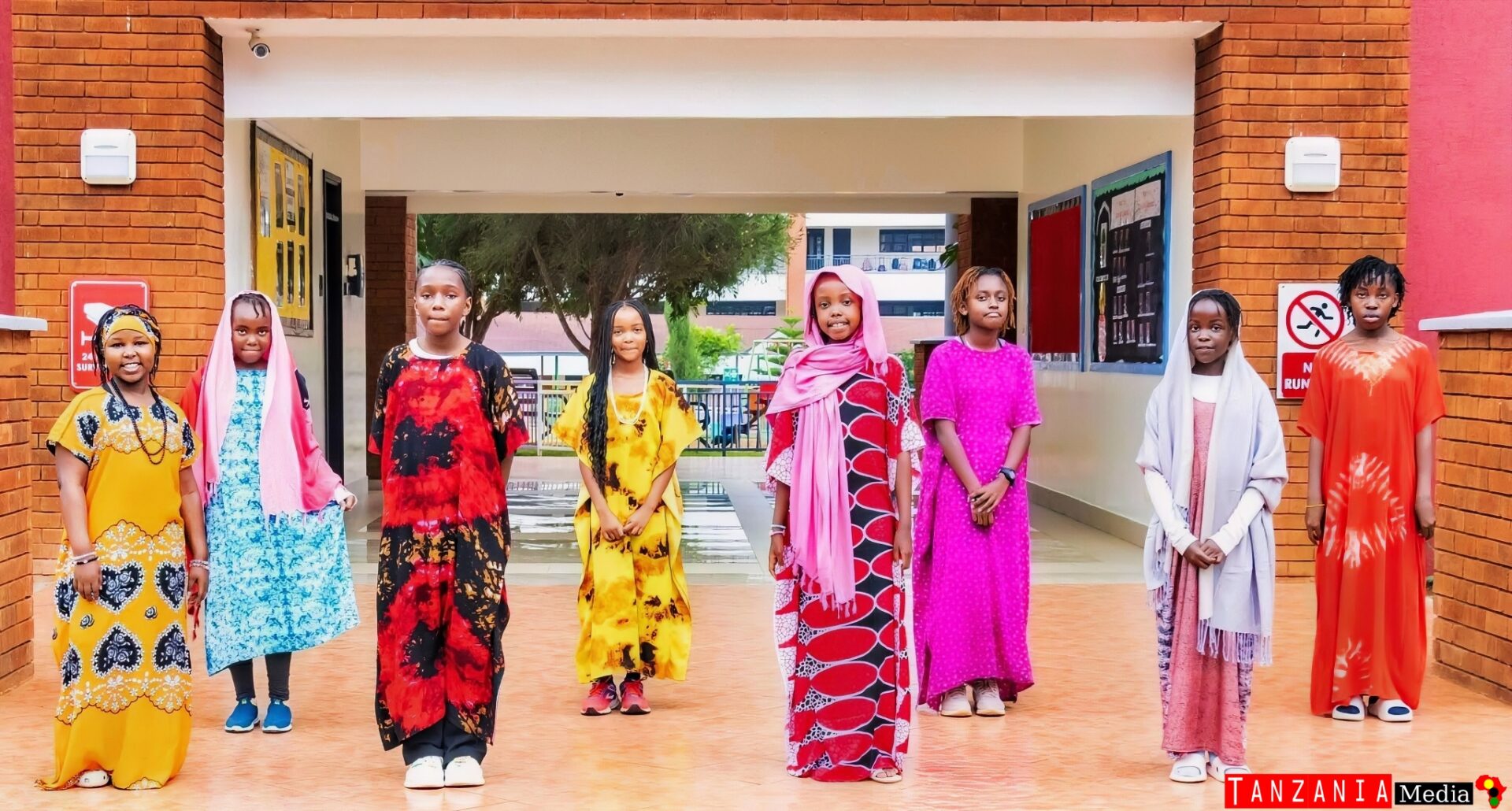 The poetry also preserved the identity of the community. The poetry celebrated the distinctiveness of the Swahili culture, its language, its religion, and its customs. The poetry also distinguished the Swahili from the other peoples of the region, creating a sense of belonging and a sense of difference.
 The poetry also created new forms of social mobility. The individuals and the families who had the talent and the ambition could rise in status through their poetic achievements.
The Swahili and the Wider Indian Ocean World
-
The Architects of the Ocean: Swahili Agency and the Shaping of the Indian Ocean World
Introduction: The Hands That Steered the Dhow
“Meli haifuati upepo tu, bali nahodha ndiye anayeielekeza” — The ship does not follow only the wind; the captain is the one who directs it.
This Swahili adage captures the essence of Swahili agency in the Indian Ocean world. The wind, the currents, and the tides provided the natural infrastructure for maritime navigation, but it was the captain—the Swahili merchant, sailor, and navigator—who directed the ship, who chose the course, who made the decisions that shaped the journey. The Swahili were not passive recipients of the forces of nature or the influences of foreign cultures but active agents who steered their own destiny and shaped the contours of the Indian Ocean trading system.
The Swahili were not passive recipients of foreign influence but active participants in the Indian Ocean trading system, shaping its contours and influencing its development. This agency was not a matter of isolated actions but of sustained engagement, cultural negotiation, and strategic adaptation. The Swahili shaped the trading system through their control of resources, their organisation of production, their regulation of exchange, and their cultural production.
The significance of this agency extends beyond the economic to the political, the social, and the cultural. The Swahili were not merely traders but diplomats, scholars, artists, and navigators who contributed to the development of the Indian Ocean world. The Swahili also shaped the cultures of the other peoples of the Indian Ocean, through their trade, their religion, and their art.
The Active Participation in Trade
The Swahili were active participants in the trade of the Indian Ocean, not merely intermediaries but producers, merchants, and consumers. The Swahili controlled the resources that were in demand in the markets of the Indian Ocean, including the ivory, the gold, the slaves, and the other commodities. The Swahili also controlled the production of the goods that were traded, including the pottery, the beads, the iron tools, and the textiles.
The Swahili merchants were not passive recipients of foreign goods but active agents who selected the goods that they imported, adapting them to the local tastes and the local needs. The Swahili merchants also adapted the foreign technologies and the foreign practices to the local conditions, creating a distinctive Swahili culture that was both African and global.
The Swahili also shaped the patterns of the trade, establishing the routes, the markets, and the relationships that sustained the exchange. The Swahili developed the networks of trust, kinship, and religion that enabled the trade to flourish, and they adapted the networks to the changing circumstances and the new challenges.
The Swahili also shaped the terms of the trade, negotiating the prices, the contracts, and the partnerships. The Swahili were not mere price-takers but price-makers, who used their knowledge and their connections to secure the best terms for their goods.
“Meli haifuati upepo tu, bali nahodha ndiye anayeielekeza” — The ship does not follow only the wind; the captain is the one who directs it. This adage captures the agency of the Swahili merchants, who directed the course of the trade and shaped the contours of the Indian Ocean trading system.
The Control of Resources and Production
The Swahili controlled the resources that were essential for the trade, including the ivory, the gold, the slaves, and the other commodities. The control of the resources was not a matter of passive ownership but of active management, involving the organisation of production, the coordination of exchange, and the regulation of distribution.
The Swahili also controlled the production of the goods that were traded, including the pottery, the beads, the iron tools, and the textiles. The control of the production was not a matter of simple craftsmanship but of specialised knowledge and skilled labour, transmitted through generations of practitioners.
The control of the resources and the production was a source of wealth and power for the Swahili communities. The merchants and the rulers who controlled the resources and the production accumulated the wealth that funded the stone towns, the mosques, and the other monuments of the Swahili civilisation.
The control of the resources and the production also enabled the Swahili to shape the terms of the trade. The Swahili could set the prices, the quantities, and the conditions of the exchange, and they could use their control to protect their interests and to advance their agendas.
The Regulation of Exchange
The Swahili regulated the exchange of goods and services, imposing taxes, tariffs, and other forms of tribute. The regulation of the exchange was not a matter of simple extraction but of active governance, involving the establishment of the rules, the institutions, and the practices that enabled the trade to flourish.
The Swahili developed a system of commercial law, based on the Islamic law, that regulated the contracts, the partnerships, and the credit arrangements. The legal system provided a framework for the trust and the cooperation that were essential for the long-distance trade.
The Swahili also developed a system of weights and measures, which ensured the fairness and the transparency of the exchange. The weights and measures were often regulated by the rulers, who used them to control the trade and to protect the consumers.
The regulation of the exchange was a source of revenue for the Swahili communities. The taxes, the tariffs, and the other forms of tribute provided the resources that funded the administration, the defence, and the other functions of the state.
The Cultural Exchange and the Shaping of Identities
The Swahili were not merely traders but cultural agents who shaped the identities and the cultures of the peoples of the Indian Ocean. The Swahili brought the Islamic faith, the Arabic language, and the Swahili culture to the communities of the coast and the interior, transforming the religious and the cultural landscape of the region.
The Swahili also adopted and adapted the foreign cultures, incorporating the influences of the Arab, the Persian, the Indian, and the European traditions into their own culture. The Swahili culture was not a simple mixture of different influences but a creative synthesis, a distinctive expression of the Swahili identity.
The Swahili also contributed to the spread of the Swahili language, which became the lingua franca of the East African coast and the interior. The Swahili language was not merely a means of communication but a vehicle for the transmission of the culture and the values of the Swahili people.
The cultural exchange was not a one-way process but a two-way process, with the Swahili influencing the other cultures as much as they were influenced by them. The Swahili shaped the cultures of the Indian Ocean, through their trade, their religion, and their art.
The Political Agency of the Swahili
The Swahili were active political agents who shaped the political landscape of the Indian Ocean world. The Swahili rulers formed alliances with the other powers, negotiated treaties, and engaged in diplomacy. The Swahili also resisted the foreign domination, challenging the Portuguese, the Omani, and the European colonisers.
The Swahili rulers were not mere puppets of the foreign powers but independent actors who pursued their own interests and advanced their own agendas. The rulers used their wealth and their connections to build the alliances, to secure the positions, and to protect the autonomy.
The Swahili also participated in the political life of the Indian Ocean, attending the courts, the councils, and the negotiations. The Swahili were often the mediators and the diplomats, using their knowledge and their connections to resolve the conflicts and to build the consensus.
The political agency of the Swahili was a source of resilience and adaptation, enabling the communities to withstand the pressures of the colonialism and the challenges of the modern world.
The Economic Agency of the Swahili
The Swahili were active economic agents who shaped the economic landscape of the Indian Ocean world. The Swahili merchants controlled the trade routes, the markets, and the networks of exchange. The Swahili also developed the financial institutions, including the credit, the insurance, and the partnerships, that facilitated the trade.
The Swahili merchants were not mere intermediaries but entrepreneurs who took the risks, made the investments, and reaped the rewards. The merchants used their knowledge and their connections to identify the opportunities, to negotiate the deals, and to manage the risks.
The Swahili also developed the technologies, including the dhows, the lateen sails, and the navigational techniques, that enabled the trade. The Swahili were not mere adopters of the foreign technologies but innovators who adapted and improved the technologies to the local conditions.
The economic agency of the Swahili was a source of prosperity and growth, enabling the communities to accumulate the wealth and to build the stone towns that characterise the Swahili Coast.
The Cultural Agency of the Swahili
The Swahili were active cultural agents who shaped the cultural landscape of the Indian Ocean world. The Swahili produced the poetry, the art, and the architecture that expressed their identity and their values. The Swahili also developed the literary tradition, the legal system, and the religious practices that defined their culture.
The Swahili cultural production was not a simple imitation of the foreign cultures but a creative synthesis, a distinctive expression of the Swahili identity. The Swahili poets, artists, and scholars used the foreign influences to create something new, something that was both African and global.
The Swahili also transmitted their culture to the other peoples of the Indian Ocean, through the trade, the religion, and the migration. The Swahili language, the Islamic faith, and the Swahili culture spread along the trade routes, influencing the communities of the coast and the interior.
The cultural agency of the Swahili was a source of identity and pride, enabling the communities to maintain their distinctiveness in the face of the foreign influences and the challenges of the modern world.
The Enduring Legacy of Swahili Agency
The legacy of Swahili agency is still evident today in the culture, the language, and the identity of the Swahili people. The Swahili continue to be active participants in the Indian Ocean world, engaging in the trade, the diplomacy, and the cultural exchange.
The legacy is also evident in the archaeological record, with the Swahili sites providing a tangible link to the agency of the past. The stone towns, the mosques, and the other monuments are silent but eloquent witnesses to the achievements and the aspirations of the Swahili people.
The legacy is also evident in the contemporary Swahili culture, which continues to reflect the creativity, the adaptability, and the resilience of the Swahili people.
Conclusion: The Captains Who Still Steer
“Meli haifuati upepo tu, bali nahodha ndiye anayeielekeza” — The ship does not follow only the wind; the captain is the one who directs it. This adage, in its full meaning, captures the enduring significance of Swahili agency in the Indian Ocean world. The wind, the currents, and the tides provided the natural infrastructure for maritime navigation, but it was the captain—the Swahili merchant, sailor, and navigator—who directed the ship, who chose the course, who made the decisions that shaped the journey.
The Swahili were not passive recipients of foreign influence but active participants in the Indian Ocean trading system, shaping its contours and influencing its development. This agency was not a matter of isolated actions but of sustained engagement, cultural negotiation, and strategic adaptation. The Swahili shaped the trading system through their control of resources, their organisation of production, their regulation of exchange, and their cultural production.
The legacy of this agency is still evident today, in the culture, the language, and the identity of the Swahili people. The captains who steered the ships are still steering, still directing the course of the Swahili communities, still shaping the contours of the Indian Ocean world. The captains are not merely a historical memory but a living reality, a source of pride and inspiration, a framework for economic and cultural engagement, and a basis for the participation in the wider world. The captains who steered the ships are still steering, and the Swahili people are still sailing, still trading, and still shaping the world that they inhabit.
-
The Ocean of Ideas: How Indian Ocean Trade Carried More Than Goods
Introduction: The Winds That Carried the World
“Upepo unaleta si tu meli, bali pia hekima na imani” — The wind brings not only ships, but also wisdom and faith.
This Swahili adage captures the profound reality that the Indian Ocean was never merely a highway for commerce but a conduit for the movement of ideas, technologies, beliefs, and cultural practices. The winds that filled the sails of the dhows also carried the whispers of distant civilisations, bringing new ways of thinking, new ways of making, and new ways of believing to the shores of East Africa. The ships that returned from Arabia, Persia, India, and China were laden not only with textiles, ceramics, and spices but with the intellectual and spiritual cargo of the world.
Indian Ocean trade was not just about economic exchange but also involved the circulation of ideas, technologies, religious beliefs, and cultural practices. This circulation was not incidental to the trade but integral to it, shaping the character of the Swahili civilisation and connecting it to the broader currents of world history. The Indian Ocean was a space of encounter, a forum for the exchange of knowledge and the negotiation of meaning, and the Swahili were active participants in this intellectual and cultural marketplace.
The significance of this circulation extends beyond the cultural to the social, the political, and the economic. The ideas, technologies, beliefs, and practices that circulated across the Indian Ocean transformed the societies of the coast, creating new forms of social organisation, new systems of governance, new economic practices, and new cultural expressions. The Swahili civilisation was not a static entity but a dynamic one, constantly evolving through its engagement with the wider world.
The Circulation of Technologies
The Indian Ocean trade facilitated the circulation of technologies that transformed the societies of the Swahili Coast. The technologies included the maritime technologies, such as the dhow, the lateen sail, and the navigational techniques, that enabled the trade itself. The technologies also included the productive technologies, such as the ironworking, the textile production, and the building techniques, that shaped the economy and the culture of the coast.
The dhow, with its distinctive lateen sail and its sewn hull, was a product of centuries of evolution, drawing on the maritime traditions of the Indian Ocean. The Swahili adopted and adapted the dhow to their own needs, using it for fishing, for trade, and for warfare. The dhow was not merely a vessel but a technology of connection, linking the coast to the wider Indian Ocean world.
The navigational techniques that the Swahili developed were also products of the circulation of knowledge across the Indian Ocean. The Swahili navigators used the stars, the sun, and the moon to determine their position, and they used the patterns of the waves and the behaviour of the marine life to detect the presence of land. The navigational knowledge was not merely technical but cultural, embedded in the oral traditions and the practical experience of the Swahili sailors.
The ironworking technology, which the Swahili developed and refined, was also shaped by the circulation of knowledge across the Indian Ocean. The ironworking techniques that the Swahili used were influenced by the traditions of the African interior and by the traditions of the Indian Ocean world. The ironworking was a source of wealth and power for the Swahili communities, and it was also a source of cultural identity.
The building techniques, including the use of the coral stone and the lime mortar, were also shaped by the circulation of knowledge. The Swahili builders adapted the techniques of the Islamic world to the local materials and the local conditions, creating a distinctive architecture that was both functional and beautiful.
“Upepo unaleta si tu meli, bali pia hekima na imani” — The wind brings not only ships, but also wisdom and faith. This adage captures the circulation of technologies, which were carried by the winds of the Indian Ocean to the shores of East Africa.
The Circulation of Religious Beliefs
The Indian Ocean trade facilitated the circulation of religious beliefs that transformed the spiritual landscape of the Swahili Coast. The most significant of these was Islam, which spread along the trade routes, becoming the dominant faith of the Swahili communities by the 11th and 12th centuries.
The adoption of Islam was not a simple process of cultural submission but a complex negotiation of identity and meaning. The Swahili adopted Islam and adapted it to their own cultural context, creating a distinctive form of Islam that was both orthodox and local. The Swahili Islam incorporated elements of the pre-Islamic beliefs and practices, and it developed its own rituals, its own institutions, and its own traditions.
The Islamic faith provided a framework for the social, political, and economic life of the Swahili communities. The Islamic law, the Sharia, regulated the contracts, the partnerships, and the credit arrangements that were essential for the trade. The Islamic institutions, including the mosques, the madrasas, and the charitable foundations, provided a basis for the social solidarity and the mutual support.
The Islamic faith also provided a common identity that united the Swahili communities with the other Muslim communities of the Indian Ocean world. The common faith facilitated the trust and the cooperation that were essential for the long-distance trade, and it provided a framework for the cultural exchange and the intellectual dialogue.
The circulation of religious beliefs was not limited to Islam. The Swahili also encountered and incorporated elements of the other religious traditions, including the African traditional religions, the Hinduism, and the Buddhism. The Swahili were not dogmatic but pragmatic, incorporating the beliefs and the practices that were useful and meaningful to them.
The Circulation of Ideas
The Indian Ocean trade facilitated the circulation of ideas that transformed the intellectual and the cultural life of the Swahili Coast. The ideas included the philosophical ideas, the scientific ideas, the literary ideas, and the political ideas.
The philosophical ideas of the Islamic world, including the ideas of the scholars of the classical and the medieval periods, were transmitted to the Swahili communities through the trade. The Swahili scholars studied the Islamic philosophy, and they incorporated its ideas into their own intellectual traditions.
The scientific ideas, including the ideas of the astronomy, the medicine, and the mathematics, were also transmitted to the Swahili communities. The Swahili astronomers studied the stars and the planets, and they developed their own systems of the navigation and the timekeeping. The Swahili doctors studied the medicine, and they developed their own systems of the healing and the health.
The literary ideas were also transmitted to the Swahili communities. The Swahili poets and the writers studied the Arabic and the Persian literary traditions, and they incorporated their forms and their themes into their own works. The Swahili literature, including the poetry, the chronicles, and the other genres, reflected the influence of the literary traditions of the Indian Ocean world.
The political ideas, including the ideas of the governance and the statecraft, were also transmitted to the Swahili communities. The Swahili rulers studied the political traditions of the Islamic world, and they incorporated their ideas into their own systems of governance. The Swahili governance was a synthesis of the African and the Islamic traditions, creating a distinctive system that was both local and global.
The Circulation of Cultural Practices
The Indian Ocean trade facilitated the circulation of cultural practices that transformed the social and the aesthetic life of the Swahili Coast. The cultural practices included the dress, the cuisine, the music, and the art.
The dress was influenced by the Arab, the Persian, and the Indian styles. The Swahili adopted the kanzu, the kofia, and the buibui, which were the garments of the Islamic world, and they adapted them to their own tastes and their own needs. The dress was not merely a matter of fashion but a marker of status, identity, and piety.
The cuisine was also influenced by the Indian Ocean world. The Swahili adopted the spices, the ingredients, and the cooking techniques of the Arab, the Persian, and the Indian cuisines, and they incorporated them into their own culinary traditions. The Swahili cuisine was a synthesis of the African and the Indian Ocean flavours, creating a distinctive taste that was both local and global.
The music was also influenced by the Indian Ocean world. The Swahili adopted the instruments, the rhythms, and the melodies of the Arab, the Persian, and the Indian music, and they incorporated them into their own musical traditions. The Swahili music was a synthesis of the African and the Indian Ocean sounds, creating a distinctive style that was both familiar and exotic.
The art was also influenced by the Indian Ocean world. The Swahili adopted the techniques, the motifs, and the styles of the Arab, the Persian, and the Indian art, and they incorporated them into their own artistic traditions. The Swahili art was a synthesis of the African and the Indian Ocean aesthetics, creating a distinctive beauty that was both local and global.
The Social Implications of the Circulation
The circulation of ideas, technologies, beliefs, and cultural practices had profound social implications for the communities of the Swahili Coast. The circulation created new forms of social differentiation, with the groups that had access to the new knowledge and the new practices occupying a higher status in the social hierarchy.
The circulation also enabled the emergence of new social groups. The scholars, the merchants, and the craftsmen who were the agents of the circulation emerged as a powerful social group, with their own interests and their own agendas.
The circulation also enabled the development of new forms of social organisation. The introduction of the Islamic law and the Islamic institutions provided a new framework for the social, the political, and the economic life of the communities.
The Political Economy of the Circulation
The political economy of the circulation was based on the control of the knowledge, the regulation of the exchange, and the distribution of the benefits. The control of the knowledge was a source of power and influence, and it was often in the hands of the scholars, the merchants, and the rulers.
The regulation of the exchange was also significant. The rulers and the elites regulated the circulation of the ideas, the technologies, the beliefs, and the practices, determining what was acceptable and what was not. The regulation was a form of cultural governance, shaping the character of the Swahili civilisation.
The distribution of the benefits was also important. The benefits of the circulation were often unevenly distributed, with the elite and the merchants benefiting more than the common people. The uneven distribution was a source of tension and conflict, and it often led to the struggles for the access and the justice.
The Enduring Legacy of the Circulation
The legacy of the circulation of ideas, technologies, beliefs, and cultural practices is still evident today in the culture, the language, and the identity of the Swahili people. The Swahili culture is a synthesis of the African and the Indian Ocean influences, a testament to the creativity and the adaptability of the Swahili people.
The legacy is also evident in the contemporary Swahili culture, which continues to be shaped by the circulation of the new ideas, the new technologies, the new beliefs, and the new practices.
Conclusion: The Winds That Still Carry
“Upepo unaleta si tu meli, bali pia hekima na imani” — The wind brings not only ships, but also wisdom and faith. This adage, in its full meaning, captures the enduring significance of the Indian Ocean as a conduit for the movement of ideas, technologies, beliefs, and cultural practices.
Indian Ocean trade was not just about economic exchange but also involved the circulation of ideas, technologies, religious beliefs, and cultural practices. This circulation was not incidental to the trade but integral to it, shaping the character of the Swahili civilisation and connecting it to the broader currents of world history.
The legacy of this circulation is still evident today, in the culture, the language, and the identity of the Swahili people. The winds that carried the wisdom and the faith are still carrying, still bringing new ideas, new technologies, new beliefs, and new practices to the shores of East Africa. The winds are not merely a historical memory but a living reality, a source of inspiration and adaptation, a framework for cultural exchange and intellectual dialogue, and a basis for engagement with the wider world. The winds that carried the wisdom and the faith are still carrying, and the Swahili people are still learning, still adapting, and still shaping the culture that will guide their future.
-
The Diaspora of the Dhow: Swahili Merchants, Sailors, and the Spread of Language and Culture Across the Indian Ocean
Introduction: The Seeds That Travelled the Waves
“Mbegu inayopanda bahari hukua katika nchi za mbali” — A seed that travels the sea grows in distant lands.
This Swahili adage captures the remarkable phenomenon of Swahili expansion across the Indian Ocean. The seeds of Swahili language, culture, and identity were carried by the dhows that sailed from the harbours of Kilwa, Mombasa, and Lamu, taking root in the distant lands of Madagascar, India, and Southeast Asia. The seeds grew in foreign soils, but they retained the essential character of the Swahili culture, creating new communities, new connections, and new expressions of Swahili identity.
Swahili merchants and sailors travelled widely, establishing themselves in Madagascar, India, and Southeast Asia, and contributing to the spread of Swahili language and culture. This diaspora was not a marginal phenomenon but a central feature of Swahili civilisation, reflecting the mobility, the adaptability, and the cosmopolitanism of the Swahili people. The Swahili were not confined to the East African coast but were a maritime people who sailed the oceans, settled in distant lands, and created a global network of connection and exchange.
The significance of this diaspora extends beyond the demographic to the cultural, the linguistic, and the political. The Swahili diaspora spread the Swahili language across the Indian Ocean, making it a lingua franca of trade, diplomacy, and culture. The diaspora also spread the Swahili culture, including the Islamic faith, the Swahili customs, and the Swahili artistic traditions. The diaspora also created new forms of political and economic organisation, linking the communities of the coast to the communities of the distant lands.
The Swahili in Madagascar
Madagascar was one of the most significant destinations for Swahili merchants and sailors. The island, which is located off the coast of Southeast Africa, was a centre of trade, with connections to the Swahili Coast and the wider Indian Ocean world. The Swahili established settlements on the north-west coast of Madagascar, where they engaged in trade, intermarried with the local population, and spread the Swahili language and culture.
The Swahili presence in Madagascar is attested by the archaeological evidence, including the imported ceramics, the glass beads, and the other goods that have been found at the Swahili sites on the island. The evidence demonstrates that the Swahili were active participants in the trade of the Madagascar region, exchanging the goods of the coast for the goods of the island.
The Swahili also contributed to the cultural development of Madagascar. The Swahili language, which was already a lingua franca of the coast, was spoken in the Swahili settlements, and it influenced the local languages. The Islamic faith, which was the religion of the Swahili, was also adopted by some of the local communities. The Swahili customs, including the dress, the cuisine, and the social practices, also influenced the local culture.
The Swahili presence in Madagascar was also a source of political influence. The Swahili merchants and the sailors often formed alliances with the local rulers, and they sometimes served as the advisors, the diplomats, and the intermediaries. The Swahili were able to exercise influence over the affairs of the island, shaping its political and economic development.
“Mbegu inayopanda bahari hukua katika nchi za mbali” — A seed that travels the sea grows in distant lands. This adage captures the growth of the Swahili culture in Madagascar, where the seeds of the Swahili language and culture took root and flourished.
The Swahili in India
India was another significant destination for Swahili merchants and sailors. India was a centre of trade, with connections to the Swahili Coast and the wider Indian Ocean world. The Swahili established themselves in the ports of western India, including Gujarat, where they engaged in trade, intermarried with the local population, and spread the Swahili language and culture.
The Swahili presence in India is attested by the historical evidence, including the accounts of the travellers and the chronicles. The evidence demonstrates that the Swahili were active participants in the trade of the Indian subcontinent, exchanging the goods of the coast for the goods of India.
The Swahili also contributed to the cultural development of India. The Swahili language was spoken in the Swahili settlements, and it influenced the local languages. The Islamic faith, which was the religion of the Swahili, was also adopted by some of the local communities. The Swahili customs, including the dress, the cuisine, and the social practices, also influenced the local culture.
The Swahili presence in India was also a source of political influence. The Swahili merchants and the sailors often formed alliances with the local rulers, and they sometimes served as the advisors, the diplomats, and the intermediaries. The Swahili were able to exercise influence over the affairs of the ports, shaping their political and economic development.
The Swahili in Southeast Asia
Southeast Asia was another significant destination for Swahili merchants and sailors. The region was a centre of trade, with connections to the Swahili Coast and the wider Indian Ocean world. The Swahili established themselves in the ports of Southeast Asia, including Malacca, where they engaged in trade, intermarried with the local population, and spread the Swahili language and culture.
The Swahili presence in Southeast Asia is attested by the historical evidence, including the accounts of the travellers and the chronicles. The evidence demonstrates that the Swahili were active participants in the trade of the region, exchanging the goods of the coast for the goods of Southeast Asia.
The Swahili also contributed to the cultural development of Southeast Asia. The Swahili language was spoken in the Swahili settlements, and it influenced the local languages. The Islamic faith, which was the religion of the Swahili, was also adopted by some of the local communities. The Swahili customs, including the dress, the cuisine, and the social practices, also influenced the local culture.
The Swahili presence in Southeast Asia was also a source of political influence. The Swahili merchants and the sailors often formed alliances with the local rulers, and they sometimes served as the advisors, the diplomats, and the intermediaries. The Swahili were able to exercise influence over the affairs of the ports, shaping their political and economic development.The Spread of the Swahili Language
The spread of the Swahili language was one of the most significant contributions of the Swahili diaspora. The Swahili language, which was already a lingua franca of the East African coast, became a language of trade, diplomacy, and culture across the Indian Ocean.
The Swahili language was spoken in the Swahili settlements in Madagascar, India, and Southeast Asia, and it was often adopted by the local communities as a second language. The language was used for trade, for diplomacy, and for the expression of the Islamic faith. The language was also used for the production of literature, including the poetry, the chronicles, and the religious texts.
The spread of the Swahili language was facilitated by the trade networks, which connected the communities of the coast to the communities of the distant lands. The merchants and the sailors who travelled the Indian Ocean carried the Swahili language with them, spreading it to the ports and the markets that they visited.
The spread of the Swahili language was also facilitated by the Islamic faith. The Swahili language was often used as the language of the Islamic instruction, and it was used to spread the teachings of the Quran and the Hadith.
The Spread of the Swahili Culture
The spread of the Swahili culture was another significant contribution of the Swahili diaspora. The Swahili culture, including the Islamic faith, the Swahili customs, and the Swahili artistic traditions, was carried to the distant lands of Madagascar, India, and Southeast Asia.
The Islamic faith was spread by the Swahili merchants and the sailors, who often served as the teachers, the preachers, and the scholars. The Islamic faith was adopted by some of the local communities, who were attracted to its message of the unity of God and the equality of the believers.
The Swahili customs, including the dress, the cuisine, and the social practices, were also spread by the Swahili diaspora. The Swahili dress, including the kanzu, the kofia, and the buibui, was adopted by some of the local communities. The Swahili cuisine, including the spices, the ingredients, and the cooking techniques, was also adopted by some of the local communities.
The Swahili artistic traditions, including the poetry, the music, and the art, were also spread by the Swahili diaspora. The Swahili poetry was recited in the Swahili settlements, and it influenced the local literary traditions. The Swahili music, with its distinctive rhythms and melodies, was also played in the settlements, and it influenced the local musical traditions.
The Social Implications of the Diaspora
The Swahili diaspora had profound social implications for the communities of the Swahili Coast and the distant lands. The diaspora created new forms of social connection, linking the communities of the coast to the communities of Madagascar, India, and Southeast Asia.
The diaspora also created new forms of social differentiation. The Swahili merchants and the sailors who travelled to the distant lands often enjoyed higher status than those who stayed on the coast. The Swahili diaspora also created new forms of social identity, as the Swahili who settled in the distant lands developed their own distinctive communities and their own distinctive cultures.
The diaspora also created new forms of social conflict. The Swahili who settled in the distant lands often competed with the local communities for the resources and the influence. The competition sometimes led to the conflicts and the tensions.
The Political Economy of the Diaspora
The political economy of the Swahili diaspora was based on the control of the trade, the organisation of the production, and the regulation of the exchange. The Swahili merchants who settled in the distant lands controlled the trade routes, the markets, and the networks of exchange.
The control of the trade was the foundation of the political economy. The Swahili merchants controlled the exchange of the goods between the coast and the distant lands, and they accumulated the wealth and the power that came with the control.
The organisation of the production was also important. The Swahili merchants often organised the production of the goods that were in demand in the markets, including the ivory, the gold, and the slaves. The organisation of the production was a source of wealth and influence.
The regulation of the exchange was also significant. The Swahili merchants regulated the exchange of the goods, imposing the taxes, the tariffs, and the other forms of the tribute. The regulation of the exchange provided a source of revenue for the merchants, and it enabled them to control the flow of the goods and to protect their interests.
The Enduring Legacy of the Diaspora
The legacy of the Swahili diaspora is still evident today in the culture, the language, and the identity of the Swahili people. The diaspora spread the Swahili language and culture across the Indian Ocean, creating a network of the connection and the exchange that has persisted for centuries.
The legacy is also evident in the contemporary Swahili communities, which continue to maintain the connections with the distant lands. The Swahili merchants and the sailors continue to travel the Indian Ocean, and they continue to spread the Swahili language and culture.
The legacy is also evident in the cultural practices of the Swahili people, which continue to reflect the influences of the Indian Ocean world. The Swahili language, the Islamic faith, and the Swahili culture are all products of the diaspora, and they continue to shape the lives of the Swahili people.
Conclusion: The Seeds That Still Grow
“Mbegu inayopanda bahari hukua katika nchi za mbali” — A seed that travels the sea grows in distant lands. This adage, in its full meaning, captures the enduring significance of the Swahili diaspora. The seeds of the Swahili language, culture, and identity were carried by the dhows that sailed from the harbours of the Swahili Coast, taking root in the distant lands of Madagascar, India, and Southeast Asia.
Swahili merchants and sailors travelled widely, establishing themselves in Madagascar, India, and Southeast Asia, and contributing to the spread of Swahili language and culture. This diaspora was not a marginal phenomenon but a central feature of Swahili civilisation, reflecting the mobility, the adaptability, and the cosmopolitanism of the Swahili people.
The legacy of this diaspora is still evident today, in the culture, the language, and the identity of the Swahili people. The seeds that travelled the sea are still growing, still spreading the Swahili language and culture across the Indian Ocean. The seeds are not merely a historical memory but a living reality, a source of connection and exchange, a framework for cultural and economic engagement, and a basis for the participation in the wider world. The seeds that travelled the sea are still growing, and the Swahili people are still sowing them, still nurturing them, and still harvesting the fruits of their labour.
-
The Open Ports of the Indian Ocean: A World of Free Exchange Before the Portuguese
Introduction: The Harbours That Welcomed All
“Bandari iliyo wazi hupokea meli za dunia nzima” — An open port receives the ships of the whole world.
This Swahili adage captures the essence of the Indian Ocean trading system before the arrival of the Portuguese. The ports of the Swahili Coast were not exclusive domains but open spaces, welcoming the merchants and the sailors from the distant lands of Arabia, Persia, India, and beyond. The harbours were not barriers but bridges, connecting the peoples of the Indian Ocean in a network of exchange that spanned the known world.
The Indian Ocean world was characterised by an “open port” system, at least until the Portuguese arrival, in which ports were generally open to all merchants and traders. This openness was not merely a matter of policy but a fundamental feature of the Indian Ocean trading system, reflecting the values of the cosmopolitan and the mercantile culture that had developed over the centuries. The open port system facilitated the flow of goods, people, and ideas across the ocean, creating a world of connection and exchange that was unparalleled in its scale and its diversity.
The significance of the open port system extends beyond the economic to the political, the social, and the cultural. The system shaped the political economy of the Indian Ocean, determining who had access to the trade, who controlled the resources, and who benefited from the exchange. The system also shaped the cultural identity of the Swahili people, creating a cosmopolitan culture that was open to the influences of the wider world.
The Character of the Open Port System
The open port system of the Indian Ocean was characterised by the absence of the monopolies, the restrictions, and the exclusions that were common in the other trading systems. The ports were generally open to all merchants and traders, regardless of their origin, their religion, or their ethnicity. The merchants from the distant lands could come and go as they pleased, and they could trade in the goods that they desired.
The open port system was not a matter of the laissez-faire but of the regulation and the order. The rulers of the ports imposed the taxes, the tariffs, and the other forms of the tribute, but they did not restrict the access or the trade. The regulation was a source of revenue for the rulers, and it provided a framework for the orderly conduct of the business.
The open port system was also a matter of the trust and the reputation. The merchants who were dishonest or who violated the norms of the trade were often excluded from the networks, and they found it difficult to do business in the ports. The trust was the currency of the Indian Ocean trade, and it was essential for the functioning of the open port system.
The open port system was also a matter of the competition. The merchants from the different regions competed for the trade, and they often sought to gain advantage over their rivals. The competition was a source of dynamism and innovation, and it contributed to the prosperity and the growth of the Indian Ocean trade.
“Bandari iliyo wazi hupokea meli za dunia nzima” — An open port receives the ships of the whole world. This adage captures the essence of the open port system, which welcomed the merchants and the sailors from the distant lands.
The Benefits of the Open Port System
The open port system had significant benefits for the communities of the Swahili Coast. The system facilitated the flow of goods, people, and ideas across the Indian Ocean, creating a world of connection and exchange that was unparalleled in its scale and its diversity.
The economic benefits were significant. The open port system enabled the Swahili merchants to access the markets of the distant lands, and it enabled the Swahili communities to acquire the goods that were not available locally. The trade generated the wealth that funded the stone towns, the mosques, and the other monuments of the Swahili civilisation.
The political benefits were also significant. The open port system enabled the Swahili rulers to form the alliances with the other powers, and it enabled them to negotiate the treaties and the agreements that protected their interests. The open port system was a source of political influence, and it contributed to the autonomy and the stability of the Swahili communities.
The social benefits were also significant. The open port system enabled the Swahili communities to interact with the peoples of the distant lands, creating a cosmopolitan culture that was open to the influences of the wider world. The social interaction was a source of cultural enrichment and cultural innovation.
The cultural benefits were also significant. The open port system facilitated the circulation of the ideas, the technologies, the beliefs, and the practices across the Indian Ocean, shaping the character of the Swahili civilisation and connecting it to the broader currents of the world history.
The Agents of the Open Port System
The open port system was sustained by a variety of the agents, including the merchants, the sailors, the rulers, and the intermediaries. The agents were not passive recipients of the system but active participants who shaped its contours and influenced its development.
The merchants were the primary agents of the open port system. The merchants from the distant lands travelled to the ports of the Swahili Coast, where they exchanged their goods for the goods of the coast. The merchants often formed the partnerships and the alliances, and they developed the networks of the trust and the reputation that sustained the trade.
The sailors were another important group. The sailors manned the dhows that carried the goods across the Indian Ocean, and they developed the skills and the knowledge that were essential for the navigation. The sailors were often the intermediaries between the different cultures, carrying the messages, the news, and the ideas across the ocean.
The rulers were also important agents. The rulers of the ports imposed the taxes and the tariffs, and they provided the security and the infrastructure that were essential for the trade. The rulers often formed the alliances with the other powers, and they negotiated the treaties and the agreements that protected their interests.
The intermediaries were another important group. The intermediaries included the interpreters, the brokers, and the agents, who facilitated the communication and the negotiation between the different groups. The intermediaries were often members of the local communities, who possessed the knowledge and the connections that were essential for the trade.
The Political Economy of the Open Port System
The political economy of the open port system was based on the control of the trade, the regulation of the exchange, and the distribution of the benefits. The system was not a matter of the laissez-faire but of the active regulation and the negotiation.
The control of the trade was the foundation of the political economy. The rulers and the merchants who controlled the trade accumulated the wealth and the power, and they used this wealth and power to shape the political and the social landscape of the coast.
The regulation of the exchange was also important. The rulers imposed the taxes, the tariffs, and the other forms of the tribute, and they regulated the use of the weights and the measures. The regulation was a source of revenue for the rulers, and it provided a framework for the orderly conduct of the business.
The distribution of the benefits was also significant. The benefits of the trade were often unevenly distributed, with the rulers and the merchants benefiting more than the common people. The uneven distribution was a source of the tension and the conflict, and it often led to the struggles for the access and the justice.
The Social Implications of the Open Port System
The open port system had profound social implications for the communities of the Swahili Coast. The system created new forms of the social differentiation, with the merchants and the rulers occupying a higher status than the farmers, the fishers, and the herders.
The system also enabled the emergence of new social groups. The merchants, who controlled the trade, emerged as a powerful social group, with their own interests and their own agendas. The religious leaders, the ulama, also emerged as a powerful social group, providing the religious and the moral framework for the new economic order.
The system also enabled the development of new forms of the social organisation. The stone towns, which were built with the wealth of the trade, provided a new environment for the social interaction, a new arena for the display of the status and the power.
The Portuguese Disruption of the Open Port System
The Portuguese arrival in the Indian Ocean in the late 15th and the early 16th centuries disrupted the open port system. The Portuguese sought to establish the monopolies, to restrict the access, and to regulate the trade in their own interests.
The Portuguese imposed the pass system, which required the ships to carry the passes that were issued by the Portuguese authorities. The ships that did not have the passes were subject to the seizure and the confiscation. The pass system was a way of controlling the trade and of excluding the competitors.
The Portuguese also imposed the customs duties and the other forms of the tribute, which increased the costs and reduced the profits of the trade. The Portuguese also sought to control the production and the distribution of the goods, including the spices, the textiles, and the other commodities.
The Portuguese disruption of the open port system had significant consequences for the Swahili communities. The trade declined, the wealth diminished, and the political autonomy was eroded. The Swahili communities were forced to adapt to the new conditions, and they often resisted the Portuguese domination.
The Enduring Legacy of the Open Port System
The legacy of the open port system is still evident today in the culture, the language, and the identity of the Swahili people. The openness and the cosmopolitanism that characterised the system have persisted, shaping the character of the Swahili civilisation.
The legacy is also evident in the contemporary trade, which continues to reflect the principles of the openness and the exchange. The Swahili merchants and the sailors continue to travel the Indian Ocean, and they continue to engage in the trade with the distant lands.
The legacy is also evident in the cultural practices of the Swahili people, which continue to reflect the influences of the wider world. The Swahili culture is a testament to the openness and the adaptability of the Swahili people.
Conclusion: The Harbours That Still Welcome
“Bandari iliyo wazi hupokea meli za dunia nzima” — An open port receives the ships of the whole world. This adage, in its full meaning, captures the enduring significance of the open port system that characterised the Indian Ocean world before the Portuguese arrival.
The Indian Ocean world was characterised by an “open port” system, at least until the Portuguese arrival, in which ports were generally open to all merchants and traders. This openness was not merely a matter of policy but a fundamental feature of the Indian Ocean trading system, reflecting the values of the cosmopolitan and the mercantile culture that had developed over the centuries.
The legacy of this system is still evident today, in the culture, the language, and the identity of the Swahili people. The harbours that welcomed the ships of the whole world are still welcoming, still connecting the Swahili communities to the wider world. The harbours are not merely a historical memory but a living reality, a source of connection and exchange, a framework for economic and cultural engagement, and a basis for the participation in the wider world. The harbours that welcomed the ships of the whole world are still welcoming, and the Swahili people are still sailing, still trading, and still shaping the world that they inhabit.
-
The Iron Grip: Portuguese Colonial Rule and the Disruption of the Swahili Trading System
Introduction: The Wind That Changed Direction
“Upepo uliobadilika unavunja meli zote” — A changed wind breaks all ships.
This Swahili adage captures the profound disruption that Portuguese colonial rule brought to the Swahili trading system. The wind that had once filled the sails of Swahili dhows, carrying them to the distant ports of Arabia, India, and beyond, shifted dramatically in the 16th century. The new wind, driven by Portuguese ambitions, did not carry the ships forward but broke them, scattering the debris of a once-thriving commercial civilisation across the shores of the Indian Ocean.
Portuguese colonial rule, from the 16th century, fundamentally disrupted the Swahili trading system, imposing monopolies, pass systems, and customs duties that limited Swahili commercial freedom. This disruption was not a minor adjustment but a seismic shift that transformed the political economy of the Swahili Coast, undermined the autonomy of the coastal communities, and initiated a long period of economic decline and political subordination.
The significance of this disruption extends beyond the economic to the political, the social, and the cultural. The Portuguese intervention reshaped the political landscape of the Indian Ocean, introducing new forms of colonial domination that would persist for centuries. The intervention also reshaped the social structure of the Swahili communities, creating new forms of inequality and new patterns of resistance. The intervention also reshaped the cultural identity of the Swahili people, challenging their sense of autonomy and their place in the world.
The Portuguese Entry into the Indian Ocean
The Portuguese entry into the Indian Ocean in the late 15th and early 16th centuries was driven by a combination of economic, political, and religious motives. The Portuguese sought to establish a monopoly over the spice trade, to challenge the dominance of the Arab and the Indian merchants, and to spread the Christian faith.
The Portuguese arrival was facilitated by the technological innovations, including the caravel and the compass, which enabled them to navigate the open ocean with greater precision. The Portuguese also benefited from the political fragmentation of the Indian Ocean world, which made it difficult for the Swahili and the other communities to mount a united resistance.
The Portuguese established their presence in the Indian Ocean through a combination of the military force, the diplomatic alliances, and the commercial agreements. The Portuguese captured the strategic ports, including Goa, Malacca, and Hormuz, and they established the network of the forts and the trading posts that enabled them to control the trade.
The Portuguese also established their presence on the Swahili Coast, capturing the ports of Kilwa, Mombasa, and Malindi. The Portuguese sought to control the trade of the coast, and they imposed the monopolies, the pass systems, and the customs duties that limited the commercial freedom of the Swahili merchants.
“Upepo uliobadilika unavunja meli zote” — A changed wind breaks all ships. This adage captures the disruption of the Portuguese intervention, which changed the wind of the Indian Ocean trade and broke the ships of the Swahili merchants.
The Imposition of Monopolies
The Portuguese imposed monopolies over the trade in the most valuable commodities, including the gold, the ivory, and the spices. The monopolies were designed to capture the profits of the trade for the Portuguese Crown and to exclude the Swahili and the other merchants from the most lucrative markets.
The monopolies were enforced through the military force and the legal sanctions. The Portuguese stationed the warships along the coast, and they seized the ships and the cargoes of the merchants who violated the monopolies. The Portuguese also imposed the penalties, including the fines and the confiscations, on the merchants who attempted to trade in the prohibited commodities.
The monopolies had a devastating effect on the Swahili economy. The Swahili merchants who had once controlled the trade in the gold, the ivory, and the spices were excluded from the markets, and they lost their primary sources of income. The monopolies also disrupted the networks of exchange that had connected the coast to the interior and to the wider Indian Ocean world.
The monopolies also had a social effect on the Swahili communities. The merchants who had once been the elite of the society were reduced to the subordinate status, and they lost their political influence and their social prestige.
The Pass System and the Customs Duties
The Portuguese also imposed a pass system and customs duties that limited the commercial freedom of the Swahili merchants. The pass system required the ships to carry the passes that were issued by the Portuguese authorities, and the ships that did not have the passes were subject to the seizure and the confiscation.
The pass system was a way of controlling the trade and of excluding the competitors. The Portuguese issued the passes only to the merchants who were loyal to them, and they used the passes to reward their allies and to punish their enemies. The pass system also enabled the Portuguese to track the movement of the ships and to monitor the trade.
The customs duties were another way of controlling the trade. The Portuguese imposed the duties on the imports and the exports, and they collected the revenue that was used to fund the administration and the defence. The customs duties increased the costs and reduced the profits of the trade, making it more difficult for the Swahili merchants to compete.
The pass system and the customs duties also had a social effect on the Swahili communities. The merchants who were unable to obtain the passes or to pay the duties were excluded from the trade, and they lost their livelihoods and their status.
The Political Economy of the Portuguese Rule
The political economy of the Portuguese rule was based on the extraction of the surplus, the control of the trade, and the regulation of the exchange. The Portuguese sought to extract the maximum amount of wealth from the Swahili Coast, and they used the monopolies, the pass system, and the customs duties to achieve this goal.
The extraction of the surplus was the foundation of the political economy. The Portuguese extracted the wealth from the Swahili communities through the monopolies, the duties, and the other forms of the tribute. The extraction was a source of revenue for the Portuguese Crown, and it was used to fund the administration and the defence of the empire.
The control of the trade was also important. The Portuguese controlled the trade routes, the markets, and the networks of exchange, and they used this control to exclude their competitors and to capture the profits. The control of the trade was a source of power and influence, and it enabled the Portuguese to shape the political and the economic landscape of the region.
The regulation of the exchange was also significant. The Portuguese regulated the exchange of the goods, imposing the standards, the weights, and the measures. The regulation was a source of revenue for the Portuguese, and it enabled them to control the flow of the goods and to protect their interests.
The Social Implications of the Portuguese Rule
The Portuguese rule had profound social implications for the communities of the Swahili Coast. The Portuguese intervention created new forms of social differentiation, with the Portuguese and their allies occupying a higher status than the Swahili and the other communities.
The Portuguese rule also enabled the emergence of new social groups. The Portuguese officials, the merchants, and the soldiers emerged as a powerful social group, with their own interests and their own agendas. The Swahili merchants, who had once been the elite of the society, were reduced to the subordinate status, and they often became the clients of the Portuguese.
The Portuguese rule also created new forms of social conflict. The Swahili communities often resisted the Portuguese domination, and they sometimes rebelled against the Portuguese rule. The rebellions were often suppressed, but they were a constant feature of the political landscape.
The Resistance to the Portuguese Rule
The Swahili communities resisted the Portuguese rule in a variety of ways. The resistance included the military resistance, the commercial resistance, and the cultural resistance.
The military resistance was the most visible form of the resistance. The Swahili communities often fought against the Portuguese forces, and they sometimes succeeded in driving the Portuguese out of their ports. The resistance was often led by the Swahili rulers, who sought to protect their autonomy and their interests.
The commercial resistance was also important. The Swahili merchants often evaded the Portuguese monopolies and the customs duties, and they continued to trade in the prohibited commodities. The commercial resistance was a way of maintaining the economic independence and the autonomy.
The cultural resistance was also significant. The Swahili communities maintained their language, their religion, and their customs, and they resisted the Portuguese efforts to impose the Christian faith and the European culture.
The Enduring Legacy of the Portuguese Disruption
The legacy of the Portuguese disruption is still evident today in the culture, the language, and the identity of the Swahili people. The Portuguese intervention initiated a long period of decline and subordination, which would continue under the Omani and the European colonial rule.
The legacy is also evident in the political economy of the Swahili Coast. The monopolies, the pass system, and the customs duties that the Portuguese imposed set the precedents for the later colonial policies, and they shaped the relationship between the coast and the external powers.
The legacy is also evident in the cultural identity of the Swahili people. The Portuguese intervention challenged the sense of autonomy and the place in the world, and it contributed to the emergence of the new forms of identity and the new forms of resistance.
Conclusion: The Ships That Were Broken
“Upepo uliobadilika unavunja meli zote” — A changed wind breaks all ships. This adage, in its full meaning, captures the enduring significance of the Portuguese disruption of the Swahili trading system. The wind that had once filled the sails of the Swahili dhows shifted dramatically in the 16th century, and the ships that had once carried the goods of the coast to the distant lands were broken.
Portuguese colonial rule, from the 16th century, fundamentally disrupted the Swahili trading system, imposing monopolies, pass systems, and customs duties that limited Swahili commercial freedom. This disruption was not a minor adjustment but a seismic shift that transformed the political economy of the Swahili Coast, undermined the autonomy of the coastal communities, and initiated a long period of economic decline and political subordination.
The legacy of this disruption is still evident today, in the culture, the language, and the identity of the Swahili people. The ships that were broken are still being rebuilt, the trade that was disrupted is still being resumed, and the autonomy that was lost is still being reclaimed. The ships are not merely a historical memory but a living reality, a source of resilience and adaptation, a framework for economic and cultural engagement, and a basis for the participation in the wider world. The ships that were broken are still sailing, and the Swahili people are still navigating the changed winds, drawing on the wisdom of their ancestors and the strength of their communities to shape the future that they desire.
-
The Ashes of the Coast: Portuguese Destruction and the Resilience of the Swahili Towns
Introduction: The Fire That Could Not Consume the Spirit
“Moto wa adui hauwezi kuchoma mizizi ya mti” — The fire of the enemy cannot burn the roots of the tree.
This Swahili adage captures the profound resilience of the Swahili people in the face of the Portuguese destruction. The fires that the Portuguese set to the stone towns of Kilwa, Mombasa, and Barawa consumed the buildings, the goods, and the lives of the inhabitants, but they could not consume the roots of the Swahili civilisation. The roots, buried deep in the soil of the coast, survived the fires and continued to nourish the tree of Swahili culture.
The Portuguese sacked many Swahili towns, including Kilwa, Mombasa, and Barawa, causing widespread destruction and loss of life. This destruction was not a matter of isolated incidents but a systematic campaign of violence, designed to break the resistance of the Swahili communities and to establish Portuguese dominance over the coast. The sack of the towns was a traumatic event, marking a turning point in the history of the Swahili Coast and initiating a long period of decline and subordination.
The significance of this destruction extends beyond the physical to the psychological, the social, and the cultural. The trauma of the sack of the towns left a lasting imprint on the collective memory of the Swahili people, shaping their identity and their understanding of their place in the world. The destruction also disrupted the social and the economic life of the communities, undermining their prosperity and their autonomy. Yet the roots of the tree survived, and the Swahili people continued to rebuild and to resist.
The Sack of Kilwa: The Fall of the Jewel of the Coast
Kilwa was the jewel of the Swahili Coast, the pre-eminent city-state that had controlled the gold trade from the Zimbabwe plateau and had accumulated immense wealth and power. The Portuguese, who sought to control the gold trade and to eliminate their rivals, targeted Kilwa for destruction.
The Portuguese arrived at Kilwa in 1505, under the command of Dom Francisco de Almeida. The Portuguese demanded that the Sultan of Kilwa submit to Portuguese authority and pay tribute. The Sultan refused, and the Portuguese attacked the city, sacking it and killing many of its inhabitants.
The sack of Kilwa was a devastating event. The Portuguese looted the city, taking the gold, the silver, the ivory, and the other valuables. The Portuguese also destroyed the buildings, including the Great Mosque and the palaces, and they killed many of the inhabitants. The destruction was not merely physical but symbolic, marking the end of Kilwa’s dominance and the beginning of Portuguese rule.
The sack of Kilwa had a profound impact on the Swahili Coast. The fall of the pre-eminent city-state sent a shockwave through the region, demonstrating the power of the Portuguese and the vulnerability of the Swahili communities. The sack also disrupted the trade, undermining the prosperity and the autonomy of the other Swahili towns.
“Moto wa adui hauwezi kuchoma mizizi ya mti” — The fire of the enemy cannot burn the roots of the tree. This adage captures the resilience of the Swahili people, who rebuilt their communities after the destruction of the Portuguese.
The Sack of Mombasa: The Resistance of the Fortress
Mombasa was another major Swahili city-state that was targeted by the Portuguese. The city, which was located on an island off the coast of what is now Kenya, was a centre of trade and a centre of resistance to Portuguese rule.
The Portuguese attacked Mombasa on multiple occasions, in 1505, 1528, and 1589. The attacks were often brutal, with the Portuguese sacking the city, killing its inhabitants, and destroying its buildings. The Portuguese also built Fort Jesus, a massive fortress that was designed to control the city and to project Portuguese power along the coast.
The resistance of Mombasa was a significant feature of the Swahili response to Portuguese rule. The inhabitants of the city often rebelled against the Portuguese, and they sometimes succeeded in driving the Portuguese out. The resistance was led by the Swahili rulers, who sought to protect their autonomy and their interests.
The sack of Mombasa was a traumatic event for the Swahili communities. The destruction of the city and the loss of life were devastating, and the presence of Fort Jesus was a constant reminder of Portuguese domination. Yet the resistance continued, and the Swahili people continued to fight for their freedom and their autonomy.
The Sack of Barawa: The Destruction of the Republic
Barawa, the Swahili town on the Somali coast that had been described as a “republic” or “quasi-republic,” was also targeted by the Portuguese. The Portuguese attacked Barawa in 1506, seeking to punish the city for its resistance and to establish Portuguese dominance over the northern coast.
The Portuguese sacked Barawa, killing many of its inhabitants and destroying its buildings. The destruction was a devastating blow to the city, which had been a centre of trade and a centre of Islamic learning. The Portuguese also imposed a tribute on the city, demanding the payment of the gold and the other valuables.
The sack of Barawa was a significant event in the history of the Swahili Coast. The destruction of the city demonstrated the power of the Portuguese and the vulnerability of the Swahili communities. The sack also disrupted the trade, undermining the prosperity and the autonomy of the northern Swahili towns.
The Political Economy of the Portuguese Destruction
The political economy of the Portuguese destruction was based on the extraction of the surplus, the control of the trade, and the elimination of the rivals. The Portuguese sought to capture the wealth of the Swahili towns, to control the trade routes, and to eliminate the merchants who competed with them.
The extraction of the surplus was the foundation of the political economy. The Portuguese looted the towns, taking the gold, the silver, the ivory, and the other valuables. The Portuguese also imposed the tribute, demanding the payment of the goods and the money from the Swahili communities.
The control of the trade was also important. The Portuguese captured the ports, established the monopolies, and regulated the exchange. The control of the trade was a source of power and influence, and it enabled the Portuguese to capture the profits of the Indian Ocean trade.
The elimination of the rivals was also significant. The Portuguese destroyed the ships, killed the merchants, and disrupted the networks of exchange. The elimination of the rivals was a way of securing the Portuguese dominance and of preventing the resurgence of the Swahili competition.
The Social Implications of the Portuguese Destruction
The Portuguese destruction had profound social implications for the communities of the Swahili Coast. The destruction created new forms of social differentiation, with the Portuguese and their allies occupying a higher status than the Swahili and the other communities.
The destruction also created new forms of social conflict. The Swahili communities often resisted the Portuguese domination, and they sometimes rebelled against the Portuguese rule. The rebellions were often suppressed, but they were a constant feature of the political landscape.
The destruction also created new forms of social identity. The trauma of the Portuguese attacks left a lasting imprint on the collective memory of the Swahili people, shaping their identity and their understanding of their place in the world.
The Cultural Significance of the Portuguese Destruction
The Portuguese destruction had profound cultural significance for the Swahili people. The destruction challenged the sense of autonomy and the place in the world, and it contributed to the emergence of the new forms of identity and the new forms of resistance.
The destruction also contributed to the development of the Swahili poetry and the Swahili literature. The poets and the chroniclers often wrote about the Portuguese attacks, lamenting the destruction and celebrating the resistance.
The destruction also contributed to the development of the Swahili identity, which was forged in the struggle against the foreign domination.
The Enduring Legacy of the Portuguese Destruction
The legacy of the Portuguese destruction is still evident today in the culture, the language, and the identity of the Swahili people. The trauma of the attacks is still remembered, and it continues to shape the understanding of the Swahili history and the Swahili identity.
The legacy is also evident in the political economy of the Swahili Coast. The disruption of the trade and the imposition of the colonial rule initiated a long period of decline and subordination, which would continue under the Omani and the European colonial rule.
The legacy is also evident in the cultural identity of the Swahili people. The Swahili people continue to draw on the memory of the resistance to the Portuguese, and they continue to fight for their freedom and their autonomy.
Conclusion: The Roots That Still Grow
“Moto wa adui hauwezi kuchoma mizizi ya mti” — The fire of the enemy cannot burn the roots of the tree. This adage, in its full meaning, captures the enduring resilience of the Swahili people in the face of the Portuguese destruction. The fires that the Portuguese set to the stone towns of Kilwa, Mombasa, and Barawa consumed the buildings, the goods, and the lives of the inhabitants, but they could not consume the roots of the Swahili civilisation.
The Portuguese sacked many Swahili towns, including Kilwa, Mombasa, and Barawa, causing widespread destruction and loss of life. This destruction was not a matter of isolated incidents but a systematic campaign of violence, designed to break the resistance of the Swahili communities and to establish Portuguese dominance over the coast.
The legacy of this destruction is still evident today, in the culture, the language, and the identity of the Swahili people. The roots that survived the fires are still growing, still nourishing the tree of the Swahili culture, still enabling the Swahili people to rebuild and to resist. The roots are not merely a historical memory but a living reality, a source of resilience and adaptation, a framework for cultural and political engagement, and a basis for the participation in the wider world. The roots that survived the fires are still growing, and the Swahili people are still rebuilding, still resisting, and still shaping the future that they desire.
-
The Currents That Could Not Be Dammed: Swahili Resilience and Autonomy Under Portuguese Aggression
Introduction: The River That Finds Its Way
“Mto hauzuiliki, hujipenya njia yake” — A river cannot be blocked; it finds its own way.
This Swahili adage captures the remarkable resilience of the Swahili polities in the face of Portuguese aggression. The river of Swahili trade and autonomy could not be dammed by the Portuguese monopolies, pass systems, and military attacks. Instead, it found its own way, seeping through the cracks in the Portuguese colonial system, flowing through informal networks, and forging new alliances that sustained the Swahili communities and their connections to the wider Indian Ocean world.
Despite Portuguese aggression, Swahili polities maintained some autonomy and continued to engage in trade, often through informal networks and alliances with other powers. This was not a matter of passive survival but of active adaptation, strategic negotiation, and creative resistance. The Swahili merchants and rulers used their knowledge, their connections, and their cunning to navigate the hostile environment created by the Portuguese, preserving their autonomy and their economic interests.
The significance of this resilience extends beyond the economic to the political, the social, and the cultural. The ability of the Swahili polities to maintain their autonomy and to continue their trade demonstrates the strength and the adaptability of the Swahili political and economic systems. It also demonstrates the limitations of the Portuguese colonial project, which, despite its military power, could not fully control the complex and dynamic world of the Indian Ocean trade.
The Nature of Portuguese Control
The Portuguese control over the Swahili Coast was never complete. The Portuguese established forts, garrisons, and trading posts along the coast, but their control was often limited to the immediate vicinity of their installations. The interior and the many islands remained beyond their effective control, providing havens for the Swahili communities and their networks.
The Portuguese control was also limited by the lack of resources. The Portuguese Empire was vast, stretching from Brazil to Japan, and it lacked the manpower and the financial resources to maintain a tight control over all its possessions. The Portuguese often relied on the local allies and the collaborators, who could be unreliable and who often pursued their own interests.
The Portuguese control was also limited by the resistance of the Swahili communities. The Swahili polities often resisted the Portuguese domination, through the military actions, the diplomatic negotiations, and the economic evasions. The resistance was a constant challenge to the Portuguese authority, and it forced the Portuguese to adapt their strategies.
“Mto hauzuiliki, hujipenya njia yake” — A river cannot be blocked; it finds its own way. This adage captures the resilience of the Swahili polities, which found their way through the cracks in the Portuguese colonial system.
The Maintenance of Autonomy
The Swahili polities maintained their autonomy through a combination of political, military, and diplomatic strategies. The rulers of the Swahili towns often negotiated with the Portuguese, seeking to preserve their authority and their interests. The rulers sometimes submitted to the Portuguese authority, paying the tribute and accepting the Portuguese officials, but they often maintained their internal autonomy and their control over the local affairs.
The Swahili polities also maintained their autonomy through the alliances with the other powers. The Swahili rulers often forged alliances with the Ottoman Empire, the Omani Sultanate, and the other powers that were opposed to the Portuguese. The alliances provided the military support, the diplomatic backing, and the economic opportunities that were essential for the preservation of the autonomy.
The Swahili polities also maintained their autonomy through the military resistance. The Swahili communities often fought against the Portuguese forces, and they sometimes succeeded in driving the Portuguese out of their ports. The military resistance was a way of asserting the autonomy and of protecting the interests.
The Continuation of Trade
The Swahili merchants continued to engage in trade, despite the Portuguese monopolies and the pass systems. The merchants used the informal networks, the clandestine routes, and the creative evasions to continue their commerce.
The informal networks were often based on the kinship, the religion, and the trust. The Swahili merchants relied on their family members, their co-religionists, and their trusted partners to conduct the trade. The informal networks were flexible and adaptable, and they were often able to evade the Portuguese controls.
The clandestine routes were also important. The Swahili merchants used the routes that were not monitored by the Portuguese, including the smaller ports, the islands, and the interior routes. The clandestine routes enabled the merchants to trade in the prohibited commodities, including the gold, the ivory, and the slaves.
The creative evasions were also significant. The Swahili merchants often used the false documentation, the misrepresentation, and the other techniques to evade the Portuguese controls. The creative evasions were a way of outsmarting the Portuguese authorities and of continuing the trade.
The Alliances with Other Powers
The Swahili polities forged alliances with other powers that were opposed to the Portuguese. The alliances were a way of challenging the Portuguese dominance and of securing the support that was essential for the preservation of the autonomy and the continuation of the trade.
The Ottoman Empire was one of the most important allies. The Ottoman Empire, which was a major power in the Indian Ocean, was opposed to the Portuguese expansion, and it often supported the Swahili resistance. The Ottoman support included the military assistance, the diplomatic backing, and the economic opportunities.
The Omani Sultanate was another important ally. The Omani Sultanate, which was a rising power in the Indian Ocean, was also opposed to the Portuguese, and it often supported the Swahili resistance. The Omani support included the military assistance, the diplomatic backing, and the economic opportunities.
The alliances were not always formal but often informal, based on the shared interests and the shared enemies. The alliances were a way of building the coalitions and of challenging the Portuguese dominance.
The Political Economy of the Resilience
The political economy of the Swahili resilience was based on the control of the resources, the organisation of the production, and the regulation of the exchange. The Swahili merchants and the rulers controlled the resources, including the ivory, the gold, and the slaves, and they used this control to maintain their economic power.
The organisation of the production was also important. The Swahili merchants organised the production of the goods that were in demand in the markets, including the pottery, the beads, and the textiles. The organisation of the production was a source of wealth and influence.
The regulation of the exchange was also significant. The Swahili rulers regulated the exchange of the goods, imposing the taxes, the tariffs, and the other forms of the tribute. The regulation of the exchange provided a source of revenue for the rulers, and it enabled them to control the flow of the goods and to protect their interests.
The Social Implications of the Resilience
The resilience of the Swahili polities had profound social implications for the communities of the Swahili Coast. The resilience enabled the communities to maintain their social structure, their cultural identity, and their political autonomy.
The resilience also enabled the emergence of new forms of social organisation. The informal networks, the clandestine routes, and the alliances with the other powers provided new opportunities for the social mobility and the economic advancement.
The resilience also enabled the preservation of the cultural identity. The Swahili communities maintained their language, their religion, and their customs, and they resisted the Portuguese efforts to impose the European culture.
The Cultural Significance of the Resilience
The resilience of the Swahili polities had profound cultural significance for the Swahili people. The resilience was a source of pride and identity, and it contributed to the development of the Swahili poetry and the Swahili literature.
 The resilience also contributed to the development of the Swahili identity, which was forged in the struggle against the foreign domination. The Swahili identity was a source of solidarity and resistance, and it enabled the communities to maintain their distinctiveness in the face of the external pressures.
The Enduring Legacy of the Resilience
The legacy of the Swahili resilience is still evident today in the culture, the language, and the identity of the Swahili people. The ability of the Swahili polities to maintain their autonomy and to continue their trade, despite the Portuguese aggression, is a testament to the strength and the adaptability of the Swahili civilisation.
The legacy is also evident in the contemporary political and economic strategies of the Swahili communities. The Swahili people continue to use the informal networks, the creative evasions, and the strategic alliances to navigate the challenges of the modern world.
Conclusion: The River That Still Flows
“Mto hauzuiliki, hujipenya njia yake” — A river cannot be blocked; it finds its own way. This adage, in its full meaning, captures the enduring significance of the Swahili resilience in the face of the Portuguese aggression. The river of Swahili trade and autonomy could not be dammed by the Portuguese monopolies, pass systems, and military attacks. Instead, it found its own way, seeping through the cracks in the Portuguese colonial system, flowing through informal networks, and forging new alliances that sustained the Swahili communities and their connections to the wider Indian Ocean world.
Despite Portuguese aggression, Swahili polities maintained some autonomy and continued to engage in trade, often through informal networks and alliances with other powers. This was not a matter of passive survival but of active adaptation, strategic negotiation, and creative resistance.
The legacy of this resilience is still evident today, in the culture, the language, and the identity of the Swahili people. The river that could not be blocked is still flowing, still finding its way, still sustaining the Swahili communities and their connections to the wider world. The river is not merely a historical memory but a living reality, a source of resilience and adaptation, a framework for economic and political engagement, and a basis for the participation in the wider world. The river that could not be blocked is still flowing, and the Swahili people are still navigating its currents, drawing on the wisdom of their ancestors and the strength of their communities to shape the future that they desire.
-
The Crescent and the Cross: Ottoman Intervention and the Rekindling of Swahili Resistance
Introduction: The Distant Thunder That Stirred Hope
“Ngurumo za mbali zinaamsha usingizi wa shujaa” — Distant thunder awakens the slumber of the warrior.
This Swahili adage captures the profound impact of Ottoman intervention on the Swahili Coast in the late 16th century. The distant thunder of Ottoman cannon fire, echoing from the northern reaches of the Indian Ocean, stirred the slumbering warriors of the Swahili towns from their submission to Portuguese rule. The thunder rekindled the hope of resistance, inspiring the Swahili communities to challenge the Portuguese dominance and to assert their autonomy.
Ottoman intervention in the late 16th century, led by commanders such as Mir Ali Beg, briefly challenged Portuguese dominance and inspired Swahili resistance. This intervention was not merely a military expedition but a political and symbolic event, demonstrating that the Portuguese were not invincible and that alternative alliances were possible. The Ottoman presence on the Swahili Coast, though brief, had a lasting impact on the political consciousness of the Swahili communities and on the dynamics of the Indian Ocean world.
The significance of this intervention extends beyond the military to the political, the social, and the cultural. The Ottoman intervention challenged the legitimacy of Portuguese rule, exposed the vulnerabilities of the Portuguese Empire, and provided a model of resistance for the Swahili communities. The intervention also demonstrated the interconnectedness of the Indian Ocean world, linking the struggles of the Swahili Coast to the broader conflicts between the Ottoman and the Portuguese empires.
The Ottoman-Portuguese Rivalry in the Indian Ocean
The Ottoman-Portuguese rivalry in the Indian Ocean was a significant feature of the 16th-century geopolitics. The Ottomans, who controlled the Red Sea and the Persian Gulf, sought to challenge the Portuguese dominance of the Indian Ocean trade and to expand their own influence in the region.
The Ottomans were motivated by a combination of economic, political, and religious factors. The Ottomans sought to control the spice trade, to challenge the Portuguese monopoly, and to protect the pilgrimage routes to Mecca and Medina. The Ottomans also sought to spread the Islamic faith and to counter the Portuguese efforts to spread the Christian faith.
The Ottomans launched several naval expeditions into the Indian Ocean, including the expeditions to the Swahili Coast. The expeditions were often led by the corsairs, who were experienced in the naval warfare and who were motivated by the prospect of the plunder and the prestige.
The Ottoman-Portuguese rivalry was not a simple matter of the two empires but involved a complex network of the alliances, the conflicts, and the negotiations. The Swahili communities often sought to exploit the rivalry, aligning themselves with the Ottomans against the Portuguese and vice versa.
“Ngurumo za mbali zinaamsha usingizi wa shujaa” — Distant thunder awakens the slumber of the warrior. This adage captures the impact of the Ottoman intervention, which stirred the Swahili communities from their submission to Portuguese rule.
The Expedition of Mir Ali Beg
The expedition of Mir Ali Beg was one of the most significant Ottoman interventions on the Swahili Coast. Mir Ali Beg, a corsair of the Albanian origin, was commissioned by the Ottoman authorities to launch a naval expedition into the Indian Ocean. The expedition was designed to challenge the Portuguese dominance and to establish Ottoman influence on the Swahili Coast.
Mir Ali Beg arrived on the Swahili Coast in 1586, with a fleet of several ships and a contingent of the soldiers. The expedition captured several Swahili towns, including Mombasa, and it established Ottoman garrisons in the region. The expedition also forged alliances with the Swahili rulers, who saw the Ottomans as a potential ally against the Portuguese.
The expedition of Mir Ali Beg was a significant challenge to the Portuguese dominance. The Portuguese, who had been the dominant power on the Swahili Coast for nearly a century, were forced to respond to the Ottoman threat. The Portuguese launched a counter-expedition, which eventually recaptured the towns and expelled the Ottomans.
Despite its brief duration, the expedition of Mir Ali Beg had a lasting impact on the Swahili Coast. The expedition demonstrated that the Portuguese were not invincible and that alternative alliances were possible. The expedition also inspired the Swahili resistance, encouraging the communities to challenge the Portuguese dominance.
The Swahili Response to the Ottoman Intervention
The Swahili response to the Ottoman intervention was varied and complex. Some Swahili communities welcomed the Ottomans as liberators, seeing them as a potential ally against the Portuguese. The communities provided the Ottomans with the support, the provisions, and the information, and they often joined the Ottoman forces in the attacks on the Portuguese.
Other Swahili communities were more cautious, fearing the consequences of the alignment with the Ottomans. The communities were aware of the power of the Portuguese, and they were reluctant to provoke their wrath. The communities often sought to maintain a neutral position, avoiding the alignment with either side.
The Swahili response was also shaped by the internal dynamics of the communities. The rulers and the elites often had different interests and different agendas, and they sometimes disagreed on the appropriate response to the Ottoman intervention. The disagreements often led to the conflicts and the divisions, which undermined the effectiveness of the resistance.
The Political Economy of the Ottoman Intervention
The political economy of the Ottoman intervention was based on the control of the trade, the extraction of the surplus, and the establishment of the alliances. The Ottomans sought to control the trade of the Swahili Coast, to extract the wealth from the communities, and to forge alliances with the local rulers.
The control of the trade was the foundation of the political economy. The Ottomans sought to capture the trade routes and the markets, and they often imposed their own taxes and tariffs. The control of the trade was a source of revenue for the Ottomans, and it enabled them to challenge the Portuguese dominance.
The extraction of the surplus was also important. The Ottomans often demanded the tribute from the Swahili communities, and they sometimes looted the towns and the ships. The extraction of the surplus was a way of financing the expedition and of rewarding the soldiers.
The establishment of the alliances was also significant. The Ottomans forged alliances with the Swahili rulers, who provided the support and the legitimacy. The alliances were a way of extending the Ottoman influence and of challenging the Portuguese dominance.
The Social Implications of the Ottoman Intervention
The Ottoman intervention had profound social implications for the communities of the Swahili Coast. The intervention created new forms of social differentiation, with the communities that aligned with the Ottomans occupying a different position than the communities that aligned with the Portuguese.
The intervention also created new forms of social conflict. The communities that aligned with the Ottomans often clashed with the communities that aligned with the Portuguese, and the conflicts often escalated into the violence and the warfare.
The intervention also created new forms of social identity. The Swahili communities were forced to define themselves in relation to the Ottomans and the Portuguese, and the identities were often shaped by the experiences of the conflict.
The Cultural Significance of the Ottoman Intervention
The Ottoman intervention had profound cultural significance for the Swahili people. The intervention challenged the Portuguese dominance and inspired the Swahili resistance, contributing to the development of the Swahili identity and the Swahili culture.
The intervention also contributed to the development of the Swahili poetry and the Swahili literature. The poets and the chroniclers often wrote about the Ottoman intervention, celebrating the resistance and lamenting the losses.
The intervention also contributed to the development of the Swahili political consciousness, which was forged in the struggle against the foreign domination.
The Enduring Legacy of the Ottoman Intervention
The legacy of the Ottoman intervention is still evident today in the culture, the language, and the identity of the Swahili people. The intervention demonstrated the vulnerability of the Portuguese Empire and the possibility of the alternative alliances, and it inspired the Swahili communities to resist the foreign domination.
The legacy is also evident in the contemporary political consciousness of the Swahili people. The memory of the Ottoman intervention is still alive, and it continues to shape the understanding of the Swahili history and the Swahili identity.
The legacy is also evident in the cultural practices of the Swahili people, which continue to reflect the influences of the Ottoman and the Islamic cultures.
Conclusion: The Thunder That Still Echoes
“Ngurumo za mbali zinaamsha usingizi wa shujaa” — Distant thunder awakens the slumber of the warrior. This adage, in its full meaning, captures the enduring significance of the Ottoman intervention on the Swahili Coast. The distant thunder of the Ottoman cannon fire stirred the slumbering warriors of the Swahili towns from their submission to Portuguese rule, rekindling the hope of resistance and inspiring the communities to challenge the Portuguese dominance.
Ottoman intervention in the late 16th century, led by commanders such as Mir Ali Beg, briefly challenged Portuguese dominance and inspired Swahili resistance. This intervention was not merely a military expedition but a political and symbolic event, demonstrating that the Portuguese were not invincible and that alternative alliances were possible.
The legacy of this intervention is still evident today, in the culture, the language, and the identity of the Swahili people. The thunder that stirred the warriors is still echoing, still inspiring the Swahili communities to resist the foreign domination and to assert their autonomy. The thunder is not merely a historical memory but a living reality, a source of inspiration and resistance, a framework for political and cultural engagement, and a basis for the participation in the wider world. The thunder that stirred the warriors is still echoing, and the Swahili people are still listening, still resisting, and still shaping the future that they desire.
-
The Tide That Turned: Omani Ascendancy and the Transformation of the Swahili Coast
Introduction: The Tide That Brought New Masters
“Maji ya bahari yanaporudi, yanaleta mabadiliko makubwa” — When the tide of the sea returns, it brings great change.
This Swahili adage captures the profound transformation that occurred on the Swahili Coast with the rise of Omani dominance. The tide of history, which had once favoured the Portuguese and the Swahili city-states, turned decisively in the 17th century, bringing new masters, new political systems, and new economic arrangements. The returning tide of Omani power brought great change, reshaping the political, economic, and cultural landscape of the Swahili Coast for centuries to come.
Omani rule, from the 17th century onward, increasingly dominated the Swahili coast, culminating in the establishment of the Zanzibar Sultanate in the 19th century. This dominance was not a sudden event but a gradual process, shaped by the military campaigns, the diplomatic alliances, and the economic strategies of the Omani sultans. The Omani rule was also shaped by the resistance and the adaptation of the Swahili communities, who sought to preserve their autonomy and their interests in the face of the new power.
The significance of Omani rule extends beyond the political to the economic, the social, and the cultural. The Omani dominance transformed the economic structure of the Swahili Coast, promoting the plantation agriculture, the slave trade, and the commercial networks that connected the coast to the wider Indian Ocean world. The Omani rule also transformed the social structure, creating new hierarchies and new forms of inequality. The Omani rule also transformed the cultural identity, promoting the Arabisation of the Swahili culture and the spread of the Ibadi Islam.
The Rise of Omani Power
The rise of Omani power in the 17th century was a significant development in the history of the Indian Ocean world. The Omanis, who had been a maritime power for centuries, emerged as a major force in the region, challenging the Portuguese dominance and establishing their own empire.
The rise of Omani power was facilitated by a combination of military, political, and economic factors. The Omanis developed a powerful navy, which enabled them to challenge the Portuguese at sea. The Omanis also forged alliances with the other powers, including the Swahili communities, who sought to resist the Portuguese domination.
The Omanis also benefited from the decline of the Portuguese power, which had been weakened by the competition with the other European powers and the resistance of the local communities. The Omanis were able to exploit the vulnerabilities of the Portuguese, capturing their forts and their trading posts.
The Omanis also benefited from the economic opportunities of the Indian Ocean trade. The Omanis controlled the trade routes, the markets, and the networks of exchange, and they accumulated the wealth and the power that came with the control.
“Maji ya bahari yanaporudi, yanaleta mabadiliko makubwa” — When the tide of the sea returns, it brings great change. This adage captures the transformation brought by the rise of Omani power, which reshaped the Swahili Coast.
The Omani Conquest of the Swahili Coast
The Omani conquest of the Swahili Coast was a gradual process, extending over several centuries. The Omanis captured the Portuguese forts and the trading posts, and they established their own garrisons and their own governors.
The Omani conquest was facilitated by the alliances with the Swahili communities, who often welcomed the Omanis as liberators from the Portuguese domination. The Swahili rulers often allied with the Omanis, providing them with the support, the provisions, and the information.
The Omani conquest was also facilitated by the military campaigns, which were often brutal and destructive. The Omanis attacked the Swahili towns that resisted their rule, sacking them and killing their inhabitants. The conquest was a traumatic event for the Swahili communities, marking a turning point in their history.
The Omani conquest culminated in the establishment of the Zanzibar Sultanate in the 19th century. The Sultan of Zanzibar, who was a member of the Omani ruling family, exercised authority over the Swahili Coast, controlling the trade, the administration, and the military.
The Economic Transformation under Omani Rule
The Omani rule brought a significant economic transformation to the Swahili Coast. The Omanis promoted the plantation agriculture, the slave trade, and the commercial networks that connected the coast to the wider Indian Ocean world.
The plantation agriculture was a significant development. The Omanis established the plantations of the cloves, the coconuts, and the other cash crops, which were cultivated by the enslaved labour. The plantations generated the wealth that funded the Omani administration and the Omani military.
The slave trade was also a significant development. The Omanis expanded the slave trade, importing the enslaved labour from the interior and exporting them to the plantations and the markets of the Indian Ocean world. The slave trade was a source of wealth for the Omani merchants and the Omani rulers, and it was a source of suffering for the millions of the enslaved people.
The commercial networks were also significant. The Omanis controlled the trade routes, the markets, and the networks of exchange, and they connected the Swahili Coast to the wider Indian Ocean world. The commercial networks generated the wealth that sustained the Omani empire.
The Social Transformation under Omani Rule
The Omani rule brought a significant social transformation to the Swahili Coast. The Omanis created new hierarchies and new forms of inequality, which reshaped the social structure of the communities.
The Omani elite occupied the top of the social hierarchy, controlling the political, the economic, and the military institutions. The Omani elite were often of the Arab descent, and they promoted the Arabisation of the Swahili culture.
The Swahili elite occupied a middle position in the social hierarchy. The Swahili elite were often the descendants of the former rulers and the merchants, and they often collaborated with the Omani rulers. The Swahili elite often adopted the Arab customs and the Arab identities, seeking to enhance their status and their influence.
The enslaved population occupied the bottom of the social hierarchy. The enslaved population were often of the African descent, and they were subjected to the brutal conditions of the plantation labour and the domestic service. The enslaved population had few rights and little status, and they were often subjected to the exploitation and the abuse.
The Political Economy of Omani Rule
The political economy of Omani rule was based on the control of the trade, the extraction of the surplus, and the regulation of the exchange. The Omanis controlled the trade routes, the markets, and the networks of exchange, and they used this control to accumulate the wealth and the power.
The control of the trade was the foundation of the political economy. The Omanis controlled the trade in the cloves, the coconuts, the slaves, and the other commodities, and they imposed the taxes and the tariffs on the exchange. The control of the trade was a source of revenue for the Omani rulers, and it enabled them to fund the administration and the military.
The extraction of the surplus was also important. The Omanis extracted the wealth from the Swahili communities, through the taxes, the tributes, and the other forms of the extraction. The extraction was a source of revenue for the Omani rulers, and it enabled them to maintain their power and their prestige.
The regulation of the exchange was also significant. The Omanis regulated the exchange of the goods, imposing the standards, the weights, and the measures. The regulation was a source of revenue for the Omani rulers, and it enabled them to control the flow of the goods and to protect their interests.
The Social Implications of Omani Rule
The Omani rule had profound social implications for the communities of the Swahili Coast. The rule created new forms of social differentiation, with the Omani elite occupying a higher status than the Swahili elite and the enslaved population.
The rule also created new forms of social conflict. The Swahili communities often resisted the Omani domination, through the military actions, the diplomatic negotiations, and the cultural resistance. The resistance was a constant challenge to the Omani authority, and it often led to the conflicts and the tensions.
The rule also created new forms of social identity. The Swahili communities were forced to define themselves in relation to the Omani rulers and the Omani culture, and the identities were often shaped by the experiences of the domination and the resistance.
The Cultural Significance of Omani Rule
The Omani rule had profound cultural significance for the Swahili people. The rule promoted the Arabisation of the Swahili culture, the spread of the Ibadi Islam, and the adoption of the Arab customs and the Arab identities.
The Arabisation of the Swahili culture was a significant development. The Omani rulers promoted the Arabic language, the Arabic script, and the Arabic customs, and they often discouraged the Swahili language and the Swahili customs. The Arabisation was a source of the prestige and the influence, and it was often adopted by the Swahili elite.
The spread of the Ibadi Islam was also significant. The Ibadi Islam, which was the dominant form of Islam in Oman, was spread to the Swahili Coast, where it often competed with the Sunni Islam and the other forms of the Islam. The Ibadi Islam was a source of the identity and the solidarity, and it was often adopted by the Swahili communities.
The Enduring Legacy of Omani Rule
The legacy of Omani rule is still evident today in the culture, the language, and the identity of the Swahili people. The rule shaped the economic, the social, and the cultural landscape of the Swahili Coast, and it left a lasting imprint on the region.
The legacy is also evident in the contemporary politics of the Swahili Coast. The Omani rule established the patterns of the governance, the administration, and the political economy, which have persisted to the present day.
Conclusion: The Tide That Still Shapes
“Maji ya bahari yanaporudi, yanaleta mabadiliko makubwa” — When the tide of the sea returns, it brings great change. This adage, in its full meaning, captures the enduring significance of Omani rule on the Swahili Coast. The tide of Omani power brought great change, reshaping the political, the economic, and the cultural landscape of the Swahili Coast for centuries to come.
Omani rule, from the 17th century onward, increasingly dominated the Swahili coast, culminating in the establishment of the Zanzibar Sultanate in the 19th century. This dominance was not a sudden event but a gradual process, shaped by the military campaigns, the diplomatic alliances, and the economic strategies of the Omani sultans.
The legacy of this rule is still evident today, in the culture, the language, and the identity of the Swahili people. The tide that brought great change is still shaping the lives of the coastal communities, still influencing their politics, their economics, and their cultures. The tide is not merely a historical memory but a living reality, a source of identity and conflict, a framework for political and economic engagement, and a basis for the participation in the wider world. The tide that brought great change is still flowing, and the Swahili people are still navigating its currents, drawing on the wisdom of their ancestors and the strength of their communities to shape the future that they desire.
-
The Sultan and the Spice: Seyyid Said, Zanzibar, and the Transformation of the Swahili Coast
Introduction: The Island That Became an Empire
“Kisiwa kidogo kinaweza kudhibiti bahari kubwa” — A small island can control a great ocean.
This Swahili adage captures the remarkable transformation that occurred when Seyyid Said bin Sultan, the Omani ruler, moved his capital to Zanzibar in 1840. The small island, nestled off the coast of East Africa, became the centre of a vast maritime empire, controlling the trade routes, the plantations, and the political destiny of the Swahili Coast. The island that had once been a peripheral outpost became the heart of a new political and economic order.
Seyyid Said bin Sultan, the Omani ruler who moved his capital to Zanzibar in 1840, brought the mainland coast under his control and established a plantation economy based on clove cultivation and slave labour. This move was not merely a change of residence but a fundamental reorientation of the Omani empire, shifting its centre of gravity from the Arabian Peninsula to the East African coast. The move had profound implications for the political, economic, and social development of the Swahili Coast, initiating a period of rapid transformation that would shape the region for generations.
The significance of Seyyid Said’s decision extends beyond the political to the economic, the social, and the cultural. The establishment of the plantation economy transformed the economic structure of the coast, promoting the cultivation of cash crops for the global markets. The use of slave labour created new forms of social inequality and exploitation, which would have lasting consequences for the communities of the coast. The move also strengthened the Arabisation of the Swahili culture, as the Omani elite imposed their language, their religion, and their customs on the Swahili communities.
The Vision of Seyyid Said
Seyyid Said bin Sultan was a visionary ruler who sought to transform the Omani empire into a major commercial and political power. He was born in 1791 and became the Sultan of Oman in 1806, after a period of political turmoil and conflict. He was a shrewd and ambitious ruler, who understood the importance of trade and the potential of the East African coast.
Seyyid Said recognised that the Omani empire was facing increasing competition from the European powers, particularly the British, who were expanding their influence in the Indian Ocean. He also recognised that the traditional sources of Omani wealth, including the dates and the frankincense, were declining in value. He sought to diversify the economy and to establish new sources of revenue.
Seyyid Said was also influenced by the advice of the merchants and the advisors, who urged him to focus on the East African coast. The coast offered abundant resources, including the ivory, the cloves, and the slaves, and it offered access to the markets of the Indian Ocean world.
Seyyid Said’s vision was to establish Zanzibar as the commercial and political capital of the Omani empire, controlling the trade routes, the plantations, and the political destiny of the Swahili Coast. He pursued this vision with determination and skill, overcoming the challenges and the opposition that he encountered.
“Kisiwa kidogo kinaweza kudhibiti bahari kubwa” — A small island can control a great ocean. This adage captures the vision of Seyyid Said, who transformed the small island of Zanzibar into the centre of a vast maritime empire.
The Move to Zanzibar
Seyyid Said moved his capital to Zanzibar in 1840, a decision that had profound implications for the Omani empire and the Swahili Coast. The move was motivated by a combination of economic, political, and strategic factors.
The economic factors were significant. Zanzibar was ideally located to control the trade routes of the East African coast, and it offered access to the abundant resources of the region. Zanzibar also had a good harbour and a fertile soil, which were suitable for the cultivation of the cloves and the other cash crops.
The political factors were also important. Seyyid Said sought to consolidate his control over the Swahili Coast, which was often divided and contested. The move to Zanzibar enabled him to exercise more direct control over the region, and it enabled him to counter the influence of the European powers.
The strategic factors were also significant. Zanzibar was located at a safe distance from the Arabian Peninsula, which was often threatened by the conflicts and the instability. The move to Zanzibar enabled Seyyid Said to protect his capital from the threats, and it enabled him to focus on the development of the East African coast.
The Establishment of the Plantation Economy
Seyyid Said established a plantation economy on Zanzibar and the neighbouring islands, based on the cultivation of the cloves and the other cash crops. The plantations were worked by the enslaved labour, who were imported from the African interior.
The clove cultivation was the foundation of the plantation economy. The cloves, which were native to the Maluku Islands in Indonesia, were introduced to Zanzibar in the early 19th century. The cloves thrived in the tropical climate and the fertile soil of the islands, and they soon became the most important export crop.
The clove cultivation required a large and disciplined labour force, which was provided by the enslaved people. The enslaved people were captured in the interior, transported to the coast, and sold to the plantation owners. The conditions of the slavery were brutal, with the enslaved people subjected to the long hours, the harsh treatment, and the constant surveillance.
The plantation economy generated immense wealth for the Omani elite and their collaborators. The cloves were exported to the markets of Europe, America, and the Indian Ocean world, and they generated the revenues that funded the Omani administration and the Omani military.
The Control of the Mainland Coast
Seyyid Said brought the mainland coast under his control, establishing a network of the governors, the forts, and the trading posts. The mainland coast was divided into the administrative districts, each under the authority of the Omani governor.
The Omani control of the mainland coast was enforced through a combination of the military force, the diplomatic alliances, and the economic incentives. The Omanis maintained a powerful navy, which enabled them to patrol the coast and to suppress the resistance. The Omanis also forged alliances with the local rulers, who provided the support and the legitimacy.
The Omani control of the mainland coast was not always secure, and it was often challenged by the Swahili communities. The Swahili communities often resisted the Omani domination, through the military actions, the diplomatic negotiations, and the cultural resistance. The resistance was a constant challenge to the Omani authority, and it often led to the conflicts and the tensions.
The Political Economy of the Seyyid Said Era
The political economy of the Seyyid Said era was based on the control of the trade, the extraction of the surplus, and the regulation of the exchange. The Omani rulers controlled the trade routes, the markets, and the networks of exchange, and they used this control to accumulate the wealth and the power.
The control of the trade was the foundation of the political economy. The Omanis controlled the trade in the cloves, the ivory, the slaves, and the other commodities, and they imposed the taxes and the tariffs on the exchange. The control of the trade was a source of revenue for the Omani rulers, and it enabled them to fund the administration and the military.
The extraction of the surplus was also important. The Omanis extracted the wealth from the Swahili communities, through the taxes, the tributes, and the other forms of the extraction. The extraction was a source of revenue for the Omani rulers, and it enabled them to maintain their power and their prestige.
The regulation of the exchange was also significant. The Omanis regulated the exchange of the goods, imposing the standards, the weights, and the measures. The regulation was a source of revenue for the Omani rulers, and it enabled them to control the flow of the goods and to protect their interests.
The Social Implications of the Seyyid Said Era
The Seyyid Said era had profound social implications for the communities of the Swahili Coast. The establishment of the plantation economy and the use of the slave labour created new forms of social inequality and exploitation.
The Omani elite occupied the top of the social hierarchy, controlling the political, the economic, and the military institutions. The Omani elite were often of the Arab descent, and they promoted the Arabisation of the Swahili culture.
The Swahili elite occupied a middle position in the social hierarchy. The Swahili elite were often the descendants of the former rulers and the merchants, and they often collaborated with the Omani rulers. The Swahili elite often adopted the Arab customs and the Arab identities, seeking to enhance their status and their influence.
The enslaved population occupied the bottom of the social hierarchy. The enslaved population were often of the African descent, and they were subjected to the brutal conditions of the plantation labour and the domestic service. The enslaved population had few rights and little status, and they were often subjected to the exploitation and the abuse.
The Cultural Significance of the Seyyid Said Era
The Seyyid Said era had profound cultural significance for the Swahili people. The era promoted the Arabisation of the Swahili culture, the spread of the Ibadi Islam, and the adoption of the Arab customs and the Arab identities.
The Arabisation of the Swahili culture was a significant development. The Omani rulers promoted the Arabic language, the Arabic script, and the Arabic customs, and they often discouraged the Swahili language and the Swahili customs. The Arabisation was a source of the prestige and the influence, and it was often adopted by the Swahili elite.
The spread of the Ibadi Islam was also significant. The Ibadi Islam, which was the dominant form of Islam in Oman, was spread to the Swahili Coast, where it often competed with the Sunni Islam and the other forms of the Islam. The Ibadi Islam was a source of the identity and the solidarity, and it was often adopted by the Swahili communities.
The Enduring Legacy of Seyyid Said
The legacy of Seyyid Said is still evident today in the culture, the language, and the identity of the Swahili people. The era shaped the economic, the social, and the cultural landscape of the Swahili Coast, and it left a lasting imprint on the region.
The legacy is also evident in the contemporary politics of the Swahili Coast. The Seyyid Said era established the patterns of the governance, the administration, and the political economy, which have persisted to the present day.
Conclusion: The Island That Still Governs
“Kisiwa kidogo kinaweza kudhibiti bahari kubwa” — A small island can control a great ocean. This adage, in its full meaning, captures the enduring significance of Seyyid Said bin Sultan and his transformation of the Swahili Coast. The small island of Zanzibar became the centre of a vast maritime empire, controlling the trade routes, the plantations, and the political destiny of the Swahili Coast.
Seyyid Said bin Sultan, the Omani ruler who moved his capital to Zanzibar in 1840, brought the mainland coast under his control and established a plantation economy based on clove cultivation and slave labour. This move was not merely a change of residence but a fundamental reorientation of the Omani empire, shifting its centre of gravity from the Arabian Peninsula to the East African coast.
The legacy of this era is still evident today, in the culture, the language, and the identity of the Swahili people. The island that controlled a great ocean is still shaping the lives of the coastal communities, still influencing their politics, their economics, and their cultures. The island is not merely a historical memory but a living reality, a source of identity and conflict, a framework for political and economic engagement, and a basis for the participation in the wider world. The island that controlled a great ocean is still governing, and the Swahili people are still navigating its currents, drawing on the wisdom of their ancestors and the strength of their communities to shape the future that they desire.
 The Swahili presence in Southeast Asia was also a source of political influence. The Swahili merchants and the sailors often formed alliances with the local rulers, and they sometimes served as the advisors, the diplomats, and the intermediaries. The Swahili were able to exercise influence over the affairs of the ports, shaping their political and economic development.
 The resilience also contributed to the development of the Swahili identity, which was forged in the struggle against the foreign domination. The Swahili identity was a source of solidarity and resistance, and it enabled the communities to maintain their distinctiveness in the face of the external pressures.
The Legacy of Colonialism
-
The Dividing Line: Portuguese and Omani Colonial Rule and the Transformation of Swahili Civilisation
Introduction: The Line That Could Not Be Erased
“Mstari uliochorwa na mgeni haufutiki kwa urahisi” — A line drawn by a stranger is not easily erased.
This Swahili adage captures the profound and lasting impact of Portuguese and Omani colonial rule on the Swahili civilisation. The lines that these foreign powers drew across the map of the Swahili Coast—lines of political control, economic exploitation, and cultural domination—were not easily erased. They reshaped the landscape of Swahili life, limiting political autonomy, reorienting economic activity, and transforming the social and cultural fabric of the coastal communities.
Portuguese and Omani colonial rule drew a line marking major changes in Swahili civilisation, limiting political autonomy and reorienting economic life. These changes were not incidental or superficial but fundamental, altering the trajectory of Swahili history and leaving a lasting imprint on the identity and the institutions of the Swahili people.
The significance of this colonial rule extends beyond the historical to the contemporary. The lines that were drawn centuries ago continue to shape the political, economic, and cultural landscape of the Swahili Coast. The legacies of Portuguese and Omani colonialism are still evident in the governance structures, the economic systems, and the social hierarchies of the region. Understanding these legacies is essential for understanding the challenges and the opportunities that the Swahili people face today.
The Portuguese Line: The First Disruption
The Portuguese line was the first major disruption to the Swahili civilisation. The Portuguese arrival in the late 15th and early 16th centuries marked the beginning of a new era of foreign domination, which fundamentally altered the political and economic life of the Swahili Coast.
The Portuguese line was drawn through the imposition of monopolies, the pass systems, and the customs duties that limited the commercial freedom of the Swahili merchants. The Portuguese also drew a line through the political autonomy of the Swahili towns, imposing their governors, their garrisons, and their laws.
The Portuguese line was also drawn through the destruction of the Swahili towns. The Portuguese sacked Kilwa, Mombasa, Barawa, and other towns, causing widespread destruction and loss of life. The destruction was not merely physical but symbolic, marking the end of the Swahili autonomy and the beginning of the Portuguese domination.
The Portuguese line was also drawn through the cultural transformation. The Portuguese sought to impose their religion, their language, and their customs on the Swahili communities, and they often persecuted the Muslims and the practitioners of the traditional religions.
“Mstari uliochorwa na mgeni haufutiki kwa urahisi” — A line drawn by a stranger is not easily erased. This adage captures the lasting impact of the Portuguese line, which reshaped the Swahili Coast for centuries to come.
The Omani Line: The Second Disruption
The Omani line was the second major disruption to the Swahili civilisation. The Omani rise to power in the 17th and 18th centuries marked a new era of foreign domination, which further altered the political and economic life of the Swahili Coast.
The Omani line was drawn through the establishment of the Zanzibar Sultanate, which brought the mainland coast under the Omani control. The Omanis imposed their governors, their garrisons, and their laws, and they often replaced the Swahili rulers with the Omani loyalists.
The Omani line was also drawn through the economic transformation. The Omanis established the plantation economy, based on the clove cultivation and the slave labour, which reoriented the economic life of the coast. The plantations generated immense wealth for the Omani elite, but they also created new forms of social inequality and exploitation.
The Omani line was also drawn through the cultural transformation. The Omanis promoted the Arabisation of the Swahili culture, the spread of the Ibadi Islam, and the adoption of the Arab customs and the Arab identities. The Arabisation was a source of prestige and influence, but it also marginalised the Swahili language and the Swahili customs.
The Omani line was also drawn through the social transformation. The Omanis created new hierarchies and new forms of inequality, with the Omani elite at the top, the Swahili elite in the middle, and the enslaved population at the bottom.
The Limitations on Political Autonomy
Portuguese and Omani colonial rule imposed significant limitations on the political autonomy of the Swahili communities. The Swahili rulers, who had once exercised authority over their towns and their territories, were reduced to the subordinate status, subject to the authority of the foreign governors and the foreign rulers.
The Portuguese limited the political autonomy through the imposition of the governors, the garrisons, and the laws. The Portuguese often replaced the Swahili rulers with the Portuguese loyalists, and they often intervened in the succession disputes and the political conflicts.
The Omanis limited the political autonomy through the establishment of the Zanzibar Sultanate, which brought the mainland coast under the Omani control. The Omanis imposed their governors and their laws, and they often replaced the Swahili rulers with the Omani loyalists.
The limitations on the political autonomy had significant consequences for the Swahili communities. The communities lost their ability to govern themselves, to make their own decisions, and to pursue their own interests. The communities also lost their ability to resist the exploitation and the oppression, and they were often subjected to the arbitrary rule and the injustice.
The Reorientation of Economic Life
Portuguese and Omani colonial rule reoriented the economic life of the Swahili Coast. The Portuguese imposed the monopolies, the pass systems, and the customs duties that limited the commercial freedom of the Swahili merchants and redirected the trade to the Portuguese interests.
The Omanis reoriented the economic life through the establishment of the plantation economy, based on the clove cultivation and the slave labour. The plantations generated immense wealth for the Omani elite, but they also created new forms of social inequality and exploitation.
The reorientation of the economic life had significant consequences for the Swahili communities. The communities lost their traditional sources of income, and they were often forced to work on the plantations or to engage in the other forms of the exploited labour. The communities also lost their control over the resources, which were often appropriated by the foreign rulers.
The Political Economy of Colonial Rule
The political economy of Portuguese and Omani colonial rule was based on the extraction of the surplus, the control of the trade, and the regulation of the exchange. The foreign rulers sought to extract the maximum amount of wealth from the Swahili Coast, and they used the monopolies, the taxes, and the other forms of the extraction to achieve this goal.
The extraction of the surplus was the foundation of the political economy. The Portuguese extracted the wealth through the monopolies, the customs duties, and the other forms of the tribute. The Omanis extracted the wealth through the taxes, the tributes, and the exploitation of the slave labour.
The control of the trade was also important. The Portuguese controlled the trade routes, the markets, and the networks of exchange. The Omanis also controlled the trade, promoting the clove cultivation and the slave trade.
The regulation of the exchange was also significant. The Portuguese and the Omanis regulated the exchange of the goods, imposing the standards, the weights, and the measures. The regulation was a source of revenue for the foreign rulers, and it enabled them to control the flow of the goods and to protect their interests.
The Social Implications of Colonial Rule
Portuguese and Omani colonial rule had profound social implications for the communities of the Swahili Coast. The rule created new forms of social differentiation, with the foreign rulers and their collaborators occupying the top of the social hierarchy and the Swahili communities occupying the lower positions.
The rule also created new forms of social conflict. The Swahili communities often resisted the foreign domination, through the military actions, the diplomatic negotiations, and the cultural resistance. The resistance was a constant challenge to the colonial authority, and it often led to the conflicts and the tensions.
The rule also created new forms of social identity. The Swahili communities were forced to define themselves in relation to the foreign rulers and the foreign cultures, and the identities were often shaped by the experiences of the domination and the resistance.
The Cultural Significance of Colonial Rule
Portuguese and Omani colonial rule had profound cultural significance for the Swahili people. The rule challenged the Swahili cultural identity, promoting the foreign languages, the foreign religions, and the foreign customs.
The Portuguese promoted the Christian faith, the Portuguese language, and the European customs, and they often persecuted the Muslims and the practitioners of the traditional religions. The Omanis promoted the Arabisation of the Swahili culture, the spread of the Ibadi Islam, and the adoption of the Arab customs and the Arab identities.
The cultural transformation had significant consequences for the Swahili communities. The communities lost their traditional cultural practices, and they were often forced to adopt the foreign cultures. The communities also lost their sense of identity and their sense of belonging, which often led to the alienation and the disorientation.
The Enduring Legacy of Colonial Rule
The legacy of Portuguese and Omani colonial rule is still evident today in the culture, the language, and the identity of the Swahili people. The lines that were drawn centuries ago continue to shape the political, economic, and cultural landscape of the Swahili Coast.
The legacy is also evident in the contemporary politics of the Swahili Coast. The colonial rule established the patterns of governance, the administration, and the political economy, which have persisted to the present day.
Conclusion: The Lines That Still Divide
“Mstari uliochorwa na mgeni haufutiki kwa urahisi” — A line drawn by a stranger is not easily erased. This adage, in its full meaning, captures the enduring significance of Portuguese and Omani colonial rule on the Swahili Coast. The lines that these foreign powers drew across the map of the Swahili Coast—lines of political control, economic exploitation, and cultural domination—were not easily erased.
Portuguese and Omani colonial rule drew a line marking major changes in Swahili civilisation, limiting political autonomy and reorienting economic life. These changes were not incidental or superficial but fundamental, altering the trajectory of Swahili history and leaving a lasting imprint on the identity and the institutions of the Swahili people.
The legacy of this colonial rule is still evident today, in the culture, the language, and the identity of the Swahili people. The lines that were drawn centuries ago are still dividing, still shaping the lives of the coastal communities, still influencing their politics, their economics, and their cultures. The lines are not merely a historical memory but a living reality, a source of conflict and identity, a framework for political and economic engagement, and a basis for the participation in the wider world. The lines that were drawn by the strangers are still dividing, and the Swahili people are still navigating them, drawing on the wisdom of their ancestors and the strength of their communities to shape the future that they desire.
-
The Silent Ruins: Decline, Depopulation, and the Abandonment of Swahili Towns
Introduction: The Stones That Weep
“Miji iliyoanguka ina hadithi za huzuni” — Fallen cities have stories of sorrow.
This Swahili adage captures the profound tragedy of the decline that befell many Swahili towns between the 16th and 18th centuries. The stones of Gede, Tongoni, and the other abandoned settlements are not merely silent witnesses to the past but weeping storytellers, carrying the narratives of communities that flourished, declined, and ultimately disappeared. The ruins speak of the sorrow of depopulation, the hardship of economic depression, and the trauma of abandonment.
The 16th to 18th centuries saw the decline of many Swahili towns, with depopulation, economic depression, and the abandonment of settlements from Gede to Tongoni. This decline was not a natural or inevitable process but the result of a combination of factors, including the Portuguese aggression, the Omani competition, the environmental changes, and the social and political upheavals. The decline marked a turning point in the history of the Swahili Coast, ending the golden age of the city-states and initiating a long period of subordination and marginalisation.
The significance of this decline extends beyond the physical to the psychological, the social, and the cultural. The abandonment of the towns was a traumatic event for the Swahili communities, disrupting their social structures, their economic systems, and their cultural identities. The trauma of the decline left a lasting imprint on the collective memory of the Swahili people, shaping their identity and their understanding of their place in the world.
The Golden Age and Its Decline
The golden age of the Swahili Coast, which spanned the 13th to the 15th centuries, was a period of remarkable prosperity, cultural achievement, and political power. The stone towns flourished, the trade networks expanded, and the Swahili civilisation reached its zenith. Yet the golden age was not to last, and the 16th to the 18th centuries witnessed a dramatic reversal of fortune.
The decline of the Swahili towns was not a sudden event but a gradual process, extending over several centuries. The decline was shaped by a combination of factors, including the Portuguese aggression, the Omani competition, the environmental changes, and the social and political upheavals.
The Portuguese aggression was a significant factor in the decline. The Portuguese sacked many Swahili towns, causing widespread destruction and loss of life. The Portuguese also imposed monopolies, pass systems, and customs duties that undermined the Swahili trade and eroded the Swahili wealth.
The Omani competition was another significant factor. The Omanis, who rose to power in the 17th and 18th centuries, competed with the Swahili towns for control of the trade and the resources. The Omanis often captured the Swahili towns, imposing their governors and their laws.
The environmental changes were also a factor. The climate of the Swahili Coast changed during this period, with droughts, floods, and other natural disasters affecting the agriculture and the livelihoods of the communities.
The social and political upheavals were also significant. The Swahili communities were often divided by the conflicts and the rivalries, which weakened their ability to resist the external pressures.
“Miji iliyoanguka ina hadithi za huzuni” — Fallen cities have stories of sorrow. This adage captures the tragedy of the decline, which left the Swahili towns in ruins and the Swahili communities in sorrow.
The Depopulation of the Swahili Towns
The depopulation of the Swahili towns was one of the most significant features of the decline. The populations of the towns declined dramatically, as the inhabitants fled the violence, the poverty, and the oppression. Some of the inhabitants moved to the interior, where they sought refuge in the rural communities. Others moved to the other coastal towns, where they sought new opportunities.
The depopulation was caused by a combination of factors. The Portuguese attacks and the Omani raids caused significant loss of life, and they often forced the inhabitants to flee. The economic depression, which undermined the livelihoods of the communities, also forced the inhabitants to leave in search of the better opportunities. The diseases, including the epidemics that swept through the region, also contributed to the depopulation.
The depopulation had significant consequences for the Swahili communities. The loss of the population undermined the social structures and the cultural institutions, and it often led to the loss of the knowledge and the skills. The depopulation also undermined the economic base, as the towns lost their workers, their merchants, and their consumers.
The Economic Depression
The economic depression was another significant feature of the decline. The Swahili trade, which had been the lifeblood of the towns, declined dramatically, as the Portuguese monopolies and the Omani competition undermined the commercial networks. The wealth that had once funded the stone towns and the cultural achievements evaporated, leaving the communities in poverty and despair.
The economic depression was caused by a combination of factors. The Portuguese monopolies and the pass systems restricted the commercial freedom of the Swahili merchants, and they often excluded them from the most lucrative markets. The Omani competition, which diverted the trade to the other ports, also undermined the Swahili trade.
The economic depression had significant consequences for the Swahili communities. The loss of the trade undermined the livelihoods of the merchants, the artisans, and the workers, and it often led to the poverty and the destitution. The economic depression also undermined the political autonomy, as the rulers lost their sources of revenue and their ability to resist the external pressures.
The Abandonment of the Settlements
The abandonment of the settlements was the most visible feature of the decline. The towns that had once flourished were abandoned, their stone houses left to crumble, their mosques left to decay, and their streets left to be overgrown by the forest.
The abandonment was not a sudden event but a gradual process, extending over several decades and even centuries. The inhabitants often left gradually, as the conditions worsened and the opportunities diminished. The abandonment was often a difficult and painful decision, as the communities were forced to leave their homes, their heritage, and their ancestors.
The abandonment of Gede, Tongoni, and the other settlements was a significant event in the history of the Swahili Coast. The ruins of these towns are a lasting reminder of the decline, and they continue to evoke the sorrow and the tragedy of the period.
The Political Economy of the Decline
The political economy of the decline was based on the extraction of the surplus, the control of the trade, and the regulation of the exchange. The Portuguese and the Omani rulers extracted the wealth from the Swahili communities, and they used this wealth to fund their own administrations and their own military campaigns.
The extraction of the surplus was the foundation of the political economy. The Portuguese extracted the wealth through the monopolies, the customs duties, and the other forms of the tribute. The Omanis extracted the wealth through the taxes, the tributes, and the exploitation of the slave labour.
The control of the trade was also important. The Portuguese and the Omani rulers controlled the trade routes, the markets, and the networks of exchange, and they often excluded the Swahili merchants from the most lucrative markets.
The regulation of the exchange was also significant. The Portuguese and the Omani rulers regulated the exchange of the goods, imposing the standards, the weights, and the measures. The regulation was a source of revenue for the foreign rulers, and it enabled them to control the flow of the goods and to protect their interests.
The Social Implications of the Decline
The decline had profound social implications for the communities of the Swahili Coast. The decline created new forms of social differentiation, with the Swahili communities often occupying the lower positions in the social hierarchy.
The decline also created new forms of social conflict. The Swahili communities often resisted the foreign domination, through the military actions, the diplomatic negotiations, and the cultural resistance. The resistance was a constant challenge to the colonial authority, and it often led to the conflicts and the tensions.
The decline also created new forms of social identity. The Swahili communities were forced to define themselves in relation to the foreign rulers and the foreign cultures, and the identities were often shaped by the experiences of the domination and the resistance.
The Cultural Significance of the Decline
The decline had profound cultural significance for the Swahili people. The decline challenged the Swahili cultural identity, undermining the traditions, the values, and the practices that had sustained the communities for centuries.
The decline also contributed to the development of the Swahili poetry and the Swahili literature. The poets and the chroniclers often wrote about the decline, lamenting the loss of the golden age and celebrating the resilience of the communities.
The decline also contributed to the development of the Swahili identity, which was forged in the struggle against the foreign domination.
The Enduring Legacy of the Decline
The legacy of the decline is still evident today in the culture, the language, and the identity of the Swahili people. The ruins of Gede, Tongoni, and the other abandoned towns are a lasting reminder of the decline, and they continue to evoke the sorrow and the tragedy of the period.
The legacy is also evident in the contemporary politics of the Swahili Coast. The decline established the patterns of the subordination and the marginalisation, which have persisted to the present day.
Conclusion: The Stories That Still Weep
“Miji iliyoanguka ina hadithi za huzuni” — Fallen cities have stories of sorrow. This adage, in its full meaning, captures the enduring significance of the decline that befell the Swahili towns between the 16th and 18th centuries. The stones of Gede, Tongoni, and the other abandoned settlements are not merely silent witnesses to the past but weeping storytellers, carrying the narratives of communities that flourished, declined, and ultimately disappeared.
The 16th to 18th centuries saw the decline of many Swahili towns, with depopulation, economic depression, and the abandonment of settlements from Gede to Tongoni. This decline was not a natural or inevitable process but the result of a combination of factors, including the Portuguese aggression, the Omani competition, the environmental changes, and the social and political upheavals.
The legacy of this decline is still evident today, in the culture, the language, and the identity of the Swahili people. The stories of the fallen cities are still weeping, still carrying the sorrow of the past, still shaping the identity of the present. The stories are not merely a historical memory but a living reality, a source of resilience and resistance, a framework for cultural and political engagement, and a basis for the participation in the wider world. The stories of the fallen cities are still weeping, and the Swahili people are still listening, still remembering, and still shaping the future that they desire.
-
The Crumbling Stones: Understanding the Decline of Swahili Towns
Introduction: The Winds of Change
“Upepo wa mabadiliko unavunja matawi yaliyokauka” — The wind of change breaks the withered branches.
This Swahili adage captures the complex and interconnected forces that led to the decline of many Swahili towns between the 16th and 18th centuries. The wind of change—blowing from the cannons of Portuguese ships, the shifting currents of trade, the changing patterns of climate, and the realignments of regional power—broke the withered branches of Swahili urban civilisation. The towns that had flourished for centuries, their populations thriving and their economies prosperous, were unable to withstand the force of these combined pressures.
The reasons for this decline include Portuguese military attacks, the disruption of trade, environmental changes, and the shifting dynamics of regional power. These factors were not isolated but interconnected, each reinforcing and amplifying the others. The Portuguese attacks weakened the towns and disrupted their trade. The disruption of trade undermined their economies and their ability to resist. The environmental changes exacerbated the vulnerabilities, and the shifting dynamics of regional power further marginalised the Swahili communities.
The significance of this decline extends beyond the historical to the analytical. Understanding the reasons for the decline provides insights into the vulnerabilities of the Swahili civilisation and the resilience of its people. The decline also provides lessons for the contemporary challenges, reminding us of the importance of adaptability, solidarity, and the strategic engagement with the wider world.
Portuguese Military Attacks
The Portuguese military attacks were one of the most significant factors in the decline of the Swahili towns. The Portuguese, who arrived in the Indian Ocean in the late 15th and early 16th centuries, sought to establish their dominance over the trade routes and the markets. The Portuguese viewed the Swahili towns as obstacles to their ambitions, and they attacked them with a ruthless determination.
The Portuguese attacks were often brutal and devastating. The Portuguese sacked Kilwa in 1505, Mombasa in 1505 and 1528, and Barawa in 1506. The attacks caused widespread destruction and loss of life, and they often forced the inhabitants to flee. The Portuguese also built Fort Jesus in Mombasa, which served as a constant reminder of their power and their dominance.
The Portuguese attacks had a significant impact on the Swahili towns. The destruction of the towns undermined their economic base, as the merchants lost their goods and their markets. The loss of life undermined their social structures, as the communities lost their leaders, their craftsmen, and their workers. The constant threat of the attacks undermined their security, making it difficult for the communities to rebuild and to recover.
The Portuguese attacks also had a psychological impact on the Swahili communities. The trauma of the attacks left a lasting imprint on the collective memory, shaping the identity and the sense of vulnerability of the Swahili people.
“Upepo wa mabadiliko unavunja matawi yaliyokauka” — The wind of change breaks the withered branches. This adage captures the impact of the Portuguese attacks, which broke the withered branches of the Swahili urban civilisation.
The Disruption of Trade
The disruption of trade was another significant factor in the decline of the Swahili towns. The trade, which had been the lifeblood of the towns, was severely disrupted by the Portuguese monopolies, the pass systems, and the customs duties. The Portuguese sought to control the trade and to exclude the Swahili merchants from the most lucrative markets.
The Portuguese monopolies were particularly damaging. The Portuguese imposed monopolies over the trade in gold, ivory, spices, and other valuable commodities. The monopolies excluded the Swahili merchants from the most profitable markets, and they often forced them to sell their goods at a fraction of their value.
The pass system was another damaging measure. The Portuguese required all ships to carry passes that were issued by the Portuguese authorities. The ships that did not have the passes were subject to seizure and confiscation. The pass system was a way of controlling the trade and of excluding the competitors.
The customs duties were also damaging. The Portuguese imposed high duties on the imports and the exports, which increased the costs and reduced the profits of the trade. The duties made it more difficult for the Swahili merchants to compete with the Portuguese and their allies.
The disruption of the trade had a significant impact on the Swahili towns. The loss of the trade undermined their economies, as the merchants lost their incomes and the rulers lost their revenues. The loss of the trade also undermined their political autonomy, as the rulers lost their ability to fund their administrations and to resist the external pressures.
Environmental Changes
Environmental changes were another significant factor in the decline of the Swahili towns. The climate of the Swahili Coast changed during this period, with droughts, floods, and other natural disasters affecting the agriculture and the livelihoods of the communities.
The droughts were particularly damaging. The droughts reduced the agricultural production, leading to food shortages and famine. The famines often forced the inhabitants to flee, and they often led to the depopulation of the towns.
The floods were also damaging. The floods destroyed the crops, the houses, and the infrastructure, and they often led to the displacement of the communities. The floods also contributed to the spread of the diseases, including malaria and cholera.
The environmental changes also affected the trade. The changes in the monsoon patterns made the navigation more difficult, and they often disrupted the shipping routes. The changes in the climate also affected the availability of the resources, including the ivory and the other commodities.
The environmental changes exacerbated the vulnerabilities of the Swahili towns, making it more difficult for the communities to recover from the Portuguese attacks and the disruption of the trade.
The Shifting Dynamics of Regional Power
The shifting dynamics of regional power were another significant factor in the decline of the Swahili towns. The Omani rise to power in the 17th and 18th centuries, and the competition between the European powers, reshaped the political landscape of the Indian Ocean.
The Omani rise to power was particularly significant. The Omanis, who were a rising maritime power, challenged the Portuguese dominance and sought to establish their own control over the Swahili Coast. The Omanis captured many Swahili towns, imposing their governors and their laws. The Omanis also diverted the trade to their own ports, further undermining the Swahili economies.
The competition between the European powers was also significant. The British, the French, and the Dutch competed with the Portuguese for control of the Indian Ocean trade. The competition often led to conflicts and the instability, which further disrupted the trade and the lives of the Swahili communities.
The shifting dynamics of regional power also affected the political autonomy of the Swahili towns. The Swahili rulers, who had once exercised authority over their towns, were increasingly subject to the authority of the foreign powers. The Swahili communities were often pawns in the larger geopolitical games, and they often suffered the consequences of the conflicts and the rivalries.
The Political Economy of the Decline
The political economy of the decline was based on the extraction of the surplus, the control of the trade, and the regulation of the exchange. The Portuguese and the Omani rulers extracted the wealth from the Swahili communities, and they used this wealth to fund their own administrations and their own military campaigns.
The extraction of the surplus was the foundation of the political economy. The Portuguese extracted the wealth through the monopolies, the customs duties, and the other forms of the tribute. The Omanis extracted the wealth through the taxes, the tributes, and the exploitation of the slave labour.
The control of the trade was also important. The Portuguese and the Omani rulers controlled the trade routes, the markets, and the networks of exchange, and they often excluded the Swahili merchants from the most lucrative markets.
The regulation of the exchange was also significant. The Portuguese and the Omani rulers regulated the exchange of the goods, imposing the standards, the weights, and the measures. The regulation was a source of revenue for the foreign rulers, and it enabled them to control the flow of the goods and to protect their interests.
The Social Implications of the Decline
The decline had profound social implications for the communities of the Swahili Coast. The decline created new forms of social differentiation, with the Swahili communities often occupying the lower positions in the social hierarchy.
The decline also created new forms of social conflict. The Swahili communities often resisted the foreign domination, through the military actions, the diplomatic negotiations, and the cultural resistance. The resistance was a constant challenge to the colonial authority, and it often led to the conflicts and the tensions.
The decline also created new forms of social identity. The Swahili communities were forced to define themselves in relation to the foreign rulers and the foreign cultures, and the identities were often shaped by the experiences of the domination and the resistance.
The Enduring Legacy of the Decline
The legacy of the decline is still evident today in the culture, the language, and the identity of the Swahili people. The reasons for the decline—the Portuguese attacks, the disruption of trade, the environmental changes, and the shifting dynamics of regional power—continue to shape the lives of the coastal communities.
The legacy is also evident in the contemporary politics of the Swahili Coast. The patterns of subordination and marginalisation that were established during the decline have persisted to the present day, and they continue to influence the political and economic development of the region.
Conclusion: The Branches That Still Grow
“Upepo wa mabadiliko unavunja matawi yaliyokauka” — The wind of change breaks the withered branches. This adage, in its full meaning, captures the enduring significance of the decline that befell the Swahili towns between the 16th and 18th centuries. The wind of change broke the withered branches of the Swahili urban civilisation, but it did not destroy the roots.
The reasons for this decline include Portuguese military attacks, the disruption of trade, environmental changes, and the shifting dynamics of regional power. These factors were not isolated but interconnected, each reinforcing and amplifying the others. The decline was a traumatic event, marking a turning point in the history of the Swahili Coast.
The legacy of this decline is still evident today, in the culture, the language, and the identity of the Swahili people. The branches that were broken are still growing, still reaching for the sky, still nourishing the tree of the Swahili culture. The branches are not merely a historical memory but a living reality, a source of resilience and adaptation, a framework for cultural and political engagement, and a basis for the participation in the wider world. The branches that were broken are still growing, and the Swahili people are still nurturing them, still strengthening them, and still shaping the future that they desire.
-
The Survivors of the Storm: Resilience and Renewal in the Lamu Archipelago
Introduction: The Island That Withstood the Tide
“Kisiwa kinachostahimili mawimbi kina mizizi mirefu” — An island that withstands the waves has deep roots.
This Swahili adage captures the remarkable resilience of the Swahili towns in the Lamu Archipelago, which withstood the storms of Portuguese aggression, Omani competition, and economic disruption that swept across the Swahili Coast. While many towns crumbled and were abandoned, the islands of Lamu, Pate, and Siyu stood firm, their deep roots nourished by the Red Sea trade, their connections to the Ottoman Empire, and their own internal strength and adaptability.
Despite this decline, some Swahili towns, particularly in the Lamu Archipelago, maintained their independence and continued to thrive, benefiting from trade through the Red Sea and connections with the Ottoman Empire. The towns of the Lamu Archipelago were not merely survivors but flourishing communities, their economies vibrant, their cultures rich, and their political systems resilient. They adapted to the changing circumstances, forging new alliances, developing new trade routes, and preserving their autonomy in the face of the external pressures.
The significance of this resilience extends beyond the historical to the analytical. The ability of the Lamu towns to maintain their independence and to continue to thrive provides insights into the factors that enabled some Swahili communities to survive and to flourish, while others declined and disappeared. The resilience of the Lamu towns also provides lessons for the contemporary challenges, reminding us of the importance of adaptability, strategic alliances, and cultural continuity.
The Geography of Resilience: The Lamu Archipelago
The Lamu Archipelago, located off the northern coast of Kenya, is a cluster of islands that includes Lamu, Pate, Manda, and Siyu. The archipelago is characterised by its deep harbours, its fertile soils, and its strategic location, which provided access to the trade routes of the Indian Ocean and the Red Sea.
The geography of the archipelago provided a natural defence against the external attacks. The islands were separated from the mainland by the channels and the mangroves, which made it difficult for the invaders to approach. The islands also had a complex system of the creeks and the inlets, which provided the hiding places for the ships and the escape routes for the inhabitants.
The geography also provided economic advantages. The islands had good harbours, which could accommodate the ships of the trade. The islands also had fertile soils, which supported the agriculture and the livestock. The islands also had abundant marine resources, which provided the fish and the other products of the sea.
The geography also provided access to the trade routes. The archipelago was located at the northern end of the Swahili Coast, close to the Red Sea and the Arabian Peninsula. The location enabled the Lamu towns to benefit from the trade through the Red Sea and the connections with the Ottoman Empire.
“Kisiwa kinachostahimili mawimbi kina mizizi mirefu” — An island that withstands the waves has deep roots. This adage captures the resilience of the Lamu Archipelago, whose geography provided the deep roots that withstood the storms of change.
The Trade Through the Red Sea
The trade through the Red Sea was a significant factor in the survival and the prosperity of the Lamu towns. The Red Sea trade, which connected the Indian Ocean to the Mediterranean and the Europe, was a source of wealth and influence for the communities that controlled it.
The Lamu towns benefited from the Red Sea trade in several ways. The towns served as the entrepôts for the goods that were traded between the Indian Ocean and the Red Sea. The goods included the spices, the textiles, the ivory, and the other commodities. The towns also served as the centres of the shipbuilding and the maritime services, providing the ships, the crews, and the provisions for the trade.
The Red Sea trade also provided access to the markets of the Ottoman Empire and the Europe. The goods that were traded through the Red Sea were in high demand in the markets of the Mediterranean and the Europe, and they generated significant revenues for the merchants and the rulers.
The Red Sea trade also provided access to the cultural and the intellectual influences. The Ottoman Empire, which controlled the Red Sea, was a centre of the Islamic learning, the art, and the architecture. The Swahili communities that traded with the Ottomans were exposed to these influences, which enriched their culture and their identity.
The Connections with the Ottoman Empire
The connections with the Ottoman Empire were another significant factor in the survival and the prosperity of the Lamu towns. The Ottoman Empire, which was a major power in the Indian Ocean and the Red Sea, provided the Swahili communities with the political, the military, and the economic support.
The Ottoman connections were forged through the trade and the diplomacy. The Swahili merchants often traded with the Ottoman merchants, and they often formed the alliances and the partnerships. The Swahili rulers often sent the envoys to the Ottoman court, and they often received the support and the recognition.
The Ottoman connections provided the Swahili communities with the military support. The Ottomans sometimes sent the naval forces to the Swahili Coast, which helped to deter the Portuguese and the other aggressors. The Ottoman support was a source of protection and security for the Lamu towns.
The Ottoman connections also provided the economic support. The Ottomans facilitated the trade, providing the access to the markets and the networks of exchange. The Ottoman support was a source of wealth and prosperity for the Lamu towns.
The Political Autonomy of the Lamu Towns
The Lamu towns maintained their political autonomy, despite the pressures of the Portuguese and the Omani expansion. The towns were governed by their own rulers, their own councils, and their own laws, and they were often able to resist the external domination.
The political autonomy of the Lamu towns was based on a combination of factors. The towns had strong and capable rulers, who were able to negotiate with the external powers and to protect their interests. The towns also had cohesive and resilient communities, who were willing to defend their autonomy and their identity.
The political autonomy was also based on the strategic alliances. The Lamu towns forged alliances with the other Swahili communities, with the Ottoman Empire, and with the other powers that were opposed to the Portuguese and the Omani expansion. The alliances provided the support and the protection that were essential for the preservation of the autonomy.
The political autonomy was also based on the economic independence. The Lamu towns controlled their own trade, their own resources, and their own revenues, and they were often able to resist the economic pressures of the external powers.
The Political Economy of the Lamu Towns
The political economy of the Lamu towns was based on the control of the trade, the extraction of the surplus, and the regulation of the exchange. The rulers and the merchants of the Lamu towns controlled the trade through the Red Sea and the Indian Ocean, and they used this control to accumulate the wealth and the power.
The control of the trade was the foundation of the political economy. The Lamu towns controlled the trade routes, the markets, and the networks of exchange, and they often imposed the taxes and the tariffs on the exchange. The control of the trade was a source of revenue for the rulers, and it enabled them to fund the administration and the military.
The extraction of the surplus was also important. The rulers extracted the wealth from the communities through the taxes, the tributes, and the other forms of the extraction. The extraction was a source of revenue for the rulers, and it enabled them to maintain their power and their prestige.
The regulation of the exchange was also significant. The rulers regulated the exchange of the goods, imposing the standards, the weights, and the measures. The regulation was a source of revenue for the rulers, and it enabled them to control the flow of the goods and to protect their interests.
The Social Implications of the Resilience
The resilience of the Lamu towns had profound social implications for the communities. The resilience enabled the communities to maintain their social structures, their cultural identities, and their political autonomy.
The resilience also enabled the emergence of new forms of social organisation. The trade through the Red Sea and the connections with the Ottoman Empire brought new influences and new opportunities, which shaped the social and the cultural life of the communities.
The resilience also enabled the preservation of the cultural identity. The Lamu towns maintained their language, their religion, and their customs, and they resisted the efforts of the external powers to impose their own cultures.
The Cultural Significance of the Resilience
The resilience of the Lamu towns had profound cultural significance for the Swahili people. The resilience was a source of pride and identity, and it contributed to the development of the Swahili poetry and the Swahili literature.
The resilience also contributed to the development of the Swahili identity, which was forged in the struggle against the foreign domination. The Swahili identity was a source of solidarity and resistance, and it enabled the communities to maintain their distinctiveness in the face of the external pressures.
The Enduring Legacy of the Resilience
The legacy of the resilience of the Lamu towns is still evident today in the culture, the language, and the identity of the Swahili people. The towns that withstood the storms of change are still standing, still thriving, and still shaping the lives of the coastal communities.
The legacy is also evident in the contemporary politics of the Swahili Coast. The resilience of the Lamu towns is a source of inspiration and aspiration, reminding the Swahili people of their capacity to withstand the challenges and to shape their own destiny.
Conclusion: The Islands That Still Stand
“Kisiwa kinachostahimili mawimbi kina mizizi mirefu” — An island that withstands the waves has deep roots. This adage, in its full meaning, captures the enduring significance of the resilience of the Lamu Archipelago. The islands that withstood the storms of change are still standing, their deep roots nourished by the Red Sea trade and their connections to the Ottoman Empire.
Despite this decline, some Swahili towns, particularly in the Lamu Archipelago, maintained their independence and continued to thrive, benefiting from trade through the Red Sea and connections with the Ottoman Empire. The towns of the Lamu Archipelago were not merely survivors but flourishing communities, their economies vibrant, their cultures rich, and their political systems resilient.
The legacy of this resilience is still evident today, in the culture, the language, and the identity of the Swahili people. The islands that still stand are still shaping the lives of the coastal communities, still nurturing their cultures, and still inspiring their aspirations. The islands are not merely a historical memory but a living reality, a source of identity and pride, a framework for political and economic engagement, and a basis for the participation in the wider world. The islands that still stand are still standing, and the Swahili people are still building, still creating, and still shaping the future that they desire. -
The Reawakening: Cultural Renaissance and Economic Revival on the 19th Century Swahili Coast
Introduction: The Dawn After the Long Night
“Baada ya giza kubwa, alfajiri huleta nuru mpya” — After great darkness, dawn brings new light.
This Swahili adage captures the spirit of the 19th century renaissance on the Swahili Coast. The long night of decline, which had shrouded the coast for centuries, gave way to a new dawn of cultural and economic revival. The light of this renaissance illuminated the stone towns with new building activities, the trade routes with new caravans, and the markets with new wealth.
The 19th century saw a cultural renaissance of the Swahili coast, with a revival of building activities, the expansion of the ivory trade, and the emergence of new caravan routes. This renaissance was not a return to the golden age of the 13th to 15th centuries but a new flowering, shaped by the changing conditions of the Indian Ocean world and the resilience of the Swahili communities.
The significance of this renaissance extends beyond the historical to the cultural, the economic, and the political. The revival of building activities demonstrated the renewed prosperity and the confidence of the Swahili communities. The expansion of the ivory trade connected the coast to the global markets, generating wealth and creating new forms of economic organisation. The emergence of new caravan routes linked the coast to the interior, expanding the networks of exchange and creating new opportunities for trade and cultural interaction.
The Cultural Renaissance: Building Activities and Architectural Revival
The 19th century witnessed a significant revival of building activities on the Swahili Coast. The stone towns, which had suffered from the decline of the previous centuries, were rebuilt and expanded. New mosques, new houses, and new public buildings were constructed, reflecting the renewed prosperity and the confidence of the Swahili communities.
The revival of building activities was driven by a combination of factors. The expansion of the ivory trade generated the wealth that funded the construction projects. The renewed political stability, under the Omani rule and the Zanzibar Sultanate, provided the security and the conditions that were necessary for the building activities.
The revival of building activities was also driven by the cultural aspirations of the Swahili communities. The building of the mosques and the other religious structures was an expression of the piety and the devotion. The building of the stone houses and the other residential structures was an expression of the status and the prestige.
The revival of building activities was also influenced by the architectural traditions of the Arab and the Persian world. The Swahili builders incorporated the new techniques, the new materials, and the new styles into their own architectural traditions, creating a distinctive synthesis that was both local and global.
“Baada ya giza kubwa, alfajiri huleta nuru mpya” — After great darkness, dawn brings new light. This adage captures the spirit of the cultural renaissance, which brought new light to the Swahili Coast after the long night of decline.
The Expansion of the Ivory Trade
The 19th century witnessed a significant expansion of the ivory trade on the Swahili Coast. The ivory, which was obtained from the elephants of the interior, was in high demand in the markets of Europe, America, and the Indian Ocean world. The expansion of the ivory trade was driven by the growing demand for the ivory products, including the piano keys, the billiard balls, and the decorative objects.
The expansion of the ivory trade had a significant impact on the Swahili economy. The ivory trade generated immense wealth for the Swahili merchants and the rulers, and it funded the cultural renaissance of the 19th century. The ivory trade also created new forms of economic organisation, including the caravan trade, the credit systems, and the networks of exchange.
The expansion of the ivory trade also had a significant impact on the interior. The demand for the ivory drove the hunters deeper into the interior, and it often led to the conflicts and the tensions with the local communities. The ivory trade also contributed to the environmental degradation, as the elephant populations were decimated by the relentless hunting.
The expansion of the ivory trade also had a significant impact on the social structure of the Swahili Coast. The merchants who controlled the ivory trade accumulated immense wealth and influence, and they often rose to the top of the social hierarchy. The ivory trade also created new forms of social differentiation, as the communities that were involved in the trade became wealthier and more powerful than the communities that were not.
The Emergence of New Caravan Routes
The 19th century witnessed the emergence of new caravan routes that linked the Swahili Coast to the interior. The caravan routes were the arteries of the trade, carrying the ivory, the slaves, and the other commodities from the interior to the coast, and the textiles, the beads, and the other manufactured goods from the coast to the interior.
The emergence of new caravan routes was driven by a combination of factors. The demand for the ivory, which was obtained from the interior, drove the expansion of the caravan routes. The growing political stability, under the Omani rule and the Zanzibar Sultanate, provided the security and the conditions that were necessary for the caravans to travel.
The emergence of new caravan routes was also driven by the entrepreneurial spirit of the Swahili merchants, who sought to expand their networks of exchange and to access new markets. The merchants often formed the partnerships and the alliances with the local communities, who provided the guides, the porters, and the protection.
The emergence of new caravan routes had a significant impact on the Swahili Coast. The routes connected the coast to the interior, expanding the networks of exchange and creating new opportunities for trade and cultural interaction. The routes also brought new wealth to the coast, as the commodities from the interior flowed to the markets of the coast and the wider world.
The Political Economy of the Renaissance
The political economy of the renaissance was based on the control of the trade, the extraction of the surplus, and the regulation of the exchange. The Swahili merchants and the rulers controlled the ivory trade, the caravan routes, and the networks of exchange, and they used this control to accumulate the wealth and the power.
The control of the trade was the foundation of the political economy. The Swahili merchants controlled the ivory trade, the caravan routes, and the markets, and they often imposed the taxes and the tariffs on the exchange. The control of the trade was a source of revenue for the merchants and the rulers, and it enabled them to fund the cultural renaissance.
The extraction of the surplus was also important. The merchants and the rulers extracted the wealth from the communities through the taxes, the tributes, and the other forms of the extraction. The extraction was a source of revenue for the merchants and the rulers, and it enabled them to maintain their power and their prestige.
The regulation of the exchange was also significant. The merchants and the rulers regulated the exchange of the goods, imposing the standards, the weights, and the measures. The regulation was a source of revenue for the merchants and the rulers, and it enabled them to control the flow of the goods and to protect their interests.
The Social Implications of the Renaissance
The renaissance had profound social implications for the communities of the Swahili Coast. The revival of building activities, the expansion of the ivory trade, and the emergence of new caravan routes created new forms of social differentiation and new forms of social mobility.
The renaissance also created new forms of social organisation. The merchants who controlled the ivory trade and the caravan routes emerged as a powerful social group, with their own interests and their own agendas. The religious leaders, the ulama, also emerged as a powerful social group, providing the religious and the moral framework for the new economic order.
The renaissance also created new forms of cultural expression. The building activities, the trade, and the caravan routes brought new influences and new opportunities, which shaped the culture and the identity of the Swahili communities.
The Cultural Significance of the Renaissance
The renaissance had profound cultural significance for the Swahili people. The revival of building activities, the expansion of the ivory trade, and the emergence of new caravan routes were expressions of the cultural vitality and the resilience of the Swahili communities.
The renaissance also contributed to the development of the Swahili identity. The cultural and economic revival was a source of pride and solidarity, and it enabled the Swahili communities to assert their distinctiveness in the face of the external pressures.
The renaissance also contributed to the development of the Swahili poetry and the Swahili literature. The poets and the chroniclers often wrote about the renaissance, celebrating the achievements and the aspirations of the communities.
The Enduring Legacy of the Renaissance
The legacy of the renaissance is still evident today in the culture, the language, and the identity of the Swahili people. The building activities, the ivory trade, and the caravan routes of the 19th century left a lasting imprint on the Swahili Coast.
The legacy is also evident in the contemporary politics and economics of the Swahili Coast. The patterns of trade and exchange that were established during the renaissance have persisted to the present day, and they continue to shape the lives of the coastal communities.
Conclusion: The Light That Still Shines
“Baada ya giza kubwa, alfajiri huleta nuru mpya” — After great darkness, dawn brings new light. This adage, in its full meaning, captures the enduring significance of the 19th century renaissance on the Swahili Coast. The long night of decline gave way to a new dawn of cultural and economic revival, bringing new light to the stone towns, the trade routes, and the communities of the coast.
The 19th century saw a cultural renaissance of the Swahili coast, with a revival of building activities, the expansion of the ivory trade, and the emergence of new caravan routes. This renaissance was not a return to the golden age but a new flowering, shaped by the changing conditions of the Indian Ocean world and the resilience of the Swahili communities.
The legacy of this renaissance is still evident today, in the culture, the language, and the identity of the Swahili people. The light that dawned in the 19th century is still shining, still illuminating the lives of the coastal communities, still inspiring their aspirations and their achievements. The light is not merely a historical memory but a living reality, a source of pride and identity, a framework for economic and cultural engagement, and a basis for the participation in the wider world. The light that dawned in the 19th century is still shining, and the Swahili people are still building, still trading, and still shaping the future that they desire.
-
The New Masters: European Colonialism and the Transformation of Swahili Society
Introduction: The Tide That Brought New Rules
“Maji mapya yanapoingia bandarini, meli zote zinabadilisha njia zake” — When new waters enter the harbour, all ships change their course.
This Swahili adage captures the profound transformation that European colonialism brought to the Swahili Coast in the late 19th century. The new waters of German and British rule entered the harbours of Tanganyika, Kenya, and Zanzibar, forcing all the ships—the political systems, the economic structures, and the cultural practices—to change their course. The tide of colonialism reshaped the Swahili world in ways that would have lasting consequences for the communities of the coast.
European colonialism in the late 19th century, including German rule in Tanganyika and British rule in Kenya and Zanzibar, further eroded Swahili autonomy and transformed coastal society. This colonialism was not merely a continuation of the Portuguese and Omani domination but a new and more intensive form of foreign control, with new technologies, new ideologies, and new institutions. The European powers brought with them the railways, the telegraphs, the firearms, and the administrative systems that enabled them to penetrate the interior and to control the lives of the Swahili communities.
The significance of European colonialism extends beyond the political to the economic, the social, and the cultural. The colonial powers imposed new forms of taxation, new systems of land tenure, and new patterns of labour that transformed the economic life of the coast. The colonial powers also imposed new social hierarchies, new racial categories, and new cultural values that reshaped the identities and the relationships of the Swahili communities. The colonial powers also imposed new forms of education, new legal systems, and new religious practices that challenged the traditional institutions and the traditional beliefs.
The Scramble for Africa and the Partition of the Swahili Coast
The late 19th century witnessed the Scramble for Africa, as the European powers competed for the control of the African territories. The Swahili Coast, with its strategic location and its economic resources, was a prize that the European powers sought to capture.
The partition of the Swahili Coast was formalised at the Berlin Conference of 1884-1885, which established the rules for the European colonisation of Africa. The conference recognised the German claims to the territory of Tanganyika, the British claims to the territory of Kenya, and the British protectorate over Zanzibar.
The partition of the Swahili Coast had profound implications for the Swahili communities. The communities were divided by the colonial borders, which often cut across the traditional territories and the traditional networks of exchange. The communities were also subjected to the different colonial policies and the different colonial practices, which varied from the German to the British rule.
The partition also marked the end of the Swahili political autonomy. The Swahili rulers, who had once exercised authority over their towns and their territories, were reduced to the subordinate status, subject to the authority of the European governors and the European administrators.
“Maji mapya yanapoingia bandarini, meli zote zinabadilisha njia zake” — When new waters enter the harbour, all ships change their course. This adage captures the transformation that European colonialism brought to the Swahili Coast, forcing the communities to change their course.
German Rule in Tanganyika
German rule in Tanganyika, which lasted from 1884 to 1918, was a significant period of colonial domination. The Germans established their administration, their military forces, and their economic enterprises in the territory, and they sought to control the lives of the Swahili communities.
The German rule was characterised by its brutality and its efficiency. The Germans used the military force to suppress the resistance, and they often employed the harsh punishments, including the floggings, the executions, and the confiscations. The Germans also imposed the taxes, the labour, and the other forms of the extraction, which undermined the livelihoods of the Swahili communities.
The German rule also brought significant economic changes. The Germans built the railways, the ports, and the other infrastructure, which facilitated the exploitation of the resources. The Germans also promoted the plantation agriculture, the mining, and the other forms of the commercial production, which transformed the economic landscape of the territory.
The German rule also brought significant social changes. The Germans imposed new forms of social differentiation, with the Europeans occupying the top of the social hierarchy and the Africans occupying the lower positions. The Germans also imposed new forms of racial segregation, which separated the Europeans from the Africans and the Swahili from the other communities.
The German rule also brought significant cultural changes. The Germans imposed their language, their religion, and their customs, and they often discouraged the Swahili language and the Swahili customs. The Germans also imposed their educational system, which challenged the traditional Islamic education and the traditional Swahili knowledge.
British Rule in Kenya and Zanzibar
British rule in Kenya and Zanzibar, which lasted from the late 19th century to the mid-20th century, was another significant period of colonial domination. The British established their administration, their military forces, and their economic enterprises in the territories, and they sought to control the lives of the Swahili communities.
The British rule was characterised by its combination of the coercion and the co-optation. The British used the military force to suppress the resistance, but they also sought to co-opt the Swahili elites, offering them the positions of the authority and the influence. The British also sought to rule through the local institutions, adapting the traditional systems of governance to the colonial purposes.
The British rule also brought significant economic changes. The British built the railways, the ports, and the other infrastructure, which facilitated the exploitation of the resources. The British also promoted the plantation agriculture, the mining, and the other forms of the commercial production, which transformed the economic landscape of the territories.
The British rule also brought significant social changes. The British imposed new forms of social differentiation, with the Europeans occupying the top of the social hierarchy and the Africans occupying the lower positions. The British also imposed new forms of racial segregation, which separated the Europeans from the Africans and the Swahili from the other communities.
The British rule also brought significant cultural changes. The British imposed their language, their religion, and their customs, and they often discouraged the Swahili language and the Swahili customs. The British also imposed their educational system, which challenged the traditional Islamic education and the traditional Swahili knowledge.
The Erosion of Swahili Autonomy
European colonialism eroded the Swahili autonomy in several ways. The colonial powers imposed their own administrative systems, which replaced the traditional systems of governance. The colonial powers also imposed their own legal systems, which replaced the traditional Islamic law and the customary law.
The colonial powers also eroded the economic autonomy of the Swahili communities. The colonial powers imposed the taxes, the tariffs, and the other forms of the extraction, which undermined the Swahili economies. The colonial powers also imposed the monopolies and the concessions, which limited the commercial freedom of the Swahili merchants.
The colonial powers also eroded the cultural autonomy of the Swahili communities. The colonial powers imposed their own languages, their own religions, and their own customs, which challenged the traditional Swahili culture. The colonial powers also imposed their own educational systems, which challenged the traditional Islamic education and the traditional Swahili knowledge.
The Transformation of Coastal Society
European colonialism transformed the coastal society in several ways. The colonial powers created new forms of social differentiation, with the Europeans occupying the top of the social hierarchy and the Africans occupying the lower positions. The colonial powers also created new forms of racial segregation, which separated the Europeans from the Africans and the Swahili from the other communities.
The colonial powers also created new forms of economic organisation. The colonial powers promoted the plantation agriculture, the mining, and the other forms of the commercial production, which transformed the economic landscape of the coast. The colonial powers also created new forms of labour, including the wage labour and the forced labour, which transformed the relationships between the workers and the employers.
The colonial powers also created new forms of cultural expression. The colonial powers imposed their languages, their religions, and their customs, which challenged the traditional Swahili culture. The colonial powers also imposed their educational systems, which transformed the knowledge and the skills of the Swahili communities.
The Political Economy of European Colonialism
The political economy of European colonialism was based on the extraction of the surplus, the control of the trade, and the regulation of the exchange. The colonial powers extracted the wealth from the Swahili communities, and they used this wealth to fund their own administrations and their own military campaigns.
The extraction of the surplus was the foundation of the political economy. The colonial powers extracted the wealth through the taxes, the tariffs, and the other forms of the tribute. The colonial powers also extracted the wealth through the exploitation of the labour, including the forced labour and the wage labour.
The control of the trade was also important. The colonial powers controlled the trade routes, the markets, and the networks of exchange, and they often excluded the Swahili merchants from the most lucrative markets.
The regulation of the exchange was also significant. The colonial powers regulated the exchange of the goods, imposing the standards, the weights, and the measures. The regulation was a source of revenue for the colonial powers, and it enabled them to control the flow of the goods and to protect their interests.
The Enduring Legacy of European Colonialism
The legacy of European colonialism is still evident today in the culture, the language, and the identity of the Swahili people. The colonial borders, the colonial languages, and the colonial institutions have persisted to the present day, shaping the political, the economic, and the cultural landscape of the Swahili Coast.
The legacy is also evident in the contemporary politics of the Swahili Coast. The patterns of subordination and marginalisation that were established during the colonial period have persisted to the present day, and they continue to influence the political and economic development of the region.
Conclusion: The Waters That Still Flow
“Maji mapya yanapoingia bandarini, meli zote zinabadilisha njia zake” — When new waters enter the harbour, all ships change their course. This adage, in its full meaning, captures the enduring significance of European colonialism on the Swahili Coast. The new waters of German and British rule entered the harbours of Tanganyika, Kenya, and Zanzibar, forcing all the ships—the political systems, the economic structures, and the cultural practices—to change their course.
European colonialism in the late 19th century, including German rule in Tanganyika and British rule in Kenya and Zanzibar, further eroded Swahili autonomy and transformed coastal society. This colonialism was not merely a continuation of the Portuguese and Omani domination but a new and more intensive form of foreign control, with new technologies, new ideologies, and new institutions.
The legacy of this colonialism is still evident today, in the culture, the language, and the identity of the Swahili people. The waters that entered the harbours are still flowing, still shaping the lives of the coastal communities, still influencing their politics, their economics, and their cultures. The waters are not merely a historical memory but a living reality, a source of identity and conflict, a framework for political and economic engagement, and a basis for the participation in the wider world. The waters that entered the harbours are still flowing, and the Swahili people are still navigating them, drawing on the wisdom of their ancestors and the strength of their communities to shape the future that they desire.
-
The Iron Fist and the Velvet Glove: German Colonial Rule and the Swahili Experience
Introduction: The Two Faces of Power
“Nyoka ana nyuso mbili, moja ya ulimi na nyingine ya meno” — A snake has two faces, one of the tongue and one of the teeth.
This Swahili adage captures the dual nature of German colonial rule on the Swahili Coast. The German administration presented two faces to the Swahili communities: one of the tongue, offering co-optation, collaboration, and the promise of advancement; and one of the teeth, threatening brutal military campaigns, harsh punishments, and the suppression of resistance. The Swahili communities were forced to navigate between these two faces, seeking to preserve their autonomy and their interests while avoiding the wrath of the colonial power.
German colonial rule, from 1884 to 1918, initially relied on co-opting Swahili elites and using the language of administration, but also involved brutal military campaigns and the suppression of resistance. This dual strategy was not a matter of inconsistency but of calculated pragmatism, reflecting the German recognition that they could not rule without the collaboration of the local elites, but also that they could not rule without the threat of violence.
The significance of German colonial rule extends beyond the historical to the analytical. The German experience provides insights into the nature of colonial power, the strategies of collaboration and resistance, and the lasting impact of colonialism on the Swahili communities. The German rule also provides lessons for the contemporary challenges, reminding us of the importance of understanding the complexities of power and the resilience of the colonised peoples.
The Co-optation of Swahili Elites
The German colonial administration initially relied on the co-optation of the Swahili elites to establish and to maintain their rule. The Germans recognised that they could not govern the Swahili Coast without the collaboration of the local leaders, who possessed the knowledge, the authority, and the networks that were essential for the administration.
The Germans co-opted the Swahili elites through a combination of the incentives and the threats. The Germans offered the positions of the authority, the financial rewards, and the social prestige to the Swahili leaders who were willing to collaborate. The Germans also threatened the punishments, the demotion, and the marginalisation to the Swahili leaders who were unwilling to collaborate.
The co-optation of the Swahili elites was facilitated by the existing structures of governance. The Germans adapted the traditional systems of governance to the colonial purposes, using the Swahili rulers, the councils, and the other institutions to administer the communities. The Germans also used the Swahili language as the language of the administration, which facilitated the communication and the control.
The co-optation of the Swahili elites had significant implications for the Swahili communities. The collaboration of the elites often legitimised the German rule, and it often undermined the resistance. The collaboration also created new forms of social differentiation, with the collaborating elites occupying a higher status than the non-collaborating elites.
“Nyoka ana nyuso mbili, moja ya ulimi na nyingine ya meno” — A snake has two faces, one of the tongue and one of the teeth. This adage captures the dual strategy of the German rule, which used both the tongue of co-optation and the teeth of violence.
The Use of Swahili as the Language of Administration
The German colonial administration used Swahili as the language of the administration, recognising its status as the lingua franca of the coast. The use of Swahili facilitated the communication between the German administrators and the Swahili communities, and it enabled the Germans to reach a wider audience.
The use of Swahili also had a significant impact on the language itself. The Germans promoted the use of the Roman script for writing Swahili, which replaced the Arabic script that had been used for centuries. The Germans also introduced new vocabulary, new grammatical structures, and new forms of expression, which transformed the language.
The use of Swahili also had a significant impact on the social and the cultural life of the Swahili communities. The promotion of Swahili as the language of the administration elevated its status, and it encouraged the Swahili communities to identify with the language and the culture.
The use of Swahili also facilitated the spread of the German influence. The German administrators, the missionaries, and the other colonial agents used Swahili to spread their messages, their values, and their ideologies.
The Brutal Military Campaigns
The German colonial rule also involved brutal military campaigns, which were designed to suppress the resistance and to establish the German dominance. The campaigns were often ruthless, with the German forces employing the scorched earth tactics, the mass executions, and the other forms of the violence.
The most significant of the German military campaigns was the Maji Maji Rebellion of 1905-1907, which was a widespread uprising against the German rule. The rebellion was sparked by the German policies, including the forced labour, the taxation, and the land alienation. The rebellion was supported by the Swahili communities, who sought to resist the German domination.
The German suppression of the Maji Maji Rebellion was brutal and devastating. The German forces used the machine guns, the artillery, and the other modern weapons to crush the rebellion. The German forces also employed the scorched earth tactics, burning the villages, destroying the crops, and killing the livestock. The suppression of the rebellion resulted in the deaths of an estimated 250,000 to 300,000 people.
The brutal military campaigns had a profound impact on the Swahili communities. The violence caused the widespread destruction and the loss of life, and it undermined the economic and the social structures of the communities. The violence also created a climate of fear and intimidation, which made it difficult for the communities to resist the German rule.
The Suppression of Resistance
The German colonial administration sought to suppress any form of resistance, whether it was the military, the political, or the cultural. The Germans used a combination of the force, the surveillance, and the propaganda to maintain their control.
The suppression of the military resistance was the most visible form of the suppression. The Germans used their military forces to crush the rebellions and the uprisings, and they often employed the harsh punishments, including the executions, the imprisonments, and the confiscations.
The suppression of the political resistance was also important. The Germans suppressed the political organisations, the political activities, and the political expressions that challenged their authority. The Germans also sought to co-opt the political leaders, offering them the positions of the authority and the influence.
The suppression of the cultural resistance was also significant. The Germans suppressed the cultural practices, the religious practices, and the linguistic practices that challenged their authority. The Germans also sought to impose their own cultural practices, their own religious practices, and their own linguistic practices.
The Political Economy of German Rule
The political economy of German rule was based on the extraction of the surplus, the control of the trade, and the regulation of the exchange. The Germans extracted the wealth from the Swahili communities, and they used this wealth to fund their own administration and their own military campaigns.
The extraction of the surplus was the foundation of the political economy. The Germans extracted the wealth through the taxes, the tariffs, and the other forms of the tribute. The Germans also extracted the wealth through the exploitation of the labour, including the forced labour and the wage labour.
The control of the trade was also important. The Germans controlled the trade routes, the markets, and the networks of exchange, and they often excluded the Swahili merchants from the most lucrative markets.
The regulation of the exchange was also significant. The Germans regulated the exchange of the goods, imposing the standards, the weights, and the measures. The regulation was a source of revenue for the Germans, and it enabled them to control the flow of the goods and to protect their interests.
The Social Implications of German Rule
German rule had profound social implications for the communities of the Swahili Coast. The rule created new forms of social differentiation, with the Germans and their collaborators occupying the top of the social hierarchy and the Swahili communities occupying the lower positions.
The rule also created new forms of social conflict. The Swahili communities often resisted the German domination, through the military actions, the diplomatic negotiations, and the cultural resistance. The resistance was a constant challenge to the German authority, and it often led to the conflicts and the tensions.
The rule also created new forms of social identity. The Swahili communities were forced to define themselves in relation to the German rulers and the German culture, and the identities were often shaped by the experiences of the domination and the resistance.
The Enduring Legacy of German Rule
The legacy of German rule is still evident today in the culture, the language, and the identity of the Swahili people. The German rule established the patterns of governance, the administration, and the political economy, which have persisted to the present day.
The legacy is also evident in the contemporary politics of the Swahili Coast. The trauma of the German military campaigns is still remembered, and it continues to shape the understanding of the Swahili history and the Swahili identity.
Conclusion: The Snake That Still Slithers
“Nyoka ana nyuso mbili, moja ya ulimi na nyingine ya meno” — A snake has two faces, one of the tongue and one of the teeth. This adage, in its full meaning, captures the enduring significance of German colonial rule on the Swahili Coast. The German administration presented two faces to the Swahili communities: one of the tongue, offering co-optation, collaboration, and the promise of advancement; and one of the teeth, threatening brutal military campaigns, harsh punishments, and the suppression of resistance.
German colonial rule, from 1884 to 1918, initially relied on co-opting Swahili elites and using the language of administration, but also involved brutal military campaigns and the suppression of resistance. This dual strategy was not a matter of inconsistency but of calculated pragmatism, reflecting the German recognition that they could not rule without the collaboration of the local elites, but also that they could not rule without the threat of violence.
The legacy of this rule is still evident today, in the culture, the language, and the identity of the Swahili people. The snake that had two faces is still slithering through the history and the memory of the Swahili communities, still shaping their understanding of the colonial past and their aspirations for the future. The snake is not merely a historical memory but a living reality, a source of caution and resilience, a framework for political and cultural engagement, and a basis for the participation in the wider world. The snake that had two faces is still slithering, and the Swahili people are still navigating its path, drawing on the wisdom of their ancestors and the strength of their communities to shape the future that they desire.
-
The Waters of Resistance: The Maji Maji Rebellion and the Struggle Against German Colonial Rule
Introduction: The Water That Failed to Protect
“Maji ya maji maji yalikosa nguvu, lakini roho ya mapambano haikufa” — The waters of Maji Maji lacked power, but the spirit of resistance did not die.
This Swahili adage captures the profound tragedy and the enduring legacy of the Maji Maji Rebellion. The sacred water that was supposed to protect the warriors from the German bullets failed in its magical purpose, but the spirit of resistance that it embodied—the courage, the solidarity, and the determination of the Swahili communities to resist foreign domination—did not die. The spirit of resistance lived on, inspiring future generations to continue the struggle for freedom and justice.
The Maji Maji rebellion (1905-1907) was a major uprising against German colonial rule that drew on Swahili networks and alliances, resulting in devastating reprisals. The rebellion was one of the most significant anti-colonial movements in African history, involving a wide range of communities across the vast territory of German East Africa, including the Swahili, the Ngoni, the Hehe, and the other ethnic groups. The rebellion was a response to the oppressive policies of the German colonial administration, including the forced labour, the taxation, and the land alienation.
The significance of the Maji Maji Rebellion extends beyond the historical to the political, the social, and the cultural. The rebellion demonstrated the capacity of the Swahili communities and their allies to resist colonial domination, and it exposed the brutality and the vulnerability of the German colonial regime. The rebellion also created new forms of solidarity and new forms of identity, as the different communities came together in a common struggle against the common enemy. The rebellion also left a lasting imprint on the collective memory of the Swahili people, shaping their understanding of their history and their aspirations for their future.
The Causes of the Maji Maji Rebellion
The Maji Maji Rebellion was caused by a combination of factors, including the oppressive German policies, the economic exploitation, and the cultural and the religious grievances. The German colonial administration imposed the forced labour, the taxation, and the other forms of the extraction, which undermined the livelihoods and the autonomy of the Swahili communities.
The forced labour was one of the most significant grievances. The Germans compelled the Swahili communities to work on the plantations, the roads, and the other projects, often without adequate compensation or regard for the well-being of the workers. The forced labour disrupted the traditional economic activities and the social structures, and it created a climate of resentment and resistance.
The taxation was another significant grievance. The Germans imposed the taxes on the communities, often without regard for their ability to pay. The taxes were a source of revenue for the German administration, but they were also a source of hardship and suffering for the Swahili communities.
The land alienation was also a significant grievance. The Germans appropriated the land for the plantations, the mines, and the other projects, often without adequate compensation or regard for the traditional land rights. The land alienation disrupted the traditional livelihoods and the social structures, and it created a climate of insecurity and resentment.
The cultural and the religious grievances were also significant. The Germans sought to impose their own cultural and religious practices, and they often discouraged the Swahili language, the Swahili customs, and the Islamic faith. The cultural and the religious grievances were a source of resentment and resistance, as the Swahili communities sought to preserve their identity and their autonomy.
“Maji ya maji maji yalikosa nguvu, lakini roho ya mapambano haikufa” — The waters of Maji Maji lacked power, but the spirit of resistance did not die. This adage captures the spirit of the rebellion, which was driven by the grievances and the aspirations of the Swahili communities.
The Swahili Networks and Alliances
The Maji Maji Rebellion drew on the Swahili networks and alliances, which connected the communities of the coast to the communities of the interior. The Swahili merchants, the Swahili rulers, and the Swahili religious leaders played a significant role in mobilising the support and in coordinating the resistance.
The Swahili merchants used their trade networks to spread the message of the rebellion and to gather the support. The merchants travelled through the interior, carrying the news of the rebellion and the call to arms. The merchants also provided the supplies, the weapons, and the other resources that were essential for the rebellion.
The Swahili rulers used their political networks to mobilise the support and to coordinate the resistance. The rulers often served as the leaders of the rebellion, organising the warriors, the supplies, and the strategies. The rulers also used their authority to legitimise the rebellion, invoking the traditions and the values of the Swahili communities.
The Swahili religious leaders used their spiritual networks to inspire the rebellion and to provide the ideological framework. The leaders often invoked the Islamic faith and the traditional beliefs, calling on the communities to resist the oppression and to fight for the justice. The leaders also provided the spiritual support and the moral guidance for the warriors.
The Role of Kinjikitile Ngwale
The Maji Maji Rebellion was inspired by the spiritual leadership of Kinjikitile Ngwale, a prophet and a healer who claimed to have received the divine revelation. Kinjikitile Ngwale was a member of the Ngindo community, but his message and his influence extended far beyond his own community, reaching the Swahili, the Ngoni, the Hehe, and the other ethnic groups.
Kinjikitile Ngwale claimed to have received the instructions from the spirit Hongo, who told him to lead the resistance against the Germans. Kinjikitile Ngwale also provided the sacred water, the maji, that was supposed to protect the warriors from the German bullets. The water was believed to have the magical power to turn the bullets into the water, making the warriors invulnerable.
Kinjikitile Ngwale’s message and his influence were a significant factor in the rebellion. The sacred water provided the spiritual motivation and the psychological confidence for the warriors, and it united the different communities in a common struggle. Kinjikitile Ngwale was later captured and executed by the Germans, but his legacy lived on.
The Course of the Rebellion
The Maji Maji Rebellion began in July 1905, with the uprising of the Ngindo community in the southern part of German East Africa. The rebellion quickly spread to the other communities, including the Swahili, the Ngoni, and the Hehe, and it soon covered a vast territory, from the Rufiji River in the north to the Ruvuma River in the south.
The rebels attacked the German posts, the missions, and the plantations, killing the German officials, the missionaries, and the settlers. The rebels also destroyed the crops, the buildings, and the other infrastructure, seeking to disrupt the German administration and the German economy.
The German response was swift and brutal. The Germans deployed their military forces, including the machine guns, the artillery, and the other modern weapons, to crush the rebellion. The Germans also employed the scorched earth tactics, burning the villages, destroying the crops, and killing the livestock.
The rebellion was eventually suppressed in 1907, after the German forces had overwhelmed the resistance. The suppression of the rebellion resulted in the deaths of an estimated 250,000 to 300,000 people, including the combatants and the civilians.
The Devastating Reprisals
The German reprisals were devastating and brutal. The Germans executed the leaders of the rebellion, including Kinjikitile Ngwale and the other prominent figures. The Germans also executed the suspected rebels, often without the trial or the due process.
The Germans also punished the communities that had supported the rebellion. The Germans destroyed the villages, the crops, and the livestock, and they often left the communities without the food or the shelter. The Germans also forced the communities to pay the heavy fines and to provide the forced labour.
The reprisals had a profound impact on the Swahili communities. The violence caused the widespread destruction and the loss of life, and it undermined the economic and the social structures of the communities. The violence also created a climate of fear and intimidation, which made it difficult for the communities to resist the German rule.
The Political Economy of the Rebellion
The political economy of the rebellion was based on the control of the resources, the organisation of the resistance, and the regulation of the exchange. The rebels sought to control the resources, including the food, the weapons, and the other supplies, and they used this control to sustain the resistance.
The organisation of the resistance was also important. The rebels organised their forces, their strategies, and their logistics, and they coordinated their actions across the vast territory. The organisation was often based on the Swahili networks and alliances, which connected the different communities.
The regulation of the exchange was also significant. The rebels often disrupted the German trade and the German economy, attacking the German posts, the missions, and the plantations. The disruption of the exchange was a way of weakening the German administration and of sustaining the resistance.
The Social Implications of the Rebellion
The Maji Maji Rebellion had profound social implications for the communities of the Swahili Coast. The rebellion created new forms of social solidarity, as the different communities came together in a common struggle against the common enemy. The rebellion also created new forms of social identity, as the communities defined themselves in relation to the colonial power and the colonial oppression.
The rebellion also created new forms of social conflict. The collaboration with the Germans, the resistance to the rebellion, and the other forms of the division often led to the tensions and the conflicts within the communities.
The rebellion also created new forms of social memory. The trauma of the rebellion and the reprisals left a lasting imprint on the collective memory of the Swahili people, shaping their understanding of their history and their aspirations for their future.
The Enduring Legacy of the Maji Maji Rebellion
The legacy of the Maji Maji Rebellion is still evident today in the culture, the language, and the identity of the Swahili people. The rebellion is remembered as a symbol of the resistance and the resilience, and it continues to inspire the struggles for the freedom and the justice.
The legacy is also evident in the contemporary politics of the Swahili Coast. The memory of the rebellion and the reprisals is still alive, and it continues to shape the understanding of the colonial past and the aspirations for the future.
Conclusion: The Spirit That Still Lives
“Maji ya maji maji yalikosa nguvu, lakini roho ya mapambano haikufa” — The waters of Maji Maji lacked power, but the spirit of resistance did not die. This adage, in its full meaning, captures the enduring significance of the Maji Maji Rebellion. The sacred water that was supposed to protect the warriors from the German bullets failed in its magical purpose, but the spirit of resistance that it embodied did not die.
The Maji Maji rebellion (1905-1907) was a major uprising against German colonial rule that drew on Swahili networks and alliances, resulting in devastating reprisals. The rebellion was one of the most significant anti-colonial movements in African history, involving a wide range of communities across the vast territory of German East Africa.
The legacy of this rebellion is still evident today, in the culture, the language, and the identity of the Swahili people. The spirit that did not die is still living, still inspiring the struggles for the freedom and the justice, still shaping the aspirations of the Swahili communities. The spirit is not merely a historical memory but a living reality, a source of resilience and resistance, a framework for political and cultural engagement, and a basis for the participation in the wider world. The spirit that did not die is still living, and the Swahili people are still fighting, still resisting, and still shaping the future that they desire.
-
The New Order: British Rule and the Transformation of Swahili Society
Introduction: The Tide That Brought New Rules
“Maji mapya yanapoingia bandarini, meli zote zinabadilisha njia zake” — When new waters enter the harbour, all ships change their course.
This Swahili adage captures the profound transformation that British rule brought to the Swahili Coast after 1918. The new waters of British colonialism entered the harbours of the Swahili towns, forcing all the ships—the political systems, the economic structures, and the cultural practices—to change their course. The tide of British rule reshaped the Swahili world in ways that would have lasting consequences for the communities of the coast.
British rule, from 1918 onward, introduced new forms of governance, economic exploitation, and cultural change, further marginalising Swahili political and economic power. This colonialism was not merely a continuation of the German rule but a new and more intensive form of foreign control, with new administrative systems, new economic policies, and new cultural values. The British brought with them their legal systems, their educational institutions, and their commercial enterprises, which transformed the lives of the Swahili communities.
The significance of British rule extends beyond the political to the economic, the social, and the cultural. The British imposed new forms of taxation, new systems of land tenure, and new patterns of labour that transformed the economic life of the coast. The British also imposed new social hierarchies, new racial categories, and new cultural values that reshaped the identities and the relationships of the Swahili communities. The British also imposed new forms of education, new legal systems, and new religious practices that challenged the traditional institutions and the traditional beliefs.
The Transition from German to British Rule
The transition from German to British rule occurred in the aftermath of the First World War, when the British forces occupied German East Africa. The territory was renamed Tanganyika, and it was administered by the British under a League of Nations mandate.
The transition was not a smooth one, as the British sought to establish their own administrative systems and to dismantle the German institutions. The British also sought to differentiate themselves from the Germans, presenting themselves as more benevolent and more just. However, the British rule was also a form of colonialism, and it was based on the same principles of the extraction and the control.
The transition also involved the repatriation of the German officials, the missionaries, and the settlers, and the redistribution of their properties. The transition also involved the demobilisation of the German forces and the establishment of the British forces.
The transition had significant implications for the Swahili communities. The communities had to adapt to the new administrative systems, the new economic policies, and the new cultural values. The communities also had to navigate the new relationships with the British officials, the British missionaries, and the British settlers.
“Maji mapya yanapoingia bandarini, meli zote zinabadilisha njia zake” — When new waters enter the harbour, all ships change their course. This adage captures the transformation that British rule brought to the Swahili Coast, forcing the communities to change their course.
The New Forms of Governance
British rule introduced new forms of governance that transformed the political landscape of the Swahili Coast. The British established their own administrative systems, their own legal systems, and their own institutions of governance, which replaced the traditional systems and the German systems.
The British introduced the system of indirect rule, which sought to govern the communities through their traditional leaders. The British recognised the Swahili rulers, the councils, and the other institutions, and they used them to administer the communities. However, the indirect rule was also a form of control, as the British sought to co-opt the traditional leaders and to use them for their own purposes.
The British also introduced the new legal systems, including the common law, the statutory law, and the other forms of the law. The new legal systems often conflicted with the traditional Islamic law and the customary law, and they often marginalised the Swahili legal traditions.
The British also introduced the new institutions of governance, including the legislative councils, the executive councils, and the other bodies. The new institutions were often dominated by the British officials and the British settlers, and they often excluded the Swahili communities.
The Economic Exploitation
British rule introduced new forms of economic exploitation that transformed the economic landscape of the Swahili Coast. The British imposed new forms of taxation, new systems of land tenure, and new patterns of labour that undermined the Swahili economies.
The taxation was a significant form of the exploitation. The British imposed the poll tax, the hut tax, and the other forms of the taxes, which were often burdensome and oppressive. The taxes were a source of revenue for the British administration, but they also forced the Swahili communities into the wage labour and the cash economy.
The land tenure was another significant form of the exploitation. The British introduced the new systems of land tenure, including the freehold, the leasehold, and the other forms of the tenure, which often undermined the traditional land rights. The British also appropriated the land for the plantations, the mines, and the other projects, often without adequate compensation or regard for the traditional land rights.
The labour was also a significant form of the exploitation. The British imposed the forced labour, the wage labour, and the other forms of the labour, which often exploited the Swahili communities. The labour was often poorly paid and poorly regulated, and it often involved the harsh conditions and the abuses.
The Cultural Change
British rule introduced new forms of cultural change that transformed the cultural landscape of the Swahili Coast. The British imposed their language, their religion, and their customs, which often challenged the traditional Swahili culture.
The language was a significant form of the cultural change. The British promoted the English language, which became the language of the administration, the education, and the commerce. The promotion of the English language often marginalised the Swahili language, which was relegated to the lower status.
The religion was another significant form of the cultural change. The British missionaries promoted the Christian faith, which often competed with the Islamic faith and the traditional beliefs. The Christian missions established the schools, the hospitals, and the other institutions, which often provided the services that the Swahili communities needed.
The customs were also a significant form of the cultural change. The British imposed their own customs, their own values, and their own practices, which often challenged the traditional Swahili customs. The British also discouraged the Swahili customs, including the dress, the cuisine, and the social practices.
The Marginalisation of Swahili Political Power
British rule further marginalised the Swahili political power, which had already been eroded by the German rule and the Omani rule. The British imposed their own administrative systems, their own legal systems, and their own institutions of governance, which often excluded the Swahili communities.
The Swahili rulers, who had once exercised authority over their towns and their territories, were reduced to the subordinate status, subject to the authority of the British governors and the British administrators. The Swahili rulers were often used as the intermediaries, but they had little real power or influence.
The Swahili communities were also excluded from the new institutions of governance, including the legislative councils, the executive councils, and the other bodies. The new institutions were often dominated by the British officials and the British settlers, and they often ignored the Swahili interests.
The marginalisation of the Swahili political power had significant implications for the communities. The communities lost their ability to govern themselves, to make their own decisions, and to pursue their own interests. The communities also lost their ability to resist the exploitation and the oppression.
The Marginalisation of Swahili Economic Power
British rule further marginalised the Swahili economic power, which had already been eroded by the German rule and the Omani rule. The British imposed new forms of taxation, new systems of land tenure, and new patterns of labour that undermined the Swahili economies.
The Swahili merchants, who had once controlled the trade routes, the markets, and the networks of exchange, were often excluded from the most lucrative markets. The British merchants, who had the backing of the colonial state, often dominated the trade and the commerce.
The Swahili farmers, who had once cultivated the land and produced the food, were often displaced by the British settlers, who established the plantations and the other enterprises. The Swahili farmers were often forced to work on the plantations or to migrate to the towns.
The Swahili artisans, who had once produced the crafts and the goods, were often undermined by the British imports, which were often cheaper and more abundant. The Swahili artisans were often forced to abandon their traditional crafts and to seek the other forms of the employment.
The Social Implications of British Rule
British rule had profound social implications for the communities of the Swahili Coast. The rule created new forms of social differentiation, with the British and their collaborators occupying the top of the social hierarchy and the Swahili communities occupying the lower positions.
The rule also created new forms of social conflict. The Swahili communities often resisted the British domination, through the military actions, the diplomatic negotiations, and the cultural resistance. The resistance was a constant challenge to the British authority, and it often led to the conflicts and the tensions.
The rule also created new forms of social identity. The Swahili communities were forced to define themselves in relation to the British rulers and the British culture, and the identities were often shaped by the experiences of the domination and the resistance.
The Enduring Legacy of British Rule
The legacy of British rule is still evident today in the culture, the language, and the identity of the Swahili people. The British rule established the patterns of governance, the administration, and the political economy, which have persisted to the present day.
The legacy is also evident in the contemporary politics of the Swahili Coast. The marginalisation of the Swahili political and economic power, which was a feature of the British rule, has persisted to the present day, and it continues to influence the political and economic development of the region.
Conclusion: The Waters That Still Flow
“Maji mapya yanapoingia bandarini, meli zote zinabadilisha njia zake” — When new waters enter the harbour, all ships change their course. This adage, in its full meaning, captures the enduring significance of British rule on the Swahili Coast. The new waters of British colonialism entered the harbours of the Swahili towns, forcing all the ships—the political systems, the economic structures, and the cultural practices—to change their course.
British rule, from 1918 onward, introduced new forms of governance, economic exploitation, and cultural change, further marginalising Swahili political and economic power. This colonialism was not merely a continuation of the German rule but a new and more intensive form of foreign control, with new administrative systems, new economic policies, and new cultural values.
The legacy of this rule is still evident today, in the culture, the language, and the identity of the Swahili people. The waters that entered the harbours are still flowing, still shaping the lives of the coastal communities, still influencing their politics, their economics, and their cultures. The waters are not merely a historical memory but a living reality, a source of identity and conflict, a framework for political and economic engagement, and a basis for the participation in the wider world. The waters that entered the harbours are still flowing, and the Swahili people are still navigating them, drawing on the wisdom of their ancestors and the strength of their communities to shape the future that they desire.
-
The Unbroken Thread: Swahili Resilience and Cultural Persistence Under Colonial Rule
Introduction: The Tree That Bends but Does Not Break
“Mti unaoinama na upepo haung’atiki” — A tree that bends with the wind does not break.
This Swahili adage captures the remarkable resilience of Swahili language and culture in the face of colonial pressures. The tree of Swahili civilisation bent with the winds of German and British rule, adapting and evolving in response to the new circumstances, but it did not break. Its roots remained firmly planted in the soil of the coast, nourished by the memories, the values, and the practices of the ancestors, and it continued to grow, to flourish, and to shape the lives of the Swahili people.
Despite colonial pressures, Swahili language and culture persisted, adapting and evolving in response to new circumstances. This persistence was not a matter of passive survival but of active resistance, creative adaptation, and strategic negotiation. The Swahili communities used their language, their religion, their customs, and their social networks to preserve their identity and to assert their autonomy in the face of colonial domination.
The significance of this cultural persistence extends beyond the historical to the contemporary. The Swahili language and culture are not merely relics of the past but living traditions, shaping the identity, the values, and the aspirations of the Swahili people today. The resilience of the Swahili culture provides lessons for the contemporary challenges, reminding us of the importance of cultural preservation, the power of adaptation, and the strength of the community.
The Colonial Assault on Swahili Language and Culture
The colonial powers, both German and British, sought to suppress the Swahili language and culture and to impose their own languages, their own religions, and their own customs. The colonial assault was not incidental but systematic, designed to break the resistance of the Swahili communities and to assimilate them into the colonial order.
The German colonial administration promoted the German language, the German culture, and the Christian faith, and it often discouraged the Swahili language, the Swahili customs, and the Islamic faith. The Germans also imposed their own educational system, which taught the German language, the German history, and the German values.
The British colonial administration promoted the English language, the British culture, and the Christian faith, and it often discouraged the Swahili language, the Swahili customs, and the Islamic faith. The British also imposed their own educational system, which taught the English language, the British history, and the British values.
The colonial assault also involved the suppression of the Swahili cultural practices, including the dress, the cuisine, the music, and the art. The colonial authorities often banned or discouraged the traditional practices, and they often imposed their own practices.
The colonial assault also involved the marginalisation of the Swahili institutions, including the mosques, the madrasas, and the traditional courts. The colonial authorities often replaced the traditional institutions with their own institutions, and they often undermined the authority of the Swahili leaders.
“Mti unaoinama na upepo haung’atiki” — A tree that bends with the wind does not break. This adage captures the resilience of the Swahili language and culture, which bent with the colonial winds but did not break.
The Persistence of the Swahili Language
The Swahili language persisted, despite the colonial pressures, adapting and evolving in response to the new circumstances. The language continued to be spoken by the Swahili communities, and it continued to be used in the trade, the religion, and the social interaction.
The Swahili language also adapted to the colonial circumstances. The language incorporated new vocabulary, new grammatical structures, and new forms of expression, reflecting the influence of the English and the German languages. The language also adapted to the new technologies, the new institutions, and the new practices.
The Swahili language also became a tool of the resistance. The Swahili communities used their language to express their grievances, to mobilise their support, and to assert their identity. The Swahili language was a source of solidarity and resistance, and it enabled the communities to maintain their distinctiveness in the face of the colonial pressures.
The Swahili language also benefited from the colonial policies. The British and the Germans used Swahili as the language of the administration, which elevated its status and expanded its use. The missionaries also used Swahili to spread their message, which further disseminated the language.
The Persistence of Swahili Culture
The Swahili culture persisted, despite the colonial pressures, adapting and evolving in response to the new circumstances. The culture continued to be practised by the Swahili communities, and it continued to shape their identity, their values, and their aspirations.
The Swahili culture adapted to the colonial circumstances. The culture incorporated new elements, including the new forms of dress, the new forms of cuisine, and the new forms of music, reflecting the influence of the European and the other cultures. The culture also adapted to the new technologies, the new institutions, and the new practices.
The Swahili culture also became a tool of the resistance. The Swahili communities used their culture to express their identity, to assert their autonomy, and to resist the colonial pressures. The culture was a source of solidarity and resistance, and it enabled the communities to maintain their distinctiveness in the face of the colonial pressures.
The Swahili culture also benefited from the colonial policies. The British and the Germans often recognised the Swahili customs, the Swahili institutions, and the Swahili leaders, and they often used them to administer the communities. The recognition of the culture provided a space for its persistence and its adaptation.
The Adaptation and Evolution of Swahili Culture
The adaptation and evolution of the Swahili culture were a significant feature of the colonial period. The Swahili communities adapted their culture to the new circumstances, incorporating new elements and shedding the old ones, and they evolved their culture to meet the new challenges and the new opportunities.
The Swahili culture adapted to the new economic circumstances. The Swahili communities incorporated the new forms of production, the new forms of trade, and the new forms of labour, which were introduced by the colonial powers. The adaptation of the culture enabled the communities to survive and to thrive in the changing economic landscape.
The Swahili culture adapted to the new political circumstances. The Swahili communities incorporated the new forms of governance, the new forms of law, and the new forms of administration, which were introduced by the colonial powers. The adaptation of the culture enabled the communities to navigate the new political landscape and to preserve their autonomy.
The Swahili culture adapted to the new social circumstances. The Swahili communities incorporated the new forms of social interaction, the new forms of social organisation, and the new forms of social identity, which were introduced by the colonial powers. The adaptation of the culture enabled the communities to maintain their social cohesion and their social solidarity.
The Role of Islam in Cultural Persistence
Islam played a significant role in the persistence of the Swahili language and culture. The Islamic faith provided a framework for the identity, the values, and the practices of the Swahili communities, and it enabled them to resist the colonial pressures.
The Islamic faith provided a source of solidarity and resistance. The Swahili communities identified themselves as Muslims, and they often distinguished themselves from the Christians and the other groups. The Islamic identity was a source of pride and solidarity, and it enabled the communities to maintain their distinctiveness.
The Islamic institutions, including the mosques, the madrasas, and the religious courts, provided a space for the preservation and the transmission of the Swahili language and culture. The institutions taught the Swahili language, the Swahili customs, and the Islamic faith, and they enabled the communities to maintain their traditions.
The Islamic faith also provided a framework for the adaptation and the evolution of the culture. The Swahili communities adapted their culture to the new circumstances while maintaining their Islamic identity, and they evolved their culture to meet the new challenges and the new opportunities.
The Role of the Swahili Diaspora in Cultural Persistence
The Swahili diaspora also played a significant role in the persistence of the Swahili language and culture. The diaspora communities, which were scattered across the Indian Ocean world, maintained their language, their customs, and their identity, and they often served as the centres of the cultural preservation and the cultural revival.
The diaspora communities maintained their language, speaking Swahili in their homes, their markets, and their religious institutions. The diaspora communities also maintained their customs, practising the Swahili dress, the Swahili cuisine, and the Swahili social practices. The diaspora communities also maintained their identity, identifying themselves as Swahili and distinguishing themselves from the other groups.
The diaspora communities also served as the centres of the cultural revival. The diaspora communities often produced the poetry, the music, and the art that celebrated the Swahili culture, and they often organised the festivals, the gatherings, and the other events that brought the Swahili communities together.The Enduring Legacy of Cultural Persistence
The legacy of the cultural persistence is still evident today in the culture, the language, and the identity of the Swahili people. The Swahili language and culture are still spoken and practised, and they continue to shape the lives of the coastal communities.
The legacy is also evident in the contemporary cultural revival. The Swahili communities are rediscovering their language, their customs, and their traditions, and they are using them to assert their identity and to resist the contemporary challenges.
Conclusion: The Tree That Still Grows
“Mti unaoinama na upepo haung’atiki” — A tree that bends with the wind does not break. This adage, in its full meaning, captures the enduring significance of the Swahili language and culture, which bent with the colonial winds but did not break. The tree of Swahili civilisation is still growing, its roots firmly planted in the soil of the coast, its branches reaching for the sky.
Despite colonial pressures, Swahili language and culture persisted, adapting and evolving in response to new circumstances. This persistence was not a matter of passive survival but of active resistance, creative adaptation, and strategic negotiation. The Swahili communities used their language, their religion, their customs, and their social networks to preserve their identity and to assert their autonomy in the face of colonial domination.
The legacy of this persistence is still evident today, in the culture, the language, and the identity of the Swahili people. The tree that bent with the wind is still growing, still nourishing the Swahili communities, still shaping their lives and their aspirations. The tree is not merely a historical memory but a living reality, a source of identity and pride, a framework for cultural and political engagement, and a basis for the participation in the wider world. The tree that bent with the wind is still growing, and the Swahili people are still nurturing it, still strengthening it, and still shaping the future that they desire.
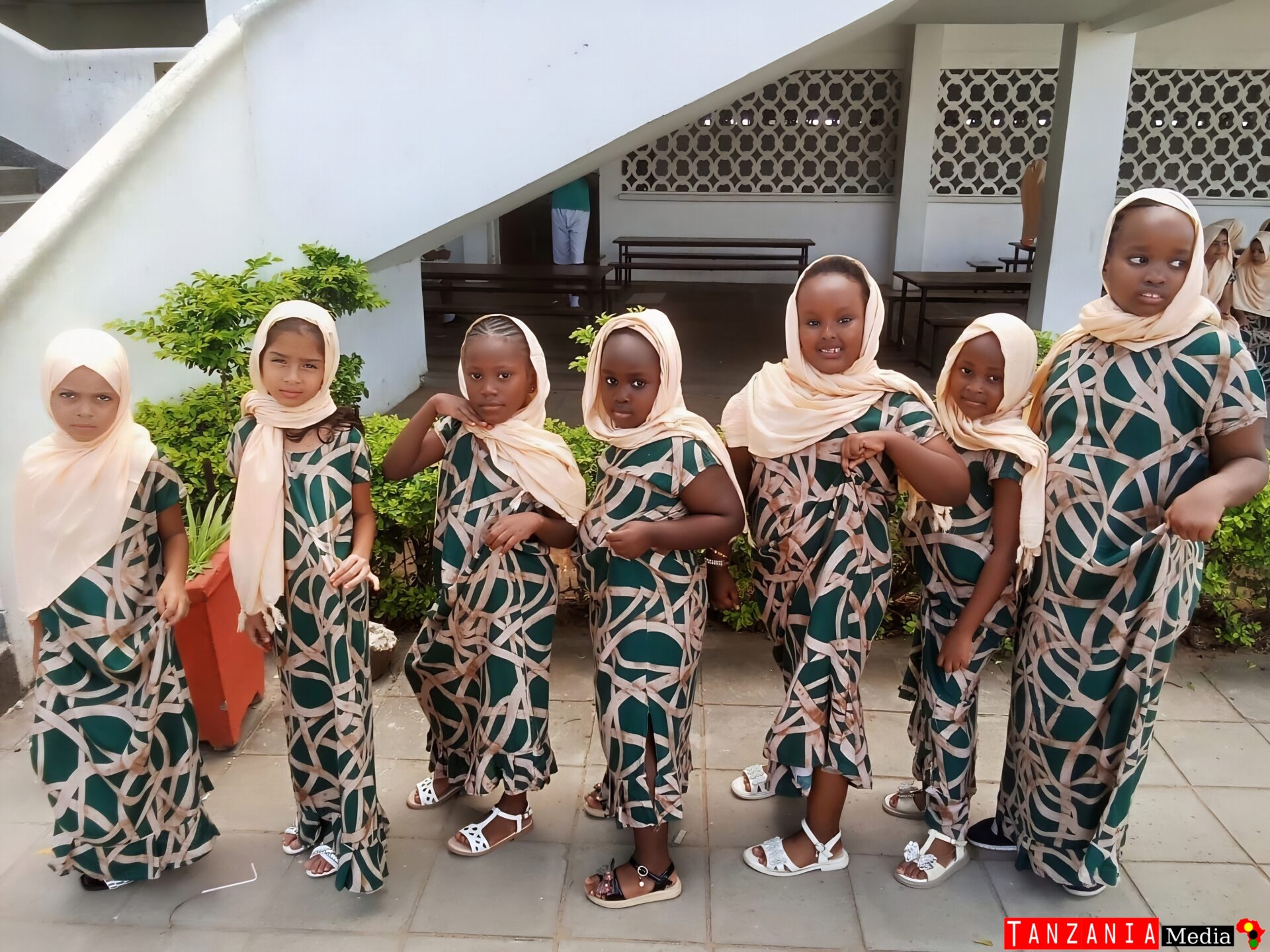 The legacy of this resilience is still evident today, in the culture, the language, and the identity of the Swahili people. The islands that still stand are still shaping the lives of the coastal communities, still nurturing their cultures, and still inspiring their aspirations. The islands are not merely a historical memory but a living reality, a source of identity and pride, a framework for political and economic engagement, and a basis for the participation in the wider world. The islands that still stand are still standing, and the Swahili people are still building, still creating, and still shaping the future that they desire.
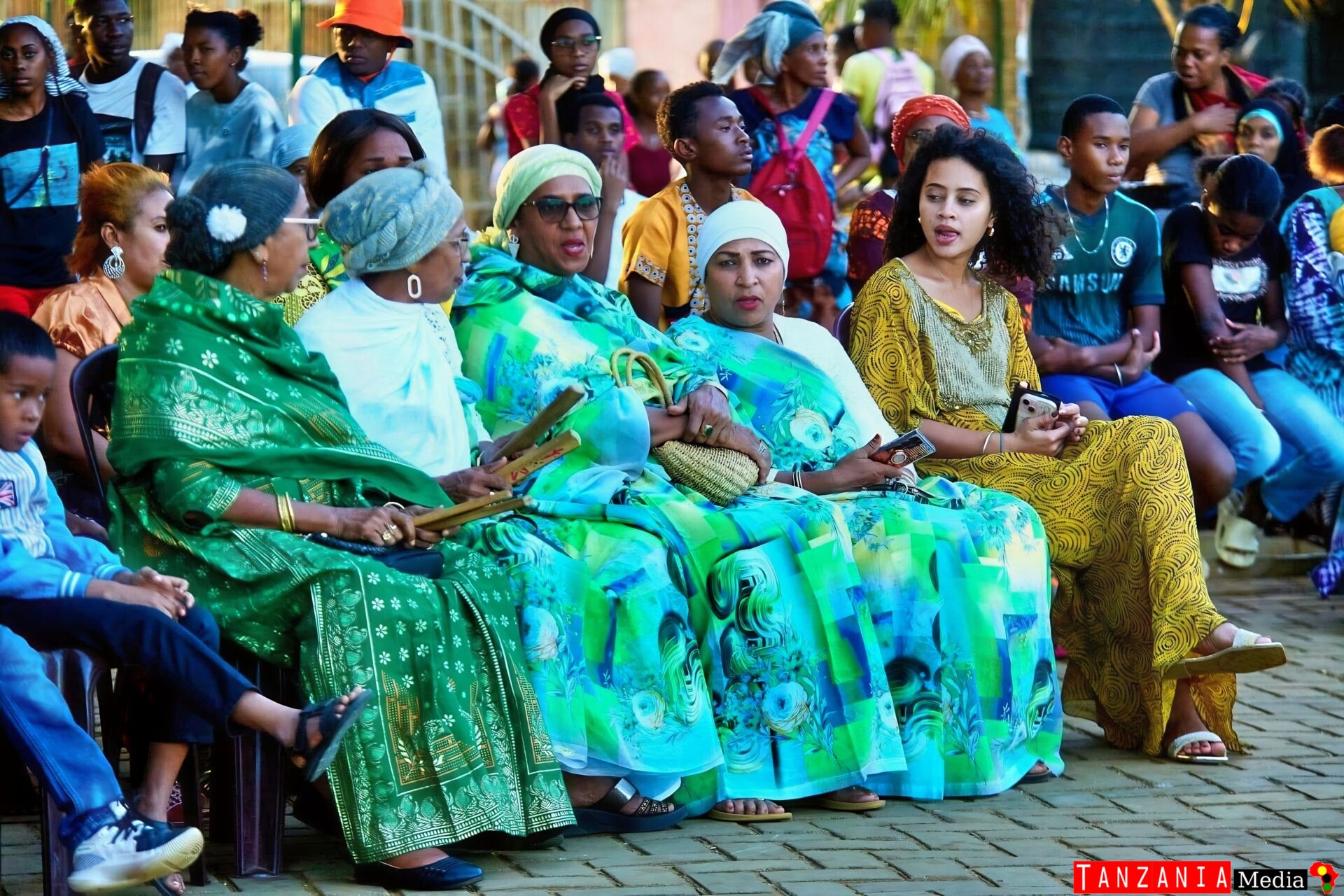 The diaspora communities also served as the centres of the cultural revival. The diaspora communities often produced the poetry, the music, and the art that celebrated the Swahili culture, and they often organised the festivals, the gatherings, and the other events that brought the Swahili communities together.
Swahili Resistance and Resilience
-
The Last Bastion: The Witu Sultanate and the Swahili Struggle for Independence
Introduction: The Flame That Refused to Die
“Mwali mdogo unaweza kuwasha moto mkubwa” — A small flame can start a great fire.
This Swahili adage captures the spirit of the Witu Sultanate, a small but defiant state that emerged from the ashes of Swahili resistance to Omani and European domination. The flame of Swahili independence, which had been nearly extinguished by centuries of foreign rule, was rekindled in the forests of Witu, where the Nabahani dynasty of Pate established a new sultanate that would resist the might of the Zanzibar Sultanate and the European colonial powers for nearly three decades.
The Witu Sultanate, established in the 1860s by the Nabahani dynasty of Pate, represents one of the most dramatic acts of Swahili resistance to Omani and European domination. This was not a mere rebellion or a temporary uprising but the establishment of a sovereign state, with its own ruler, its own institutions, and its own territory. The sultanate was a bold assertion of Swahili autonomy, a declaration that the Swahili people would not submit to foreign rule without a struggle.
The significance of the Witu Sultanate extends beyond the historical to the political, the social, and the cultural. The sultanate demonstrated the capacity of the Swahili communities to resist foreign domination, and it exposed the vulnerability of the Omani and the European colonial powers. The sultanate also created new forms of solidarity and new forms of identity, as the different communities came together in a common struggle against the common enemy. The sultanate also left a lasting imprint on the collective memory of the Swahili people, shaping their understanding of their history and their aspirations for their future.
The Historical Context: The Decline of Pate and the Rise of Omani Power
The Witu Sultanate was established in the context of the decline of Pate and the rise of Omani power. Pate, which had been one of the most powerful Swahili city-states in the Lamu Archipelago, had been in decline for several decades, as the Omani sultans of Zanzibar extended their control over the Swahili Coast.
The Omani domination of the Swahili Coast was increasingly oppressive, with the Omani sultans imposing their governors, their taxes, and their laws on the Swahili communities. The Omani sultans also promoted the Arabisation of the Swahili culture, the spread of the Ibadi Islam, and the adoption of the Arab customs and the Arab identities.
The Nabahani dynasty of Pate, which had once ruled the city-state with authority and prestige, was increasingly marginalised by the Omani power. The Nabahani rulers were often reduced to the subordinate status, subject to the authority of the Omani governors and the Omani administrators.
The Nabahani dynasty also faced internal conflicts, as the different factions within the family competed for the power and the influence. The internal conflicts weakened the dynasty and made it more vulnerable to the external pressures.
“Mwali mdogo unaweza kuwasha moto mkubwa” — A small flame can start a great fire. This adage captures the spirit of the Witu Sultanate, which was a small flame that started a great fire of resistance.
The Establishment of the Witu Sultanate
The Witu Sultanate was established in the 1860s, when the Nabahani dynasty of Pate decided to leave the Lamu Archipelago and to establish a new state on the mainland. The Nabahani rulers, who had been increasingly marginalised by the Omani power, sought to create a new political order that would preserve their autonomy and their interests.
The Nabahani rulers chose Witu as the site of their new sultanate. Witu was located in the forests of the northern Kenya coast, which provided a natural defence against the Omani and the European attacks. Witu was also located near the Tana River, which provided access to the trade routes and the resources of the interior.
The establishment of the Witu Sultanate was a bold assertion of Swahili autonomy. The Nabahani rulers declared themselves the sultans of Witu, and they established their own institutions, their own laws, and their own military forces. The sultanate was a sovereign state, with its own territory, its own population, and its own economy.
The establishment of the Witu Sultanate was also a act of resistance. The Nabahani rulers refused to submit to the Omani authority, and they sought to challenge the Omani domination of the Swahili Coast. The sultanate was a symbol of the Swahili resistance, and it inspired the other Swahili communities to resist the foreign domination.
The Alliance with the German Empire
The Witu Sultanate forged an alliance with the German Empire, which was seeking to establish its own influence on the Swahili Coast. The German Empire, which was competing with the British Empire for the control of the African territories, saw the Witu Sultanate as a potential ally against the British and the Omani interests.
The alliance with the German Empire was formalised in 1885, when the German Empire recognised the Witu Sultanate as a sovereign state and signed a treaty of friendship and protection. The treaty provided the Witu Sultanate with the German recognition, the German support, and the German protection.
The alliance with the German Empire also provided the Witu Sultanate with the access to the German weapons, the German training, and the German advisors. The German support enabled the Witu Sultanate to strengthen its military forces and to resist the Omani and the British attacks.
The alliance with the German Empire was a strategic move by the Nabahani rulers, who sought to use the European rivalries to their own advantage. The alliance was a way of countering the Omani and the British power, and it was a way of preserving the autonomy of the sultanate.
The Governance and Society of the Witu Sultanate
The Witu Sultanate was governed by the Nabahani dynasty, which exercised authority over the territory and the population. The sultan was the head of the state, and he was supported by the council of the advisors, the military commanders, and the other officials.
The Witu Sultanate was a multi-ethnic state, with the Swahili, the Pokomo, the Orma, and the other communities living together under the Nabahani rule. The sultanate was a haven for the runaway slaves, who escaped the Omani plantations and sought refuge in the forests of Witu. The sultanate was also a centre of the Islamic learning, the Swahili culture, and the Swahili identity.
The Witu Sultanate had its own economy, based on the agriculture, the fishing, the trade, and the raiding. The sultanate controlled the trade routes, the markets, and the networks of exchange, and it often imposed the taxes and the tariffs on the exchange.
The Witu Sultanate also had its own military forces, which were organised and trained to defend the territory and to resist the external attacks. The military forces were often composed of the Swahili warriors, the Pokomo fighters, and the runaway slaves.
The Resistance to the Omani and the British Power
The Witu Sultanate resisted the Omani and the British power for nearly three decades. The sultanate engaged in the military campaigns, the diplomatic negotiations, and the economic strategies to preserve its autonomy and to challenge the foreign domination.
The Witu Sultanate engaged in the military campaigns against the Omani and the British forces. The sultanate attacked the Omani plantations, the British trading posts, and the other targets, seeking to disrupt the Omani and the British control. The sultanate also defended its territory against the Omani and the British attacks, often with the German support.
The Witu Sultanate also engaged in the diplomatic negotiations with the Omani and the British powers. The sultanate sought to negotiate the treaties, the agreements, and the other arrangements that would preserve its autonomy and its interests. The sultanate also sought to use the European rivalries to its own advantage, forging the alliances with the German Empire and the other powers.
The Witu Sultanate also engaged in the economic strategies to preserve its autonomy. The sultanate controlled the trade routes, the markets, and the networks of exchange, and it often used the economic leverage to resist the foreign domination.
The Fall of the Witu Sultanate
The Witu Sultanate fell in 1890, after the British Empire and the German Empire signed the Heligoland-Zanzibar Treaty, which divided the East African territories between the two powers. The treaty transferred the Witu Sultanate to the British sphere of influence, and it ended the German support for the sultanate.
The British Empire, which was determined to eliminate the Witu Sultanate, launched a military campaign against the sultanate. The British forces attacked the Witu territory, captured the sultan, and dismantled the institutions of the sultanate.
The fall of the Witu Sultanate was a devastating blow to the Swahili resistance. The sultanate, which had been a symbol of the Swahili autonomy and the Swahili resilience, was destroyed, and the Swahili communities were once again subjected to the foreign domination.
The Enduring Legacy of the Witu Sultanate
The legacy of the Witu Sultanate is still evident today in the culture, the language, and the identity of the Swahili people. The sultanate is remembered as a symbol of the Swahili resistance, and it continues to inspire the struggles for the freedom and the justice.
The legacy is also evident in the contemporary politics of the Swahili Coast. The memory of the Witu Sultanate is still alive, and it continues to shape the understanding of the Swahili history and the Swahili identity.
Conclusion: The Flame That Still Burns
“Mwali mdogo unaweza kuwasha moto mkubwa” — A small flame can start a great fire. This adage, in its full meaning, captures the enduring significance of the Witu Sultanate. The small flame of Swahili resistance, which was kindled in the forests of Witu, started a great fire of resistance that inspired the Swahili communities to challenge the foreign domination.
The Witu Sultanate, established in the 1860s by the Nabahani dynasty of Pate, represents one of the most dramatic acts of Swahili resistance to Omani and European domination. This was not a mere rebellion or a temporary uprising but the establishment of a sovereign state, with its own ruler, its own institutions, and its own territory.
The legacy of this sultanate is still evident today, in the culture, the language, and the identity of the Swahili people. The flame that was kindled in the 1860s is still burning, still inspiring the Swahili communities to resist the foreign domination and to assert their autonomy. The flame is not merely a historical memory but a living reality, a source of resilience and resistance, a framework for political and cultural engagement, and a basis for the participation in the wider world. The flame that was kindled in Witu is still burning, and the Swahili people are still carrying it, still nurturing it, and still shaping the future that they desire.
-
The Sanctuary of the Free: Witu as Refuge, Laboratory, and Last Bastion of Swahili Tradition
Introduction: The Forest That Sheltered the Oppressed
“Msitu mnene hulinda wanyama wote” — A dense forest protects all its animals.
This Swahili adage captures the profound significance of Witu as a sanctuary for the oppressed and a bastion of resistance. The dense forests of Witu, with their tangled mangroves and hidden clearings, protected not only the wildlife but also the runaway slaves, the fleeing elites, and the communities that sought refuge from the oppression of the Zanzibar plantations and the Omani sultanate. The forest was a shelter, a shield, and a sanctuary, providing a space where the Swahili could preserve their traditions, their autonomy, and their dignity.
Witu served as a refuge for runaway slaves (watoro) escaping Zanzibar’s plantations, a laboratory for African resistance strategies, and the last polity preserving pre-colonial Swahili urban traditions. This was not merely a physical space but a political, social, and cultural project—an attempt to create a new Swahili state that would preserve the values and the traditions of the pre-colonial era while adapting to the challenges of the colonial present.
The significance of Witu extends beyond the historical to the political, the social, and the cultural. Witu demonstrated the capacity of the Swahili communities to resist oppression and to create alternative forms of social and political organisation. Witu also demonstrated the resilience of the Swahili culture, which was able to adapt and to evolve in response to the new circumstances. Witu also left a lasting imprint on the collective memory of the Swahili people, shaping their understanding of their history and their aspirations for their future.
The Refuge for Runaway Slaves: The Watoro of Witu
Witu served as a refuge for the runaway slaves, the watoro, who escaped the brutal conditions of the Zanzibar plantations. The plantations, which were the foundation of the Omani economy, were worked by the enslaved people, who were subjected to the harsh treatment, the long hours, and the constant surveillance.
The watoro fled the plantations in search of the freedom and the dignity. They often travelled long distances, through the forests and the swamps, to reach the safety of Witu. The journey was dangerous, with the risk of the capture, the punishment, and the death.
Witu provided the watoro with the protection and the opportunity to build a new life. The watoro were welcomed into the Witu community, and they were often given the land, the tools, and the resources to cultivate their own farms. The watoro also contributed to the defence of Witu, serving as the soldiers, the scouts, and the guards.
The presence of the watoro in Witu was a significant challenge to the Omani authority. The Omani sultans, who had invested heavily in the plantation economy, were determined to recover the runaway slaves and to punish the communities that harboured them. The Omani sultans often launched the military campaigns against Witu, seeking to capture the watoro and to destroy the sultanate.
The watoro of Witu were not merely passive recipients of the protection but active agents of the resistance. The watoro often participated in the raids against the Omani plantations, liberating the other slaves and disrupting the Omani economy. The watoro also shared their knowledge of the plantation system, which enabled the Witu forces to target the vulnerabilities of the Omani economy.
“Msitu mnene hulinda wanyama wote” — A dense forest protects all its animals. This adage captures the role of Witu as a sanctuary for the runaway slaves, who found protection in the dense forests of the sultanate.
The Laboratory for African Resistance Strategies
Witu served as a laboratory for the African resistance strategies, providing a space where the Swahili communities could experiment with new forms of political, military, and social organisation. The sultanate was a testing ground for the strategies that would later be used in the broader anti-colonial struggles.
The military strategies of Witu were particularly innovative. The Witu forces used the guerrilla tactics, the hit-and-run attacks, and the ambushes to resist the Omani and the British forces. The Witu forces also used the dense forests and the mangroves as the natural defences, making it difficult for the enemy to penetrate the territory.
The political strategies of Witu were also innovative. The sultanate forged alliances with the other Swahili communities, with the German Empire, and with the other powers that were opposed to the Omani and the British interests. The alliances were a way of building the coalitions and of challenging the colonial power.
The social strategies of Witu were also innovative. The sultanate created a multi-ethnic community, with the Swahili, the Pokomo, the Orma, and the other communities living together under the Nabahani rule. The community was a model of the inter-ethnic cooperation, which was a significant departure from the ethnic divisions that often characterised the Swahili society.
The economic strategies of Witu were also innovative. The sultanate diversified its economy, combining the agriculture, the fishing, the trade, and the raiding. The diversification was a way of reducing the vulnerability to the external pressures and of building the resilience of the community.
The Last Polity Preserving Pre-Colonial Swahili Urban Traditions
Witu was the last polity that preserved the pre-colonial Swahili urban traditions. The sultanate maintained the Swahili language, the Swahili customs, and the Swahili institutions, which were increasingly marginalised by the Omani and the European colonial powers.
The Swahili language was preserved in Witu. The sultanate used Swahili as the language of the administration, the education, and the culture. The Swahili language was also used in the poetry, the chronicles, and the other forms of the cultural expression.
The Swahili customs were preserved in Witu. The sultanate maintained the traditional dress, the traditional cuisine, and the traditional social practices. The sultanate also maintained the traditional Islamic practices, which were a central feature of the Swahili culture.
The Swahili institutions were preserved in Witu. The sultanate maintained the traditional systems of governance, the traditional systems of justice, and the traditional systems of education. The sultanate also maintained the traditional networks of exchange, which connected Witu to the other Swahili communities and to the wider Indian Ocean world.
The preservation of the pre-colonial Swahili urban traditions was a significant act of resistance. The Swahili communities in Witu refused to abandon their traditions, and they continued to practice them despite the pressures of the colonial powers.
The Political Economy of Witu
The political economy of Witu was based on the control of the resources, the organisation of the production, and the regulation of the exchange. The sultanate controlled the land, the forests, and the rivers, and it used this control to sustain the community and to resist the external pressures.
The agriculture was the foundation of the political economy. The farmers cultivated the crops, including the sorghum, the millet, and the other grains, and they raised the livestock, including the cattle, the goats, and the sheep. The agricultural surplus was used to support the non-producing members of the community, including the soldiers, the administrators, and the religious leaders.
The trade was another important component of the political economy. The sultanate controlled the trade routes, the markets, and the networks of exchange, and it often imposed the taxes and the tariffs on the exchange. The trade generated the wealth that funded the administration, the defence, and the cultural activities.
The raiding was also a component of the political economy. The sultanate often raided the Omani plantations, the British trading posts, and the other targets, seeking to disrupt the colonial economy and to acquire the resources. The raiding was a source of revenue for the sultanate, and it was a way of challenging the colonial power.
The Social Organisation of Witu
The social organisation of Witu was based on the principles of the inclusion, the cooperation, and the resistance. The sultanate was a multi-ethnic community, with the Swahili, the Pokomo, the Orma, and the other communities living together under the Nabahani rule.
The sultanate was also a community of the resistance. The members of the community shared a common commitment to the struggle against the Omani and the European domination. The resistance was a source of the solidarity and the identity, and it united the different groups in a common purpose.
The sultanate was also a community of the tradition. The members of the community shared a common commitment to the preservation of the Swahili language, the Swahili customs, and the Swahili institutions. The tradition was a source of the identity and the pride, and it enabled the community to maintain its distinctiveness.
The Enduring Legacy of Witu
The legacy of Witu is still evident today in the culture, the language, and the identity of the Swahili people. Witu is remembered as a symbol of the resistance, the resilience, and the creativity of the Swahili communities.
The legacy is also evident in the contemporary struggles for the freedom and the justice. The memory of Witu inspires the Swahili communities to resist the oppression and to assert their autonomy.
Conclusion: The Forest That Still Protects
“Msitu mnene hulinda wanyama wote” — A dense forest protects all its animals. This adage, in its full meaning, captures the enduring significance of Witu as a sanctuary, a laboratory, and a bastion of the Swahili tradition. The dense forests of Witu protected the runaway slaves, the resistance fighters, and the cultural traditions, providing a space where the Swahili could preserve their autonomy and their dignity.
Witu served as a refuge for runaway slaves (watoro) escaping Zanzibar’s plantations, a laboratory for African resistance strategies, and the last polity preserving pre-colonial Swahili urban traditions. This was not merely a physical space but a political, social, and cultural project—an attempt to create a new Swahili state that would preserve the values and the traditions of the pre-colonial era while adapting to the challenges of the colonial present.
The legacy of Witu is still evident today, in the culture, the language, and the identity of the Swahili people. The forest that protected the oppressed is still protecting, still sheltering the Swahili communities, still inspiring their resistance and their aspirations. The forest is not merely a historical memory but a living reality, a source of resilience and creativity, a framework for political and cultural engagement, and a basis for the participation in the wider world. The forest that protected the oppressed is still protecting, and the Swahili people are still drawing on its strength, still nurturing its traditions, and still shaping the future that they desire.
-
The Lion of Witu: Sultan Ahmad Simba and the Defiance of a People
Introduction: The Lion That Refused to Bow
“Simba akikufa, nguvu zake hazifi” — When a lion dies, his strength does not die.
This Swahili adage captures the enduring legacy of Sultan Ahmad Simba, the Lion of Witu, whose strength and defiance continued to inspire the Swahili people long after his death. The lion, which is a symbol of courage, power, and authority, was the embodiment of Sultan Ahmad Simba’s character and his rule. He was a lion who refused to bow to the Omani sultans, the British Empire, or any other power, and his roar of defiance echoed across the Swahili Coast.
Sultan Ahmad Simba, who ruled Witu from 1856 to 1889, developed guerrilla warfare tactics, forged alliances with German traders, and maintained a defiant Swahili cultural identity. He was not merely a ruler but a symbol of the Swahili resistance, a leader who embodied the aspirations and the values of his people. His reign was a testament to the resilience and the creativity of the Swahili communities, and his legacy continues to inspire the struggles for the freedom and the justice.
The significance of Sultan Ahmad Simba extends beyond the historical to the political, the social, and the cultural. He was a strategist, a diplomat, and a cultural leader, who used all the tools at his disposal to resist the foreign domination and to preserve the Swahili identity. His guerrilla warfare tactics challenged the conventional military wisdom, his alliances with the German traders exploited the European rivalries, and his defiant Swahili cultural identity preserved the traditions and the values of the Swahili people.
The Early Life and Rise to Power
Sultan Ahmad Simba was born into the Nabahani dynasty of Pate, one of the most prominent Swahili families in the Lamu Archipelago. The Nabahani dynasty had a long and distinguished history, tracing its lineage to the founders of Pate and the rulers of the Swahili Coast.
Ahmad Simba grew up in a period of profound change and challenge. The Omani sultans of Zanzibar were extending their control over the Swahili Coast, and the European powers were beginning to compete for the African territories. The Nabahani dynasty, which had once been a powerful force in the region, was increasingly marginalised by the Omani power.
Ahmad Simba rose to power in 1856, after a period of political turmoil and conflict. He was elected as the Sultan of Pate, but he soon realised that the Omani domination made it impossible for him to exercise his authority effectively. He decided to leave Pate and to establish a new sultanate on the mainland, in the forests of Witu.
The establishment of the Witu Sultanate was a bold and risky move. Ahmad Simba and his followers had to carve a new state out of the wilderness, building the institutions, the defences, and the economy from scratch. But Ahmad Simba was determined to create a space where the Swahili could live in freedom and dignity.
“Simba akikufa, nguvu zake hazifi” — When a lion dies, his strength does not die. This adage captures the enduring legacy of Sultan Ahmad Simba, whose strength and defiance continue to inspire the Swahili people.
The Development of Guerrilla Warfare Tactics
Sultan Ahmad Simba developed innovative guerrilla warfare tactics that enabled the Witu forces to resist the Omani and the British forces for nearly three decades. The tactics were based on the intimate knowledge of the terrain, the mobility of the forces, and the element of surprise.
The Witu forces used the dense forests and the mangroves as the natural defences. The forces knew the paths, the hiding places, and the ambush sites, and they used this knowledge to outmanoeuvre the enemy. The enemy forces, which were often unfamiliar with the terrain, were at a significant disadvantage.
The Witu forces also used the hit-and-run tactics. The forces would attack the enemy, inflict the damage, and then disappear into the forests. The tactics were designed to wear down the enemy and to avoid the direct confrontation.
The Witu forces also used the intelligence networks. The forces had the spies and the informants, who provided the information about the enemy movements and the enemy plans. The intelligence enabled the Witu forces to anticipate the enemy attacks and to prepare the counter-measures.
The guerrilla warfare tactics were a significant departure from the conventional military strategies. The tactics were adapted to the conditions of the Swahili Coast and the resources of the Witu Sultanate, and they demonstrated the creativity and the resilience of the Swahili communities.
The Alliances with German Traders
Sultan Ahmad Simba forged alliances with the German traders, who were seeking to establish their own influence on the Swahili Coast. The German traders, who were competing with the British and the Omani interests, saw the Witu Sultanate as a potential ally.
The alliances with the German traders provided the Witu Sultanate with the access to the German weapons, the German training, and the German advisors. The German support enabled the Witu forces to strengthen their military capabilities and to resist the Omani and the British attacks.
The alliances with the German traders also provided the Witu Sultanate with the access to the German markets and the German networks. The German support enabled the Witu economy to diversify and to grow, reducing the dependence on the Omani and the British trade.
The alliances with the German traders were a strategic move by Sultan Ahmad Simba. He was able to exploit the European rivalries to his own advantage, using the German support to counter the British and the Omani power. The alliances were a testament to his diplomatic skills and his political acumen.
The Defiant Swahili Cultural Identity
Sultan Ahmad Simba maintained a defiant Swahili cultural identity, which was a source of solidarity and resistance for the Witu community. He preserved the Swahili language, the Swahili customs, and the Swahili institutions, despite the pressures of the Omani and the European colonial powers.
The Swahili language was preserved in Witu. Sultan Ahmad Simba used Swahili as the language of the administration, the education, and the culture. The Swahili language was also used in the poetry, the chronicles, and the other forms of the cultural expression. The Sultan’s grave, which bears a Swahili inscription, is a testament to his commitment to the Swahili language.
The Swahili customs were preserved in Witu. Sultan Ahmad Simba maintained the traditional dress, the traditional cuisine, and the traditional social practices. He also maintained the traditional Islamic practices, which were a central feature of the Swahili culture.
The Swahili institutions were preserved in Witu. Sultan Ahmad Simba maintained the traditional systems of governance, the traditional systems of justice, and the traditional systems of education. He also maintained the traditional networks of exchange, which connected Witu to the other Swahili communities and to the wider Indian Ocean world.
The defiant Swahili cultural identity was a significant act of resistance. Sultan Ahmad Simba refused to abandon the Swahili traditions, and he continued to practice them despite the pressures of the colonial powers.
The Political Economy of Witu Under Sultan Ahmad Simba
The political economy of Witu under Sultan Ahmad Simba was based on the control of the resources, the organisation of the production, and the regulation of the exchange. The sultanate controlled the land, the forests, and the rivers, and it used this control to sustain the community and to resist the external pressures.
The agriculture was the foundation of the political economy. The farmers cultivated the crops, including the sorghum, the millet, and the other grains, and they raised the livestock, including the cattle, the goats, and the sheep. The agricultural surplus was used to support the non-producing members of the community, including the soldiers, the administrators, and the religious leaders.
The trade was another important component of the political economy. The sultanate controlled the trade routes, the markets, and the networks of exchange, and it often imposed the taxes and the tariffs on the exchange. The trade generated the wealth that funded the administration, the defence, and the cultural activities.
The raiding was also a component of the political economy. The sultanate often raided the Omani plantations, the British trading posts, and the other targets, seeking to disrupt the colonial economy and to acquire the resources. The raiding was a source of revenue for the sultanate, and it was a way of challenging the colonial power.
The Social Organisation of Witu Under Sultan Ahmad Simba
The social organisation of Witu under Sultan Ahmad Simba was based on the principles of the inclusion, the cooperation, and the resistance. The sultanate was a multi-ethnic community, with the Swahili, the Pokomo, the Orma, and the other communities living together under the Nabahani rule.
The sultanate was also a community of the resistance. The members of the community shared a common commitment to the struggle against the Omani and the European domination. The resistance was a source of the solidarity and the identity, and it united the different groups in a common purpose.
The sultanate was also a community of the tradition. The members of the community shared a common commitment to the preservation of the Swahili language, the Swahili customs, and the Swahili institutions. The tradition was a source of the identity and the pride, and it enabled the community to maintain its distinctiveness.
The Enduring Legacy of Sultan Ahmad Simba
The legacy of Sultan Ahmad Simba is still evident today in the culture, the language, and the identity of the Swahili people. He is remembered as a symbol of the resistance, the resilience, and the creativity of the Swahili communities.
The legacy is also evident in the contemporary struggles for the freedom and the justice. The memory of Sultan Ahmad Simba inspires the Swahili communities to resist the oppression and to assert their autonomy.
Conclusion: The Lion That Still Roars
“Simba akikufa, nguvu zake hazifi” — When a lion dies, his strength does not die. This adage, in its full meaning, captures the enduring legacy of Sultan Ahmad Simba. The Lion of Witu may have died in 1889, but his strength and his defiance continue to inspire the Swahili people.
Sultan Ahmad Simba, who ruled Witu from 1856 to 1889, developed guerrilla warfare tactics, forged alliances with German traders, and maintained a defiant Swahili cultural identity. He was not merely a ruler but a symbol of the Swahili resistance, a leader who embodied the aspirations and the values of his people.
The legacy of Sultan Ahmad Simba is still evident today, in the culture, the language, and the identity of the Swahili people. The lion that refused to bow is still roaring, still inspiring the Swahili communities to resist the oppression and to assert their autonomy. The roar is not merely a historical memory but a living reality, a source of strength and inspiration, a framework for political and cultural engagement, and a basis for the participation in the wider world. The lion that refused to bow is still roaring, and the Swahili people are still listening, still drawing on his strength, and still shaping the future that they desire.
-
The Betrayal of Witu: The Heligoland-Zanzibar Treaty and the Bargaining of African Autonomy
Introduction: The Table Where Africa Was Divided
“Wageni wakigawana ngozi ya simba, simba hayupo mezani” — When strangers divide the lion’s skin, the lion is not at the table.
This Swahili adage captures the profound injustice of the Heligoland-Zanzibar Treaty of 1890, which ended the independence of the Witu Sultanate. The lion—the Swahili people of Witu—was not present at the table where their fate was decided. The European powers, like strangers dividing the skin of a lion they had hunted, bargained away African autonomy in distant chancelleries, without any regard for the will or the welfare of the African communities.
The Heligoland-Zanzibar Treaty of 1890, which transferred Witu to the British sphere, ended the sultanate’s independence and demonstrated how African autonomy could be bargained away in European chancelleries. This treaty was not an isolated incident but a symbol of the broader pattern of the European colonisation of Africa, where the African territories were treated as the commodities to be exchanged and the African peoples as the objects to be ruled.
The significance of this treaty extends beyond the historical to the political, the moral, and the cultural. The treaty demonstrated the power of the European states and the vulnerability of the African communities. The treaty also demonstrated the hypocrisy of the European claims to the civilisation and the justice, as the European powers were willing to sacrifice the African autonomy for their own strategic interests. The treaty also left a lasting imprint on the collective memory of the Swahili people, shaping their understanding of their history and their aspirations for their future.
The Historical Context: The Scramble for Africa
The Heligoland-Zanzibar Treaty was a product of the Scramble for Africa, the period of the intense European competition for the control of the African territories. The European powers, driven by the economic, the political, and the strategic motives, sought to carve up the African continent into the colonies and the spheres of influence.
The Scramble for Africa was formalised at the Berlin Conference of 1884-1885, which established the rules for the European colonisation. The conference recognised the principle of the effective occupation, which required the European powers to establish the actual control over the territories they claimed.
The Scramble for Africa had a profound impact on the Swahili Coast. The European powers, including the British, the Germans, and the French, competed for the control of the strategic ports, the trade routes, and the resources of the region. The Swahili communities, which had once been the independent polities, were increasingly subjected to the European domination.
The Swahili communities, including the Witu Sultanate, were often caught in the crossfire of the European rivalries. The communities were forced to navigate the complex and the dangerous waters of the European politics, seeking to preserve their autonomy and their interests.
“Wageni wakigawana ngozi ya simba, simba hayupo mezani” — When strangers divide the lion’s skin, the lion is not at the table. This adage captures the injustice of the Heligoland-Zanzibar Treaty, where the African communities were excluded from the decisions that affected their fate.
The Heligoland-Zanzibar Treaty: The Terms of the Bargain
The Heligoland-Zanzibar Treaty was signed on 1 July 1890, between the British Empire and the German Empire. The treaty was a comprehensive agreement that resolved the disputes between the two powers over their respective spheres of influence in Africa.
The treaty had several key provisions. The German Empire recognised the British protectorate over Zanzibar, which had been established in 1890. The British Empire recognised the German claims to the territory of Tanganyika, which had been established in 1885.
The treaty also transferred the Witu Sultanate, which had been a German protectorate since 1885, to the British sphere of influence. The treaty also ceded the island of Heligoland, which was located in the North Sea, to the German Empire.
The treaty was a classic example of the European diplomacy, where the territories and the peoples were treated as the commodities to be exchanged. The Witu Sultanate, which had been a sovereign state for nearly three decades, was transferred from the German to the British control without any regard for the will or the welfare of the Swahili people.
The End of the Witu Sultanate’s Independence
The Heligoland-Zanzibar Treaty ended the independence of the Witu Sultanate. The British Empire, which had acquired the control over the sultanate, was determined to eliminate the Swahili resistance and to integrate the territory into the British colonial system.
The British authorities launched a military campaign against the Witu Sultanate, seeking to capture the sultan and to dismantle the institutions of the sultanate. The British forces attacked the Witu territory, burned the villages, and destroyed the crops.
The Sultan of Witu, who had been the symbol of the Swahili resistance, was captured and exiled. The Sultan’s family and his followers were also captured or dispersed. The institutions of the sultanate, including the administration, the military, and the judiciary, were dismantled.
The end of the Witu Sultanate’s independence was a devastating blow to the Swahili resistance. The sultanate, which had been a beacon of hope for the Swahili communities, was destroyed, and the Swahili people were once again subjected to the foreign domination.
The Demonstration of African Vulnerability
The Heligoland-Zanzibar Treaty demonstrated the vulnerability of the African communities in the face of the European power. The treaty showed that the African autonomy could be bargained away in the European chancelleries, without any regard for the will or the welfare of the African peoples.
The treaty demonstrated the power of the European states, which were able to impose their will on the African communities through the military force, the economic pressure, and the diplomatic manoeuvring. The treaty also demonstrated the weakness of the African communities, which were often divided and lacked the capacity to resist the European domination.
The treaty also demonstrated the hypocrisy of the European claims to the civilisation and the justice. The European powers, which often justified their colonisation on the grounds of the civilising mission, were willing to sacrifice the African autonomy for their own strategic interests.
The Political Economy of the Treaty
The political economy of the Heligoland-Zanzibar Treaty was based on the control of the strategic territories, the trade routes, and the resources. The British Empire and the German Empire sought to secure their own interests, often at the expense of the African communities.
The British Empire sought to secure its control over the East African coast, which was strategically important for the trade with India and the other colonies. The British Empire also sought to prevent the German Empire from establishing a strong presence in the region, which could threaten the British interests.
The German Empire sought to secure its control over the territory of Tanganyika, which was rich in the natural resources and strategically important for the German colonial ambitions. The German Empire also sought to secure the island of Heligoland, which was strategically important for the German naval power.
The treaty also had significant economic implications. The British Empire and the German Empire sought to control the trade routes, the markets, and the networks of exchange, and they often excluded the African merchants from the most lucrative markets.
The Social Implications of the Treaty
The Heligoland-Zanzibar Treaty had profound social implications for the communities of the Swahili Coast. The treaty ended the independence of the Witu Sultanate, which had been a sanctuary for the runaway slaves and a centre of the Swahili culture.
The treaty also displaced the communities, as the British authorities sought to integrate the territory into the colonial system. The communities were often forced to relocate, to abandon their traditional livelihoods, and to adopt the new forms of the social and the economic organisation.
The treaty also created new forms of social differentiation, with the British and their collaborators occupying the top of the social hierarchy and the Swahili communities occupying the lower positions.
The Cultural Significance of the Treaty
The Heligoland-Zanzibar Treaty had profound cultural significance for the Swahili people. The treaty ended the independence of the Witu Sultanate, which had been the last polity preserving the pre-colonial Swahili urban traditions.
The treaty also challenged the Swahili cultural identity, which had been preserved in the Witu Sultanate. The British authorities often discouraged the Swahili language, the Swahili customs, and the Islamic faith, and they often imposed their own cultural values.
The treaty also contributed to the development of the Swahili identity, which was forged in the struggle against the foreign domination.
The Enduring Legacy of the Treaty
The legacy of the Heligoland-Zanzibar Treaty is still evident today in the culture, the language, and the identity of the Swahili people. The treaty is remembered as a symbol of the European betrayal and the African vulnerability.
The legacy is also evident in the contemporary politics of the Swahili Coast. The memory of the treaty is still alive, and it continues to shape the understanding of the Swahili history and the Swahili identity.
Conclusion: The Lion That Was Not at the Table
“Wageni wakigawana ngozi ya simba, simba hayupo mezani” — When strangers divide the lion’s skin, the lion is not at the table. This adage, in its full meaning, captures the enduring significance of the Heligoland-Zanzibar Treaty. The lion—the Swahili people of Witu—was not present at the table where their fate was decided. The European powers, like strangers dividing the skin of a lion they had hunted, bargained away African autonomy in distant chancelleries.
The Heligoland-Zanzibar Treaty of 1890, which transferred Witu to the British sphere, ended the sultanate’s independence and demonstrated how African autonomy could be bargained away in European chancelleries. This treaty was not an isolated incident but a symbol of the broader pattern of the European colonisation of Africa, where the African territories were treated as the commodities to be exchanged and the African peoples as the objects to be ruled.
The legacy of this treaty is still evident today, in the culture, the language, and the identity of the Swahili people. The lion that was not at the table is still roaring, still reminding the Swahili communities of the injustice of the past and the need for the vigilance in the present. The roar is not merely a historical memory but a living reality, a source of resilience and resistance, a framework for political and cultural engagement, and a basis for the participation in the wider world. The lion that was not at the table is still roaring, and the Swahili people are still listening, still learning, and still shaping the future that they desire.
-
The Tapestry of Inclusion: Witu’s Multi-Ethnic Governance and the Vision of a Shared Swahili Identity
Introduction: The Basket That Held Many Fruits
“Kikapu kikishikilia matunda mbalimbali, hakivunjiki kwa urahisi” — A basket that holds many fruits does not break easily.
This Swahili adage captures the essence of Witu’s remarkable multi-ethnic governance. The sultanate was like a basket that held many fruits—Pokomo farmers, Orma pastoralists, Aweer hunters, and Swahili patricians—each contributing their unique strengths and perspectives to the community. The diversity of the basket made it strong and resilient, enabling the Witu Sultanate to withstand the pressures of the Omani and the European powers for nearly three decades.
Witu’s multi-ethnic governance, integrating Pokomo farmers, Orma pastoralists, and Aweer hunters, created one of East Africa’s most inclusive pre-colonial political models. This was not a mere alliance of convenience but a deliberate and sustained project of political and social integration, where different ethnic groups were brought together under a common political framework, with shared institutions, shared values, and shared aspirations.
The significance of Witu’s multi-ethnic governance extends beyond the historical to the political, the social, and the cultural. The model demonstrated the capacity of the African communities to create inclusive and effective political systems, challenging the colonial narratives that presented Africa as a continent of tribal conflict and ethnic division. The model also provided a blueprint for the contemporary challenges of the ethnic diversity and the political inclusion, reminding us of the importance of the dialogue, the cooperation, and the mutual respect.The Ethnic Diversity of Witu
The Witu Sultanate was characterised by a remarkable ethnic diversity, with the different communities living together under the Nabahani rule. The diversity was not a source of the conflict but a source of the strength, as the different communities contributed their unique skills, their knowledge, and their perspectives to the common project.
The Pokomo farmers were one of the most important communities in Witu. The Pokomo were the skilled agriculturists, who cultivated the crops, including the sorghum, the millet, and the other grains, and they provided the food that sustained the community. The Pokomo also possessed the knowledge of the riverine environment, which was essential for the navigation and the trade.
The Orma pastoralists were another important community in Witu. The Orma were the skilled herders, who raised the cattle, the goats, and the sheep, and they provided the meat, the milk, and the other livestock products. The Orma also possessed the knowledge of the pastoral economy, which was essential for the trade and the exchange.
The Aweer hunters were another important community in Witu. The Aweer were the skilled hunters and gatherers, who hunted the game and gathered the wild products, and they provided the meat, the honey, and the other forest products. The Aweer also possessed the knowledge of the forest environment, which was essential for the defence and the survival.
The Swahili patricians were the ruling elite of Witu. The Swahili were the descendants of the Nabahani dynasty, and they provided the leadership, the governance, and the cultural identity. The Swahili also possessed the knowledge of the Islamic faith, the Swahili language, and the Swahili traditions, which were essential for the cohesion and the identity of the community.
“Kikapu kikishikilia matunda mbalimbali, hakivunjiki kwa urahisi” — A basket that holds many fruits does not break easily. This adage captures the strength of Witu’s multi-ethnic governance, which brought together the different communities under a common framework.
The Mechanisms of Integration
The Witu Sultanate developed a range of mechanisms to integrate the different ethnic communities and to maintain the social cohesion. The mechanisms included the political representation, the economic cooperation, the social interaction, and the cultural exchange.
The political representation was a key mechanism of the integration. The different ethnic communities were represented in the councils and the other institutions of the sultanate. The representatives were often the leaders of their communities, who advocated for the interests and the concerns of their people.
The economic cooperation was another key mechanism. The different ethnic communities engaged in the trade and the exchange, which created the mutual dependence and the mutual benefit. The Pokomo farmers provided the food, the Orma pastoralists provided the livestock, the Aweer hunters provided the forest products, and the Swahili patricians provided the governance and the trade.
The social interaction was also important. The different ethnic communities interacted with each other through the marriage, the friendship, and the other forms of the social relationship. The social interaction created the bonds of the kinship and the solidarity, which transcended the ethnic boundaries.
The cultural exchange was also significant. The different ethnic communities shared their languages, their customs, and their beliefs, which enriched the culture of Witu. The cultural exchange created a shared identity, which was both Swahili and multi-ethnic.
The Political Economy of the Multi-Ethnic Model
The political economy of Witu’s multi-ethnic model was based on the control of the resources, the organisation of the production, and the regulation of the exchange. The different ethnic communities contributed to the economy, and they shared in the benefits.
The control of the resources was the foundation of the political economy. The sultanate controlled the land, the forests, and the rivers, and it allocated the resources to the different communities according to their needs and their contributions.
The organisation of the production was also important. The different communities organised the production according to their specialisations. The Pokomo farmers cultivated the crops, the Orma pastoralists raised the livestock, and the Aweer hunters gathered the forest products.
The regulation of the exchange was also significant. The sultanate regulated the exchange of the goods and the services, ensuring that the different communities benefited from the trade. The regulation of the exchange was a source of the social cohesion and the economic stability.
The Social Implications of the Multi-Ethnic Model
The multi-ethnic model had profound social implications for the communities of Witu. The model created a sense of the shared identity and the shared purpose, which transcended the ethnic boundaries. The model also created a sense of the mutual dependence and the mutual respect, which reduced the ethnic tensions and the conflicts.
The model also created new forms of the social organisation. The different communities interacted with each other through the marriage, the trade, and the other forms of the social relationship, which created the new kinship ties and the new social networks.
The model also created new forms of the social mobility. The individuals and the families from the different ethnic backgrounds could rise in the social hierarchy through their contributions to the community and their service to the sultanate.
The Cultural Significance of the Multi-Ethnic Model
The multi-ethnic model had profound cultural significance for the Swahili people. The model demonstrated the capacity of the Swahili culture to accommodate the diversity and to integrate the different communities. The model also demonstrated the openness and the adaptability of the Swahili culture.
The model also contributed to the development of a shared Swahili identity, which was both inclusive and distinctive. The Swahili identity was not based on the ethnic origin but on the shared values, the shared institutions, and the shared aspirations.
The model also contributed to the development of a rich and diverse cultural heritage, which incorporated the traditions, the languages, and the customs of the different communities.
The Enduring Legacy of Witu’s Multi-Ethnic Model
The legacy of Witu’s multi-ethnic model is still evident today in the culture, the language, and the identity of the Swahili people. The model is remembered as a symbol of the inclusion, the cooperation, and the resilience of the Swahili communities.
The legacy is also evident in the contemporary politics of the Swahili Coast. The challenges of the ethnic diversity and the political inclusion are still relevant, and the example of Witu provides the lessons and the inspiration for the contemporary struggles.
Conclusion: The Basket That Still Holds
“Kikapu kikishikilia matunda mbalimbali, hakivunjiki kwa urahisi” — A basket that holds many fruits does not break easily. This adage, in its full meaning, captures the enduring significance of Witu’s multi-ethnic governance. The basket of Witu held many fruits—Pokomo farmers, Orma pastoralists, Aweer hunters, and Swahili patricians—and this diversity made it strong and resilient.
Witu’s multi-ethnic governance, integrating Pokomo farmers, Orma pastoralists, and Aweer hunters, created one of East Africa’s most inclusive pre-colonial political models. This was not a mere alliance of convenience but a deliberate and sustained project of political and social integration, where different ethnic groups were brought together under a common political framework.
The legacy of this model is still evident today, in the culture, the language, and the identity of the Swahili people. The basket that held many fruits is still holding, still reminding the Swahili communities of the strength of the diversity and the power of the inclusion. The basket is not merely a historical memory but a living reality, a source of inspiration and guidance, a framework for political and cultural engagement, and a basis for the participation in the wider world. The basket that held many fruits is still holding, and the Swahili people are still weaving it, still filling it, and still shaping the future that they desire.
-
The Echoes of Witu: Resistance, Memory, and the Contemporary Politics of the Kenyan Coast
Introduction: The Roots That Still Nourish
“Mizizi ya mti wa zamani inaendelea kulisha mti mpya” — The roots of an old tree continue to nourish the new tree.
This Swahili adage captures the enduring legacy of the Witu Sultanate in contemporary Kenyan coastal politics. The roots of Witu—its history of resistance, its model of multi-ethnic governance, and its defiant Swahili identity—continue to nourish the new tree of coastal political consciousness. The struggles of the past are not merely historical memories but living forces that shape the aspirations, the strategies, and the identities of the present.
The legacy of Witu continues to resonate in contemporary Kenyan coastal politics, with the “Pwani si Kenya” movement and debates about devolution drawing on its history of resistance. The memory of Witu is not a relic of the past but a source of inspiration and legitimacy for the contemporary movements that seek to assert the autonomy and the rights of the coastal communities.
The significance of this legacy extends beyond the political to the cultural, the social, and the psychological. Witu provides a narrative of resistance that challenges the dominant narratives of coastal subordination and marginalisation. Witu also provides a model of governance that challenges the centralised and the exclusionary models of the contemporary state. Witu also provides a source of identity and pride that enables the coastal communities to assert their distinctiveness and their dignity.
The Historical Memory of Witu
The historical memory of Witu is a significant factor in contemporary coastal politics. The memory of the sultanate, its resistance to the Omani and the European domination, and its eventual betrayal and destruction, is still alive in the coastal communities.
The memory of Witu is preserved through the oral traditions, the songs, and the stories that are passed down from generation to generation. The elders of the coastal communities often recount the tales of the Witu Sultanate, the bravery of Sultan Ahmad Simba, and the resilience of the Swahili people.
The memory of Witu is also preserved through the commemorative practices, including the annual gatherings, the festivals, and the ceremonies that honour the legacy of the sultanate. The commemorations are a way of keeping the memory alive and of transmitting the values and the lessons of the past to the younger generations.
The memory of Witu is also preserved through the historical scholarship, which has documented the history of the sultanate and its significance for the Swahili people. The scholarship provides a more accurate and a more nuanced understanding of the past, challenging the colonial narratives and the official histories.
“Mizizi ya mti wa zamani inaendelea kulisha mti mpya” — The roots of an old tree continue to nourish the new tree. This adage captures the enduring legacy of Witu, which continues to nourish the contemporary coastal political consciousness.
The “Pwani si Kenya” Movement
The “Pwani si Kenya” movement, which translates to “The Coast is not Kenya,” is one of the most significant expressions of the coastal political consciousness. The movement seeks to assert the distinct identity and the autonomy of the coastal communities, challenging the marginalisation and the subordination that they have experienced since the independence.
The “Pwani si Kenya” movement draws on the history of Witu, citing the sultanate as evidence of the coastal capacity for self-governance and the coastal resistance to the external domination. The movement invokes the memory of Witu to legitimate its claims and to inspire its supporters.
The movement also draws on the grievances of the coastal communities, including the economic marginalisation, the political exclusion, and the cultural alienation. The movement argues that the coastal communities have been neglected and exploited by the central government, and that they deserve a greater autonomy and a greater share of the resources.The “Pwani si Kenya” movement has been controversial, with the central government often dismissing it as the separatist and the illegal. The movement has also been divided, with the different factions advocating for the different levels of the autonomy, from the devolution to the secession.
The Debates about Devolution
The debates about devolution are another significant expression of the coastal political consciousness. Devolution, which is the transfer of the powers and the resources from the central government to the regional governments, is seen as a way of addressing the grievances of the coastal communities and of promoting the more equitable and the more inclusive development.
The debates about devolution draw on the history of Witu, citing the sultanate as an example of the effective and the inclusive local governance. The advocates of devolution argue that the coastal communities have the capacity and the right to govern themselves, and that the devolution would enable them to address their own needs and to pursue their own interests.
The debates about devolution also draw on the contemporary challenges of the coastal communities, including the poverty, the unemployment, the environmental degradation, and the insecurity. The advocates of devolution argue that the central government has failed to address these challenges, and that the devolution would enable the coastal communities to develop their own solutions.
The debates about devolution have been contentious, with the central government often resisting the transfer of the powers and the resources. The debates have also been shaped by the political and the economic interests, with the different actors seeking to influence the outcome.
The Political Economy of the Coastal Politics
The political economy of the coastal politics is based on the control of the resources, the distribution of the power, and the regulation of the exchange. The coastal communities, which are rich in the natural resources, including the land, the minerals, and the tourism, have often been marginalised and exploited by the central government and the external actors.
The control of the resources is the foundation of the political economy. The central government and the external actors have often controlled the resources, extracting the wealth and leaving the coastal communities with the little benefit. The coastal communities have often resisted the extraction, seeking to assert their rights and to secure a greater share of the resources.
The distribution of the power is also important. The central government and the external actors have often dominated the political and the economic institutions, excluding the coastal communities from the decision-making processes. The coastal communities have often sought to challenge the exclusion, seeking to participate in the governance and to influence the policies.
The regulation of the exchange is also significant. The central government and the external actors have often regulated the trade and the investment, imposing the taxes, the tariffs, and the other forms of the control. The coastal communities have often sought to challenge the regulation, seeking to promote the more equitable and the more sustainable exchange.
The Social Implications of the Coastal Politics
The coastal politics has profound social implications for the communities of the Swahili Coast. The politics has created new forms of social differentiation, with the coastal communities often occupying the lower positions in the social hierarchy.
The politics has also created new forms of social conflict. The coastal communities have often clashed with the central government and the external actors, and they have often been divided among themselves. The conflicts have often led to the violence and the instability.
The politics has also created new forms of social identity. The coastal communities have often defined themselves in relation to the central government and the external actors, and the identities have often been shaped by the experiences of the marginalisation and the resistance.
The Cultural Significance of the Coastal Politics
The coastal politics has profound cultural significance for the Swahili people. The politics has challenged the dominant narratives of the coastal subordination and the marginalisation, and it has provided a space for the expression of the coastal identity and the coastal aspirations.
The politics has also contributed to the revival of the Swahili culture, including the Swahili language, the Swahili customs, and the Swahili institutions. The revival of the culture is a way of asserting the coastal identity and of resisting the cultural assimilation.
The politics has also contributed to the development of the Swahili literature, the Swahili poetry, and the Swahili art, which often express the coastal grievances and the coastal aspirations.
The Enduring Legacy of Witu in Contemporary Politics
The legacy of Witu is still evident in the contemporary coastal politics. The memory of the sultanate, its resistance, and its model of the governance continue to shape the aspirations and the strategies of the coastal communities.
The legacy is also evident in the debates about the devolution and the autonomy, which draw on the history of Witu to legitimate the claims and to inspire the movements.
The legacy is also evident in the identity of the coastal communities, which is often defined in relation to the history of Witu and the struggle for the autonomy and the justice.
Conclusion: The Roots That Still Nourish
“Mizizi ya mti wa zamani inaendelea kulisha mti mpya” — The roots of an old tree continue to nourish the new tree. This adage, in its full meaning, captures the enduring legacy of Witu in the contemporary coastal politics. The roots of Witu—its history of resistance, its model of multi-ethnic governance, and its defiant Swahili identity—continue to nourish the new tree of coastal political consciousness.
The legacy of Witu continues to resonate in contemporary Kenyan coastal politics, with the “Pwani si Kenya” movement and debates about devolution drawing on its history of resistance. The memory of Witu is not a relic of the past but a source of inspiration and legitimacy for the contemporary movements that seek to assert the autonomy and the rights of the coastal communities.
The legacy of Witu is still evident today, in the culture, the language, and the identity of the Swahili people. The roots that continue to nourish the new tree are still growing, still sustaining the coastal communities, still inspiring their struggles and their aspirations. The roots are not merely a historical memory but a living reality, a source of resilience and creativity, a framework for political and cultural engagement, and a basis for the participation in the wider world. The roots that continue to nourish the new tree are still growing, and the Swahili people are still drawing on their strength, still nurturing their traditions, and still shaping the future that they desire.
-
The Verses of Anguish: Swahili Poetry and the Colonial Identity Crisis
Introduction: The Words That Wept
“Maneno ya mshairi ni machozi ya moyo” — The words of a poet are the tears of the heart.
This Swahili adage captures the profound emotional and psychological impact of colonial rule on Swahili poetry. The words of the colonial-era poets were not merely verses but tears, expressing the anguish, the confusion, and the grief of a people who were forced to come to terms with their subjection to foreign rule. The poetry was a lament for a lost world, a critique of an unjust order, and a search for a new identity in a world that had been turned upside down.
Swahili poetry from the colonial period reflects a profound sense of identity crisis and cultural anxiety, as poets had to come to terms with the subjection of all non-Europeans to colonial hierarchies. This was not a matter of mere political change but of a fundamental disruption of the social, the cultural, and the psychological order. The Swahili poets, who had once celebrated the achievements and the values of their civilisation, were now forced to confront the reality of their subordination and the humiliation of their people.
The significance of this poetry extends beyond the aesthetic to the psychological, the social, and the political. The poetry provides a window into the inner world of the Swahili people during a period of profound upheaval. The poetry also provides a record of the resistance, the resilience, and the adaptation of the Swahili communities. The poetry also provides a source of insight and inspiration for the contemporary struggles for the identity and the justice.
The Colonial Hierarchy and the Swahili Identity
The colonial hierarchy was a fundamental challenge to the Swahili identity. The Swahili, who had once seen themselves as the bearers of a proud and ancient civilisation, were now placed at the bottom of the colonial hierarchy, beneath the European rulers and, often, beneath the other communities who were favoured by the colonial powers.
The colonial hierarchy was based on the principles of the race and the culture. The Europeans were at the top of the hierarchy, seen as the most civilised and the most advanced. The Africans, including the Swahili, were at the bottom, seen as the primitive and the backward. The hierarchy was enforced through the legal, the economic, and the social institutions, which systematically disadvantaged the African communities.
The colonial hierarchy challenged the Swahili identity in several ways. The hierarchy denied the Swahili their history, their achievements, and their dignity. The hierarchy also imposed the European culture, the European language, and the European religion, which challenged the Swahili language, the Swahili customs, and the Islamic faith.
The Swahili poets responded to the challenge in a variety of ways. Some poets lamented the loss of the Swahili glory, expressing the nostalgia for the pre-colonial past. Other poets critiqued the colonial order, exposing its injustices and its hypocrisies. Still other poets sought to adapt to the new circumstances, incorporating the European influences into their poetry and seeking a new identity in the colonial context.
“Maneno ya mshairi ni machozi ya moyo” — The words of a poet are the tears of the heart. This adage captures the emotional depth of the colonial-era poetry, which expressed the anguish and the grief of the Swahili people.
The Lament for a Lost World
The lament for a lost world was a significant theme in colonial-era Swahili poetry. The poets often expressed the nostalgia for the pre-colonial past, which was seen as a time of the glory, the prosperity, and the autonomy. The poets lamented the loss of the Swahili independence, the Swahili culture, and the Swahili identity.
The lament often took the form of the elegy, which mourned the passing of the old order. The poets invoked the images of the stone towns, the dhows, and the mosques, which were symbols of the Swahili civilisation. The poets also invoked the memories of the great rulers, the great scholars, and the great poets, who were seen as the exemplars of the Swahili values.
The lament also expressed the sense of the loss and the displacement. The poets often described the feeling of being strangers in their own land, of being alienated from their own culture, and of being subjected to the foreign rule. The lament was a way of expressing the grief and of preserving the memory of the lost world.
The lament was not merely a passive expression of the grief but an active act of the resistance. By preserving the memory of the past, the poets challenged the colonial narrative of the African inferiority and the African backwardness. The lament was a way of asserting the Swahili dignity and the Swahili identity.
The Critique of the Colonial Order
The critique of the colonial order was another significant theme in colonial-era Swahili poetry. The poets often exposed the injustices, the hypocrisies, and the brutalities of the colonial rule. The critique was a way of challenging the colonial authority and of asserting the Swahili agency.
The critique often took the form of the satire, which mocked the colonial officials, the missionaries, and the settlers. The poets used the irony, the humour, and the exaggeration to expose the pretensions and the failings of the colonial rulers. The satire was a way of undermining the colonial authority and of asserting the Swahili superiority.
The critique also took the form of the protest, which denounced the colonial policies and the colonial practices. The poets condemned the forced labour, the taxation, the land alienation, and the other forms of the exploitation. The protest was a way of expressing the grievances and of mobilising the resistance.
The critique was not merely a matter of the words but a matter of the actions. The poets often used their poetry to inspire the resistance and to call for the change. The critique was a way of building the solidarity and of fostering the consciousness.
The Search for a New Identity
The search for a new identity was another significant theme in colonial-era Swahili poetry. The poets often sought to adapt to the new circumstances, incorporating the European influences into their poetry and seeking a new identity in the colonial context.
The search for a new identity took a variety of forms. Some poets sought to synthesise the Swahili and the European traditions, creating a new cultural expression that was both Swahili and modern. The poets often used the European forms and the European themes, but they infused them with the Swahili values and the Swahili perspectives.
Other poets sought to return to the roots, emphasising the Swahili language, the Swahili customs, and the Islamic faith. The poets often rejected the European influences, seeing them as the corrupting and the alienating. The return to the roots was a way of preserving the identity and of resisting the assimilation.
The search for a new identity was a complex and a contested process. The poets often struggled with the contradictions and the tensions of the colonial experience, seeking to find a way of being both Swahili and modern, both African and global.
The Political Economy of the Poetry
The political economy of the colonial-era poetry was based on the patronage of the colonial rulers, the missionaries, and the other institutions. The poets often depended on the patronage for their livelihood and their recognition.
The patronage often shaped the content and the form of the poetry. The poets who were supported by the colonial rulers often produced the poetry that was acceptable to the colonial authorities, praising the colonial achievements and the colonial values. The poets who were supported by the missionaries often produced the poetry that was acceptable to the Christian authorities, celebrating the Christian faith and the Christian values.
The patronage also limited the scope of the poetry. The poets who were dependent on the patronage often avoided the controversial themes and the critical perspectives, fearing the loss of the support and the recognition.
The Social Implications of the Poetry
The colonial-era poetry had profound social implications for the communities of the Swahili Coast. The poetry provided a voice for the grievances and the aspirations of the Swahili people, and it often served as a form of the resistance and the consciousness-raising.
The poetry also created new forms of the social differentiation. The poets, who were often the educated and the articulate members of the community, occupied a distinct position in the social hierarchy.
The poetry also created new forms of the social solidarity. The poetry often expressed the shared experiences and the shared values of the Swahili people, and it often brought the communities together in the common struggle.
The Enduring Legacy of the Colonial-Era Poetry
The legacy of the colonial-era poetry is still evident today in the culture, the language, and the identity of the Swahili people. The poetry provides a record of the colonial experience and a source of the insight and the inspiration for the contemporary struggles.
The legacy is also evident in the contemporary Swahili poetry, which continues to explore the themes of the identity, the injustice, and the resistance.
Conclusion: The Tears That Still Flow
“Maneno ya mshairi ni machozi ya moyo” — The words of a poet are the tears of the heart. This adage, in its full meaning, captures the enduring significance of the colonial-era Swahili poetry. The words of the poets were not merely verses but tears, expressing the anguish, the confusion, and the grief of a people who were forced to come to terms with their subjection to foreign rule.
Swahili poetry from the colonial period reflects a profound sense of identity crisis and cultural anxiety, as poets had to come to terms with the subjection of all non-Europeans to colonial hierarchies. This was not a matter of mere political change but of a fundamental disruption of the social, the cultural, and the psychological order.
The legacy of this poetry is still evident today, in the culture, the language, and the identity of the Swahili people. The tears that were shed by the poets are still flowing, still expressing the grief and the hope of the Swahili communities. The tears are not merely a historical memory but a living reality, a source of resilience and resistance, a framework for cultural and political engagement, and a basis for the participation in the wider world. The tears that were shed by the poets are still flowing, and the Swahili people are still writing, still singing, and still shaping the future that they desire.
-
The Tears of the Poet: Mwalimu Mbaraka bin Shomari and the Nostalgia for a Lost World
Introduction: The Verses That Wept for a Vanished Glory
“Maneno ya mshairi ni machozi ya moyo” — The words of a poet are the tears of the heart.
This Swahili adage captures the profound emotional depth of the poetry of Mwalimu Mbaraka bin Shomari, a poet whose verses mourned the loss of Swahili dignity and autonomy under German colonial rule. His words were not mere compositions but the tears of a wounded heart, expressing the grief, the confusion, and the nostalgia of a people who had been humiliated and subjugated by foreign powers.
The poet Mwalimu Mbaraka bin Shomari lamented the loss of respect for coastal people and the Arabs, expressing a sense of nostalgia for the pre-colonial era. His poetry provides a window into the profound identity crisis that gripped the Swahili communities during the German colonial period, as they were forced to come to terms with their subordination to colonial hierarchies.
The significance of Mbaraka bin Shomari’s poetry extends beyond the aesthetic to the psychological, the social, and the political. His verses document the trauma of colonial conquest, the erosion of Swahili social status, and the deep sense of loss that accompanied the imposition of foreign rule . His work also reveals the complexities of Swahili responses to colonialism, combining lament with a critical awareness of new power relations .
The Historical Context: The German Conquest and Its Psychological Impact
The German conquest of the Swahili Coast in the late 19th century represented a fundamental disruption of the social, cultural, and psychological order. The Swahili, who had once seen themselves as the bearers of a proud and ancient civilisation, were now placed at the bottom of the colonial hierarchy, beneath the European rulers.
The German colonial regime imposed new power relations that challenged the Swahili identity in several ways. The hierarchy denied the Swahili their history, their achievements, and their dignity. It also imposed European culture, language, and religion, which challenged Swahili language, customs, and Islamic faith .
Swahili poets responded to this challenge in a variety of ways. Some lamented the loss of Swahili glory, expressing nostalgia for the pre-colonial past. Others critiqued the colonial order, exposing its injustices and hypocrisies. Still others sought to adapt to the new circumstances, incorporating European influences into their poetry and seeking a new identity in the colonial context .
Mwalimu Mbaraka bin Shomari emerged as one of the most poignant voices of this era, his poetry capturing the deep sense of loss and humiliation experienced by the Swahili communities .
“Maneno ya mshairi ni machozi ya moyo” — The words of a poet are the tears of the heart. This adage captures the emotional depth of Mbaraka bin Shomari’s poetry, which expressed the anguish and grief of a subjugated people.
The Lament for a Lost World: Nostalgia in Mbaraka bin Shomari’s Poetry
The nostalgia for the pre-colonial era is a central theme in Mbaraka bin Shomari’s poetry. His verses express a profound sense of loss for a time when the Swahili and Arab communities commanded respect and occupied a position of dignity and authority in the coastal social order.
This nostalgia is not merely a sentimental attachment to the past but a critical response to the colonial present. By preserving the memory of the past, Mbaraka bin Shomari challenged the colonial narrative of African inferiority and African backwardness. His lament was a way of asserting Swahili dignity and Swahili identity .
The poet’s nostalgia also expressed the sense of displacement—the feeling of being strangers in their own land, of being alienated from their own culture, and of being subjected to foreign rule. This sense of displacement was a direct consequence of the colonial hierarchy, which relegated Swahili and Arab communities to a subordinate position .
The lament for the lost world was not merely a passive expression of grief but an active act of resistance. By preserving the memory of the past, Mbaraka bin Shomari and other poets of his generation challenged the colonial order and asserted the enduring value of Swahili civilisation.
The Loss of Respect for Coastal People and Arabs
The loss of respect for coastal people and the Arabs is a recurring theme in Mbaraka bin Shomari’s poetry. The colonial hierarchy, which placed Europeans at the apex of the social order, systematically undermined the status and dignity of the coastal communities.
This loss of respect was not merely a matter of perception but a lived reality enforced through legal, economic, and social institutions. The Swahili and Arab communities, who had once been the elite of the coast, were now subjected to humiliation and subordination .
The poet’s lament for the lost respect reveals the profound psychological impact of colonialism. The Swahili were forced to confront the reality of their subordination and the humiliation of their people, creating a deep sense of identity crisis and cultural anxiety .
Mbaraka bin Shomari’s verses document this erosion of status with poignant clarity, expressing the grief of a people who had been displaced from their position of honour and authority in the coastal social order.
The Critique of Colonial Power
While Mbaraka bin Shomari’s poetry is marked by nostalgia for the pre-colonial era, it also engages critically with colonial power. His verses reveal a complex awareness of new power relations and a critical stance towards colonial violence .
The poet’s critique often took the form of lament, mourning the loss of respect and dignity. By expressing the pain of subordination, he challenged the colonial order and asserted the enduring value of Swahili identity .
Mbaraka bin Shomari’s poetry also reveals the tensions within the colonial experience. While some Swahili authors embraced colonial interventions in infrastructural and economic aspects, others, like Mbaraka, focused on the loss and humiliation that accompanied colonial rule .
This critical stance was not merely a matter of words but a form of resistance, preserving the memory of the past and asserting Swahili dignity in the face of colonial domination.
The Political Economy of the Poetry
The political economy of Mbaraka bin Shomari’s poetry was shaped by the patronage relationships that characterised the colonial literary landscape. Poets often depended on colonial patrons for their livelihood and recognition .
Mbaraka bin Shomari, as a Qur’ānic school teacher from Konduchi, was part of a network of Swahili scholars and poets who maintained the cultural traditions of the coast despite colonial pressures .
The patronage relationships often shaped the content and form of colonial-era poetry. Poets supported by colonial rulers often produced poetry acceptable to colonial authorities, while those who depended on missionaries often celebrated Christian faith and values.
Despite these constraints, Mbaraka bin Shomari’s poetry maintained a critical edge, expressing the grievances and aspirations of the Swahili people.
The Social Implications of the Poetry
Mbaraka bin Shomari’s poetry had profound social implications for the communities of the Swahili Coast. His verses provided a voice for the grievances and aspirations of the Swahili people, serving as a form of resistance and consciousness-raising.
The poetry also created new forms of social solidarity, expressing the shared experiences and shared values of the Swahili people and bringing communities together in common struggle.
Mbaraka bin Shomari’s work is part of a broader tradition of Swahili poetry that documents historical events and expresses cultural identity . His verses contribute to the preservation of Swahili identity in the face of colonial pressures.
The Enduring Legacy of Mbaraka bin Shomari’s Poetry
The legacy of Mbaraka bin Shomari’s poetry is still evident today in Swahili culture, language, and identity. His verses provide a record of the colonial experience and a source of insight and inspiration for contemporary struggles.
The themes he explored—loss of respect, identity crisis, and nostalgia for the past—continue to resonate in contemporary Swahili literature and political discourse. His work contributes to a broader tradition of Swahili poetry that expresses cultural identity and critiques power .
Mbaraka bin Shomari’s poetry reminds us that cultural preservation is a form of resistance, and that the memory of the past can inspire struggles for dignity and justice in the present.
Conclusion: The Tears That Still Flow
“Maneno ya mshairi ni machozi ya moyo” — The words of a poet are the tears of the heart. This adage, in its full meaning, captures the enduring significance of Mwalimu Mbaraka bin Shomari’s poetry. His words were not merely verses but tears, expressing the anguish, confusion, and grief of a people who were forced to come to terms with their subjection to foreign rule.
The poet Mwalimu Mbaraka bin Shomari lamented the loss of respect for coastal people and the Arabs, expressing a sense of nostalgia for the pre-colonial era. His poetry provides a window into the profound identity crisis that gripped the Swahili communities during the German colonial period.
The legacy of his poetry is still evident today, in the culture, the language, and the identity of the Swahili people. The tears that were shed by the poet are still flowing, still expressing the grief and hope of the Swahili communities. The tears are not merely a historical memory but a living reality, a source of resilience and resistance, a framework for cultural and political engagement, and a basis for participation in the wider world. The tears that were shed by the poet are still flowing, and the Swahili people are still writing, still singing, and still shaping the future that they desire.
-
The Unbroken Spirit: Swahili Poetic Assertions of Civilisation in the Colonial Era
Introduction: The Mirror of the Soul That Would Not Shatter
“Kioo cha roho hakivunjiki kwa urahisi” — The mirror of the soul does not break easily.
This Swahili adage captures the profound resilience of the Swahili cultural identity during the colonial era. The mirror of the Swahili soul—their sense of civilisation, their moral superiority, their urban refinement—was subjected to the harshest tests under German and British rule. Yet that mirror did not shatter. Even as the colonial hierarchy placed Europeans at the apex and relegated all non-Europeans to subordinate positions, the Swahili poets continued to hold up their mirror, reflecting their own notions of civilisation and moral worth .
Despite the humiliation of colonial rule, Swahili poets continued to assert their own notions of cultural and moral superiority, drawing on the distinction between the “civilised” waungwana and the “barbarian” washenzi. This was not a mere act of nostalgia or defiance but a profound psychological and cultural survival strategy. By maintaining their self-image as the bearers of civilisation—urban, Muslim, refined, and literate—the Swahili poets resisted the colonial narrative that sought to define them as primitive and backward .
The significance of this poetic assertion extends beyond the aesthetic to the political, the social, and the psychological. The poets preserved the dignity of the Swahili people, challenged the colonial hierarchy, and provided a source of identity and pride for the communities. The poets also created a cultural space where the Swahili could continue to define themselves on their own terms, despite the pressures of colonial rule.
The Colonial Assault on Swahili Identity
The German and British colonial regimes systematically sought to dismantle the Swahili social and cultural order. The colonial hierarchy placed Europeans at the top, followed by Arabs, Indians, and Africans at the bottom. The Swahili, who had once seen themselves as the elite of the coast—the waungwana, the free-born, the civilised—were now subjected to humiliation and subordination.
The colonial hierarchy was enforced through legal, economic, and social institutions. The Swahili were denied their history, their achievements, and their dignity. European culture, language, and religion were imposed, challenging Swahili language, customs, and Islamic faith .
Yet the Swahili poets refused to accept this new order. They continued to assert their own notions of civilisation, drawing on the distinction between the “civilised” waungwana and the “barbarian” washenzi—a distinction that had been central to Swahili identity for centuries.
“Kioo cha roho hakivunjiki kwa urahisi” — The mirror of the soul does not break easily. This adage captures the resilience of the Swahili identity, which was preserved through the poetry of the colonial era.
The Waungwana-Washenzi Distinction
The distinction between the waungwana and the washenzi was a fundamental feature of Swahili social thought. The waungwana, the free-born or nobly born, were the urban, Muslim, literate, and refined elite who saw themselves as the bearers of civilisation—the “civilised” people. The washenzi, in contrast, were the non-Muslim, non-literate, and rural peoples of the interior, who were seen as lacking civilisation .
This distinction was not merely a matter of social status but a comprehensive worldview that defined the Swahili identity. The waungwana were the “civilised” people, the inheritors of a proud maritime, mercantile, and Muslim civilisation. The washenzi were the “barbarians,” the uncivilised others who needed to be disciplined and brought to order.
The colonial era challenged this distinction in profound ways. The waungwana, who had once occupied the top of the coastal social hierarchy, were now placed beneath the Europeans. The colonial hierarchy, which placed Europeans at the apex, inverted the old order and humiliated the Swahili elite.
Despite this challenge, the Swahili poets continued to assert the waungwana-washenzi distinction, expressing their own notions of cultural and moral superiority. This assertion was a way of resisting the colonial hierarchy and preserving the Swahili identity.
The Poetic Assertion of Civilisation
The Swahili poets asserted their civilisation through a variety of themes and strategies. The poets celebrated the urban life, the Islamic faith, the literacy, and the refinement that distinguished the waungwana from the washenzi.
The poets also expressed the nostalgia for the pre-colonial past, when the waungwana occupied a position of honour and authority. The nostalgia was not merely a sentimental attachment to the past but a critical response to the colonial present. By preserving the memory of the past, the poets challenged the colonial narrative of the African inferiority and the African backwardness .
The poets also critiqued the colonial order, exposing its injustices and its hypocrisies. The poets condemned the violence, the exploitation, and the humiliation that the colonial rule inflicted on the Swahili communities. The critique was a way of asserting the Swahili dignity and the Swahili agency.
The poets also sought to adapt to the new circumstances, incorporating the European influences into their poetry and seeking a new identity in the colonial context. The adaptation was a way of surviving and thriving in the changed conditions.
The Political Economy of the Poetic Assertion
The political economy of the poetic assertion was based on the patronage of the colonial rulers, the missionaries, and the other institutions. The poets often depended on the patronage for their livelihood and their recognition.
The patronage often shaped the content and the form of the poetry. The poets who were supported by the colonial rulers often produced the poetry that was acceptable to the colonial authorities, praising the colonial achievements and the colonial values. The poets who were supported by the missionaries often produced the poetry that was acceptable to the Christian authorities, celebrating the Christian faith and the Christian values.
Yet even within the constraints of the patronage, the Swahili poets found ways to assert their own notions of civilisation. The poets used the traditional forms and the traditional themes to express their identity and their values, and they often subverted the colonial expectations.
The Social Implications of the Poetic Assertion
The poetic assertion had profound social implications for the communities of the Swahili Coast. The assertion provided a sense of the dignity and the pride, which was essential for the psychological survival of the Swahili people.
The assertion also created new forms of the social solidarity. The poetry expressed the shared experiences and the shared values of the Swahili people, and it often brought the communities together in the common struggle.
The assertion also created new forms of the social identity. The Swahili defined themselves in relation to the colonial rulers and the colonial culture, and the poetry was a way of asserting the distinctiveness and the autonomy.
The Enduring Legacy of the Poetic Assertion
The legacy of the poetic assertion is still evident today in the culture, the language, and the identity of the Swahili people. The assertion provided a foundation for the contemporary struggles for the recognition and the justice.
The legacy is also evident in the contemporary Swahili poetry, which continues to assert the Swahili identity and the Swahili values.
Conclusion: The Mirror That Still Reflects
“Kioo cha roho hakivunjiki kwa urahisi” — The mirror of the soul does not break easily. This adage, in its full meaning, captures the enduring significance of the Swahili poetic assertion of civilisation during the colonial era. The mirror of the Swahili soul—their sense of civilisation, their moral superiority, their urban refinement—was subjected to the harshest tests under German and British rule. Yet that mirror did not shatter.
Despite the humiliation of colonial rule, Swahili poets continued to assert their own notions of cultural and moral superiority, drawing on the distinction between the “civilised” waungwana and the “barbarian” washenzi. This assertion was not a mere act of nostalgia or defiance but a profound psychological and cultural survival strategy.
The legacy of this assertion is still evident today, in the culture, the language, and the identity of the Swahili people. The mirror that did not shatter is still reflecting, still illuminating the dignity and the value of the Swahili people. The mirror is not merely a historical memory but a living reality, a source of pride and identity, a framework for cultural and political engagement, and a basis for the participation in the wider world. The mirror that did not shatter is still reflecting, and the Swahili people are still looking into it, still seeing themselves, and still shaping the future that they desire.
-
The Verses of Survival: Swahili Poetry as Resistance, Memory, and Identity
Introduction: The Words That Refused to Die
“Maneno ya washairi ni ngome ya utamaduni” — The words of poets are the fortress of culture.
This Swahili adage captures the profound role of poetry as a bastion of Swahili identity during the colonial era. In a time when the colonial powers sought to dismantle the Swahili social, cultural, and political order, the poets built a fortress of words—a fortress that protected the language, the values, the history, and the dignity of the Swahili people. The fortress did not always keep out the enemy, but it kept alive the spirit of the people.
Swahili poetry served as a means of preserving cultural identity, documenting historical events, and expressing resistance to colonial oppression. This was not a mere literary exercise but a vital cultural practice that sustained the Swahili communities through the darkest periods of their history. The poetry was the voice of the people, speaking across the generations, preserving the memory of the past, and inspiring the struggles of the present.
The significance of Swahili poetry extends beyond the aesthetic to the political, the social, and the psychological. The poetry preserved the language, the customs, and the values that defined the Swahili identity. The poetry also documented the experiences of the Swahili people, providing a record of the colonial era from the perspective of the colonised. The poetry also expressed the resistance, giving voice to the grievances and the aspirations of the Swahili communities.
The Preservation of Cultural Identity
The preservation of cultural identity was one of the most important functions of Swahili poetry during the colonial era. The colonial powers sought to impose their languages, their religions, and their customs on the Swahili communities, challenging the traditional Swahili identity.
The poets responded to this challenge by celebrating the Swahili language, the Swahili customs, and the Islamic faith. The poets used the traditional forms and the traditional themes, and they often invoked the images of the stone towns, the dhows, and the mosques, which were symbols of the Swahili civilisation.
The poetry also preserved the Swahili identity through the celebration of the waungwana, the free-born or nobly born, who were seen as the bearers of the civilisation. The poets asserted the distinction between the waungwana and the washenzi, the “civilised” and the “barbarian,” which was a fundamental feature of the Swahili social thought.
The poetry also preserved the Swahili identity through the transmission of the values and the norms of the community. The poems often taught the lessons of the generosity, the hospitality, the piety, and the courage, which were the virtues of the Swahili culture.
“Maneno ya washairi ni ngome ya utamaduni” — The words of poets are the fortress of culture. This adage captures the role of poetry as a fortress that protected the Swahili identity from the colonial assaults.
The Documentation of Historical Events
The documentation of historical events was another important function of Swahili poetry during the colonial era. The Swahili poets often recorded the significant events of their time, providing a history of the colonial era from the perspective of the colonised.
The poets documented the German and the British conquest, the imposition of the colonial rule, and the resistance of the Swahili communities. The poets also documented the social and the economic changes, the introduction of the new technologies, the new institutions, and the new practices.
The poetry also documented the personal experiences of the Swahili people, including the experiences of the forced labour, the taxation, the land alienation, and the other forms of the exploitation. The personal experiences provided a human face to the colonial history, and they often expressed the grief and the suffering of the Swahili communities.
The documentation of the historical events was not merely a matter of the recording but a matter of the interpretation. The poets often provided the moral and the political interpretations of the events, connecting them to the values and the norms of the Swahili culture.
The Expression of Resistance
The expression of resistance was another important function of Swahili poetry during the colonial era. The poets often used their art to critique the colonial rule, to express the grievances, and to inspire the resistance.
The resistance took a variety of forms. Some poets expressed the resistance through the critique, exposing the injustices, the hypocrisies, and the brutalities of the colonial rule. Other poets expressed the resistance through the lament, mourning the loss of the autonomy, the dignity, and the identity. Still other poets expressed the resistance through the celebration of the Swahili values, asserting the superiority of the Swahili civilisation over the colonial civilisation.
The resistance was not merely a matter of the words but a matter of the actions. The poets often used their poetry to mobilise the support, to build the solidarity, and to call for the change. The poetry was a way of building the consciousness and of fostering the resistance.
The Political Economy of the Poetry
The political economy of Swahili poetry was based on the patronage of the colonial rulers, the missionaries, and the other institutions. The poets often depended on the patronage for their livelihood and their recognition.
The patronage often shaped the content and the form of the poetry. The poets who were supported by the colonial rulers often produced the poetry that was acceptable to the colonial authorities, praising the colonial achievements and the colonial values. The poets who were supported by the missionaries often produced the poetry that was acceptable to the Christian authorities, celebrating the Christian faith and the Christian values.
Yet even within the constraints of the patronage, the Swahili poets found ways to preserve their identity, to document their history, and to express their resistance. The poets used the traditional forms and the traditional themes, and they often subverted the colonial expectations.
The Social Implications of the Poetry
The Swahili poetry had profound social implications for the communities of the Swahili Coast. The poetry provided a voice for the grievances and the aspirations of the Swahili people, and it often served as a form of the resistance and the consciousness-raising.
The poetry also created new forms of the social solidarity. The poetry expressed the shared experiences and the shared values of the Swahili people, and it often brought the communities together in the common struggle.The poetry also created new forms of the social identity. The Swahili defined themselves in relation to the colonial rulers and the colonial culture, and the poetry was a way of asserting the distinctiveness and the autonomy.
The Enduring Legacy of the Poetry
The legacy of Swahili poetry is still evident today in the culture, the language, and the identity of the Swahili people. The poetry provides a record of the colonial experience and a source of the insight and the inspiration for the contemporary struggles.
The legacy is also evident in the contemporary Swahili poetry, which continues to preserve the cultural identity, to document the historical events, and to express the resistance to the oppression.
Conclusion: The Fortress That Still Stands
“Maneno ya washairi ni ngome ya utamaduni” — The words of poets are the fortress of culture. This adage, in its full meaning, captures the enduring significance of Swahili poetry as a means of preserving cultural identity, documenting historical events, and expressing resistance to colonial oppression.
The fortress of culture that the poets built has withstood the storms of colonialism, the challenges of the independence, and the pressures of the globalisation. The fortress is still standing, still protecting the Swahili identity, still documenting the Swahili history, and still inspiring the Swahili resistance.
The legacy of this poetry is still evident today, in the culture, the language, and the identity of the Swahili people. The fortress that the poets built is still standing, still sheltering the Swahili communities, still nurturing their traditions, and still shaping their future. The fortress is not merely a historical memory but a living reality, a source of resilience and creativity, a framework for cultural and political engagement, and a basis for the participation in the wider world. The fortress that the poets built is still standing, and the Swahili people are still writing, still singing, and still shaping the future that they desire.
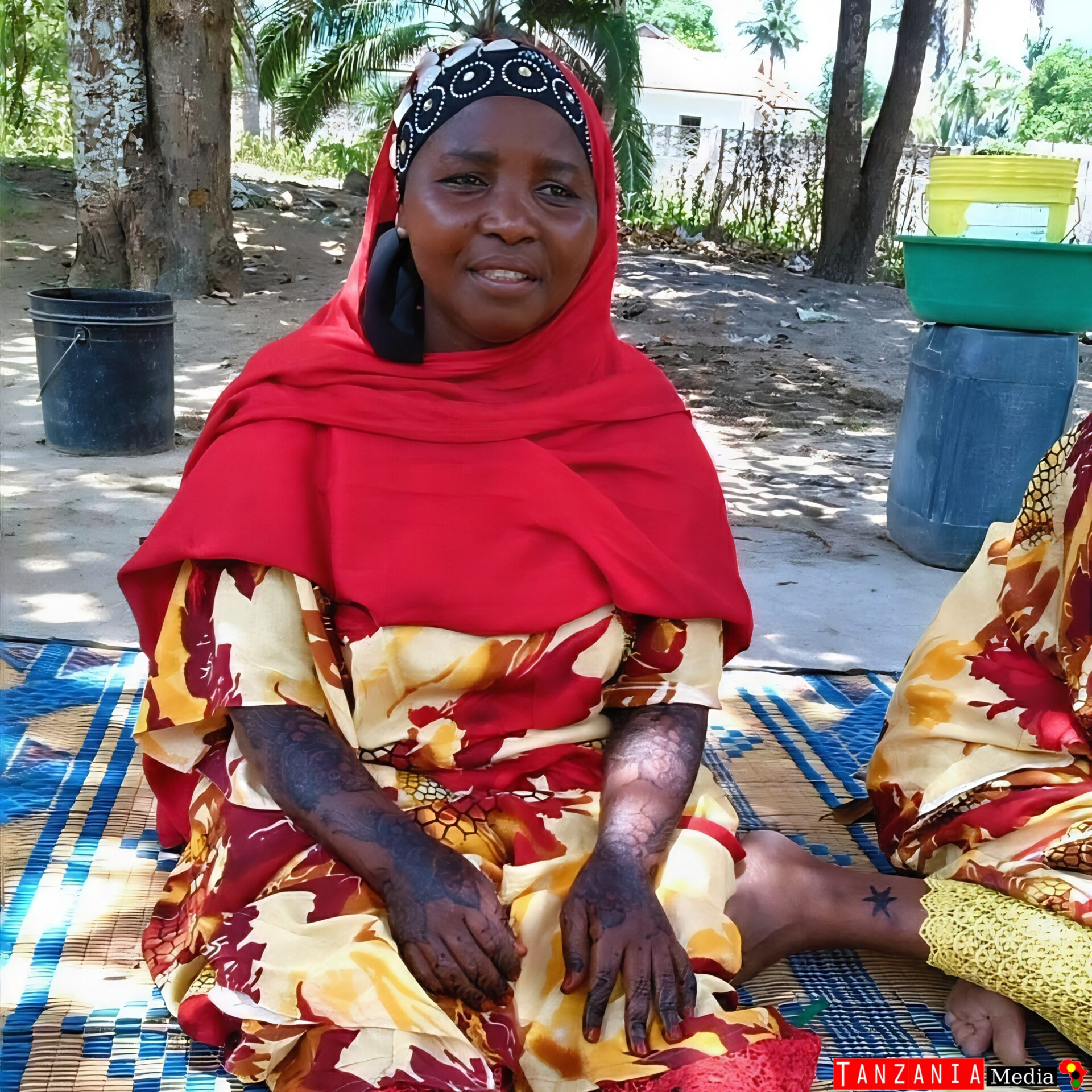 The significance of Witu’s multi-ethnic governance extends beyond the historical to the political, the social, and the cultural. The model demonstrated the capacity of the African communities to create inclusive and effective political systems, challenging the colonial narratives that presented Africa as a continent of tribal conflict and ethnic division. The model also provided a blueprint for the contemporary challenges of the ethnic diversity and the political inclusion, reminding us of the importance of the dialogue, the cooperation, and the mutual respect.
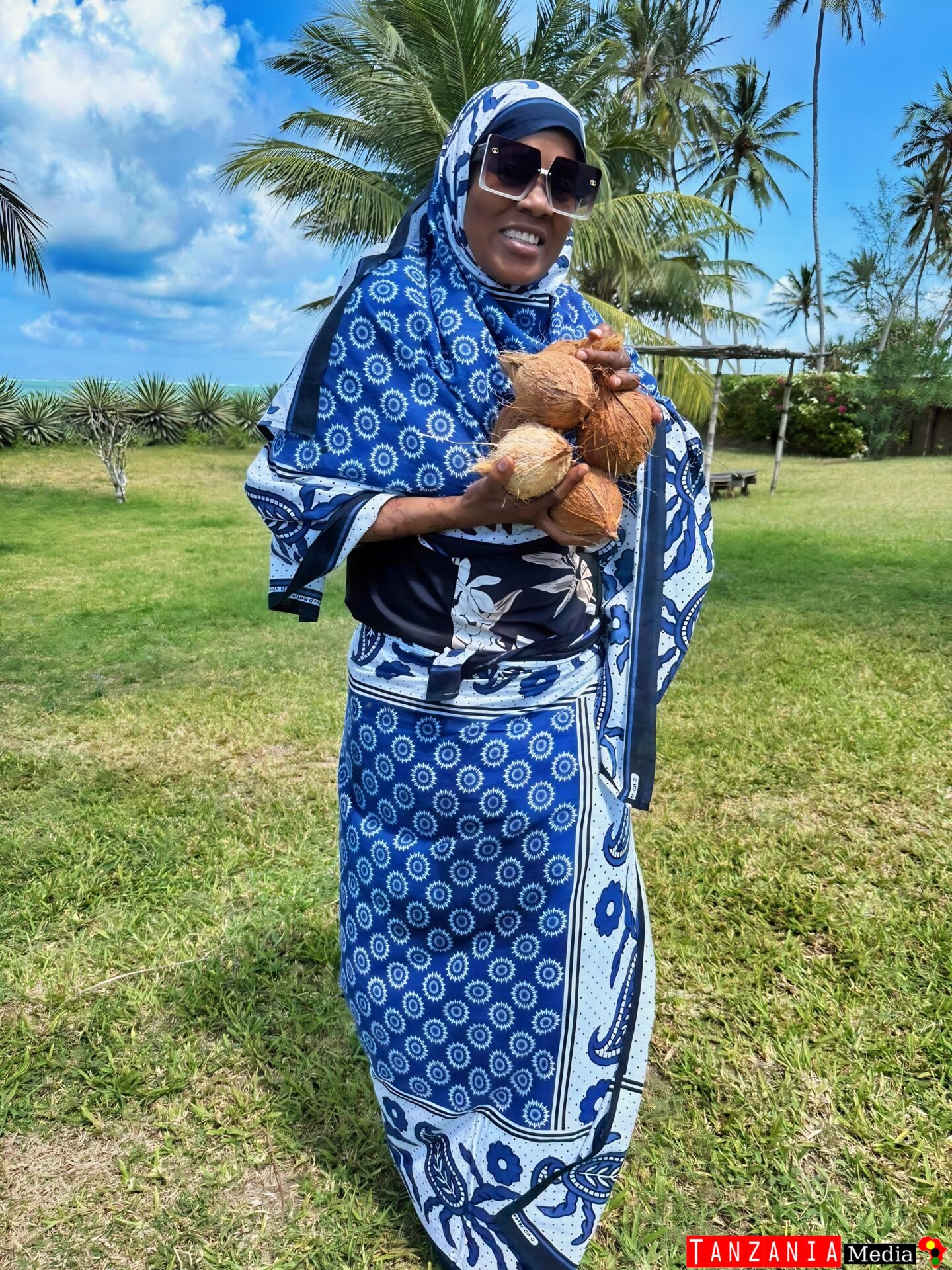 The movement also draws on the grievances of the coastal communities, including the economic marginalisation, the political exclusion, and the cultural alienation. The movement argues that the coastal communities have been neglected and exploited by the central government, and that they deserve a greater autonomy and a greater share of the resources.
 The poetry also created new forms of the social solidarity. The poetry expressed the shared experiences and the shared values of the Swahili people, and it often brought the communities together in the common struggle.
The Swahili in the Modern Era
-
The Revolution’s Children: The 1964 Zanzibar Uprising and the Forging of a Diaspora Identity
Introduction: The Tides That Scattered a People
“Maji yanaporudi baharini, yanaacha alama kwenye mwamba” — When the waters return to the sea, they leave marks on the rock.
This Swahili adage captures the enduring legacy of the 1964 Zanzibar Revolution. The revolutionary tide that swept across the island forced thousands of Swahili-speaking Omani families to flee, scattering them across the Indian Ocean world. Yet the waters of that upheaval left indelible marks on the collective memory, the identity, and the cultural consciousness of a diaspora community that continues to navigate between its East African roots and its Arabian homeland.
The 1964 revolution in Zanzibar, which ended the Omani sultanate, forced many Swahili-speaking Omani to return to Oman, creating a diaspora community with a distinct identity. This was not a mere migration but a traumatic rupture—a violent upheaval that severed families from their homes, their property, and their sense of belonging. The revolution transformed the Zanzibari Omani community from rulers and settlers into refugees and exiles, their identities forever shaped by the experience of displacement and loss .
The significance of this diaspora extends beyond the demographic to the political, the social, and the cultural. The Zanzibari Omani community in Oman preserves a distinct identity, speaking Swahili in their homes, maintaining East African cultural practices, and holding onto the memories of their island homeland . Their presence has influenced Omani national identity and development, as they brought skills, education, and a cosmopolitan outlook to a country that was undergoing its own transformation under Sultan Qaboos .
The Historical Context: Omani Rule and the Seeds of Revolution
The Zanzibar Revolution of 1964 must be understood within the context of centuries of Omani presence on the Swahili Coast. The Omani sultans of the Al-Bu Saidi dynasty had ruled Zanzibar since the 18th century, establishing a plantation economy based on clove cultivation and slave labour that created a rigid social hierarchy .
By the time of Zanzibar’s independence from Britain in December 1963, tensions between the Arab minority and the African majority had reached a breaking point. The Arab elite, who had dominated the political and economic institutions of the island for generations, were increasingly resented by the African population, who had been marginalised and excluded from power .
The revolution erupted in January 1964, just weeks after independence. The uprising was swift and brutal, with thousands of Arabs killed in the violence . The new government, led by the Afro-Shirazi Party, declared a republic and began a systematic campaign to eliminate the Arab presence from the island .
“Maji yanaporudi baharini, yanaacha alama kwenye mwamba” — When the waters return to the sea, they leave marks on the rock. This adage captures the enduring legacy of the revolution, which left indelible marks on the collective memory of the Zanzibari Omani community.
The Violence and the Exodus
The violence of the revolution was devastating and traumatic. British officials initially estimated that between 400 and 1,000 Arabs had been killed, but by April 1964, the estimates had risen to between 5,000 and 6,000 . Thousands more were detained in camps, where they were held for weeks before being released or deported .
The exodus was chaotic and desperate. The survivors fled to Kenya, Dubai, Abu Dhabi, Egypt, Saudi Arabia, and Oman. Many had to rely on humanitarian organisations, including the Red Cross and the United Nations High Commissioner for Refugees, to secure their passage . The Dutch government, for instance, was unaware that a ship it had chartered was carrying “refugees” to safety .
The Omani Sultan, who was a cousin of the deposed Zanzibar Sultan, initially accepted about 3,500 refugees, but he was reluctant to accept all those who had fled. By the summer of 1964, there were still over 1,000 people waiting to leave Zanzibar, many of them children, and the Sultan’s government insisted on screening those who sought entry .
The Formation of a Diaspora Community
The Zanzibari Omani who arrived in Oman formed a distinct diaspora community, characterised by their shared language, culture, and memories of East Africa. Today, whole communities in Muscat speak Swahili, have recent East African roots, and practice forms of sociality associated with the urban culture of the Swahili coast .
The diaspora identity is both preserved and contested. Within Oman, the Zanzibari Omani are distinguished from other Omanis by their cultural practices, their language, and their historical experiences. Yet they also face hierarchies of belonging, with some Omanis questioning their “purity” or their “Omaniness” . The anthropologist Marc Valeri has noted that Omanis of East African origin have had to give guarantees of their full belonging to the Omani nation, facing prejudices from the population who stayed at home .
Despite these challenges, the Zanzibari Omani have played a significant role in the development of modern Oman. Many of them were educated, spoke English fluently, and had technical skills that were in demand when Sultan Qaboos launched his modernisation programme after 1970 . The Sultan himself called for the return of Omani nationals abroad, and many Zanzibari Omani answered that call, contributing to the rebuilding of their ancestral homeland.
The Political Economy of the Diaspora
The political economy of the Zanzibari Omani diaspora is shaped by their historical relationship to both East Africa and the Arabian Gulf. In Zanzibar, they had been the political and economic elite, controlling the plantation economy and the trade networks. In Oman, they arrived as refugees, often with little more than their memories and their skills.
Over time, many Zanzibari Omani have established themselves in business, education, and government. Their cosmopolitan background and their knowledge of East Africa have made them valuable intermediaries in the economic and diplomatic relations between Oman and the East African countries .
The diaspora has also maintained economic and cultural ties to East Africa. The Zanzibari Omani in Oman continue to trade with East Africa, and they have supported the development of Swahili cultural institutions and the preservation of their heritage.
The Social Organisation of the Diaspora
The social organisation of the Zanzibari Omani diaspora is based on kinship, marriage, and community networks. The community maintains its distinct identity through endogamous marriages, which preserve the genealogical ties to East Africa . As the anthropologist Marc Valeri notes, there are distinctions between Zanzibari Omanis who have maintained genealogical purity and those who are of “mixed” descent because their ancestors intermarried with non-Arabs .
The community also maintains its distinct identity through cultural practices, including the use of Swahili in the home, the preparation of East African cuisine, and the wearing of traditional Omani clothing that reflects the East African influence .
The religious institutions also play a role in preserving the diaspora identity. The Ibadi Muslim schools in Zanzibar and Oman have been central to the preservation of the community’s identity and the maintenance of its distinct religious tradition .
The Cultural Significance of the Diaspora
The Zanzibari Omani diaspora has profound cultural significance for both Oman and the Swahili Coast. For Oman, the diaspora represents a tangible connection to the country’s maritime and colonial past. The Omani Zanzibaris offer the most significant contemporary example of an Afro-Arab community that maintains a living connection to Africa in a diasporic setting .
For the Swahili Coast, the diaspora represents a continuation of the centuries-old relationship between East Africa and the Arabian Gulf. The Swahili language and culture continue to thrive in Oman, and the diaspora has contributed to the preservation of Swahili identity in the face of political and economic pressures .
The Enduring Legacy of the 1964 Revolution
The legacy of the 1964 revolution is still evident today in the culture, the language, and the identity of the Zanzibari Omani diaspora. The traumatic memories of the revolution have shaped the community’s identity and its relationship to both Zanzibar and Oman .
In Zanzibar, the revolution has shaped the political and social landscape, with the Omani diaspora continuing to maintain cultural and economic ties to the island. In Oman, the diaspora has contributed to the development of the country and the preservation of its Indian Ocean heritage .
The legacy is also evident in the contemporary relations between Oman and Zanzibar. The two countries have re-established diplomatic relations, and there is a growing interest in the shared history and culture that connects them.
Conclusion: The Marks That Still Remain
“Maji yanaporudi baharini, yanaacha alama kwenye mwamba” — When the waters return to the sea, they leave marks on the rock. This adage, in its full meaning, captures the enduring significance of the 1964 Zanzibar Revolution and the diaspora community it created. The revolutionary tide has receded, but the marks it left on the Zanzibari Omani community—their identity, their culture, and their memory—remain.
The 1964 revolution in Zanzibar, which ended the Omani sultanate, forced many Swahili-speaking Omani to return to Oman, creating a diaspora community with a distinct identity. This was not a mere migration but a traumatic rupture that severed families from their homes and their sense of belonging.
The legacy of this diaspora is still evident today, in the culture, the language, and the identity of the Zanzibari Omani community. The marks that were left on the rock are still visible, still shaping the lives of the diaspora communities, still connecting them to their East African roots and their Arabian homeland. The marks are not merely a historical memory but a living reality, a source of identity and resilience, a framework for cultural and political engagement, and a basis for participation in the wider world. The marks that were left on the rock are still visible, and the Zanzibari Omani are still carrying them, still preserving them, and still shaping the future that they desire.
-
The Architects of a New Dawn: The Role of the “Back-from-Africa” Omani in the Modernisation of Oman
Introduction: The Returning Tide That Lifted a Nation
“Maji yanaporudi baharini, yanabeba hazina kutoka nchi za mbali” — When the waters return to the sea, they carry treasures from distant lands.
This Swahili adage captures the profound contribution of the “back-from-Africa” Omani to the modernisation of their ancestral homeland. The returning tide of migration, which followed Sultan Qaboos’s accession in 1970, carried with it a treasure of skills, education, and a cosmopolitan outlook forged in the crucible of East Africa. These returning Omanis were not merely refugees or returnees; they were the architects of a new dawn, the builders of a modern state that emerged from the shadows of isolation.
The “back-from-Africa” Omani, many of whom had lived in East Africa for generations, played a key role in the modernisation of Oman after Sultan Qaboos’s accession in 1970. This was not a matter of mere demographic addition but a fundamental transformation of the Omani state and society. The returnees brought with them the education, the technical skills, and the administrative experience that were essential for the rapid development of the country, and they filled the critical positions that the nascent state could not otherwise staff .
The significance of this contribution extends beyond the economic to the political, the social, and the cultural. The returnees helped to shape the national identity of the new Oman, contributing to the diversity and the cosmopolitanism of the state. They also brought with them the Swahili language and the East African culture, which have become an integral part of the Omani cultural landscape. The returning tide, which carried the treasures of distant lands, helped to lift the nation of Oman to new heights.
The Call of the Sultan: Qaboos’s Appeal to the Diaspora
Sultan Qaboos bin Said, who ascended to the throne in a bloodless coup on 23 July 1970, inherited a country that was isolated, impoverished, and divided. The previous Sultan, Said bin Taimur, had pursued a policy of isolation, restricting contact with the outside world and suppressing education and development. Oman was a country that had been left behind by the currents of history.
Qaboos’s vision was to transform Oman into a modern state, integrated into the global economy and the international community. He recognised that he could not achieve this vision without the human resources that were essential for the development. He called upon the Omanis who had left the country, particularly those who had settled in East Africa, to return and to contribute to the rebuilding of their homeland .
The call to the diaspora was a strategic move. The Omanis in East Africa were often more educated, more skilled, and more cosmopolitan than those who had remained in Oman. They had been exposed to the modern education, the modern administration, and the modern economy, and they possessed the knowledge and the experience that were essential for the development of Oman .
The call was also a symbolic move. Qaboos sought to create a new national identity that was inclusive and unified, and the return of the diaspora was a way of healing the divisions of the past and of bringing the Omani people together.
The “Back-from-Africa” Omani: A Pool of Skilled Labour
The “back-from-Africa” Omani, many of whom had lived in East Africa for generations, represented a pool of skilled labour that was essential for the modernisation of Oman. The returnees included teachers, doctors, engineers, administrators, and other professionals, who possessed the education and the experience that were in short supply in Oman .
The returnees filled the critical positions in the Omani state and society. They served as the civil servants, the diplomats, the managers, and the professionals who built the institutions of the modern state. They also served as the entrepreneurs, the traders, and the merchants who revived the economy and who connected Oman to the global markets .
The contribution of the returnees was particularly significant in the early years of the Qaboos era, when the country lacked the human resources to staff the new ministries, the new schools, and the new hospitals. The returnees provided the expertise and the experience that were essential for the rapid development of the country .
The Role in Nation-Building and Identity Formation
The “back-from-Africa” Omani played a significant role in the nation-building and the identity formation of the new Oman. The returnees brought with them their own identities, their own cultures, and their own experiences, which enriched the diversity and the cosmopolitanism of the Omani state.
The returnees also contributed to the development of a new national identity, which was both Omani and modern. They adopted the Omani nationality, the Omani citizenship, and the Omani identity, but they also maintained their Swahili language, their East African customs, and their Zanzibari memories. The identity of the returnees was a hybrid identity, which reflected the complex history and the diverse heritage of the Indian Ocean world .
The returnees also faced challenges in the process of the identity formation. They were often perceived as “different” by the Omanis who had remained in Oman, and they were sometimes subjected to the prejudices and the discriminations. The returnees had to prove their Omani identity and their loyalty to the Sultan, and they often adopted the strategies of the cultural assimilation and the political accommodation .
Despite these challenges, the returnees developed a new collective identity, which was based on their shared history, their shared culture, and their shared experiences. The identity was a source of solidarity and resilience, and it enabled the returnees to navigate the complexities of the Omani society and to contribute to the development of the modern state.
The Legacy of the Returnees
The legacy of the “back-from-Africa” Omani is still evident today in the culture, the language, and the identity of Oman. The returnees have left a lasting imprint on the Omani society, and their contributions continue to shape the development of the country.
The Swahili language, which the returnees brought with them from East Africa, is still spoken in Oman, and it is the second language of the country. The Swahili cuisine, the Swahili music, and the Swahili customs are also part of the Omani cultural landscape .
The returnees have also left a lasting imprint on the Omani economy. The returnees have established businesses, have created jobs, and have contributed to the economic development of the country. The returnees have also maintained the economic ties with East Africa, and they have facilitated the trade and the investment between Oman and the East African countries .
Conclusion: The Tide That Still Lifts
“Maji yanaporudi baharini, yanabeba hazina kutoka nchi za mbali” — When the waters return to the sea, they carry treasures from distant lands. This adage, in its full meaning, captures the enduring significance of the “back-from-Africa” Omani in the modernisation of Oman. The returning tide of migration carried with it a treasure of skills, education, and a cosmopolitan outlook that transformed the country and lifted it to new heights.
The “back-from-Africa” Omani, many of whom had lived in East Africa for generations, played a key role in the modernisation of Oman after Sultan Qaboos’s accession in 1970. The returnees brought with them the education, the technical skills, and the administrative experience that were essential for the rapid development of the country.
The legacy of this contribution is still evident today, in the culture, the language, and the identity of Oman. The waters that returned to the sea are still carrying the treasures of distant lands, still enriching the Omani society, and still shaping the development of the country. The treasures are not merely a historical memory but a living reality, a source of diversity and resilience, a framework for economic and cultural engagement, and a basis for the participation in the wider world. The waters that returned to the sea are still carrying the treasures, and the Omani people are still receiving them, still cherishing them, and still shaping the future that they desire.
-
The Struggle for Belonging: Prejudice and the Quest for Acceptance Among the “Back-from-Africa” Omani
Introduction: The Stranger in Their Own Homeland
“Mgeni nyumbani kwake ni mgeni, lakini mwana aliyerudi ni mwana” — A guest in his own home is a guest, but a returned child is a child.
This Swahili adage captures the painful irony of the “back-from-Africa” Omani experience. They had returned to their ancestral homeland, believing that they were coming home—that they would be welcomed as children returning to their father’s house. Instead, they often found themselves treated as guests, as strangers, as outsiders who had to prove their belonging. The returned child, who should have been embraced without question, was subjected to scrutiny, suspicion, and the demand for guarantees.
Despite their contributions, the returnees faced prejudices from the population who had stayed at home and were forced to give guarantees of their full belonging to the Omani nation. This prejudice was not a minor inconvenience but a fundamental challenge to their identity and their sense of self. The returnees, who had left Oman generations ago and had maintained their Omani identity in the diaspora, were now forced to prove their Omaniness to those who had never left.
The significance of this prejudice extends beyond the personal to the social, the political, and the cultural. The prejudice revealed the deep divisions within Omani society, the hierarchies of belonging that persisted despite the rhetoric of national unity. The prejudice also revealed the complexities of identity formation in the post-colonial state, where the categories of “native” and “foreigner” were contested and negotiated. The prejudice also shaped the identity of the returnees, who were forced to develop strategies of survival and adaptation in the face of the exclusion.
The Nature of the Prejudices
The prejudices faced by the “back-from-Africa” Omani were multifaceted and deeply rooted in the social and cultural context of Oman. The returnees were perceived as different from the Omanis who had remained in the country, and these differences were often the basis for the discrimination and the exclusion.
The returnees were often perceived as less Arab and more African, which was a source of prejudice in a society that valued Arabness as a marker of status and identity. The returnees, who spoke Swahili as their first language and who often looked more African than Arabian, were sometimes subjected to the racial prejudice and the ethnic discrimination.The returnees were also perceived as less Omani and more Zanzibari, which was a source of prejudice in a society that was seeking to build a unified national identity. The returnees, who had lived in Zanzibar for generations and who often maintained their Zanzibari identity, were sometimes seen as outsiders who did not truly belong to Oman.
The returnees were also perceived as more educated and more sophisticated, which was a source of resentment among the Omanis who had remained in the country. The returnees, who had access to the modern education and the cosmopolitan culture, were sometimes seen as arrogant and as out of touch with the realities of Omani life.
“Mgeni nyumbani kwake ni mgeni, lakini mwana aliyerudi ni mwana” — A guest in his own home is a guest, but a returned child is a child. This adage captures the painful irony of the returnees’ experience, who were treated as guests rather than as returning children.
The Demand for Guarantees of Belonging
The returnees were forced to give guarantees of their full belonging to the Omani nation. These guarantees were not merely symbolic but substantive, involving the adoption of the Omani identity, the rejection of the African identity, and the demonstration of the loyalty to the Sultan and the state.
The returnees had to prove their Omani ancestry, which often required the documentation of the genealogies and the maintenance of the kinship networks. The returnees also had to adopt the Omani dress, the Omani customs, and the Omani language, which often involved the suppression of their Swahili identity and their East African culture.
The returnees also had to prove their loyalty to the Sultan and the state, which often involved the participation in the national institutions and the support for the national policies. The returnees also had to prove their commitment to the Islamic faith, which often involved the rejection of the African religious practices and the adoption of the Omani religious practices.
The demand for guarantees was a source of tension and conflict for the returnees. The returnees were forced to negotiate their identities, to balance their Omani and their African heritages, and to navigate the complex terrain of the Omani society.
The Social and Political Implications of the Prejudice
The prejudice faced by the returnees had profound social and political implications for the Omani society. The prejudice revealed the deep divisions within the society, the hierarchies of belonging that persisted despite the rhetoric of the national unity.
The prejudice also created new forms of social differentiation. The returnees were often concentrated in the lower-status occupations, and they were often excluded from the positions of power and influence. The returnees were also often subjected to the social exclusion and the cultural marginalisation, which made it difficult for them to integrate into the Omani society.
The prejudice also created new forms of political tension. The returnees, who had been called to return to Oman by Sultan Qaboos, were often perceived as the allies of the Sultan and the state. The returnees were also often perceived as the competitors for the resources and the opportunities, which created the resentment and the conflict.
The Strategies of Adaptation and Resistance
The returnees developed a range of strategies to adapt to the prejudice and to resist the exclusion. These strategies included the cultural assimilation, the political accommodation, and the community solidarity.
The cultural assimilation involved the adoption of the Omani identity, the Omani dress, and the Omani customs. The returnees often suppressed their Swahili language and their East African culture, seeking to become more Omani and less African. The assimilation was a way of gaining the acceptance and of avoiding the discrimination.
The political accommodation involved the support for the Sultan and the state, and the participation in the national institutions. The returnees often aligned themselves with the political establishment, seeking to gain the protection and the patronage. The accommodation was a way of securing the position and of advancing the interests.
The community solidarity involved the maintenance of the Swahili language, the East African culture, and the Zanzibari identity. The returnees often formed the community associations, the cultural organisations, and the social networks, seeking to preserve their heritage and to resist the assimilation. The solidarity was a way of maintaining the identity and of resisting the exclusion.
The Formation of a New Collective Identity
The returnees developed a new collective identity, which was based on their shared history, their shared culture, and their shared experiences of the prejudice and the exclusion. The identity was a hybrid identity, which reflected the complex history and the diverse heritage of the returnees.
The identity was Swahili and Omani, African and Arabian, Zanzibari and Omani. The identity was also a modern identity, which reflected the experiences of the diaspora and the challenges of the integration. The identity was a source of solidarity and resilience, and it enabled the returnees to navigate the complexities of the Omani society.
The Enduring Legacy of the Prejudice
The legacy of the prejudice is still evident today in the culture, the language, and the identity of the “back-from-Africa” Omani. The returnees have maintained their distinct identity, despite the pressures of the assimilation and the integration.
The legacy is also evident in the social and political dynamics of the Omani society. The divisions between the returnees and the “home” Omanis have persisted, and they continue to shape the patterns of the social interaction and the political participation.
Conclusion: The Children Who Still Seek Belonging
“Mgeni nyumbani kwake ni mgeni, lakini mwana aliyerudi ni mwana” — A guest in his own home is a guest, but a returned child is a child. This adage, in its full meaning, captures the enduring struggle for belonging that the “back-from-Africa” Omani continue to face. The returned children, who should have been embraced without question, have often been treated as guests, as strangers, as outsiders.
Despite their contributions, the returnees faced prejudices from the population who had stayed at home and were forced to give guarantees of their full belonging to the Omani nation. This prejudice was not a minor inconvenience but a fundamental challenge to their identity and their sense of self.
The legacy of this prejudice is still evident today, in the culture, the language, and the identity of the “back-from-Africa” Omani. The children who returned home are still seeking belonging, still navigating the complexities of the Omani society, and still shaping the future that they desire. The struggle for belonging is not merely a historical memory but a living reality, a source of resilience and creativity, a framework for cultural and political engagement, and a basis for the participation in the wider world. The children who returned home are still seeking belonging, and they are still contributing, still building, and still shaping the Oman that they desire.
-
The Bonds of Language: The Swahili-Speaking Omani and the Forging of a Modern ‘Asabiyya
Introduction: The Thread That Weaves a Community
“Lugha ni uzi unaofuma jamii” — Language is the thread that weaves a community.
This Swahili adage captures the essence of the new collective identity that has emerged among the Swahili-speaking Omani. The language, which they brought with them from the shores of East Africa, has become the thread that weaves them together as a community, binding them across the distances of geography and the divisions of social status. The thread of language has created a fabric of solidarity, a modern ‘asabiyya that sustains them within the framework of the Omani state.
The Swahili-speaking Omani have developed a new collective identity based on their shared vernacular language and experiences, forming a modern ‘asabiyya (group feeling) within the framework of the Omani state. This identity is not a return to the tribal or the ethnic solidarities of the past but a new form of social cohesion, shaped by the experiences of the diaspora, the challenges of the integration, and the opportunities of the modern state.
The significance of this identity extends beyond the cultural to the social, the political, and the economic. The ‘asabiyya provides a source of solidarity and support for the Swahili-speaking Omani, enabling them to navigate the complexities of the Omani society and to assert their interests. The ‘asabiyya also provides a source of identity and pride, enabling the Swahili-speaking Omani to maintain their distinctiveness and to contribute to the diversity of the Omani nation.
The Concept of ‘Asabiyya
The concept of ‘asabiyya, which was introduced by the great Arab historian Ibn Khaldun, refers to the group feeling or the social solidarity that binds the members of a community together. The ‘asabiyya is the source of the cohesion and the strength of the group, and it enables the group to achieve the political and the social success.
The ‘asabiyya is not a fixed or a static category but a dynamic and a evolving one, shaped by the changing circumstances and the new experiences. The ‘asabiyya can be based on the kinship, the lineage, the ethnicity, the religion, or the language, and it can be forged through the shared history, the shared culture, and the shared experiences.
The modern ‘asabiyya of the Swahili-speaking Omani is a new form of the group feeling, which is based on the shared vernacular language and the shared experiences of the diaspora and the integration. The ‘asabiyya is not a return to the tribal or the ethnic solidarities of the past but a new form of the social cohesion, adapted to the conditions of the modern state.
“Lugha ni uzi unaofuma jamii” — Language is the thread that weaves a community. This adage captures the role of the Swahili language in weaving the ‘asabiyya of the Swahili-speaking Omani.
The Shared Vernacular Language
The shared vernacular language is the foundation of the new collective identity of the Swahili-speaking Omani. The Swahili language, which they brought with them from East Africa, is the thread that weaves the community together, enabling the communication, the interaction, and the solidarity.
The Swahili language is spoken in the homes of the Swahili-speaking Omani, and it is used in the social gatherings, the cultural events, and the religious ceremonies. The language is a source of identity and pride, and it enables the Swahili-speaking Omani to maintain their connection to their East African heritage.
The Swahili language is also a marker of the distinction and the difference. The Swahili-speaking Omani are distinguished from the other Omanis by their language, and they often use the language to assert their identity and to resist the assimilation.
The Swahili language is also a source of the solidarity and the support. The Swahili-speaking Omani use the language to build the networks of the mutual aid, the cooperation, and the trust, and they often rely on the language to navigate the complexities of the Omani society.
The Shared Experiences of the Diaspora
The shared experiences of the diaspora are another important foundation of the new collective identity of the Swahili-speaking Omani. The diaspora, which began with the migration of the Omanis to East Africa and which continued with the return of the Omanis to their ancestral homeland, has shaped the identity and the consciousness of the Swahili-speaking Omani.
The diaspora has given the Swahili-speaking Omani a shared history, a shared culture, and a shared sense of the belonging and the displacement. The diaspora has also given them a shared experience of the prejudice and the discrimination, which has strengthened the solidarity and the resistance.
The diaspora has also given the Swahili-speaking Omani a shared set of the skills, the knowledge, and the values. The Swahili-speaking Omani are often more educated, more cosmopolitan, and more adaptable than the other Omanis, and they have used these skills to navigate the complexities of the Omani society and to contribute to the development of the country.
The Framework of the Omani State
The framework of the Omani state is another important context for the new collective identity of the Swahili-speaking Omani. The Omani state, which has been built under the leadership of Sultan Qaboos, has provided a framework for the integration and the participation of the Swahili-speaking Omani.
The Omani state has recognised the Swahili-speaking Omani as the citizens of the country, and it has provided them with the rights and the opportunities of the citizenship. The state has also recognised the diversity of the Omani society, and it has sought to include the Swahili-speaking Omani in the national institutions and the national identity.
The Omani state has also provided a framework for the expression of the identity and the solidarity. The state has permitted the formation of the cultural associations, the community organisations, and the social networks, which have enabled the Swahili-speaking Omani to maintain their identity and to assert their interests.The Social Implications of the ‘Asabiyya
The ‘asabiyya of the Swahili-speaking Omani has profound social implications for the Omani society. The ‘asabiyya provides a source of the solidarity and the support for the Swahili-speaking Omani, enabling them to navigate the complexities of the society and to assert their interests.
The ‘asabiyya also creates new forms of the social interaction and the social organisation. The Swahili-speaking Omani often interact with each other, through the marriage, the friendship, and the cultural events, and they often form the community networks that provide the mutual aid and the cooperation.
The ‘asabiyya also creates new forms of the social identity. The Swahili-speaking Omani identify themselves as the Swahili-speaking Omani, and they distinguish themselves from the other Omanis by their language, their culture, and their experiences.
The Political Economy of the ‘Asabiyya
The political economy of the ‘asabiyya is based on the control of the resources, the organisation of the production, and the regulation of the exchange. The Swahili-speaking Omani have used their ‘asabiyya to control the resources, to organise the production, and to regulate the exchange.
The Swahili-speaking Omani have often controlled the trade and the commerce, and they have used their networks to access the markets and to accumulate the wealth. The Swahili-speaking Omani have also often served as the intermediaries between Oman and East Africa, facilitating the trade and the investment.
The Swahili-speaking Omani have also often occupied the positions of the influence and the authority. The Swahili-speaking Omani have served in the government, the military, and the other institutions, and they have used their positions to advance their interests and to support their community.
The Enduring Legacy of the ‘Asabiyya
The legacy of the ‘asabiyya of the Swahili-speaking Omani is still evident today in the culture, the language, and the identity of the Omani society. The ‘asabiyya has contributed to the diversity and the richness of the Omani culture, and it has provided a source of the solidarity and the resilience for the Swahili-speaking Omani.
The legacy is also evident in the contemporary politics of the Omani society. The ‘asabiyya continues to shape the patterns of the social interaction and the political participation, and it continues to influence the distribution of the resources and the opportunities.
Conclusion: The Thread That Still Weaves
“Lugha ni uzi unaofuma jamii” — Language is the thread that weaves a community. This adage, in its full meaning, captures the enduring significance of the ‘asabiyya of the Swahili-speaking Omani. The Swahili language, which they brought with them from the shores of East Africa, is the thread that weaves them together as a community, binding them across the distances of geography and the divisions of social status.
The Swahili-speaking Omani have developed a new collective identity based on their shared vernacular language and experiences, forming a modern ‘asabiyya (group feeling) within the framework of the Omani state. This identity is not a return to the tribal or the ethnic solidarities of the past but a new form of social cohesion, shaped by the experiences of the diaspora, the challenges of the integration, and the opportunities of the modern state.
The legacy of this ‘asabiyya is still evident today, in the culture, the language, and the identity of the Omani society. The thread that weaves the community is still weaving, still binding the Swahili-speaking Omani to each other and to their homeland. The thread is not merely a historical memory but a living reality, a source of solidarity and resilience, a framework for cultural and political engagement, and a basis for the participation in the wider world. The thread that weaves the community is still weaving, and the Swahili-speaking Omani are still speaking, still connecting, and still shaping the future that they desire.
-
The Melodies of Connection: Indian Taarab and the Fusion of Swahili and South Asian Cultures
Introduction: The Song That Crossed the Ocean
“Wimbo wa India unaimba hadithi ya bahari” — An Indian song sings the story of the ocean.
This Swahili adage captures the essence of Indian taarab music, a distinctive Swahili cultural form that embodies the intimate connections between coastal Africans and South Asians. The melodies that crossed the Indian Ocean carried not only the tunes of Hindi films but also the stories of centuries of cultural exchange, trade, and human connection. The songs sing of the ocean that connects rather than divides, of the shared histories and the shared experiences that bind the peoples of the Swahili Coast to the peoples of the Indian subcontinent.
Indian taarab music, which features Swahili words set to melodies from Hindi film songs, represents a distinctive Swahili cultural form that explores the intimate connections between coastal Africans and South Asians. This musical genre is not a mere borrowing or imitation but a creative synthesis, a new cultural expression that reflects the complex and layered history of the Indian Ocean world.
The significance of Indian taarab extends beyond the aesthetic to the social, the cultural, and the political. The music provides a window into the intimate connections between the Swahili and the South Asian communities, connections that have been forged through centuries of trade, intermarriage, and cultural exchange. The music also challenges the rigid categories of identity that have been imposed by the colonial and the post-colonial states, revealing the fluidity and the hybridity of the Indian Ocean identities.
The Origins of Indian Taarab
Indian taarab emerged as a distinctive musical genre in the mid-20th century, when the Swahili musicians began to set the Swahili poetry to the melodies of the Hindi film songs. The genre was a product of the cultural exchange between the Swahili Coast and South Asia, which had been ongoing for centuries through the Indian Ocean trade.
The Hindi film music, which was itself a fusion of the Indian classical, the folk, and the Western influences, provided a rich source of the melodies and the rhythms that the Swahili musicians could adapt to their own cultural context. The Swahili musicians, who were already familiar with the Islamic and the Arab musical traditions, found in the Hindi film music a new and a exciting way of expressing their own cultural identity.
The Indian taarab was also a product of the social and the cultural context of the Swahili Coast. The genre emerged during a period of the significant social and cultural change, as the Swahili communities were grappling with the challenges of the colonialism, the nationalism, and the modernity. The Indian taarab provided a way of expressing the new identities and the new aspirations, and it enabled the Swahili to explore their connections to the wider Indian Ocean world.
“Wimbo wa India unaimba hadithi ya bahari” — An Indian song sings the story of the ocean. This adage captures the origins of Indian taarab, which emerged from the cultural exchange across the Indian Ocean.
The Musical Characteristics of Indian Taarab
Indian taarab is characterised by the fusion of the Swahili language and the Hindi film melodies. The Swahili words, which are often the poetry of love, loss, and longing, are set to the melodies of the Hindi film songs, creating a new and a distinctive musical expression.
The Swahili poetry, which is an integral part of the Indian taarab, reflects the cultural values and the social norms of the Swahili communities. The poetry often explores the themes of the love, the separation, the longing, and the identity, and it is often infused with the Islamic and the Sufi motifs.
The Hindi film melodies, which provide the musical foundation for the Indian taarab, reflect the cultural values and the social norms of the South Asian communities. The melodies often explore the themes of the romance, the drama, and the emotion, and they are often infused with the Indian classical and the folk traditions.
The fusion of the Swahili poetry and the Hindi film melodies creates a new and a distinctive musical expression, which is both Swahili and Indian, both local and global. The Indian taarab is a reflection of the cultural hybridity and the cosmopolitanism of the Swahili communities.
The Social Context of Indian Taarab
Indian taarab is not merely a musical genre but a social and a cultural phenomenon, which reflects the intimate connections between the Swahili and the South Asian communities. The music is often performed at the weddings, the festivals, and the other social gatherings, and it is a source of the entertainment, the pleasure, and the social cohesion.
The Indian taarab is also a site of the cultural exchange and the intercultural dialogue. The Swahili musicians, who perform the Indian taarab, often collaborate with the South Asian musicians, who bring their own musical traditions and their own cultural perspectives. The collaboration creates new forms of the musical expression and new forms of the cultural understanding.
The Indian taarab is also a site of the identity formation and the identity negotiation. The Swahili communities use the Indian taarab to explore their own identity and their own connections to the South Asian communities. The music enables the Swahili to express their own cultural values and their own social norms, while also engaging with the cultural values and the social norms of the South Asian communities.
The Cultural Significance of Indian Taarab
Indian taarab has profound cultural significance for the Swahili communities. The music is a reflection of the cultural hybridity and the cosmopolitanism of the Swahili communities, and it is a testament to the creativity and the adaptability of the Swahili culture.
The Indian taarab is also a reflection of the historical and the ongoing connections between the Swahili Coast and South Asia. The music embodies the centuries of the trade, the migration, and the cultural exchange that have connected the two regions, and it is a reminder of the shared history and the shared identity of the Indian Ocean world.
The Indian taarab also challenges the rigid categories of the identity that have been imposed by the colonial and the post-colonial states. The music reveals the fluidity and the hybridity of the Indian Ocean identities, and it enables the Swahili to assert their own identity and their own connections to the wider world.
The Political Economy of Indian Taarab
The political economy of Indian taarab is based on the production, the distribution, and the consumption of the music. The music is produced by the Swahili musicians, who often collaborate with the South Asian musicians, and it is distributed through the recordings, the performances, and the broadcasts.
The production of the Indian taarab is often a collaborative effort, involving the Swahili poets, the Swahili musicians, and the South Asian musicians. The collaboration is a source of the cultural exchange and the intercultural dialogue, and it often creates new forms of the musical expression.
The distribution of the Indian taarab is often through the recordings, which are produced by the local and the international record labels. The recordings are often sold in the markets and the shops, and they are often played on the radio and the television.
The consumption of the Indian taarab is often through the social gatherings, the weddings, the festivals, and the other events. The music is a source of the entertainment, the pleasure, and the social cohesion, and it is often a site of the cultural exchange and the intercultural dialogue.
The Social Implications of Indian Taarab
Indian taarab has profound social implications for the Swahili communities. The music creates new forms of the social interaction and the social cohesion, bringing together the different generations, the different genders, and the different social groups.
The music also creates new forms of the cultural expression and the cultural identity. The Swahili communities use the Indian taarab to express their own cultural values and their own social norms, and they often use the music to explore their own identity and their own connections to the wider world.
The music also creates new forms of the cultural exchange and the intercultural dialogue. The Swahili communities engage with the South Asian communities through the music, and they often develop new forms of the cultural understanding and the mutual respect.
The Enduring Legacy of Indian Taarab
The legacy of Indian taarab is still evident today in the culture, the language, and the identity of the Swahili communities. The music continues to be performed and enjoyed, and it continues to be a source of the cultural expression and the cultural identity.
The legacy is also evident in the contemporary Swahili music, which continues to draw on the influences of the Hindi film music and the South Asian musical traditions.
Conclusion: The Song That Still Sings
“Wimbo wa India unaimba hadithi ya bahari” — An Indian song sings the story of the ocean. This adage, in its full meaning, captures the enduring significance of Indian taarab music. The melodies that crossed the Indian Ocean continue to sing the stories of the connections between the Swahili Coast and South Asia, stories of trade, migration, and cultural exchange.
Indian taarab music, which features Swahili words set to melodies from Hindi film songs, represents a distinctive Swahili cultural form that explores the intimate connections between coastal Africans and South Asians. This musical genre is not a mere borrowing or imitation but a creative synthesis, a new cultural expression that reflects the complex and layered history of the Indian Ocean world.
The legacy of this music is still evident today, in the culture, the language, and the identity of the Swahili communities. The song that crossed the ocean is still singing, still connecting the Swahili to the wider world, still enriching their culture and their identity. The song is not merely a historical memory but a living reality, a source of creativity and connection, a framework for cultural exchange and intercultural dialogue, and a basis for the participation in the wider world. The song that crossed the ocean is still singing, and the Swahili people are still listening, still dancing, and still shaping the future that they desire.
-
The Voice of the Other: Indian Taarab Performers and the Reflection on Identity
Introduction: The Voice That Mirrors the Soul
“Sauti ya mgeni inaakisi roho ya mwenyeji” — The voice of the stranger reflects the soul of the host.
This Swahili adage captures the profound role of Indian taarab performers in enabling Swahili audiences to reflect on their own identity and their relationship to the Indian communities of the coast. The voice of the Indian taarab performer, which was both familiar and strange, served as a mirror in which the Swahili could see themselves and their own complexities. The voice of the stranger reflected the soul of the host, revealing the hidden connections, the unspoken tensions, and the shared histories that bound the Swahili and the Indian communities together.
Indian taarab performers like Juma Bhalo and clowns like Musa Maruf and Mzee Mombasa cultivated “Indian” voices that enabled Swahili audiences to reflect on the enigmatic status of Indian identity in coastal society. These performers were not mere entertainers but cultural commentators, who used their art to explore the complexities of identity, the boundaries of community, and the intimacies of the Indian Ocean world.
The significance of these performers extends beyond the aesthetic to the social, the cultural, and the political. The performers provided a space for the Swahili to engage with the Indian communities, to question their own assumptions, and to explore their own identity. The performers also challenged the rigid categories of identity that had been imposed by the colonial and the post-colonial states, revealing the fluidity and the hybridity of the coastal identities.The Art of the “Indian” Voice
The cultivation of the “Indian” voice was a central feature of the Indian taarab performance. The performers, who were often Swahili or of mixed Swahili-Indian descent, learned to sing in a style that was recognisably Indian, with the distinctive nasal quality, the ornamentation, and the pronunciation that marked the Indian film music.
The “Indian” voice was not a simple imitation but a creative adaptation, a way of performing the Indian identity and of engaging with the Indian culture. The performers used the voice to explore the boundaries between the Swahili and the Indian communities, and they often used the voice to challenge the assumptions and the stereotypes.
The “Indian” voice was also a way of expressing the intimate connections between the Swahili and the Indian communities. The performers, who often had Indian ancestry or who had grown up in the Indian communities, used the voice to express their own hybrid identity and their own sense of belonging.
“Sauti ya mgeni inaakisi roho ya mwenyeji” — The voice of the stranger reflects the soul of the host. This adage captures the role of the Indian voice in reflecting the identity of the Swahili audiences.
Juma Bhalo: The Professor of Indian Taarab
Juma Bhalo was one of the most celebrated Indian taarab performers, known as the “Professor” of the genre. He was a master of the “Indian” voice, and he used his art to explore the complexities of identity and the intimacies of the Indian Ocean world.
Bhalo was born in Tanga, Tanganyika, in 1942, and he began his musical career in the 1950s. He moved to Mombasa in the 1960s, where he became a leading figure in the Indian taarab scene. He recorded numerous albums, and he performed at the weddings, the festivals, and the other social gatherings.
Bhalo’s performances were characterised by the meticulous attention to the detail and the deep understanding of the Swahili poetry and the Hindi film music. He collaborated with the Swahili poets, who wrote the lyrics for his songs, and he often worked with the Indian musicians, who provided the accompaniment.
Bhalo’s performances were also characterised by the exploration of the themes of the love, the loss, and the identity. His songs often expressed the longing for the connection, the pain of the separation, and the search for the belonging.
Musa Maruf: The Clown of the Indian Voice
Musa Maruf was a different type of the Indian taarab performer, known as a clown who used his art to explore the boundaries of identity and to challenge the assumptions of the audiences. He was a master of the comic performance, and he used his “Indian” voice to provoke the laughter and the reflection.
Maruf was a half-Indian, half-Swahili entertainer from Zanzibar, who frequented Mombasa from the 1940s. He was a member of the Nizari Ismaili Muslim community, and he relocated to Mombasa after the 1964 Zanzibar Revolution. He was a talented harmonium player and a singer with a piercing tenor capable of powerful qawwali-style melismata.
Maruf’s performances were characterised by the playful and the subversive use of the “Indian” voice. He often exaggerated the Indian accent, the Indian pronunciation, and the Indian mannerisms, creating a comic effect that exposed the stereotypes and the assumptions. He also often used the Swahili language in the creative and the unexpected ways, creating a new and a distinctive form of the cultural expression.
Mzee Mombasa: The Performer of Multiple Identities
Mzee Mombasa, also known as Junaidi Al Noor, was another notable Indian taarab performer, known for his versatility and his ability to perform multiple identities. He was a Swahili musician and performer who achieved national fame in Kenya, and he was known for his Indian persona as well as his other performances.
Mzee Mombasa began his career as a young man, working on the ships and travelling to South Asia, where he learned the Indian music and the Indian performance styles. He returned to East Africa, where he marketed himself as an Indian musician and a comedian, performing for the Indian and the Swahili audiences.
Mzee Mombasa’s performances were characterised by the fluidity and the hybridity of his identity. He often performed as an Indian man, with the “spot” on his forehead and the exaggerated Indian accent. He also performed as a Swahili man, with the Swahili language and the Swahili customs. He moved between the identities, revealing the constructed nature of the identity and the possibilities of the cultural exchange.
The Social Implications of the Performances
The performances of the Indian taarab artists had profound social implications for the Swahili communities. The performances provided a space for the reflection on the identity, the boundaries of the community, and the relationships with the Indian communities.
The performances also challenged the rigid categories of the identity that had been imposed by the colonial and the post-colonial states. The performers revealed the fluidity and the hybridity of the coastal identities, and they enabled the audiences to question their own assumptions and to explore their own connections to the Indian communities.
The performances also created new forms of the cultural exchange and the intercultural dialogue. The Swahili audiences engaged with the Indian culture through the performances, and they often developed a deeper understanding and a greater appreciation of the Indian communities.
The Cultural Significance of the Performances
The performances of the Indian taarab artists had profound cultural significance for the Swahili communities. The performances were a reflection of the cultural hybridity and the cosmopolitanism of the Swahili communities, and they were a testament to the creativity and the adaptability of the Swahili culture.
The performances also revealed the intimate connections between the Swahili and the Indian communities, connections that had been forged through the centuries of the trade, the migration, and the cultural exchange. The performances were a reminder of the shared history and the shared identity of the Indian Ocean world.
The Enduring Legacy of the Performers
The legacy of the Indian taarab performers is still evident today in the culture, the language, and the identity of the Swahili communities. The performers have left a lasting imprint on the Swahili music and the Swahili culture, and their influence continues to be felt.
The legacy is also evident in the contemporary performances, which continue to draw on the traditions and the techniques of the Indian taarab artists.
Conclusion: The Voice That Still Reflects
“Sauti ya mgeni inaakisi roho ya mwenyeji” — The voice of the stranger reflects the soul of the host. This adage, in its full meaning, captures the enduring significance of the Indian taarab performers. The voice of the stranger, which was both familiar and strange, served as a mirror in which the Swahili could see themselves and their own complexities.
Indian taarab performers like Juma Bhalo and clowns like Musa Maruf and Mzee Mombasa cultivated “Indian” voices that enabled Swahili audiences to reflect on the enigmatic status of Indian identity in coastal society. These performers were not mere entertainers but cultural commentators, who used their art to explore the complexities of identity, the boundaries of community, and the intimacies of the Indian Ocean world.
The legacy of these performers is still evident today, in the culture, the language, and the identity of the Swahili communities. The voice that reflected the soul of the host is still singing, still enabling the Swahili to reflect on their own identity and their own connections to the wider world. The voice is not merely a historical memory but a living reality, a source of creativity and reflection, a framework for cultural exchange and intercultural dialogue, and a basis for the participation in the wider world. The voice that reflected the soul of the host is still singing, and the Swahili people are still listening, still reflecting, and still shaping the future that they desire.
-
The Space of Belonging: Uswahili as a Site of Cultural Intimacy and Identity Negotiation
Introduction: The Room Where Stories Are Told
“Chumba cha uswahili ni mahali pa kusimulia hadithi” — The room of Swahiliness is a place for telling stories.
This Swahili adage captures the essence of uswahili—the Swahili space—as a site of cultural intimacy and identity formation. It is a room where the stories of the Swahili people are told and retold, where the relationships with Arabs, Indians, and other groups are explored and negotiated, and where the boundaries of community are drawn and redrawn. The room of uswahili is not a fixed or static space but a dynamic and evolving one, shaped by the interactions, the experiences, and the aspirations of the Swahili people.
The “Swahili space” (uswahili) continues to be a site of cultural intimacy and identity formation, where complex relationships with Arabs, Indians, and other groups are explored and negotiated. This space is not merely a geographical location but a social and a cultural construct, a framework for the understanding of the self and the other, and a basis for the participation in the wider world.
The significance of uswahili extends beyond the cultural to the social, the political, and the psychological. The space provides a sense of belonging and identity for the Swahili people, enabling them to navigate the complexities of the modern world. The space also provides a framework for the negotiation of the relationships with the other communities, enabling the Swahili to engage with the diversity and the difference. The space also provides a source of resilience and resistance, enabling the Swahili to preserve their culture and their identity in the face of the external pressures.
The Concept of Uswahili
The concept of uswahili, which literally translates to “Swahili space” or “Swahiliness,” is a complex and multifaceted term that encompasses the cultural identity, the social belonging, and the spatial location of the Swahili people. The term is derived from the Arabic word “sawahil,” which means “coasts,” and it refers to the coastal communities of East Africa who speak the Swahili language and practice the Swahili culture.
Uswahili is not merely a geographical location but a social and a cultural construct, a framework for the understanding of the self and the other. It is a space where the Swahili people define themselves in relation to the other communities, including the Arabs, the Indians, the Europeans, and the Africans from the interior. It is a space where the Swahili people negotiate their identity, their values, and their aspirations.
Uswahili is also a dynamic and an evolving concept, shaped by the interactions, the experiences, and the aspirations of the Swahili people. The concept has been shaped by the centuries of the trade, the migration, and the cultural exchange, and it continues to evolve in response to the new challenges and the new opportunities.
“Chumba cha uswahili ni mahali pa kusimulia hadithi” — The room of Swahiliness is a place for telling stories. This adage captures the role of uswahili as a site of cultural intimacy and identity formation.
The Cultural Intimacy of Uswahili
The cultural intimacy of uswahili is a central feature of the Swahili space. The cultural intimacy refers to the shared knowledge, the shared experiences, and the shared values that bind the Swahili people together and that distinguish them from the other communities.
The cultural intimacy of uswahili is expressed through the Swahili language, which is the primary medium of communication and the primary marker of identity. The Swahili language is used in the homes, the markets, the mosques, and the other social spaces, and it is the language of the poetry, the music, and the storytelling.
The cultural intimacy of uswahili is also expressed through the Swahili customs, including the dress, the cuisine, the social practices, and the religious practices. The Swahili customs are often a synthesis of the African, the Arab, and the Indian influences, reflecting the cosmopolitanism and the hybridity of the Swahili culture.
The cultural intimacy of uswahili is also expressed through the Swahili institutions, including the mosques, the madrasas, and the traditional courts. The Swahili institutions provide a framework for the social, the political, and the religious life of the Swahili communities.
The Negotiation of Relationships with Arabs
The relationships with the Arabs are a significant aspect of the identity formation and the cultural intimacy of uswahili. The Arabs have been a presence on the Swahili Coast for centuries, and they have had a profound influence on the Swahili culture, the Swahili language, and the Swahili identity.
The relationship with the Arabs is complex and multifaceted, involving both the cooperation and the conflict, the admiration and the resentment, the intimacy and the distance. The Swahili have adopted many elements of the Arab culture, including the Islamic faith, the Arabic script, and the Arab customs, but they have also maintained their own distinct identity.
The negotiation of the relationship with the Arabs is a central feature of the Swahili identity formation. The Swahili define themselves in relation to the Arabs, and they often use the Arab identity as a marker of the status and the prestige. The Swahili also critique the Arab influence, and they often resist the Arab domination.
The Negotiation of Relationships with Indians
The relationships with the Indians are another significant aspect of the identity formation and the cultural intimacy of uswahili. The Indians have been a presence on the Swahili Coast for centuries, and they have had a profound influence on the Swahili culture, the Swahili economy, and the Swahili identity.
The relationship with the Indians is complex and multifaceted, involving both the cooperation and the conflict, the admiration and the resentment, the intimacy and the distance. The Swahili have adopted many elements of the Indian culture, including the Indian music, the Indian cuisine, and the Indian customs, but they have also maintained their own distinct identity.
 The negotiation of the relationship with the Indians is a central feature of the Swahili identity formation. The Swahili define themselves in relation to the Indians, and they often use the Indian identity as a marker of the cosmopolitanism and the modernity. The Swahili also critique the Indian influence, and they often resist the Indian domination.
The Political Economy of Uswahili
The political economy of uswahili is based on the control of the resources, the organisation of the production, and the regulation of the exchange. The Swahili space is a site of economic activity, and the Swahili people have used their cultural identity and their social networks to control the resources and to organise the production.
The Swahili people have often controlled the trade and the commerce, and they have used their networks to access the markets and to accumulate the wealth. The Swahili people have also often served as the intermediaries between the different communities, facilitating the exchange and the cooperation.
The political economy of uswahili is also shaped by the relationships with the other communities. The Swahili have often been in competition with the Arabs, the Indians, and the other groups for the control of the resources, and they have often formed the alliances and the partnerships to advance their interests.
The Social Implications of Uswahili
Uswahili has profound social implications for the Swahili communities. The space provides a sense of belonging and identity, enabling the Swahili people to navigate the complexities of the modern world.
The space also provides a framework for the social interaction and the social organisation. The Swahili people interact with each other through the kinship, the marriage, the friendship, and the other social relationships, and they often form the community networks that provide the mutual aid and the cooperation.
The space also provides a framework for the social mobility. The Swahili people can rise in the social hierarchy through their education, their wealth, and their service to the community, and they can use their cultural identity and their social networks to advance their interests.
The Enduring Legacy of Uswahili
The legacy of uswahili is still evident today in the culture, the language, and the identity of the Swahili people. The Swahili space continues to be a site of cultural intimacy and identity formation, where the complex relationships with the Arabs, the Indians, and the other groups are explored and negotiated.
The legacy is also evident in the contemporary Swahili culture, which continues to be a synthesis of the African, the Arab, and the Indian influences, reflecting the cosmopolitanism and the hybridity of the Swahili people.
Conclusion: The Room Where Stories Are Still Told
“Chumba cha uswahili ni mahali pa kusimulia hadithi” — The room of Swahiliness is a place for telling stories. This adage, in its full meaning, captures the enduring significance of uswahili as a site of cultural intimacy and identity formation. The room where the stories are told is still open, still welcoming, still enabling the Swahili people to share their experiences, to negotiate their relationships, and to shape their identity.
The “Swahili space” (uswahili) continues to be a site of cultural intimacy and identity formation, where complex relationships with Arabs, Indians, and other groups are explored and negotiated. This space is not merely a geographical location but a social and a cultural construct, a framework for the understanding of the self and the other, and a basis for the participation in the wider world.
The legacy of this space is still evident today, in the culture, the language, and the identity of the Swahili people. The room where the stories are told is still open, still telling the stories of the past, the present, and the future. The room is not merely a historical memory but a living reality, a source of identity and belonging, a framework for cultural and political engagement, and a basis for the participation in the wider world. The room where the stories are told is still open, and the Swahili people are still telling their stories, still negotiating their relationships, and still shaping the future that they desire.
-
The Shadows of the Past: Colonial Legacies and Contemporary Debates on Swahili Identity
Introduction: The Labels That Refuse to Fade
“Alama ya mnyororo inabaki hata baada ya kufunguliwa” — The mark of the chain remains even after it has been unlocked.
This Swahili adage captures the enduring impact of colonial categorisation on contemporary debates about Swahili identity. The chains of colonial classification, which labelled coastal Muslims as “deracinated Arabs” or “Arabized Africans,” may have been formally removed with independence, but their marks remain visible in the social, political, and cultural landscape of Kenya and Tanzania. The marks of the chain continue to shape the way the Swahili are perceived and the way they perceive themselves.
Contemporary debates about Swahili identity in Kenya and Tanzania reflect the enduring legacies of colonialism, including the categorization of coastal Muslims as “deracinated Arabs” or “Arabized Africans.” These categories, which were imposed by the colonial powers, have persisted into the post-colonial era, shaping the political discourse, the social relations, and the cultural identity of the Swahili communities.
The significance of these debates extends beyond the academic to the political, the social, and the psychological. The debates are not merely about the definition of the Swahili identity but about the distribution of the resources, the access to the power, and the recognition of the rights. The debates are also about the psychological impact of the colonial categorisation, the internalisation of the stereotypes, and the struggle for the self-definition.
The Colonial Construction of Swahili Identity
The colonial construction of Swahili identity was a significant feature of the colonial rule in East Africa. The colonial powers, including the British and the Germans, sought to classify and to control the populations of the coast, and they imposed categories that simplified the complex realities of the region.
The colonial categories were based on the racial and the cultural hierarchies that placed the Europeans at the top and the Africans at the bottom. The Swahili, who were seen as the descendants of the Arabs and the Africans, were placed in a ambiguous position, neither fully African nor fully Arab.
The colonial category of “deracinated Arabs” or “Arabized Africans” was a way of denying the Swahili their own identity and their own history. The category suggested that the Swahili were not authentic Africans but a hybrid or a degenerate group, who had lost their African identity and had adopted the Arab culture.
The colonial category was also a way of controlling the Swahili. The category justified the marginalisation of the Swahili, who were seen as the outsiders or the collaborators, and it justified the privileging of the other groups, who were seen as the authentic or the loyal.
“Alama ya mnyororo inabaki hata baada ya kufunguliwa” — The mark of the chain remains even after it has been unlocked. This adage captures the enduring impact of the colonial categorisation, which continues to shape the contemporary debates about the Swahili identity.
The Post-Colonial Persistence of Colonial Categories
The colonial categories have persisted into the post-colonial era, shaping the political discourse, the social relations, and the cultural identity of the Swahili communities. The categories have been adopted by the post-colonial states, which have used them to classify and to control the populations.
The categories have also been adopted by the Swahili communities themselves, who have internalised the stereotypes and the labels. The Swahili often define themselves in relation to the colonial categories, and they often struggle to assert their own identity and their own history.
The persistence of the colonial categories is a reflection of the broader legacies of the colonialism, including the economic marginalisation, the political exclusion, and the cultural alienation. The persistence is also a reflection of the power of the colonial discourse, which has shaped the way the Swahili are perceived and the way they perceive themselves.
The Contemporary Debates in Kenya
In Kenya, the debates about Swahili identity are shaped by the political and the social dynamics of the country. The Swahili, who are concentrated on the coast, have often been marginalised by the central government, which has been dominated by the communities from the interior.
The debates about the Swahili identity are often linked to the debates about the devolution and the regional autonomy. The coastal communities have often argued that they are distinct from the other communities, and that they deserve a greater autonomy and a greater share of the resources.
The debates about the Swahili identity are also linked to the debates about the citizenship and the belonging. The Swahili have often been accused of being the “deracinated Arabs” or the “Arabized Africans,” and they have often been denied the full rights and the recognition of the citizenship.
The debates have been shaped by the historical legacies of the colonialism, including the colonial categorisation of the coastal communities as the “Arabs” or the “Arabized Africans.” The categories have been used to exclude the Swahili from the national identity and to deny them the access to the resources and the power.
The Contemporary Debates in Tanzania
In Tanzania, the debates about Swahili identity are shaped by the political and the social dynamics of the country. The Swahili, who are concentrated on the coast and the islands, have often been marginalised by the central government, which has been dominated by the communities from the mainland.
The debates about the Swahili identity are often linked to the debates about the union between Tanganyika and Zanzibar. The Zanzibari, who are predominantly Swahili, have often argued that they are distinct from the mainlanders, and that they deserve a greater autonomy and a greater share of the resources.
The debates about the Swahili identity are also linked to the debates about the citizenship and the belonging. The Swahili have often been accused of being the “Arabs” or the “Arabized Africans,” and they have often been denied the full rights and the recognition of the citizenship.
The debates have been shaped by the historical legacies of the colonialism, including the colonial categorisation of the coastal communities as the “Arabs” or the “Arabized Africans.” The categories have been used to exclude the Swahili from the national identity and to deny them the access to the resources and the power.
The Political Economy of Identity Debates
The political economy of the identity debates is based on the control of the resources, the distribution of the power, and the regulation of the exchange. The debates about the Swahili identity are not merely about the definition of the identity but about the distribution of the resources, the access to the power, and the recognition of the rights.
The control of the resources is the foundation of the political economy. The Swahili, who have often been marginalised by the central government, have often struggled to control the resources and to benefit from the economic development.
The distribution of the power is also important. The Swahili, who have often been excluded from the political institutions, have often struggled to access the power and to influence the decisions.
The regulation of the exchange is also significant. The Swahili, who have often been subjected to the discriminatory policies, have often struggled to participate in the exchange and to benefit from the trade.
The Social Implications of Identity Debates
The identity debates have profound social implications for the Swahili communities. The debates create new forms of social differentiation, with the Swahili often occupying the lower positions in the social hierarchy.
The debates also create new forms of social conflict. The Swahili communities often clash with the other communities, and they are often divided among themselves.
The debates also create new forms of social identity. The Swahili communities often define themselves in relation to the colonial categories, and they often struggle to assert their own identity and their own history.
The Enduring Legacy of Colonial Categories
The legacy of the colonial categories is still evident today in the culture, the language, and the identity of the Swahili people. The categories continue to shape the political discourse, the social relations, and the cultural identity of the Swahili communities.
The legacy is also evident in the contemporary struggles for the recognition and the justice. The Swahili communities continue to challenge the colonial categories, and they continue to assert their own identity and their own history.
Conclusion: The Marks That Still Remain
“Alama ya mnyororo inabaki hata baada ya kufunguliwa” — The mark of the chain remains even after it has been unlocked. This adage, in its full meaning, captures the enduring impact of the colonial categorisation on the contemporary debates about the Swahili identity. The marks of the chain are still visible, still shaping the way the Swahili are perceived and the way they perceive themselves.
Contemporary debates about Swahili identity in Kenya and Tanzania reflect the enduring legacies of colonialism, including the categorization of coastal Muslims as “deracinated Arabs” or “Arabized Africans.” These categories, which were imposed by the colonial powers, have persisted into the post-colonial era, shaping the political discourse, the social relations, and the cultural identity of the Swahili communities.
The legacy of these categories is still evident today, in the culture, the language, and the identity of the Swahili people. The marks that remain are still visible, still shaping the struggles for the recognition and the justice. The marks are not merely a historical memory but a living reality, a source of conflict and identity, a framework for political and cultural engagement, and a basis for the participation in the wider world. The marks that remain are still visible, and the Swahili people are still working to erase them, still challenging the colonial categories, and still shaping the future that they desire.
-
The Cry of the Coast: Islamism, Separatism, and the Response to Marginalisation in Kenya
Introduction: The Fire That Feeds on Neglect
“Moto wa kijiji unazimwa na maji, lakini moto wa dhati unazimwa na haki” — A village fire is extinguished by water, but a fire of the soul is extinguished by justice.
This Swahili adage captures the deep-seated grievances that have fuelled the growth of Islamism and coastal separatism in Kenya. The fires of discontent that have been burning along the Kenyan coast cannot be extinguished by the water of superficial concessions or temporary measures. They require the deeper remedy of justice—the recognition of the rights, the dignity, and the aspirations of the Swahili-speaking coastal Muslims who have been marginalised and stereotyped by the state.
The growth of Islamism and coastal separatism in Kenya is, in part, a response to the stereotyping and marginalization of Swahili-speaking coastal Muslims by the state. These movements are not merely expressions of religious piety or political ambition but profound responses to the historical and the ongoing injustices that the coastal communities have suffered. The movements are a cry for recognition, a demand for justice, and a struggle for autonomy.
The significance of these movements extends beyond the political to the social, the cultural, and the psychological. The movements reflect the deep-seated grievances of the coastal communities, the failures of the post-colonial state, and the enduring legacies of the colonialism. The movements also reflect the search for the identity, the belonging, and the dignity in a context of marginalisation and exclusion.
The Historical Context of Marginalisation
The marginalisation of the Swahili-speaking coastal Muslims in Kenya has deep historical roots, which can be traced to the colonial period. The colonial powers, particularly the British, imposed categories that classified the coastal communities as “Arabs” or “Arabized Africans,” denying them their distinct identity and their rights.
The colonial policies also marginalised the coastal communities economically and politically. The British favoured the communities from the interior, who were seen as more “authentic” Africans, and they often excluded the coastal communities from the positions of power and influence.
The marginalisation continued after independence, as the post-colonial state, dominated by the communities from the interior, continued to neglect the coastal regions. The coastal communities were often excluded from the development, the resources, and the political participation, and they were often subjected to the stereotyping and the discrimination.
“Moto wa kijiji unazimwa na maji, lakini moto wa dhati unazimwa na haki” — A village fire is extinguished by water, but a fire of the soul is extinguished by justice. This adage captures the need for justice to address the grievances of the coastal communities.
The Stereotyping of Coastal Muslims
The stereotyping of the coastal Muslims has been a significant feature of the marginalisation. The coastal Muslims have often been portrayed as the “deracinated Arabs” or the “Arabized Africans,” who are not truly Kenyan or truly African. The stereotypes have been used to deny the coastal Muslims their rights and their recognition.
The stereotypes have also been used to justify the discrimination and the exclusion. The coastal Muslims have often been subjected to the suspicion and the surveillance, and they have often been accused of the disloyalty and the extremism.The stereotypes have also been internalised by the coastal Muslims themselves, who have often struggled to assert their own identity and their own history. The stereotypes have created a sense of the alienation and the marginalisation, which has fuelled the grievances and the resistance.
The Growth of Islamism
The growth of Islamism in Kenya is, in part, a response to the stereotyping and the marginalisation of the coastal Muslims. The Islamist movements offer a powerful alternative to the exclusionary and the discriminatory state, providing a sense of the identity, the solidarity, and the purpose.
The Islamist movements also offer a critique of the state, exposing the injustices and the failures of the post-colonial order. The movements call for the justice, the accountability, and the reform, and they often challenge the legitimacy of the state.
The Islamist movements have also been influenced by the global trends, including the rise of the political Islam and the resistance to the Western domination. The movements have often been inspired by the examples of the other Muslim communities, who have successfully challenged the oppression and the injustice.
The Growth of Coastal Separatism
The growth of coastal separatism in Kenya is another response to the stereotyping and the marginalisation of the coastal Muslims. The separatist movements, such as the Mombasa Republican Council (MRC), call for the secession of the coastal region from Kenya, arguing that the coastal communities have been historically and systematically excluded from the nation.
The separatist movements draw on the history of the Swahili Coast, including the legacy of the Witu Sultanate and the other independent polities. The movements argue that the coastal communities have a distinct identity, a distinct history, and a distinct destiny, and that they deserve the right to self-determination.
The separatist movements have been met with the repression by the state, which has often labelled them as the illegal and the terrorist. The repression has often fuelled the grievances and the resistance, creating a cycle of the conflict and the tension.
The Political Economy of Islamism and Separatism
The political economy of the Islamism and the separatism is based on the control of the resources, the distribution of the power, and the regulation of the exchange. The coastal communities, which are rich in the natural resources, including the land, the minerals, and the tourism, have often been marginalised and exploited by the central government.
The control of the resources is the foundation of the political economy. The central government and the external actors have often controlled the resources, extracting the wealth and leaving the coastal communities with the little benefit. The coastal communities have often resisted the extraction, seeking to assert their rights and to secure a greater share of the resources.
The distribution of the power is also important. The central government has often dominated the political and the economic institutions, excluding the coastal communities from the decision-making processes. The coastal communities have often sought to challenge the exclusion, seeking to participate in the governance and to influence the policies.
The regulation of the exchange is also significant. The central government has often regulated the trade and the investment, imposing the taxes, the tariffs, and the other forms of the control. The coastal communities have often sought to challenge the regulation, seeking to promote the more equitable and the more sustainable exchange.
The Social Implications of Islamism and Separatism
The Islamism and the separatism have profound social implications for the communities of the Swahili Coast. The movements have created new forms of the social differentiation, with the coastal communities often occupying the lower positions in the social hierarchy.
The movements have also created new forms of the social conflict. The coastal communities have often clashed with the central government and the external actors, and they have often been divided among themselves.
The movements have also created new forms of the social identity. The coastal communities have often defined themselves in relation to the Islamist and the separatist movements, and the identities have often been shaped by the experiences of the resistance and the struggle.
The Enduring Legacy of Marginalisation
The legacy of the marginalisation is still evident today in the culture, the language, and the identity of the Swahili people. The stereotyping and the exclusion have left a lasting imprint on the coastal communities, shaping their grievances and their aspirations.
The legacy is also evident in the contemporary struggles for the recognition and the justice. The coastal communities continue to challenge the marginalisation, and they continue to assert their identity and their rights.
Conclusion: The Justice That Must Come
“Moto wa kijiji unazimwa na maji, lakini moto wa dhati unazimwa na haki” — A village fire is extinguished by water, but a fire of the soul is extinguished by justice. This adage, in its full meaning, captures the need for justice to address the grievances of the coastal communities and to extinguish the fires of the Islamism and the separatism.
The growth of Islamism and coastal separatism in Kenya is, in part, a response to the stereotyping and the marginalization of Swahili-speaking coastal Muslims by the state. These movements are not merely expressions of religious piety or political ambition but profound responses to the historical and the ongoing injustices that the coastal communities have suffered.
The legacy of this marginalisation is still evident today, in the culture, the language, and the identity of the Swahili people. The fires of discontent are still burning, still demanding the justice and the recognition. The fires are not merely a historical memory but a living reality, a source of grievance and resistance, a framework for political and cultural engagement, and a basis for the participation in the wider world. The fires of discontent are still burning, and the Swahili people are still demanding the justice, still challenging the marginalisation, and still shaping the future that they desire.
-
The Unfolding Past: Archaeological Research and the Reimagining of Swahili Civilisation
Introduction: The Soil That Still Speaks
“Udongo hausemi uwongo” — The soil does not tell lies.
This Swahili adage captures the profound significance of archaeological research in revealing the complexity and diversity of Swahili civilisation. The soil of the Swahili Coast, which has been shaped by centuries of human habitation, does not tell lies. It preserves the material remains of the past—the pottery, the beads, the iron tools, the foundations of the houses, and the traces of the daily life—that provide a more accurate and a more nuanced understanding of the Swahili history.
Archaeological research continues to reveal the complexity and diversity of Swahili civilisation, challenging static models and highlighting the importance of understanding towns in relation to their countrysides. This research is not merely an academic exercise but a vital project of historical recovery, cultural preservation, and political empowerment. The archaeology is uncovering the stories that have been buried, the voices that have been silenced, and the histories that have been denied.
The significance of this archaeological research extends beyond the academic to the social, the cultural, and the political. The research challenges the colonial narratives that have shaped the understanding of the Swahili history, and it provides a more accurate and a more empowering account of the Swahili past. The research also provides a foundation for the contemporary struggles for the recognition and the justice, and it enables the Swahili communities to assert their identity and their heritage.
The Challenge to Static Models
The archaeological research has challenged the static models that have dominated the study of the Swahili civilisation. The models, which were often based on the colonial narratives and the limited evidence, presented the Swahili as a homogeneous and a static society, shaped by the external influences and the foreign domination.
The archaeological research has revealed the diversity and the dynamism of the Swahili civilisation. The research has shown that the Swahili were not a single, monolithic culture but a diverse and a complex society, with the different regions, the different communities, and the different historical trajectories.
The research has also shown that the Swahili civilisation was not a static entity but a dynamic and an evolving one, shaped by the interactions, the adaptations, and the innovations. The research has revealed the changes in the settlement patterns, the economic activities, the social organisation, and the cultural practices, which challenge the static models of the Swahili history.
The research has also challenged the binary oppositions that have often been used to describe the Swahili civilisation, including the opposition between the “African” and the “Arab,” the “coastal” and the “interior,” and the “traditional” and the “modern.” The research has shown that the Swahili civilisation was a hybrid and a cosmopolitan society, which defies the simple categorisations.
“Udongo hausemi uwongo” — The soil does not tell lies. This adage captures the role of archaeological research in revealing the complexity and diversity of the Swahili civilisation.
The Importance of Understanding Towns in Relation to Countrysides
The archaeological research has highlighted the importance of understanding the Swahili towns in relation to their countrysides. The towns, which have often been the focus of the archaeological research, cannot be understood in isolation from the rural areas that surrounded them.
The research has shown that the Swahili towns were not isolated enclaves but integrated parts of the broader regional systems. The towns were dependent on the rural areas for the food, the resources, and the labour, and they were connected to the rural areas through the networks of the exchange, the kinship, and the political relationships.
The research has also shown that the rural areas were not passive peripheries but active and dynamic spaces, with their own histories, their own economies, and their own social structures. The rural areas were not simply the sources of the resources but the sites of the production, the innovation, and the resistance.
The research has also shown that the relationship between the towns and the countrysides was not static but dynamic, shaped by the changing circumstances and the new challenges. The research has revealed the shifts in the settlement patterns, the economic activities, and the social organisation, which have transformed the relationship between the towns and the countrysides over time.
The Case Study of Pemba Island
The archaeological research on Pemba Island provides a compelling example of the importance of understanding the towns in relation to the countrysides. The research, which has been conducted by the archaeologists such as Jeffrey Fleisher and Adria LaViolette, has revealed the complexity and the diversity of the Swahili settlement on the island.
The research has shown that the early Swahili settlement on Pemba was not limited to the stone towns but extended to the rural areas, where the people lived in the earthen houses, cultivated the crops, and raised the livestock. The research has also shown that the relationship between the towns and the countrysides changed over time, with the urbanisation leading to the depopulation of the rural areas and the concentration of the population in the towns.
The research has also shown that the towns on Pemba were not isolated but integrated into the regional and the international networks. The towns traded with the other Swahili communities, with the interior, and with the Indian Ocean world, and they were connected through the networks of the exchange, the kinship, and the political relationships.
The Case Study of the Kilwa Hinterland
The archaeological research in the Kilwa hinterland provides another compelling example of the importance of understanding the towns in relation to the countrysides. The research, which has been conducted by the archaeologists such as Stephanie Wynne-Jones, has revealed the complexity and the diversity of the Swahili settlement in the region.
The research has shown that the Kilwa hinterland was not an empty or a marginal space but a densely settled and a productive region, with the numerous villages, the hamlets, and the farms. The research has also shown that the relationship between the town of Kilwa and its hinterland was complex and dynamic, with the shifts in the settlement patterns, the economic activities, and the social organisation.
The research has also shown that the Kilwa hinterland was integrated into the regional and the international networks. The hinterland communities traded with the town of Kilwa, with the other Swahili communities, and with the interior, and they were connected through the networks of the exchange, the kinship, and the political relationships.
The Political Economy of the Archaeological Research
The political economy of the archaeological research is based on the funding, the institutions, and the collaborations that support the research. The research is often funded by the international organisations, the national governments, and the universities, and it is conducted through the collaborations between the local and the international researchers.
The research has significant economic implications for the communities of the Swahili Coast. The research provides the employment, the training, and the opportunities for the local communities, and it contributes to the development of the cultural tourism and the heritage management.
The research also has significant political implications. The research challenges the colonial narratives and the static models, and it provides a more accurate and a more empowering account of the Swahili history. The research also provides a foundation for the contemporary struggles for the recognition and the justice, and it enables the Swahili communities to assert their identity and their heritage.
The Social Implications of the Archaeological Research
The archaeological research has profound social implications for the communities of the Swahili Coast. The research challenges the stereotypes and the prejudices that have shaped the understanding of the Swahili history, and it provides a more nuanced and a more respectful account of the Swahili past.
The research also provides a source of the identity and the pride for the Swahili communities. The research reveals the achievements and the contributions of the Swahili people, and it enables them to assert their place in the history and their role in the present.
The research also creates new forms of the social interaction and the collaboration. The research brings together the local communities, the international researchers, and the government institutions, and it fosters the dialogue and the cooperation.
The Enduring Legacy of the Archaeological Research
The legacy of the archaeological research is still evident today in the culture, the language, and the identity of the Swahili people. The research has transformed the understanding of the Swahili history, and it has provided a more accurate and a more empowering account of the Swahili past.
The legacy is also evident in the contemporary struggles for the recognition and the justice. The research provides a foundation for the Swahili communities to assert their identity and their heritage, and it enables them to challenge the marginalisation and the exclusion.
Conclusion: The Soil That Still Speaks
“Udongo hausemi uwongo” — The soil does not tell lies. This adage, in its full meaning, captures the enduring significance of the archaeological research in revealing the complexity and diversity of the Swahili civilisation. The soil of the Swahili Coast, which has been shaped by centuries of human habitation, continues to speak, to tell the stories of the past, and to challenge the static models and the colonial narratives.
Archaeological research continues to reveal the complexity and diversity of Swahili civilisation, challenging static models and highlighting the importance of understanding towns in relation to their countrysides. This research is not merely an academic exercise but a vital project of historical recovery, cultural preservation, and political empowerment.
The legacy of this research is still evident today, in the culture, the language, and the identity of the Swahili people. The soil that continues to speak is still revealing the stories of the past, still challenging the stereotypes, and still empowering the Swahili communities. The soil is not merely a historical memory but a living reality, a source of knowledge and identity, a framework for cultural and political engagement, and a basis for the participation in the wider world. The soil that continues to speak is still speaking, and the Swahili people are still listening, still learning, and still shaping the future that they desire.
 The returnees were often perceived as less Arab and more African, which was a source of prejudice in a society that valued Arabness as a marker of status and identity. The returnees, who spoke Swahili as their first language and who often looked more African than Arabian, were sometimes subjected to the racial prejudice and the ethnic discrimination.
 The Omani state has also provided a framework for the expression of the identity and the solidarity. The state has permitted the formation of the cultural associations, the community organisations, and the social networks, which have enabled the Swahili-speaking Omani to maintain their identity and to assert their interests.
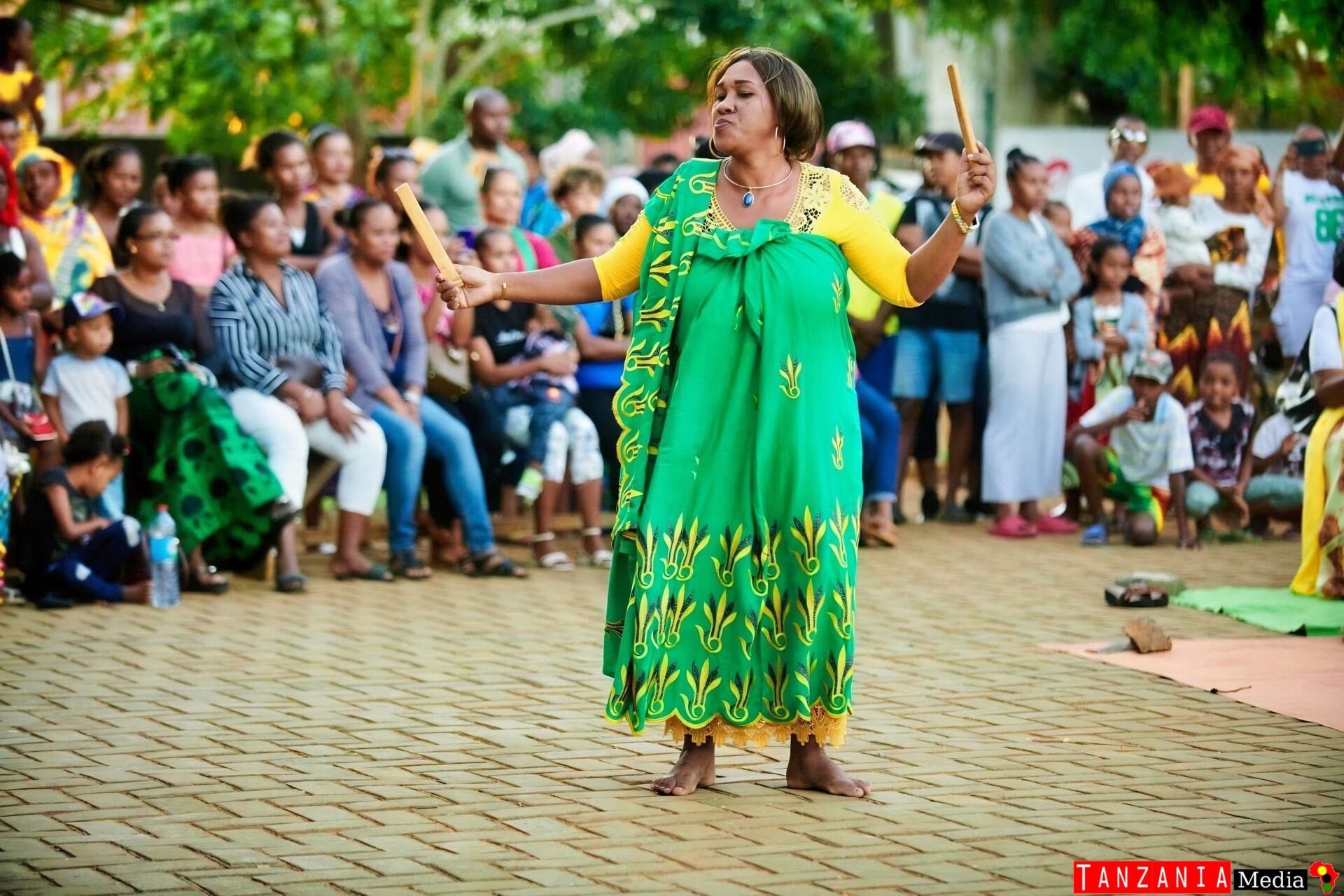 The significance of these performers extends beyond the aesthetic to the social, the cultural, and the political. The performers provided a space for the Swahili to engage with the Indian communities, to question their own assumptions, and to explore their own identity. The performers also challenged the rigid categories of identity that had been imposed by the colonial and the post-colonial states, revealing the fluidity and the hybridity of the coastal identities.
 The negotiation of the relationship with the Indians is a central feature of the Swahili identity formation. The Swahili define themselves in relation to the Indians, and they often use the Indian identity as a marker of the cosmopolitanism and the modernity. The Swahili also critique the Indian influence, and they often resist the Indian domination.
 The stereotypes have also been used to justify the discrimination and the exclusion. The coastal Muslims have often been subjected to the suspicion and the surveillance, and they have often been accused of the disloyalty and the extremism.
Conclusion:
The Eternal Shore: The Enduring Legacy of the Swahili World
Introduction: The River That Never Stops Flowing
“Mto haukawii, unaendelea mbele” — The river does not stop; it continues forward.
This Swahili adage captures the essence of the Swahili civilisation—a living tradition that has never stopped flowing, never ceased to evolve, and never lost its connection to the past while embracing the future. The river of Swahili history, which has its sources in the ancient settlements of the coast and its tributaries in the diverse communities of the Indian Ocean world, continues to flow forward, carrying the memories, the values, and the aspirations of the Swahili people into the present and the future.
The Swahili civilisation is not merely a historical relic or a footnote in the annals of world history. It is a living tradition, a testament to African creativity, resilience, and cosmopolitan engagement with the wider world. From the 7th-century settlements of Pemba Island to the stone towns of the Lamu Archipelago, from the resistance of the Witu Sultanate to the modern struggles for coastal autonomy, the Swahili people have shaped and been shaped by the currents of history.
The significance of the Swahili civilisation extends beyond the historical to the contemporary. The Swahili story offers lessons for the present and the future, reminding us of the power of cultural synthesis, the importance of resilience, and the enduring significance of community. The Swahili world is not a lost kingdom or a forgotten civilisation; it is a vibrant and evolving tradition, a living archive of African achievement, and a reminder that the past is never truly past.
The Archaeological Revolution and the Reclamation of Swahili History
The archaeological research of the past 30 years has fundamentally revised our understanding of the Swahili, demonstrating that they are not the passive products of Arab colonisation but an indigenous African people who developed complex urban societies, engaged in long-distance trade, and produced a rich cultural heritage that continues to inspire and inform the present.
The archaeological revolution has revealed the deep roots of the Swahili civilisation, tracing its origins to the early settlements of the first millennium CE. The research has also revealed the complexity and the diversity of the Swahili society, challenging the static models and the colonial narratives.
The archaeological research has also revealed the connections between the Swahili and the wider world. The research has shown that the Swahili were active participants in the Indian Ocean trading system, engaging in the exchange of the goods, the ideas, and the cultures. The research has also shown that the Swahili were not isolated from the African interior but connected to it through the networks of the trade and the exchange.
The archaeological research has also revealed the resilience of the Swahili civilisation. The research has shown that the Swahili communities survived the challenges of the Portuguese and the Omani colonialism, the disruptions of the trade, and the environmental changes. The research has also shown that the Swahili communities adapted to the changing circumstances, developing new forms of the social, the economic, and the political organisation.
“Mto haukawii, unaendelea mbele” — The river does not stop; it continues forward. This adage captures the resilience and the continuity of the Swahili civilisation, which has continued to flow forward despite the challenges and the disruptions.
The Pillars of Swahili Civilisation
The Swahili civilisation rests on several pillars, which have sustained it through the centuries. These pillars include the language, the architecture, the maritime knowledge, the cultural traditions, and the community solidarity.
The Swahili language, with its poetic traditions and global reach, is a pillar of the Swahili civilisation. The language, which is spoken by millions of people across East Africa and the Indian Ocean world, is a vehicle of the cultural expression and the identity. The language has also been a source of the resistance and the resilience, enabling the Swahili communities to maintain their distinctiveness in the face of the external pressures.
The coral stone architecture, with its fusion of African, Islamic, and Indian Ocean influences, is another pillar of the Swahili civilisation. The architecture, which is found in the stone towns of the coast, is a testament to the creativity and the sophistication of the Swahili builders. The architecture also reflects the cultural synthesis and the cosmopolitanism of the Swahili society.
The maritime knowledge, with its mastery of the monsoon winds, is another pillar of the Swahili civilisation. The knowledge, which has been developed over centuries of the navigation and the trade, enabled the Swahili to connect to the wider Indian Ocean world and to participate in the global exchange.
The cultural traditions, including the poetry, the music, the cuisine, the rituals, and the memories, are another pillar of the Swahili civilisation. The traditions, which have been passed down from generation to generation, are a source of the identity, the solidarity, and the resilience.
The community solidarity, which is based on the kinship, the religion, and the shared history, is another pillar of the Swahili civilisation. The solidarity, which has sustained the Swahili communities through the challenges and the disruptions, is a source of the strength and the resilience.
The Resilience in the Face of Colonialism
The Swahili story is also one of resilience in the face of colonialism, both Arab and European. The loss of political autonomy, the disruptions of trade, the violence of conquest, and the legacies of slavery and marginalisation are all part of this complex history.
The Swahili have survived not only by adapting to changing circumstances but also by preserving their cultural identity, their language, and their sense of community. The Swahili communities have resisted the colonial domination through the military actions, the diplomatic negotiations, and the cultural resistance. The Swahili communities have also adapted to the colonial circumstances, incorporating the new influences and the new practices into their own culture.
The resilience of the Swahili is evident in the survival of the language, the culture, and the identity. Despite the pressures of the colonialism and the post-colonial state, the Swahili have maintained their distinctiveness and their dignity.
The Living Traditions of the Swahili World
The ruins of the stone towns may stand as monuments to a past golden age, but the true heart of Swahili civilisation lies in the living traditions—the poetry, the music, the cuisine, the rituals, and the memories—that continue to shape coastal life today.
The Swahili poetry, which continues to be recited and sung, is a living tradition that expresses the values, the experiences, and the aspirations of the Swahili people. The poetry, which is often composed in the traditional forms of the utenzi and the shairi, explores the themes of the love, the loss, the identity, and the resistance.
The Swahili music, which continues to be performed and enjoyed, is another living tradition. The music, which includes the taarab, the ngoma, and the other genres, reflects the cultural synthesis and the cosmopolitanism of the Swahili society.
The Swahili cuisine, which continues to be prepared and savoured, is another living tradition. The cuisine, which is a fusion of the African, the Arab, and the Indian influences, reflects the creativity and the adaptability of the Swahili culture.
The Swahili rituals, which continue to be practised and celebrated, are another living tradition. The rituals, which include the weddings, the funerals, and the religious ceremonies, are a source of the identity, the solidarity, and the continuity.
The Lessons of the Swahili Story for the Present
As Kenya and Tanzania confront the legacies of colonialism and the challenges of nation-building, the Swahili story offers both warnings and inspiration. It warns of the dangers of marginalisation and stereotyping, and it inspires with its example of cultural synthesis, resilience, and resistance.
The Swahili story reminds us of the importance of the recognition and the respect for the diversity of the communities. The marginalisation and the stereotyping of the Swahili communities have led to the grievances and the conflicts, which have undermined the national unity and the social cohesion.
The Swahili story also reminds us of the power of the cultural synthesis and the resilience. The Swahili civilisation, which has survived the challenges of the colonialism and the post-colonial state, is a testament to the creativity and the adaptability of the human communities.
The Swahili story also reminds us of the importance of the participation and the inclusion. The Swahili communities, which have been marginalised and excluded, have often been denied the opportunities and the resources. The inclusion and the participation of the Swahili communities are essential for the development and the prosperity of the region.
The Unfinished Story of the Swahili World
The Swahili world is not a lost kingdom or a forgotten civilisation; it is a vibrant and evolving tradition, a living archive of African achievement, and a reminder that the past is never truly past. The overgrown paths to Sultan Ahmad Simba’s grave, still cleared by local youths; the evocative verses of Swahili epic poetry, still recited and sung; and the voices of Indian taarab singers, still echoing through the narrow streets of Stone Town, all testify that the Swahili civilisation, in all its complexity and contradiction, continues to speak to us across the centuries. The story is unfinished, and the roots of Witu’s memory are flowering anew.
Conclusion: The River That Still Flows
“Mto haukawii, unaendelea mbele” — The river does not stop; it continues forward. This adage, in its full meaning, captures the enduring legacy of the Swahili world. The river of Swahili history, which has its sources in the ancient settlements of the coast and its tributaries in the diverse communities of the Indian Ocean world, continues to flow forward, carrying the memories, the values, and the aspirations of the Swahili people into the present and the future.
The Swahili civilisation is not merely a historical relic or a footnote in the annals of world history. It is a living tradition, a testament to African creativity, resilience, and cosmopolitan engagement with the wider world. From the 7th-century settlements of Pemba Island to the stone towns of the Lamu Archipelago, from the resistance of the Witu Sultanate to the modern struggles for coastal autonomy, the Swahili people have shaped and been shaped by the currents of history.
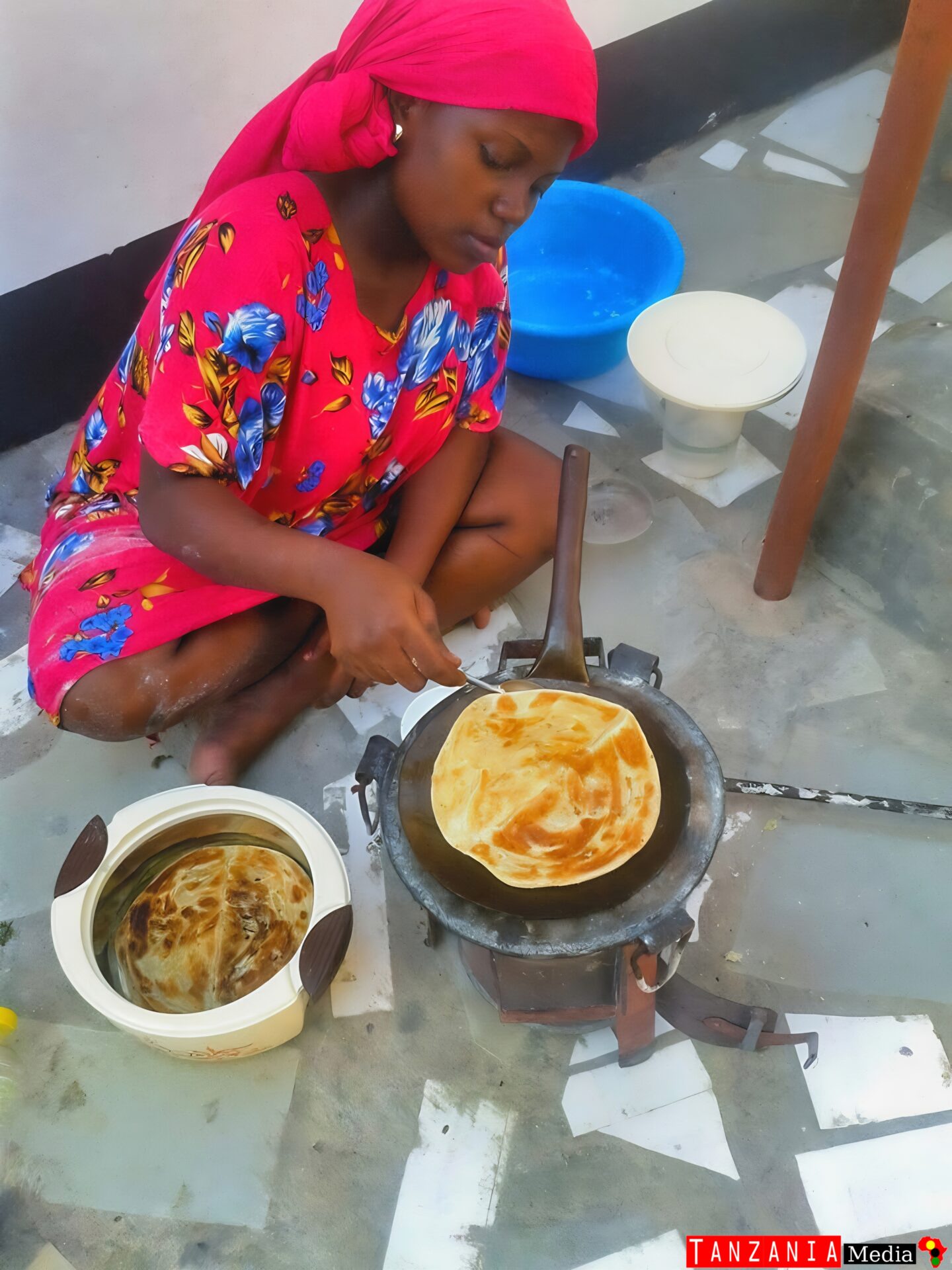 The legacy of this civilisation is still evident today, in the culture, the language, and the identity of the Swahili people. The river that continues to flow is still carrying the traditions, the values, and the aspirations of the Swahili communities. The river is not merely a historical memory but a living reality, a source of identity and resilience, a framework for cultural and political engagement, and a basis for the participation in the wider world. The river that continues to flow is still flowing, and the Swahili people are still navigating its currents, drawing on the wisdom of their ancestors and the strength of their communities to shape the future that they desire.

- Swahili Civilisation: From Ancient Stone Towns to Modern Coastal Identity - 11 September 2026
- Tanzania Police Women: The Rising Force Transforming Law Enforcement in East Africa - 5 September 2026
- Finance Bill 2026: Tanzania’s Historic 62.33 Trillion Shilling Budget for Inclusive Growth and Development - 2 September 2026
RELATED PUBLICATIONS:
 FORGOTTEN HEROES OF TANZANIA’S INDEPENDENCE STRUGGLE
 Introduction: The history of the Tanzanian armed forces
 Celebrating 61 Years of Tanzania’s Union: A Legacy of Resilience and Hope Under Dr. Samia Suluhu Hassan
 Public Engagement at Zanzibar Health Week: Turning Curiosity into Action
 From Liberation to Economic Partnership: The Legacy of Tanzania and Namibia Relations
 HOW TO EXPLORE TOURISM IN TANZANIA
 HOW THE EMBASSY OF TANZANIA IN JAPAN CELEBRATED TANZANIA’S 60TH ANNIVERSARY
 A Cultural Odyssey: The Kizimkazi Festival 2024 in Zanzibar
 Voter Registration Engagement in Zanzibar
 Zanzibar Green Legacy: Collaborative Meeting for Environmental Progress
 Swahili Horoscope: Usomaji wa Nyota ya Kiswahili wa kila wiki, Juni 2 hadi Juni 8, 2025
 Wiki hii inakuletea nini? Usomaji wako wa nyota za tarot kuanzia Juni 9 hadi Juni 15
 A New Chapter for Tanzania: Unity, Progress, and Human Dignity
 RELIGIOUS INSTITUTIONS PROMOTES PEACE IN ZANZIBAR
 ZANZIBAR IIT UNIVERSITY OF TECHNOLOGY
 MISUSE OF INFORMATION AND COMMUNICATION TECHNOLOGY
 THE VICE CHAIRMAN OF THE REVOLUTIONARY PARTY (CCM) ZANZIBAR
 THE MINISTER OF FINANCE, HON. DR. MWIGULU NCHEMBA
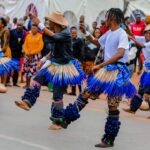 THE SECOND NATIONAL CULTURAL FESTIVAL
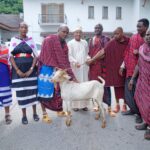 CONDOLENCE FROM THE MAASAI ASSOCIATION TO DR HUSSEIN ALI MWINYI
 THE FOOD AND CULTURE OF TANZANIA, TANZANIA’S RICH FOOD HERITAGE
 THE PRIME MINISTER LAUNCHES THE TORCH OF FREEDOM RACE
 THE MINISTER OF DEFENCE, DR. STERGOMENA TAX, HAS INAUGURATED A CUTTING-EDGE PATROL BOAT
 THE 38TH MEETING OF THE LOCAL GOVERNMENT ASSOCIATION, ALAT